
logo
0%

Table of Contents

12mm float glass is a versatile and essential material in modern construction and numerous industrial applications. Its unique properties – strength, clarity, and ease of processing – make it a preferred choice for everything from architectural glazing to automotive windshields and specialized scientific equipment. Understanding the nuances of this glass type is crucial for architects, engineers, manufacturers, and anyone involved in projects demanding high-performance materials.

The global demand for float glass, particularly in the 12mm thickness, is steadily increasing, driven by rapid urbanization, infrastructure development, and growing consumer preference for aesthetically pleasing and energy-efficient buildings. This demand is particularly pronounced in emerging economies, leading to significant investments in float glass production facilities worldwide. According to the UN, sustainable urbanization strategies increasingly rely on materials like 12mm float glass to meet both structural and environmental goals.

12mm float glass addresses a critical need for safety and durability in construction. Traditional glazing options often lack the impact resistance required for high-rise buildings or areas prone to extreme weather. Its inherent strength provides a robust barrier against external forces, contributing to the structural integrity of buildings and enhancing occupant safety.

Exploring the Versatility and Applications of 12mm Float Glass in Modern Industries

Introduction to 12mm Float Glass

Exploring the Versatility and Applications of 12mm Float Glass in Modern Industries

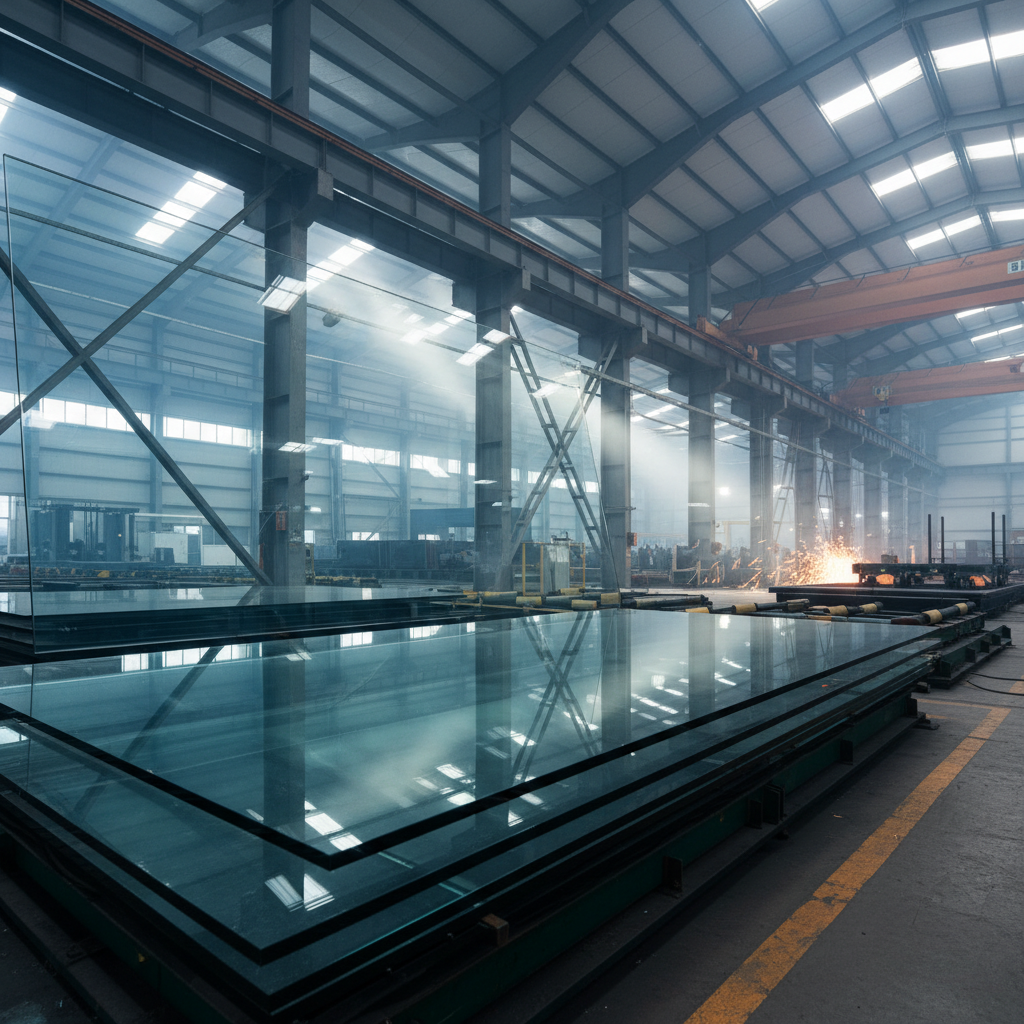
12mm float glass represents a specific thickness within the broader category of float glass, distinguished by its enhanced structural properties and suitability for demanding applications. It offers a significant increase in strength and stability compared to thinner float glass options, making it a preferred choice for projects requiring higher load-bearing capacity and impact resistance.

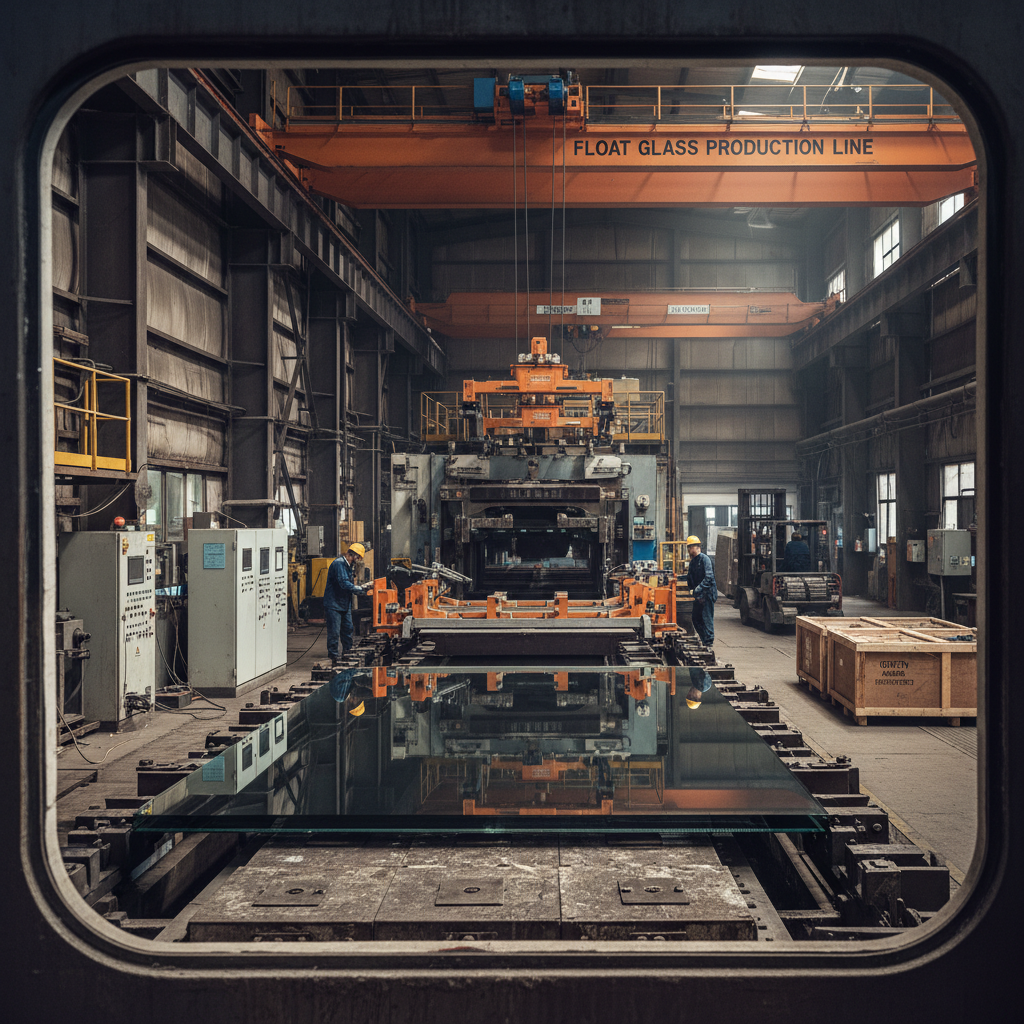
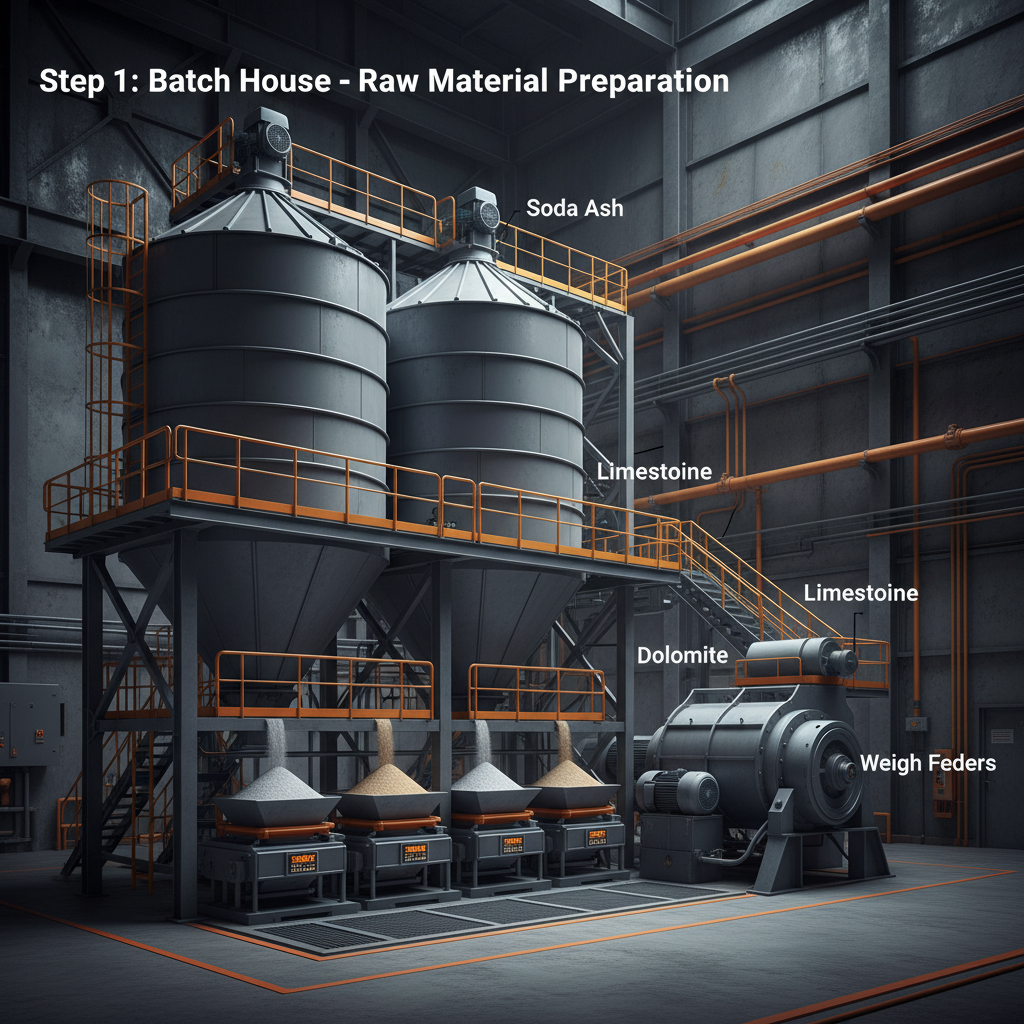
The manufacturing process of 12mm float glass involves melting a precise composition of silica, soda ash, and limestone, then floating the molten glass on a bed of molten tin. This process yields a perfectly flat surface with consistent thickness, a defining characteristic of float glass. The 12mm dimension is achieved through carefully controlled cooling and cutting processes, ensuring precision and quality.

Defining 12mm Float Glass

12mm float glass is a type of glass manufactured using the float process, resulting in a flat, smooth surface with uniform thickness. The ‘12mm’ refers to its thickness, measured in millimeters. This thickness provides a substantial increase in strength and rigidity compared to standard float glass thicknesses, such as 3mm, 4mm, or 6mm.

Its connection to modern industry lies in its ability to meet stringent safety standards and performance requirements in a wide range of applications. From providing secure glazing in commercial buildings to acting as a protective layer in automotive applications, 12mm float glass is integral to many industries.

In humanitarian contexts, 12mm float glass can be utilized in the construction of robust shelters and temporary structures, offering enhanced safety and weather resistance compared to alternative materials. This makes it a valuable asset in disaster relief and emergency response situations.

Key Characteristics of 12mm Float Glass

One of the most prominent characteristics of 12mm float glass is its Durability. The increased thickness provides significant resistance to impact, breakage, and scratching, extending its lifespan and reducing the need for frequent replacements. This is particularly important in high-traffic areas or exposed environments.

Another key attribute is its Thermal Performance. 12mm float glass offers improved insulation compared to thinner glass, helping to reduce heat transfer and lower energy consumption in buildings. This contributes to greater energy efficiency and reduced carbon emissions.

Optical Clarity is also a defining characteristic. The float process ensures a distortion-free surface, maximizing light transmission and providing clear visibility. This is crucial for architectural applications where aesthetics and natural light are prioritized. Additionally, its Sound Insulation properties are superior, reducing noise pollution and creating more comfortable indoor environments. Finally, Versatility in Processing allows for easy cutting, shaping, and tempering, making it adaptable to a wide variety of design requirements.

Applications of 12mm Float Glass

12mm float glass finds extensive use in architectural glazing, particularly in commercial buildings, high-rise structures, and storefronts, where its strength and safety characteristics are paramount. It’s also commonly utilized in balustrades, railings, and partitions, providing a secure and aesthetically pleasing barrier.

In the automotive industry, 12mm float glass is incorporated into windshields and side windows, enhancing occupant safety and providing superior visibility. Furthermore, it’s utilized in the manufacture of furniture, shelving, and display cases, adding a touch of elegance and durability.

Market Share of 12mm Float Glass Applications


Advantages and Value Proposition

The primary advantage of utilizing 12mm float glass lies in its enhanced safety profile. Its increased thickness and impact resistance significantly reduce the risk of breakage, safeguarding occupants and property. This translates to lower insurance costs and a more secure environment.

From a long-term value perspective, 12mm float glass offers excellent durability, minimizing replacement frequency and reducing lifecycle costs. Its improved thermal performance contributes to energy savings, further enhancing its economic benefits.

Future Trends in 12mm Float Glass

Research and development are focused on incorporating advanced coatings onto 12mm float glass to further enhance its performance characteristics. These coatings include self-cleaning properties, improved UV protection, and enhanced solar control, leading to more sustainable and energy-efficient buildings.

The integration of smart glass technologies, such as electrochromic glass that can dynamically adjust its transparency, is also gaining traction. These innovations promise to revolutionize building design and offer greater control over indoor environments. Furthermore, advancements in glass recycling technologies aim to reduce the environmental impact of glass production and promote a circular economy.

Challenges and Mitigation Strategies

One of the key challenges associated with 12mm float glass is its weight. The increased thickness results in a heavier material, potentially requiring additional structural support in certain applications. Mitigation strategies include utilizing lightweight framing systems and optimizing structural designs.

Another challenge is the higher cost compared to thinner float glass options. However, this cost can be offset by the long-term benefits of increased durability, reduced maintenance, and improved energy efficiency. Furthermore, advances in manufacturing processes are continuously working to reduce production costs.

Supply chain disruptions and fluctuations in raw material prices can also impact the availability and cost of 12mm float glass. Building strong relationships with reliable suppliers and diversifying sourcing options are crucial for mitigating these risks.

Summary of Challenges and Mitigation Strategies for 12mm Float Glass

Challenge Impact Severity (1-10) Mitigation Strategy Implementation Cost (1-10)
Increased Weight 7 Lightweight Framing, Optimized Design 6
Higher Cost 6 Lifecycle Cost Analysis, Value Engineering 3
Supply Chain Disruptions 8 Supplier Diversification, Long-Term Contracts 5
Raw Material Price Volatility 7 Strategic Sourcing, Hedging Strategies 4
Manufacturing Complexity 5 Automated Processes, Quality Control 7
Transportation Costs 4 Localized Production, Optimized Logistics 3

FAQS

What are the key safety benefits of using 12mm float glass over thinner options?

12mm float glass offers significantly increased impact resistance and breakage protection compared to thinner glass. Its greater thickness and density make it more difficult to penetrate, reducing the risk of injury from accidental impacts or forced entry. This enhanced safety profile makes it ideal for applications where occupant safety is paramount, such as in high-rise buildings, schools, and public spaces. It also meets stringent building codes and safety standards, providing peace of mind for building owners and occupants.

How does the cost of 12mm float glass compare to other glazing materials?

While 12mm float glass is generally more expensive than thinner float glass or acrylic alternatives, its long-term value often outweighs the initial cost. The increased durability and reduced maintenance requirements minimize replacement frequency, leading to lower lifecycle costs. Additionally, its superior thermal performance can result in significant energy savings. A comprehensive lifecycle cost analysis is recommended to evaluate the overall economic benefits.

What applications are best suited for 12mm float glass?

12mm float glass is exceptionally well-suited for applications requiring high strength, safety, and durability. These include architectural glazing in commercial buildings, storefronts, and high-rise structures; balustrades and railings; automotive windshields; furniture and display cases; and specialized industrial applications where impact resistance is critical. Its versatility makes it a preferred choice for a wide range of projects.

Is 12mm float glass energy efficient?

Yes, 12mm float glass offers improved thermal performance compared to thinner glass options. The increased thickness reduces heat transfer, helping to maintain consistent indoor temperatures and lower energy consumption for heating and cooling. This contributes to greater energy efficiency and reduced carbon emissions. Furthermore, it can be combined with low-emissivity (Low-E) coatings to further enhance its thermal insulation properties.

Can 12mm float glass be tempered or laminated for added safety?

Absolutely. 12mm float glass can be both tempered and laminated to further enhance its safety characteristics. Tempering involves heat-treating the glass to increase its strength and create a specific breakage pattern – small, relatively harmless fragments. Lamination involves bonding two or more layers of glass with a plastic interlayer, which holds the glass together even when broken. Combining these processes provides maximum safety and security.

What are the environmental considerations related to 12mm float glass?

The production of 12mm float glass requires significant energy input. However, advancements in manufacturing processes are continuously reducing energy consumption and emissions. Furthermore, glass is 100% recyclable, and utilizing recycled glass in production helps to minimize environmental impact. Choosing energy-efficient glazing solutions like 12mm float glass also contributes to lower building energy consumption over the long term, promoting sustainability.

Conclusion

In conclusion, 12mm float glass stands as a crucial material in modern construction and numerous industrial sectors. Its unique combination of strength, durability, clarity, and thermal performance makes it a preferred choice for demanding applications. Understanding its properties and benefits is vital for architects, engineers, and anyone involved in projects prioritizing safety, sustainability, and long-term value.

As we look to the future, ongoing innovations in glass technology, such as advanced coatings and smart glass solutions, promise to further enhance the capabilities of 12mm float glass. By embracing these advancements and prioritizing responsible manufacturing practices, we can unlock its full potential and contribute to a more sustainable and resilient built environment. Visit our website at www.tptopglass.com to explore our range of 12mm float glass products and solutions.

Christopher Wilson

Christopher Wilson

Christopher Wilson is our dedicated Customer Relationship Manager for the US region. He is the primary point of contact for our American clients, providing ongoing support and building lasting relationships. Christopher has a strong background in customer service and a deep understanding of the glass industry. He works closely with
Previous Exploring the Versatility and Benefits of 19mm Float Glass Applications
Next Understanding Horticultural Float Glass for Modern Construction and Growing Applications