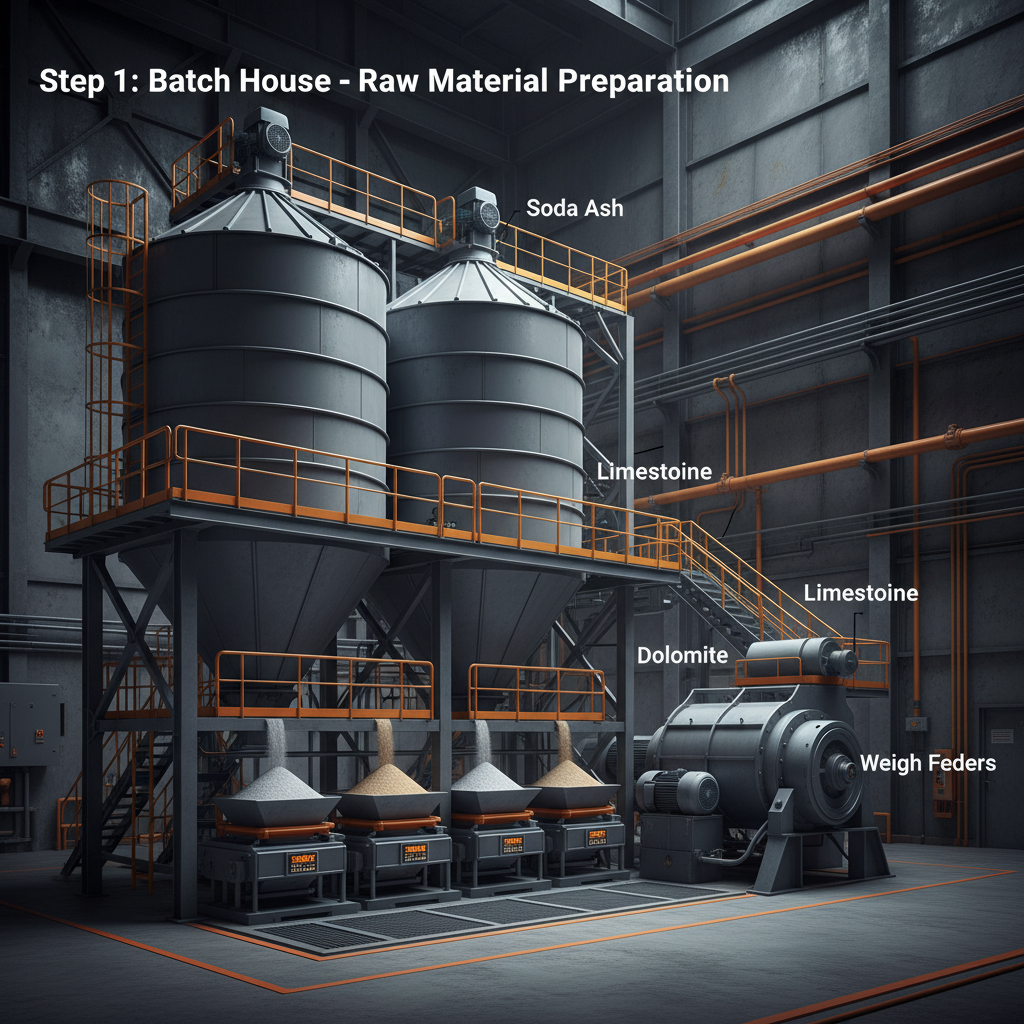
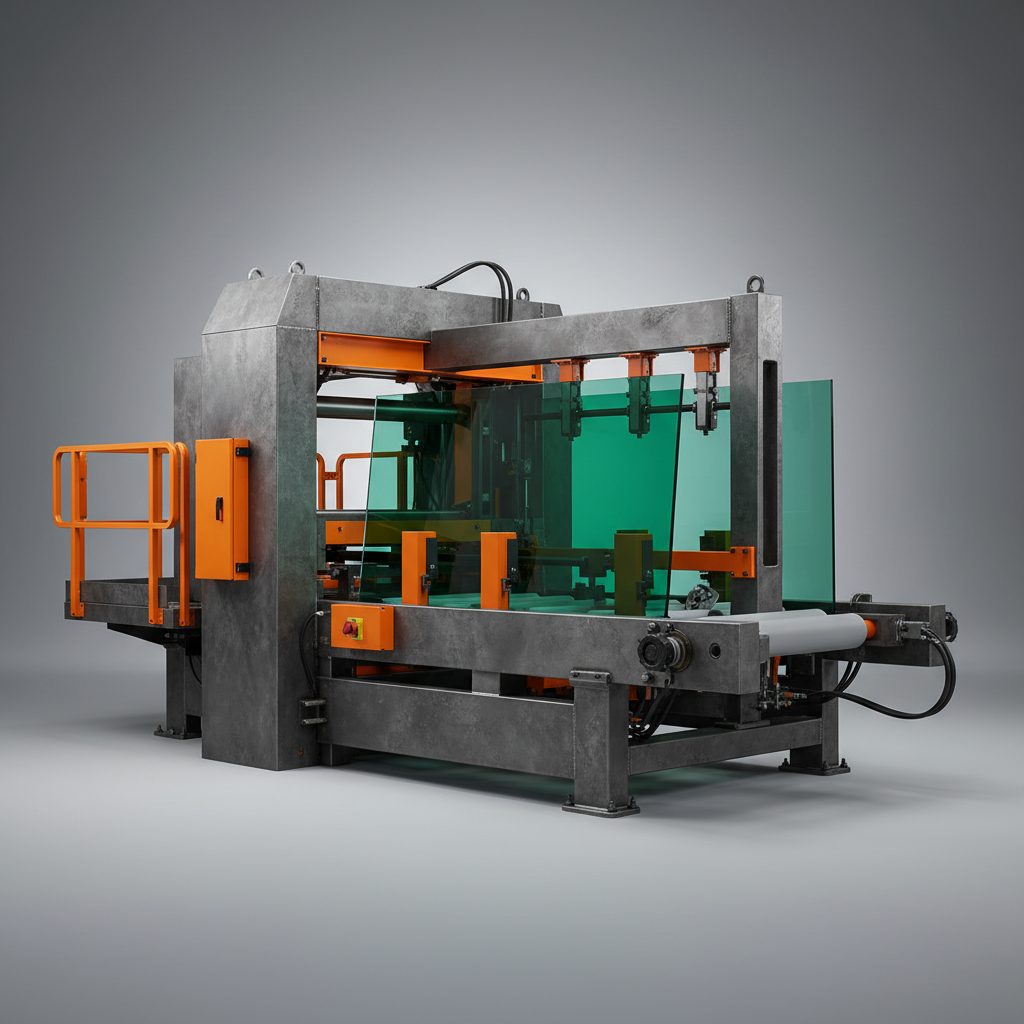
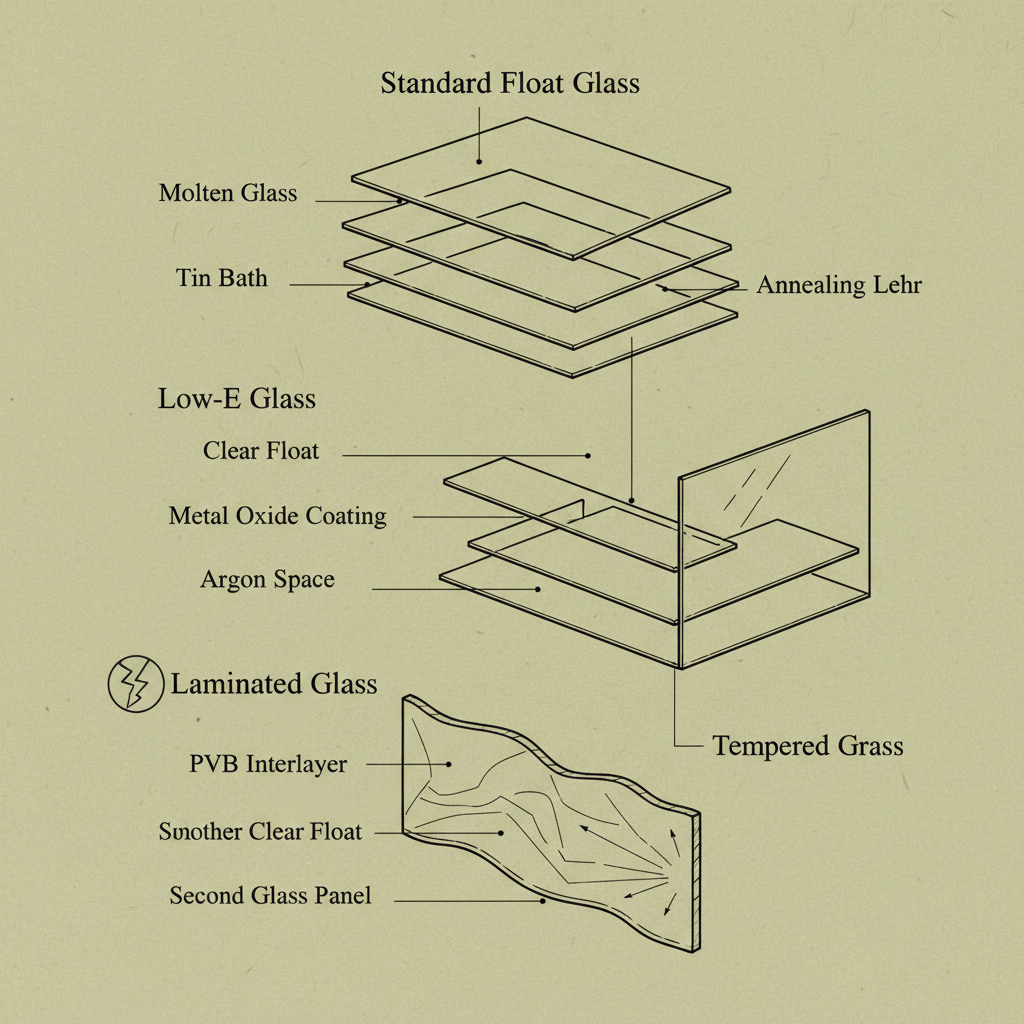
Grey float glass stands as a cornerstone material in modern construction and design, prized for its versatility and clarity. Its production involves melting raw materials like silica, soda ash, and limestone to create a molten glass ribbon, which is then floated on a bed of molten tin. This process results in a remarkably flat and uniform surface, crucial for various applications. Understanding the properties and uses of grey float glass is essential for architects, engineers, and anyone involved in the built environment, enabling informed decisions about material selection and design implementation.
The global demand for grey float glass is continuously rising, driven by urbanization, infrastructure development, and the increasing need for energy-efficient buildings. According to the UN, global urbanization is projected to reach 68% by 2050, creating immense pressure on housing and infrastructure. This translates directly into greater demand for glass used in windows, facades, and interior spaces. Moreover, ISO standards for thermal performance increasingly emphasize the use of high-quality glass like grey float glass, further fueling market growth.
A significant challenge in the construction industry is balancing cost, performance, and sustainability. Grey float glass addresses this by offering a cost-effective solution that enhances thermal insulation, reduces energy consumption, and allows for ample natural light, contributing to healthier and more sustainable buildings. It's an indispensable material in addressing these modern challenges.
Introduction to Grey Float Glass
Grey float glass, as a foundational building material, is integral to modern architectural aesthetics and functional requirements. Its manufacturing process guarantees a consistent thickness and quality, making it ideal for a broad range of applications from residential windows to large-scale commercial facades. The subtle grey tint provides a unique visual appeal while also offering benefits like reduced glare and enhanced solar control. grey float glass is fundamental to modern building practices.
The increasing focus on sustainable construction has further elevated the importance of grey float glass. Its ability to improve energy efficiency, coupled with ongoing innovations in glass technology, makes it a crucial component in creating environmentally responsible buildings. Its role extends beyond aesthetics to actively contributing to a more sustainable future.
Global Relevance and Industry Context
The production and consumption of grey float glass are deeply intertwined with global economic trends. Rapid urbanization in developing nations, particularly in Asia and Africa, is driving significant demand. China, for instance, is the world’s largest producer and consumer of float glass, accounting for over 50% of global output. This demand is fueled by massive infrastructure projects and the construction of new residential and commercial spaces.
The glass industry is also becoming increasingly regulated in terms of environmental impact. Manufacturers are under pressure to reduce carbon emissions and adopt more sustainable production practices. This includes investing in energy-efficient technologies and exploring alternative raw materials. The World Bank highlights the critical need for sustainable infrastructure development, with glass playing a vital role in building resilient and eco-friendly structures.
Furthermore, global supply chain disruptions, as experienced during recent geopolitical events, have underscored the importance of resilient and diversified sourcing strategies for grey float glass. Companies are actively seeking to reduce their reliance on single suppliers and build stronger regional supply networks to mitigate risks.
Defining Grey Float Glass
Grey float glass is a type of flat glass manufactured through the float process, where molten glass is floated on a bath of molten tin. This process creates a perfectly flat surface with uniform thickness, eliminating the distortions common in older glassmaking techniques. The "grey" designation refers to a subtle tint incorporated into the glass during manufacturing, typically achieved by adding small amounts of iron oxide or other coloring agents to the glass batch.
This inherent quality makes it significantly superior to traditional sheet glass, offering enhanced optical clarity, strength, and durability. It’s a fundamental component of countless modern applications, ranging from architectural glazing to automotive windshields and even specialized industrial equipment. The process connects directly to the need for modern industrial solutions.
The definition extends beyond mere material properties; grey float glass represents a core element in realizing sustainable building designs and enhancing energy efficiency standards across the globe, helping to lessen our carbon footprint. It exemplifies the integration of industrial processes with environmental consciousness.
Core Components of Grey Float Glass
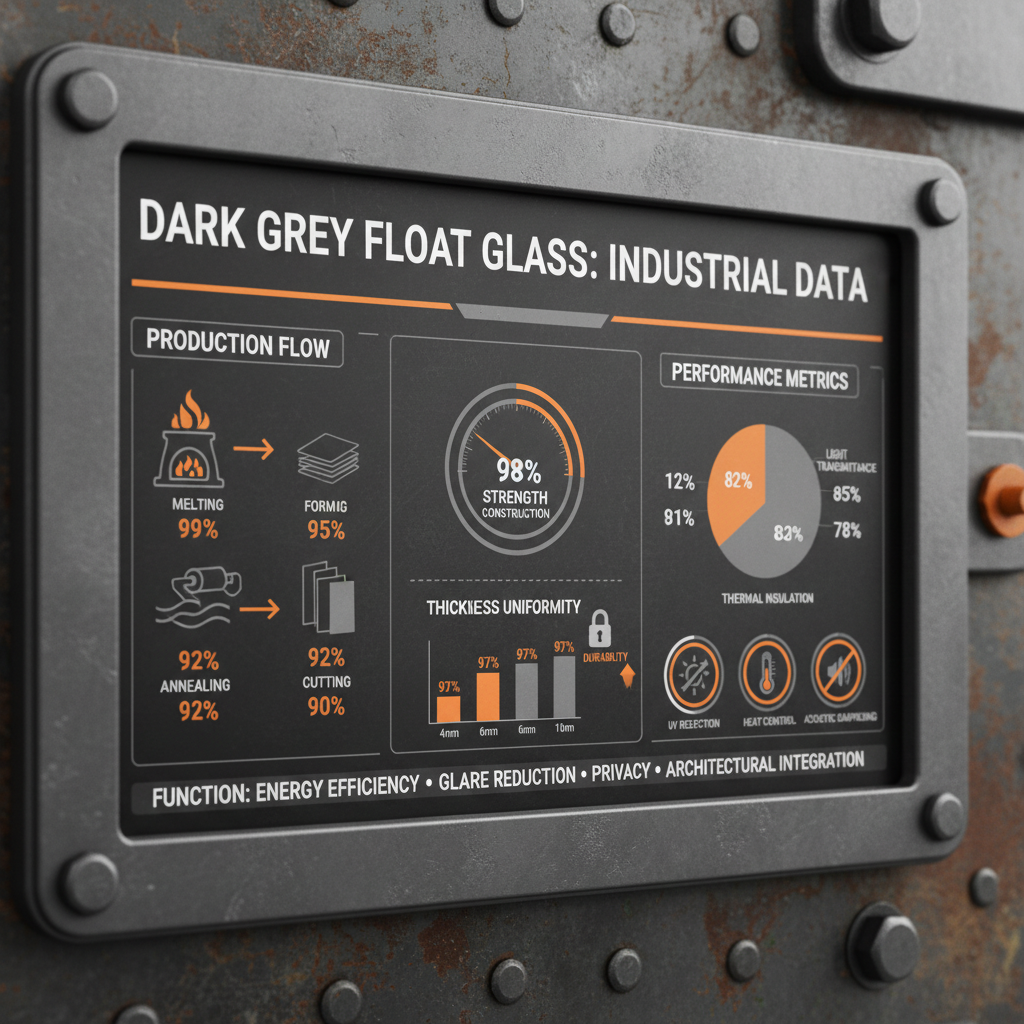
Several key factors contribute to the unique properties of grey float glass. Firstly, Optical Clarity is paramount – the float process ensures minimal distortion, providing clear visibility. Secondly, Thermal Performance is significantly improved by the glass’s composition and thickness, reducing heat transfer. Thirdly, Durability is inherent, offering resistance to scratches, impacts, and weathering.
Another vital component is UV Protection - the grey tint inherently filters out a portion of harmful ultraviolet radiation, protecting interiors from fading and degradation. Sound Insulation is also enhanced by the glass’s density and composition, reducing noise transmission. Finally, Design Versatility allows for ease of cutting, shaping, and coating, making it adaptable to a wide range of architectural and design applications. grey float glass boasts exceptional qualities.
Grey Float Glass Performance Metrics
Global Applications & Use Cases
Grey float glass finds widespread application across diverse sectors. In Architecture, it's utilized for windows, curtain walls, and interior partitions, providing natural light while maintaining privacy and energy efficiency. In the Automotive Industry, it's essential for windshields and side windows, offering safety and clarity. grey float glass’s properties make it extremely versatile.
The Solar Energy sector employs grey float glass as a cover for solar panels, protecting the photovoltaic cells and maximizing light transmission. In Furniture Design, it’s used for tabletops, shelves, and decorative elements, adding a touch of modern elegance. In Industrial Applications, it serves as protective covers for machinery and equipment, ensuring safety and visibility.
Specifically, in post-disaster relief operations, readily available grey float glass sheets can quickly provide temporary shelter and enclosures. In remote industrial zones, its durability makes it suitable for harsh environments. From skyscrapers in bustling metropolises to essential components in renewable energy systems, grey float glass is a ubiquitous material shaping our world.
Advantages and Long-Term Value
The advantages of utilizing grey float glass are multifaceted. From a Cost Efficiency standpoint, its durability and longevity reduce the need for frequent replacements, lowering lifecycle costs. From a Sustainability perspective, it contributes to energy savings, reducing carbon footprints and promoting environmentally friendly building practices. Its inherent UV protection enhances the longevity of interior furnishings, saving on replacement costs.
The Social Impact of improved indoor environments – brighter, more comfortable spaces – promotes well-being and productivity. Furthermore, grey float glass fosters a sense of Reliability and safety, providing peace of mind for building occupants. It embodies innovation and trust in material performance.
Future Trends & Innovations
The future of grey float glass is marked by several exciting developments. Self-Cleaning Glass coatings, utilizing nanotechnology, are gaining traction, reducing maintenance requirements and enhancing aesthetics. Smart Glass technologies, incorporating electrochromic or thermochromic properties, allow for dynamic control of light transmission and thermal insulation.
Integration with Building Information Modeling (BIM) and digital fabrication techniques allows for precise customization and optimized material usage. The increasing focus on Circular Economy principles is driving research into glass recycling and the development of closed-loop manufacturing processes. These innovations contribute to creating a future where glass solutions are even more sustainable, efficient, and intelligent.
Challenges & Solutions
Despite its numerous benefits, the grey float glass industry faces challenges. One major hurdle is the Energy Intensity of the manufacturing process, which relies on high temperatures and significant energy consumption. This can be mitigated through investing in advanced furnace technologies and utilizing renewable energy sources. Another challenge is Transportation Costs, due to the material's weight and fragility.
Addressing Glass Waste requires developing more efficient recycling technologies and promoting the use of recycled glass cullet in new production. Supply Chain Volatility can be addressed through diversification and regionalization of production. By embracing innovative solutions and prioritizing sustainability, the industry can overcome these challenges and ensure a more resilient and responsible future.
Finally, improving Glass Strength through advanced coatings and laminations offers a pathway to broader applications in safety-critical environments.
Core Analysis of Grey Float Glass Challenges and Solutions
| Challenge |
Severity (1-10) |
Proposed Solution |
Implementation Cost (USD) |
| High Energy Consumption |
8 |
Advanced Furnace Technology & Renewable Energy |
$5M - $15M |
| Transportation Costs |
6 |
Regional Production Facilities & Optimized Logistics |
$2M - $8M |
| Glass Waste Management |
7 |
Enhanced Recycling Technologies & Closed-Loop Systems |
$3M - $10M |
| Supply Chain Disruptions |
9 |
Diversified Sourcing & Inventory Management |
$1M - $5M |
| Limited Glass Strength |
5 |
Advanced Coatings & Lamination Techniques |
$0.5M - $2M |
| Environmental Regulations |
7 |
Compliance Programs & Sustainable Practices |
$0.2M - $1M |
FAQS
Grey float glass’s tint reduces solar heat gain, minimizing the need for air conditioning in warm climates. The composition and potential coatings also contribute to enhanced thermal insulation, reducing heat transfer. This results in lower energy consumption and reduced carbon emissions. Moreover, the consistent quality and flatness of grey float glass allow for tighter seals in window and door installations, further minimizing energy loss. Overall, its ability to regulate temperature makes it a superior choice for sustainable building practices.
The float glass manufacturing process is energy-intensive, requiring high temperatures to melt raw materials. However, modern facilities are increasingly employing technologies to reduce environmental impact. These include utilizing recycled glass cullet, optimizing furnace efficiency, and transitioning to renewable energy sources. Manufacturers are also focusing on reducing emissions and managing waste responsibly. The industry is actively researching alternative, more sustainable production methods to minimize its ecological footprint.
Yes, grey float glass is adaptable to a wide range of climates. In warmer climates, its solar control properties help reduce heat gain and lower cooling costs. In colder climates, its thermal insulation properties help retain heat and reduce heating costs. The level of tint and the addition of specialized coatings can be adjusted to optimize performance for specific climatic conditions. It is a versatile solution for temperature regulation in diverse environments.
Beyond windows, grey float glass is widely used in architectural facades, interior partitions, solar panels, furniture, automotive windshields, and protective covers for industrial equipment. Its durability, clarity, and versatility make it suitable for a broad spectrum of applications. It is also utilized in specialty applications like laboratory equipment and display cases, where clarity and safety are paramount.
The cost of grey float glass can vary depending on thickness, size, coatings, and quantity. Generally, it is slightly more expensive than clear float glass due to the addition of coloring agents and potential coatings. However, its long-term benefits, such as reduced energy costs and increased durability, often offset the initial price difference. Furthermore, bulk orders and strategic sourcing can help minimize costs.
Grey float glass must adhere to stringent safety standards, including those set by organizations like ASTM, ANSI, and ISO. These standards cover aspects such as impact resistance, breakage patterns, and thermal stress. Tempered and laminated grey float glass are commonly used in applications where safety is critical, offering enhanced protection against injury. Compliance with these standards ensures the safety and well-being of building occupants.
Conclusion
Grey float glass represents a cornerstone material in modern construction and design, offering a unique combination of optical clarity, thermal performance, durability, and aesthetic appeal. Its widespread adoption is driven by the need for sustainable building practices, energy efficiency, and enhanced comfort. By understanding its properties, applications, and future trends, we can harness its potential to create more resilient, innovative, and environmentally responsible structures.
Looking ahead, continued innovation in glass technology, coupled with a commitment to sustainable manufacturing processes, will further solidify grey float glass’s position as a vital component of a greener and more sustainable future. We encourage you to explore our comprehensive range of grey float glass products and solutions at www.tptopglass.com.