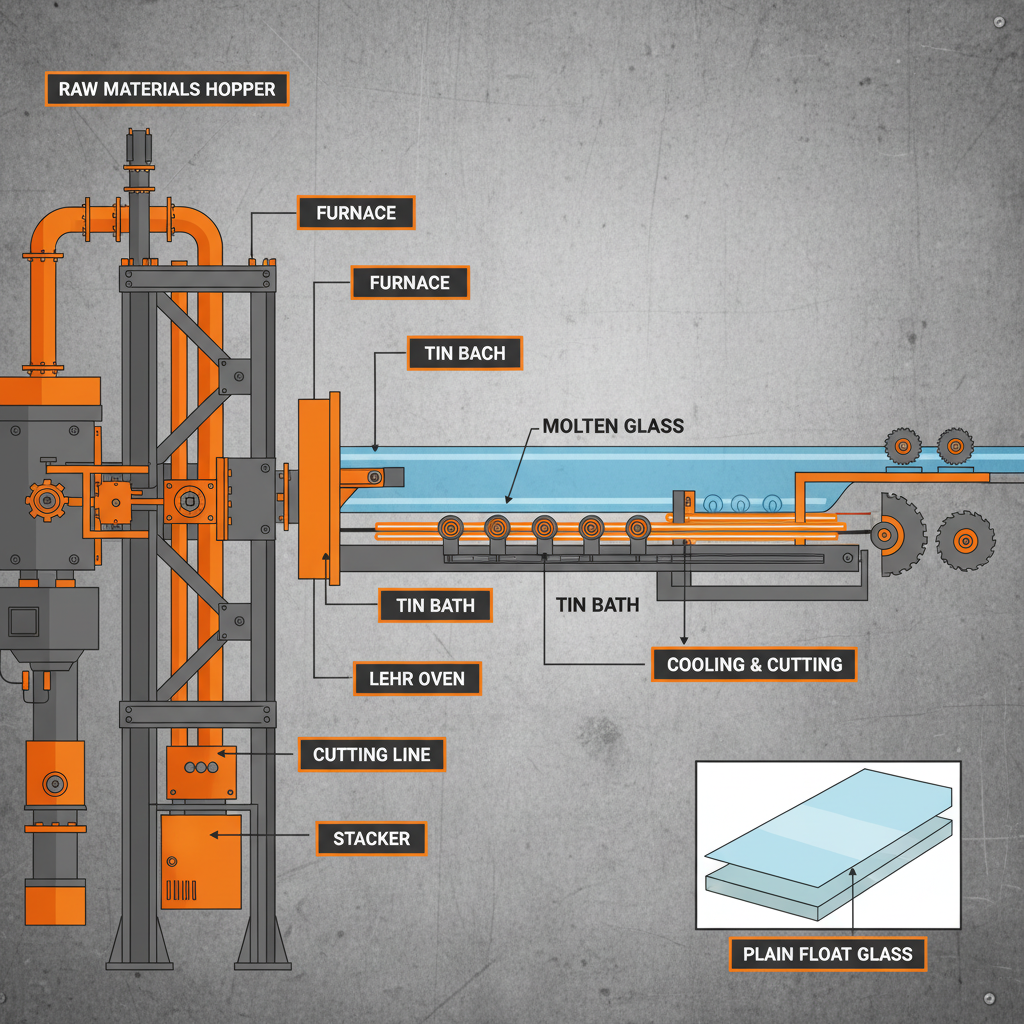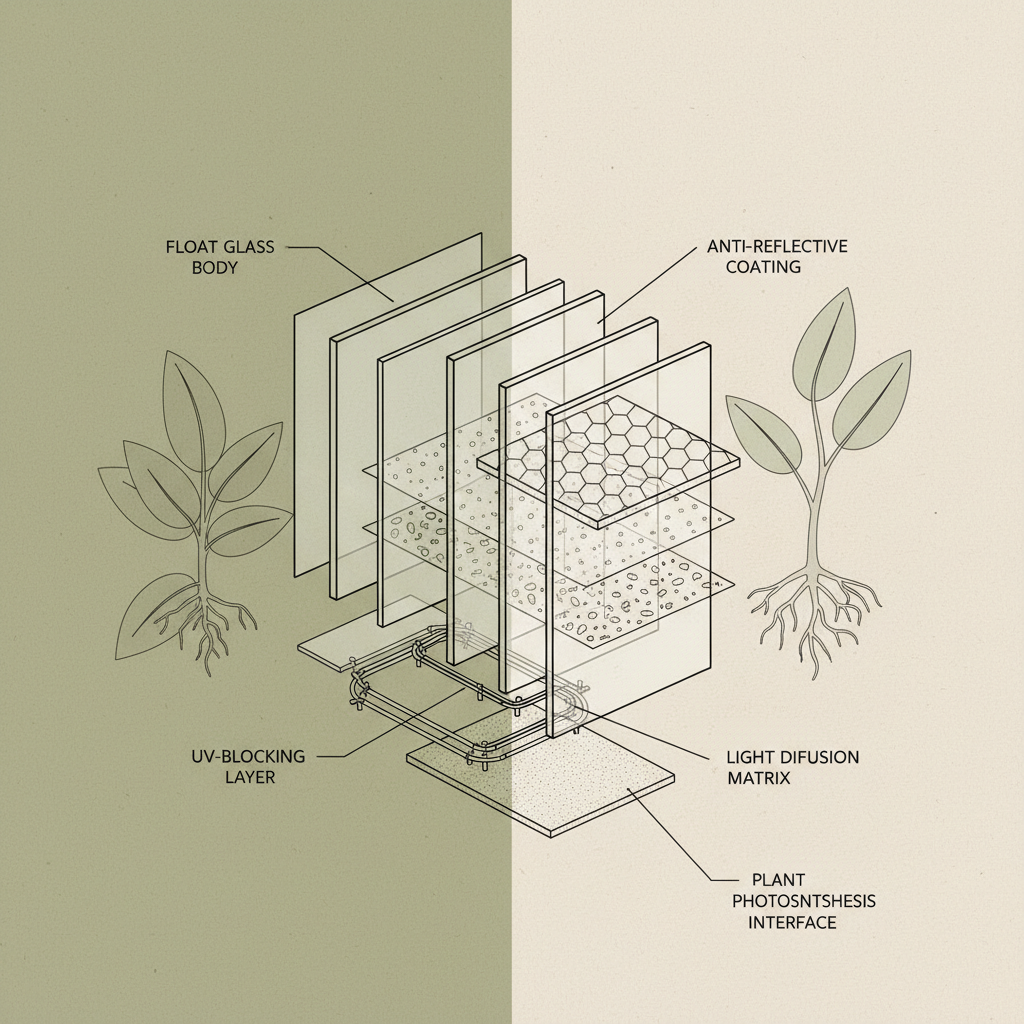



Dead flat float glass is a cornerstone of modern construction and technology, offering unparalleled clarity and precision. Its consistent flatness and exceptional quality make it ideal for a wide range of applications, from architectural glazing and automotive windshields to high-performance displays and scientific instrumentation. Understanding the properties and applications of this material is crucial for professionals in fields ranging from architecture and engineering to manufacturing and research.
The global demand for dead flat float glass continues to grow, driven by increasing urbanization, infrastructure development, and technological advancements. The pursuit of energy efficiency in buildings, the demand for enhanced safety features in vehicles, and the relentless drive for higher resolution displays all contribute to this demand. Addressing the challenges of production, transportation, and responsible sourcing is paramount to sustainable growth within the industry.
Investing in the knowledge of dead flat float glass allows for innovative design, improved product performance, and a commitment to safety and sustainability. As technology advances, and new demands arise, mastering this material is key to staying at the forefront of several industries.
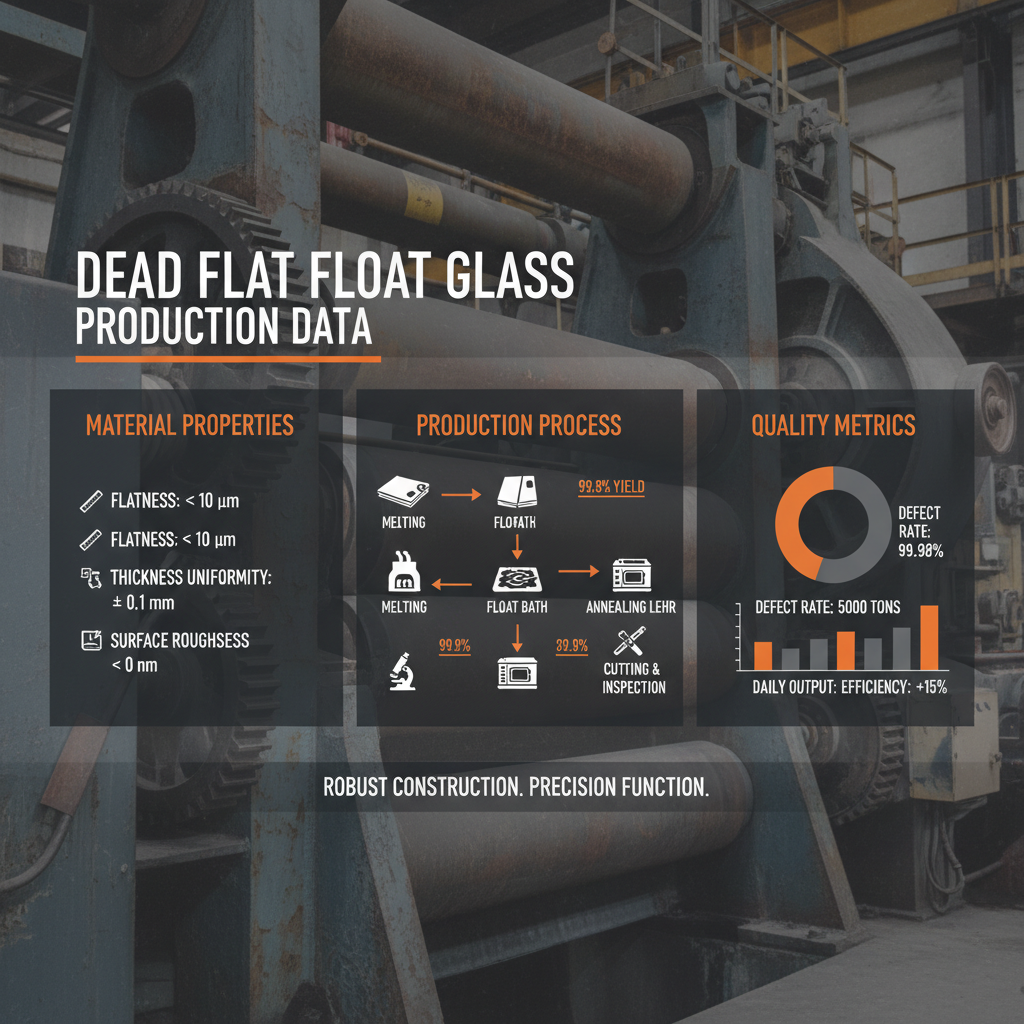
Dead flat float glass isn't merely a building material; it's a foundational component of modern life, impacting industries ranging from architecture and automotive to consumer electronics. The demand for high-quality, consistently flat glass is increasing as applications become more sophisticated. dead flat float glass is central to advancements in these areas.
Its unique properties—exceptional clarity, consistent thickness, and precisely controlled flatness—enable innovations in design and functionality that were previously unattainable. This makes it a key element in creating safer, more energy-efficient, and aesthetically pleasing environments.
Dead flat float glass is extensively used in architectural glazing for facades, windows, and interior partitions due to its superior clarity, flatness, and strength. It allows for larger glass areas, maximizing natural light and creating aesthetically pleasing designs. It also enhances energy efficiency when used in insulated glazing units (IGUs). Its high quality contributes to safer, more sustainable buildings.
Dead flat float glass generally commands a higher price than standard float glass due to the tighter tolerances and more stringent quality control required during manufacturing. However, the improved flatness and clarity justify the cost for applications requiring precise optical properties. Performance-wise, dead flat float glass minimizes distortion and offers better aesthetic appeal in applications like display screens and high-end architectural features.
The production of dead flat float glass can be energy-intensive, and raw material sourcing is a key consideration. However, the industry is increasingly adopting sustainable practices, such as utilizing recycled glass cullet, optimizing energy consumption, and reducing CO2 emissions. The recyclability of glass itself is a significant environmental benefit.
Flatness tolerances for dead flat float glass are significantly tighter than those for standard float glass. Typically, tolerances are specified in terms of bow, warp, and twist, with values often below 0.1mm across the entire surface. These tight tolerances ensure minimal distortion and consistent optical performance.
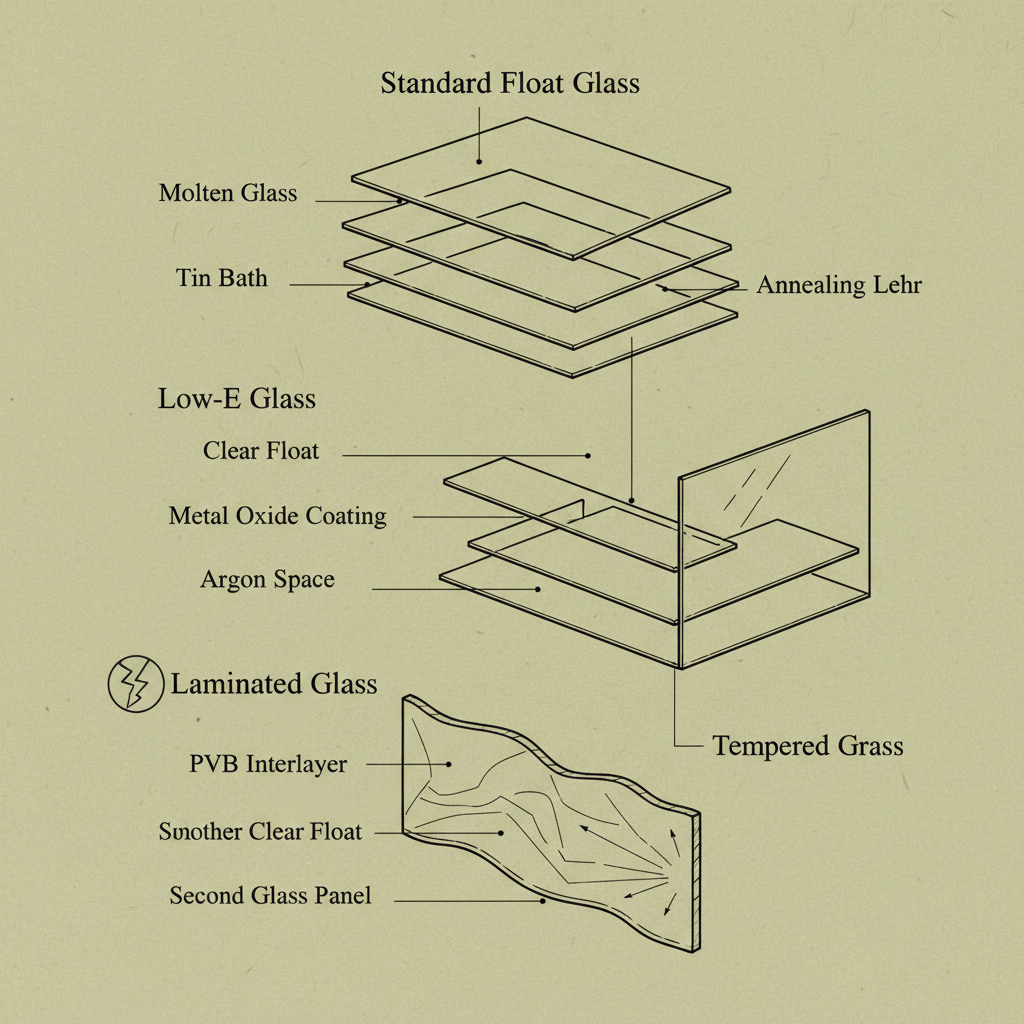
Yes, dead flat float glass can be both tempered and laminated to enhance its strength and safety. Tempering creates a compressive stress layer on the surface, making it more resistant to breakage. Lamination involves bonding a layer of polyvinyl butyral (PVB) between two glass sheets, preventing shattering and holding fragments together in case of impact.
Emerging trends include the development of thinner and lighter glass, self-cleaning coatings, switchable privacy glass, and integrated solar control technologies. AI-powered quality control systems are also becoming more prevalent, ensuring consistent flatness and minimizing defects. There's also a growing focus on using renewable energy sources in the manufacturing process.
Dead flat float glass stands as a critical material in a wide spectrum of industries, offering a unique combination of clarity, durability, and versatility. From shaping the skylines of modern cities to enabling advancements in consumer electronics, its impact on our daily lives is undeniable. Understanding its properties, applications, and future trends is essential for professionals seeking to innovate and excel in their respective fields.
Looking ahead, continued investment in research and development, coupled with a commitment to sustainable practices, will be crucial for unlocking the full potential of this remarkable material. By embracing new technologies and prioritizing responsible manufacturing, we can ensure that dead flat float glass continues to play a vital role in shaping a safer, more efficient, and more beautiful future. Visit our website at www.tptopglass.com to learn more.


Shahe City economic Development Zone 32,hebei,P.R .China.

+8618686009698
+8613191439158

eoch@shtopglass.com
jason@shtopglass.com