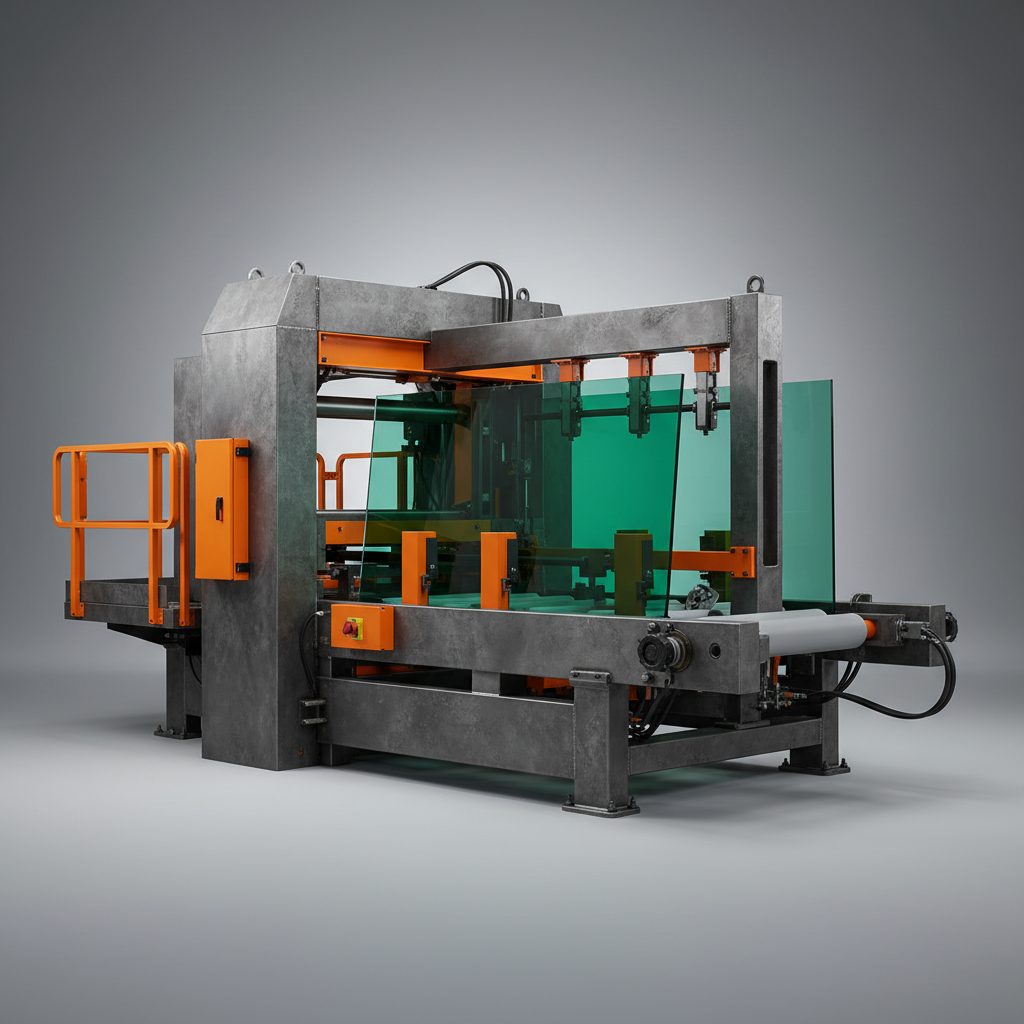
5mm float glass is a versatile and widely used material in modern construction and various industries. Its consistent quality, clarity, and affordability have made it a staple in everything from windows and doors to automotive windshields and solar panels. Understanding the properties and applications of 5mm float glass is crucial for architects, builders, manufacturers, and anyone involved in projects requiring transparent and durable materials.
The global demand for 5mm float glass is consistently high, driven by urbanization, infrastructure development, and the increasing need for energy-efficient building solutions. According to reports from the UN and the World Bank, global construction output is projected to increase significantly in the coming decades, further fueling the demand for glass products. This demand presents both opportunities and challenges, requiring manufacturers to innovate and improve production processes to meet market needs sustainably.
The prominence of 5mm float glass stems from its relatively low cost compared to thicker glass options while still providing sufficient strength for many applications. This balance of cost-effectiveness and functionality makes it an ideal choice for large-scale projects, contributing significantly to the accessibility of modern building technologies worldwide.
Introduction to 5mm Float Glass
5mm float glass is a foundational building material utilized across a staggering array of applications globally. Its affordability and ease of processing make it ideal for both residential and commercial construction, as well as numerous industrial purposes.
The float glass process, invented in the 1950s, revolutionized glass manufacturing, allowing for the consistent production of high-quality, flat glass sheets. 5mm float glass, being a common thickness, offers a balance between weight, strength, and cost, making it a highly sought-after product for various uses.
Defining 5mm Float Glass
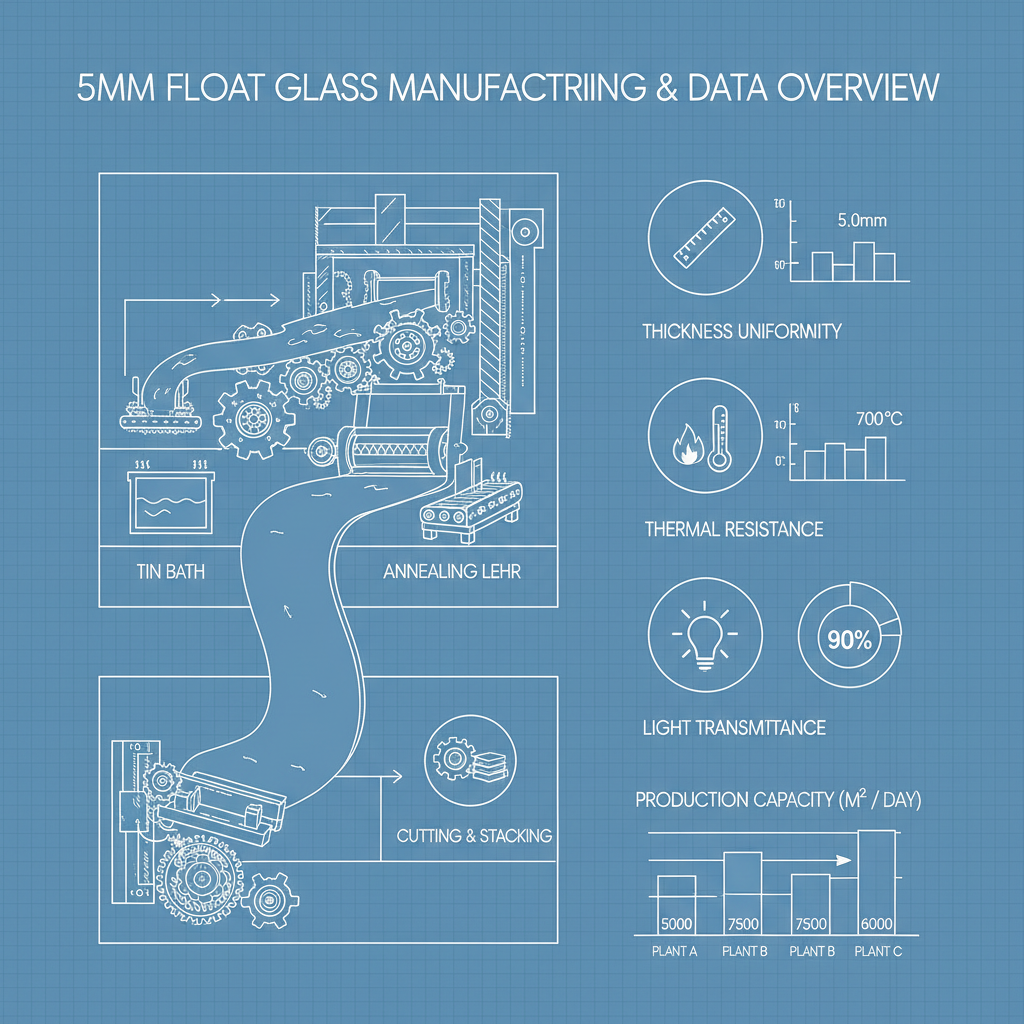
Simply put, 5mm float glass refers to a sheet of glass that is 5 millimeters thick, manufactured using the float glass process. This process involves pouring molten glass onto a bed of molten tin, resulting in a flat, uniform surface without the distortions common in older manufacturing methods.
This technique creates a glass with exceptional clarity, smoothness, and dimensional accuracy. Unlike sheet glass or plate glass, float glass isn't ground or polished, retaining its natural, pristine quality. Its connection to modern industry lies in its scalability and consistency, allowing for mass production that meets the demands of a rapidly developing world.
In humanitarian contexts, 5mm float glass provides affordable and reliable glazing for shelters, schools, and medical facilities, contributing to improved living conditions and community infrastructure. It's a vital component in creating safe, comfortable, and functional spaces.
Core Properties of 5mm Float Glass
Several key characteristics define 5mm float glass and contribute to its widespread appeal. First and foremost is its clarity. The float process minimizes imperfections, resulting in a high-transmission glass ideal for windows and displays.
Another crucial property is its thermal stability. 5mm float glass can withstand temperature fluctuations without significant distortion, making it suitable for various climates. Its durability ensures resistance to scratching and impact, although it's less robust than tempered or laminated glass.
Furthermore, 5mm float glass is relatively easy to cut, drill, and fabricate, allowing for customized solutions to fit specific project requirements. This versatility combined with its inherent chemical resistance makes it compatible with a wide range of coatings and treatments for enhanced performance.
Practical Applications of 5mm Float Glass
The applications of 5mm float glass are incredibly diverse. It’s the standard choice for single-pane windows in residential buildings, providing ample light and a clear view. It is also widely used in picture frames, mirrors, and interior partitions.
Beyond construction, 5mm float glass finds application in the automotive industry as a component in vehicle windows and windshields, though typically laminated for safety. It's also used extensively in the production of furniture, shelving, and decorative glass elements, demonstrating its adaptability.
Performance Comparison of 5mm Float Glass Manufacturing Methods
Global Applications and Use Cases
5mm float glass is utilized in construction projects worldwide. In Europe, it's common in residential windows and conservatory roofs, offering excellent insulation properties. In North America, it’s a primary material for storefronts and office building glazing.
In rapidly developing nations across Asia and Africa, 5mm float glass plays a vital role in affordable housing initiatives and infrastructure development. It’s used extensively in schools, hospitals, and commercial spaces, improving living and working environments. Its adaptability to different climates and building styles makes it a globally recognized standard.
Advantages and Long-Term Value
The advantages of using 5mm float glass extend beyond its immediate functionality. Its cost-effectiveness is a major draw, making it accessible for projects of all scales. Moreover, its recyclability contributes to sustainable building practices, reducing environmental impact.
From a long-term perspective, 5mm float glass offers durability and ease of maintenance, minimizing lifecycle costs. Its consistent quality ensures reliable performance, enhancing building safety and occupant comfort. These factors collectively contribute to a solid return on investment, making it a prudent choice for builders and developers.
Future Trends and Innovations
The future of 5mm float glass lies in advancements in coating technologies and sustainable manufacturing processes. Researchers are developing low-emissivity (Low-E) coatings that enhance energy efficiency, reducing heat transfer and lowering energy bills.
Furthermore, there’s growing interest in incorporating recycled glass cullet into the float glass production process, minimizing waste and reducing the carbon footprint. Digitalization and automation are also playing a crucial role, improving production efficiency and quality control. These innovations promise a more sustainable and high-performing future for 5mm float glass.
Summary of challenges and solutions surrounding the use of 5mm Float Glass
| Challenge |
Impact on 5mm Float Glass |
Potential Solution |
Implementation Cost (1-10) |
| Energy Consumption in Production |
High energy usage increases manufacturing costs and carbon footprint. |
Implement energy-efficient furnaces and optimize process control. |
7 |
| Glass Breakage & Safety Concerns |
5mm float glass is susceptible to breakage, posing safety hazards. |
Utilize laminated or tempered 5mm float glass for enhanced safety. |
6 |
| Transportation Costs |
Shipping glass can be expensive due to its weight and fragility. |
Optimize packaging and logistics for reduced shipping volume and damage. |
5 |
| Raw Material Sourcing |
Reliance on silica sand can lead to environmental degradation. |
Increase the use of recycled glass cullet and explore alternative raw materials. |
4 |
| Quality Control Consistency |
Maintaining uniform quality across large production volumes. |
Implement advanced sensor technologies and automated inspection systems. |
8 |
| Environmental Regulations |
Increasingly stringent regulations on emissions and waste management. |
Invest in cleaner production technologies and waste recycling programs. |
9 |
FAQS
While both are types of glass, tempered glass undergoes a heat treatment process that makes it significantly stronger and more resistant to breakage than 5mm float glass. When tempered glass does break, it shatters into small, relatively harmless pieces, whereas 5mm float glass breaks into large, sharp shards. Tempered glass is generally used in applications requiring increased safety, like shower doors and car windows, while 5mm float glass is common for windows and general glazing.
Yes, 5mm float glass is commonly used as a component in double glazing (insulated glass units – IGUs). Combining two or more panes of glass with a space in between significantly improves thermal and acoustic insulation. 5mm float glass provides a cost-effective and readily available option for these units, enhancing energy efficiency in buildings. However, the overall performance depends on the gas fill and the total thickness of the IGU.
Cutting 5mm float glass requires specialized tools and safety precautions. Always wear safety glasses and gloves. Use a glass cutter with a new blade, scoring a clean, even line. Apply gentle pressure to snap the glass along the score line. Wet the glass with cutting fluid during the process to lubricate the blade and prevent chipping. It’s crucial to practice proper technique to avoid injuries and ensure a clean cut.
The lifespan of 5mm float glass in a window can vary depending on factors such as climate, exposure to the elements, and maintenance. However, with proper installation and occasional cleaning, 5mm float glass can easily last for 20-30 years or even longer. Regular inspections can help identify any potential issues, such as seal failures or cracks, allowing for timely repairs and extending the lifespan of the window.
Yes, 5mm float glass is highly recyclable. Recycled glass, known as cullet, can be melted and reused in the production of new glass products, reducing the demand for raw materials and minimizing landfill waste. Recycling glass requires less energy than producing it from scratch, making it an environmentally friendly practice. Many recycling facilities accept glass for processing.
5mm float glass is often used in furniture for tabletops, shelves, and door panels. Its clarity and smooth surface create a modern aesthetic. It is commonly found in coffee tables, dining tables, and display cabinets. While relatively strong, it’s often paired with a supporting frame for added stability and safety. 5mm float glass can also be used to create decorative elements in furniture designs.
Conclusion
In summary, 5mm float glass is a ubiquitous and essential material in modern construction and manufacturing. Its combination of affordability, clarity, durability, and ease of processing makes it a versatile solution for a vast range of applications, from windows and doors to furniture and automotive components. Understanding its properties and applications is crucial for anyone involved in these industries.
Looking ahead, continued innovation in coating technologies, sustainable manufacturing practices, and recycling initiatives will further enhance the value and environmental responsibility of 5mm float glass. For all your 5mm float glass needs, visit our website at TP Top Glass to explore our extensive product range and expert services.