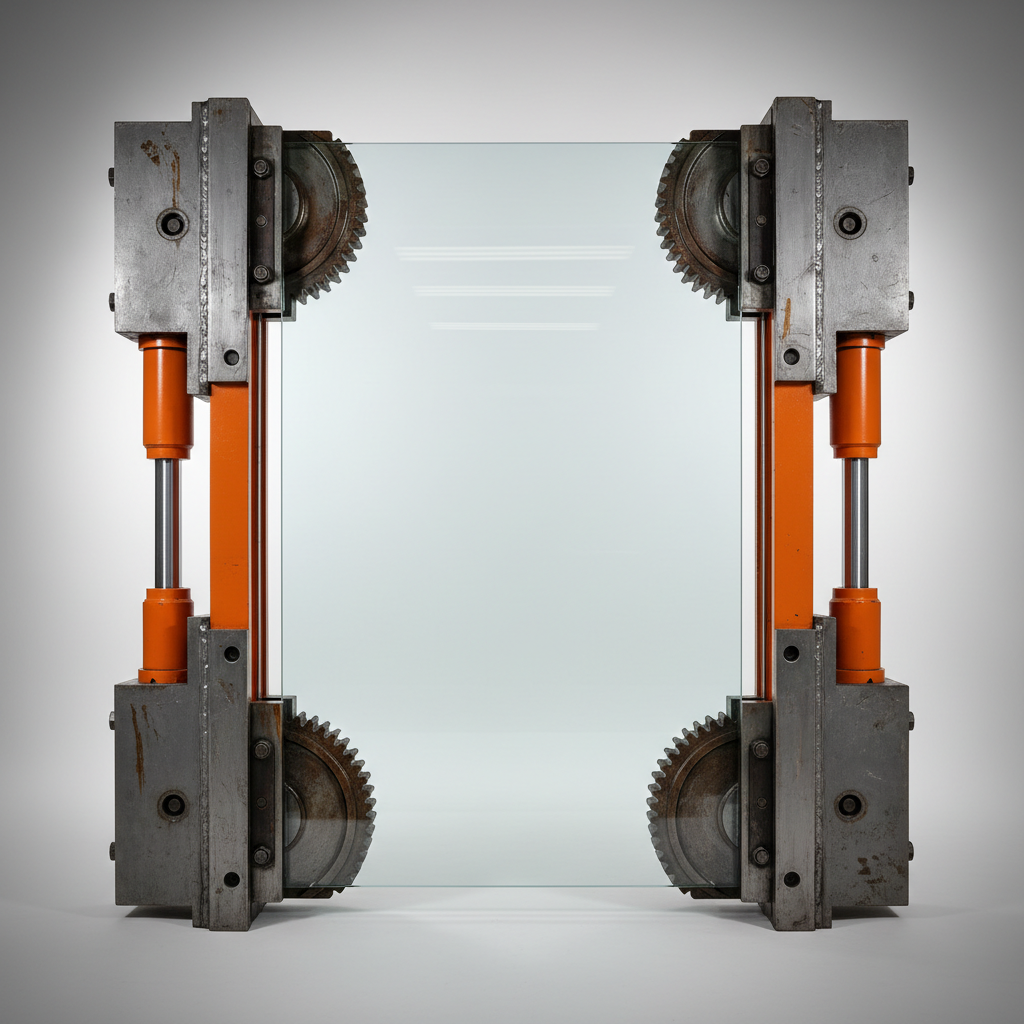
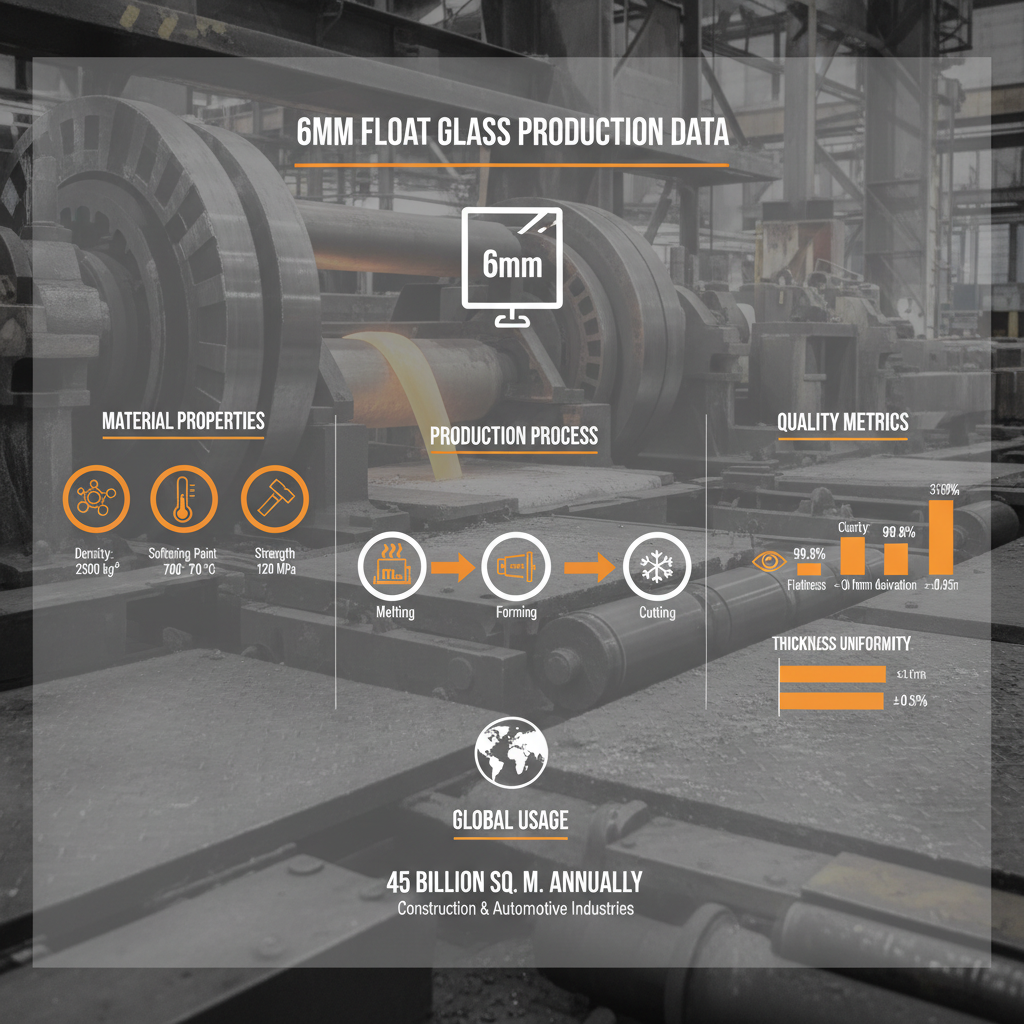
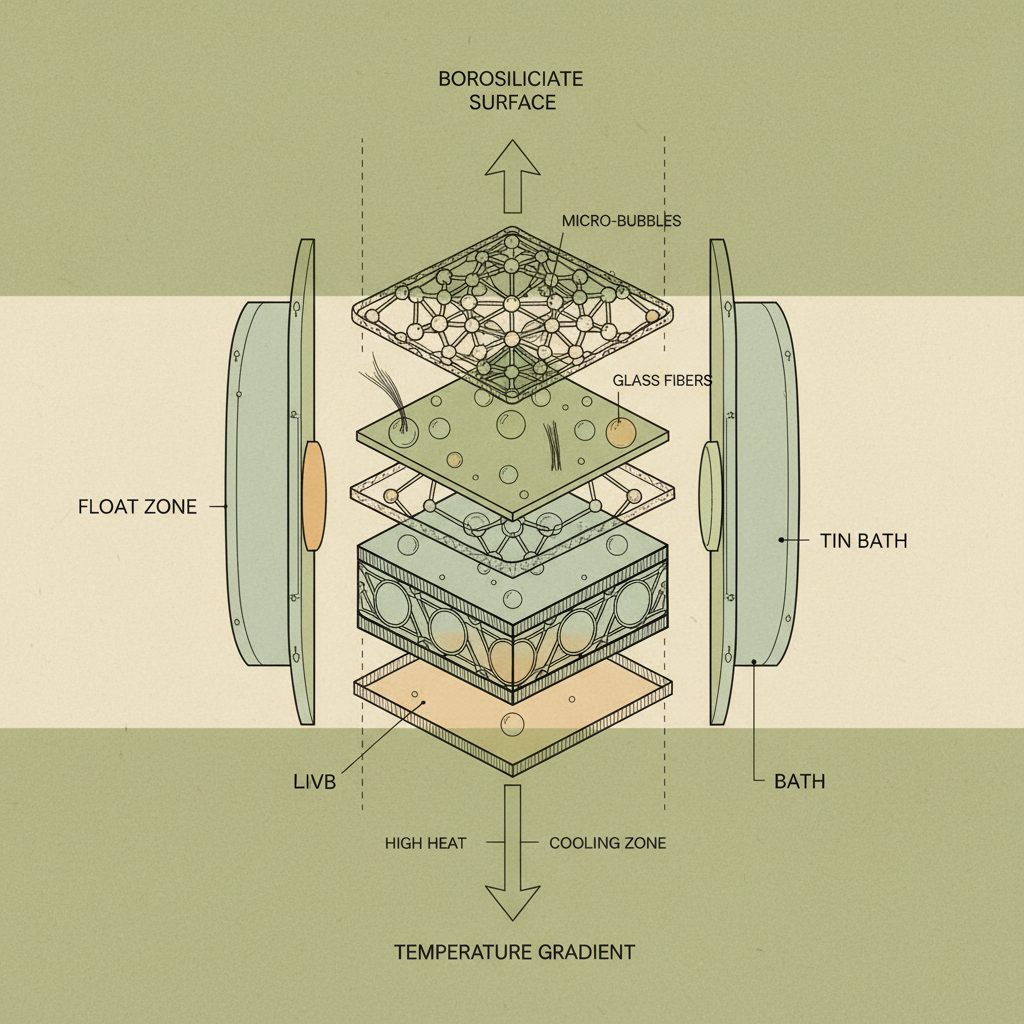
6mm float glass is a versatile material integral to modern construction, automotive industries, and everyday life. Its precise manufacturing process, involving the floating of molten glass on a bed of molten tin, yields a remarkably flat and uniform surface. This consistent quality makes it ideal for applications requiring clarity and minimal distortion, contributing significantly to energy efficiency in buildings and safety in vehicles. Understanding its properties and applications is crucial for architects, engineers, and manufacturers globally.
The global demand for 6mm float glass continues to rise, driven by urbanization and infrastructure development, particularly in emerging economies. According to the UN, the world’s urban population is projected to nearly double by 2050, increasing the need for modern buildings and transparent facades. ISO standards dictate stringent quality controls in its production, ensuring consistent performance and safety across various applications.
A key challenge addressed by readily available 6mm float glass is the balance between cost-effectiveness and performance in construction projects. It provides a readily available, affordable solution compared to specialized glass types, enabling wider accessibility to quality glazing in residential and commercial buildings. This accessibility is vital for improving living standards and creating sustainable urban environments.
Introduction to 6mm Float Glass
6mm float glass stands as a cornerstone material in countless applications, from windows and doors to furniture and automotive windshields. Its consistent thickness and smooth surface make it a preferred choice for projects demanding precision and clarity. The manufacturing process itself, perfected over decades, allows for efficient large-scale production, contributing to its widespread availability.
The significance of 6mm float glass extends beyond its physical properties. It’s a vital component in energy-efficient building designs, reducing heat transfer and lowering energy consumption. Furthermore, it plays a crucial role in safety applications, providing a durable and shatter-resistant barrier in both residential and commercial settings. Its contribution to modern living is undeniable.
Defining 6mm Float Glass
6mm float glass refers to a type of flat glass manufactured through the float glass process. This process involves pouring molten glass onto a bed of molten tin, creating a perfectly smooth and uniform surface. The '6mm' designates the thickness of the glass, a standard dimension commonly used in various construction and industrial applications.
Unlike traditional glassmaking methods, the float process eliminates the need for grinding and polishing, resulting in a consistent thickness and optical quality. This consistency is critical for applications like architectural glazing and automotive windshields where minimal distortion is paramount. It’s a fundamental component in providing clear visibility and structural integrity.
The connection to modern industry lies in its scalability and efficiency. The float process allows for continuous production, making 6mm float glass readily available to meet the demands of large-scale construction projects and manufacturing processes globally. It represents a significant advancement in glass technology, enabling innovative designs and improved performance.
Core Properties of 6mm Float Glass
One of the key properties of 6mm float glass is its exceptional clarity. Due to the precise manufacturing process, it offers minimal distortion, providing excellent visibility. This clarity is essential for applications where visual acuity is important, such as windows, display cases, and optical instruments. Its neutrality in color also contributes to accurate color transmission.
Durability is another significant attribute. While not shatterproof, 6mm float glass offers a good level of resistance to impact and scratching. This makes it suitable for applications where some degree of protection is required, like shelving, tabletops, and interior glazing. Tempering or laminating 6mm float glass further enhances its strength and safety.
6mm float glass also boasts excellent thermal insulation properties, reducing heat transfer and contributing to energy efficiency in buildings. This is particularly important in climates with extreme temperatures. Its smooth surface also makes it easy to clean and maintain, reducing long-term upkeep costs.
Practical Applications of 6mm Float Glass
6mm float glass finds extensive use in residential windows and doors, providing both natural light and thermal insulation. It’s a common choice for single-pane glazing, and also serves as a base material for creating double-glazed units with enhanced energy efficiency. Its affordability and ease of installation make it popular among homeowners and builders.
In the commercial sector, 6mm float glass is widely used in office buildings, storefronts, and display cases. Its clarity and smooth surface enhance the aesthetic appeal of these spaces, while its durability ensures long-lasting performance. It is often combined with other glass treatments, such as coatings, to further optimize its performance characteristics.
6mm Float Glass Performance Characteristics
Global Use Cases of 6mm Float Glass
In rapidly urbanizing regions of Asia, such as China and India, 6mm float glass is extensively used in the construction of high-rise buildings and modern residential complexes. The demand is fueled by the need for efficient and aesthetically pleasing glazing solutions. These regions represent significant growth markets for float glass manufacturers.
Across Europe, stringent energy efficiency regulations drive the demand for high-performance glazing, including double-glazed units incorporating 6mm float glass. The focus is on reducing heat loss and improving the thermal comfort of buildings, aligning with sustainability goals.
Advantages & Long-Term Value
The cost-effectiveness of 6mm float glass is a major advantage, making it accessible for a wide range of projects. Compared to specialized glass types, it offers a significant price benefit without compromising on essential performance characteristics. This affordability contributes to lower overall construction costs.
From a sustainability perspective, 6mm float glass contributes to energy efficiency in buildings, reducing the need for artificial lighting and heating/cooling systems. This translates to lower carbon emissions and a reduced environmental footprint. Its durability also extends the lifespan of glazing, minimizing the need for replacements.
Beyond the practical benefits, 6mm float glass enhances the aesthetic appeal of buildings, creating brighter and more inviting spaces. The sense of openness and connection to the outdoors contributes to the well-being of occupants, fostering a more positive and productive environment.
Future Trends & Innovations
Ongoing research and development are focused on enhancing the performance of 6mm float glass through advanced coatings. These coatings can improve thermal insulation, reduce glare, and provide UV protection, further expanding its applications. Smart glass technologies, incorporating electrochromic or thermochromic properties, are also being integrated with float glass.
The rise of automation in glass manufacturing is increasing production efficiency and reducing costs. Robotics and advanced control systems are enabling more precise and consistent quality control. This automation is also facilitating the production of more complex and customized glass products.
Furthermore, there's a growing emphasis on sustainable glass manufacturing processes, including the use of recycled glass cullet and renewable energy sources. These initiatives aim to reduce the environmental impact of glass production and promote a circular economy.
Challenges & Solutions
One challenge associated with 6mm float glass is its susceptibility to breakage compared to tempered or laminated glass. While durable for many applications, it’s not ideal for areas requiring high impact resistance. A solution lies in utilizing safety glass variants like tempered or laminated 6mm float glass which significantly improves its strength and safety.
Transporting 6mm float glass over long distances can be costly and prone to damage. Optimizing packaging and logistics, and exploring regional manufacturing hubs, can mitigate these challenges. Implementing careful handling procedures throughout the supply chain is also crucial.
Maintaining consistent quality across different manufacturers is another challenge. Adhering to strict international standards like ISO 9001 and implementing rigorous quality control measures at all stages of production can ensure consistent performance and reliability.
Summary of 6mm Float Glass Quality Control Parameters
| Parameter Category |
Testing Method |
Acceptable Range |
Impact on Performance |
| Dimensional Accuracy |
Precision Measurement |
+/- 1mm |
Proper fit and installation |
| Optical Clarity |
Visual Inspection & Light Transmission Test |
>90% Light Transmission |
Clear visibility and brightness |
| Surface Defects |
Visual Inspection |
No scratches, bubbles, or inclusions |
Aesthetic appeal and structural integrity |
| Thermal Resistance |
Thermal Shock Test |
Withstand temperature changes of 50°C |
Prevent cracking and breakage |
| Chemical Resistance |
Exposure to cleaning agents |
No visible etching or discoloration |
Easy maintenance and longevity |
| Edge Quality |
Visual Inspection |
Smooth, without chips or cracks |
Safe handling and installation |
FAQS
6mm float glass is commonly used for windows and interior doors in home construction. Its clarity and affordability make it ideal for letting light in while maintaining a degree of thermal insulation. It's also a base for creating double-pane windows for improved energy efficiency. It’s also frequently found in shower doors and furniture glazing due to its smooth surface and ease of cleaning. Ensuring proper installation techniques is crucial for optimal performance and safety in residential applications.
While 6mm float glass offers a reasonable level of durability, it's less resistant to impact than thicker glass, like 10mm or 12mm. If safety is a primary concern, especially in areas prone to accidental impact, tempered or laminated 6mm float glass is recommended. Tempered glass breaks into small, relatively harmless pieces, while laminated glass holds together even when broken, reducing the risk of injury. Always consider local building codes and safety regulations when selecting glass.
The cost of 6mm float glass varies depending on the supplier, quantity purchased, and any additional treatments applied (like coatings). However, a typical cost range is between $15 and $30 per square meter. It’s best to obtain quotes from multiple suppliers to ensure you’re getting a competitive price. Factor in delivery charges and any installation costs when calculating the overall project budget.
Yes, 6mm float glass can be cut and customized on-site with the proper tools and expertise. However, it's crucial to use specialized glass cutting equipment and follow safety precautions. Improper cutting can lead to breakage and injury. For complex shapes or large quantities, it's often more efficient and accurate to have the glass cut to size by a professional glass fabricator before delivery to the job site.
The manufacturing of 6mm float glass is energy-intensive and can generate emissions. However, efforts are being made to reduce its environmental impact through the use of recycled glass cullet, improved energy efficiency in furnaces, and the adoption of renewable energy sources. Choosing suppliers committed to sustainable manufacturing practices can minimize the environmental footprint of your project. The increasing use of low-E coatings on the glass also helps reduce energy consumption in buildings.
6mm float glass is relatively easy to maintain. Regular cleaning with mild soap and water is usually sufficient to remove dirt and grime. Avoid using abrasive cleaners or scouring pads, as they can scratch the surface. For stubborn stains, a glass cleaner specifically designed for windows and glass surfaces can be used. Inspect the glass periodically for any signs of damage or deterioration and address any issues promptly to prevent further problems.
Conclusion
6mm float glass remains a foundational material in modern construction and various industrial applications. Its combination of clarity, durability, cost-effectiveness, and versatility makes it an indispensable component in countless projects worldwide. Its continued relevance is assured by ongoing innovations in glass technology, focused on improving its performance and sustainability.
Looking ahead, embracing advancements in coatings, manufacturing processes, and sustainable practices will be crucial for maximizing the benefits of 6mm float glass. Continued research and development will further unlock its potential, enabling its use in even more innovative and environmentally responsible applications. For all your 6mm float glass needs, visit our website at TPTopGlass.