


19mm float glass stands as a cornerstone material in modern construction and numerous industrial applications. Its unique combination of clarity, strength, and versatility makes it a preferred choice globally, offering solutions ranging from architectural glazing to advanced technological components. Understanding the properties and potential of 19mm float glass is crucial for architects, engineers, manufacturers, and anyone involved in building and innovation.
The global demand for 19mm float glass is consistently high, driven by urbanization, infrastructure development, and the increasing need for energy-efficient building materials. According to reports from the World Glass Association, the float glass market continues to experience steady growth, with significant contributions from emerging economies. This demand highlights the importance of sustainable production methods and innovative applications of 19mm float glass to meet evolving industry needs.
Beyond its structural applications, 19mm float glass plays a vital role in enhancing safety and comfort. Its ability to withstand considerable impact and provide thermal insulation makes it ideal for creating secure and energy-efficient environments. As the world faces increasing challenges related to climate change and natural disasters, the significance of robust and reliable building materials like 19mm float glass becomes even more pronounced.

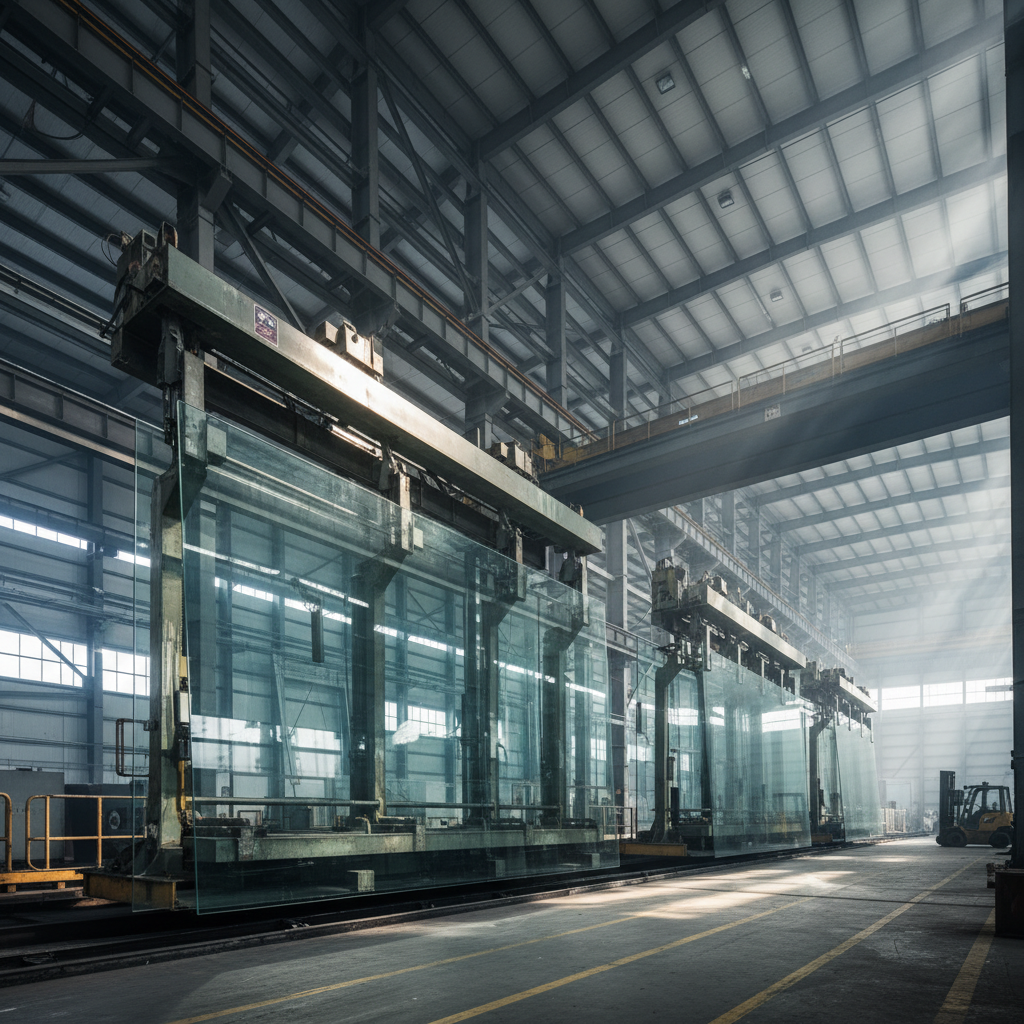
19mm float glass is a premium glass thickness widely used in applications demanding enhanced strength and sound insulation. This thickness provides a superior level of structural integrity compared to thinner float glass options. Its robust nature makes it ideal for demanding environments.
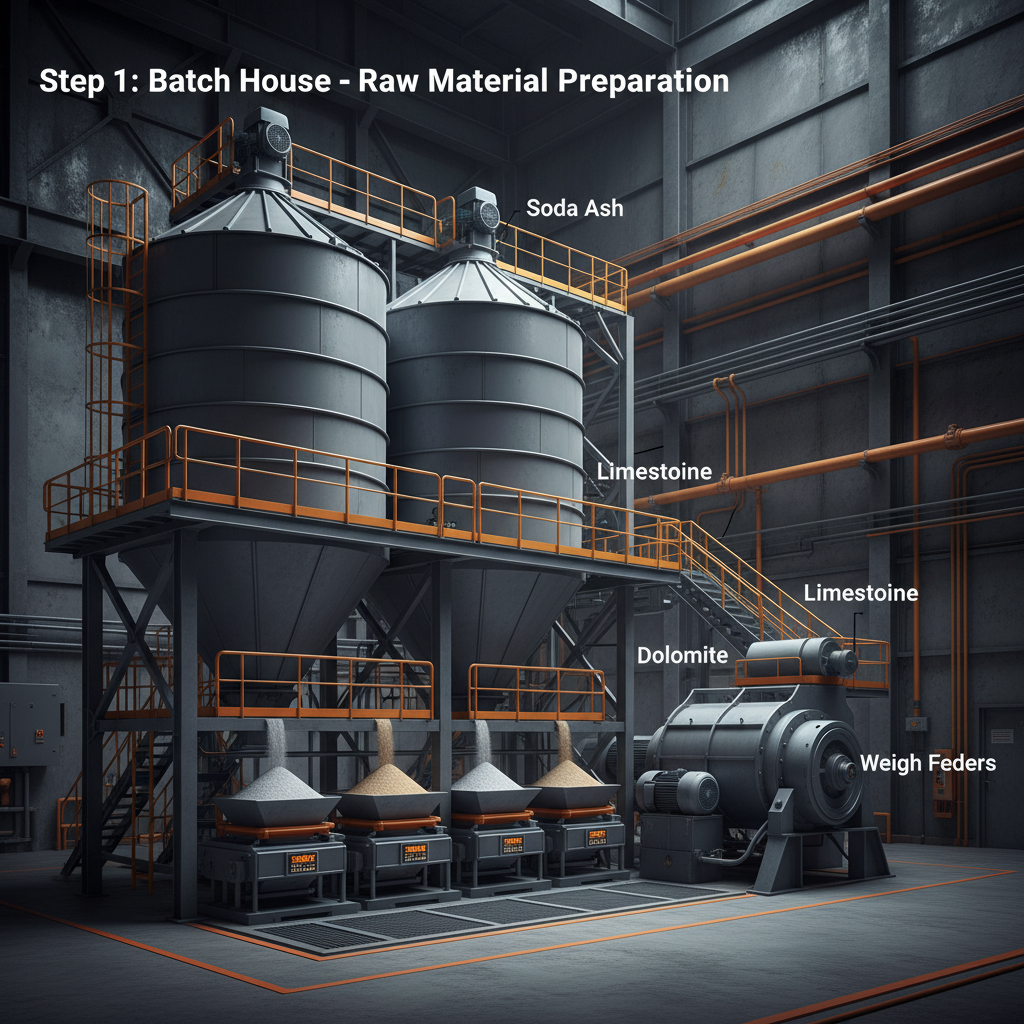
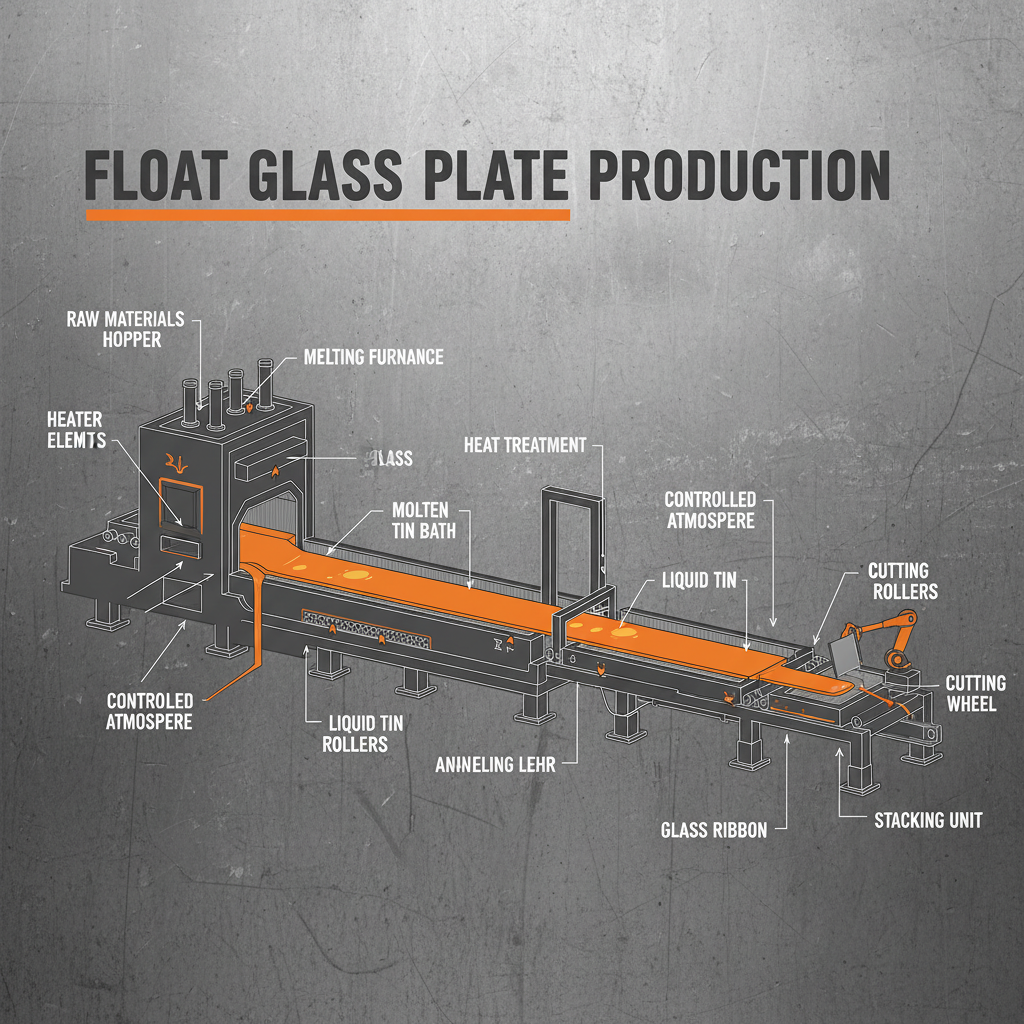
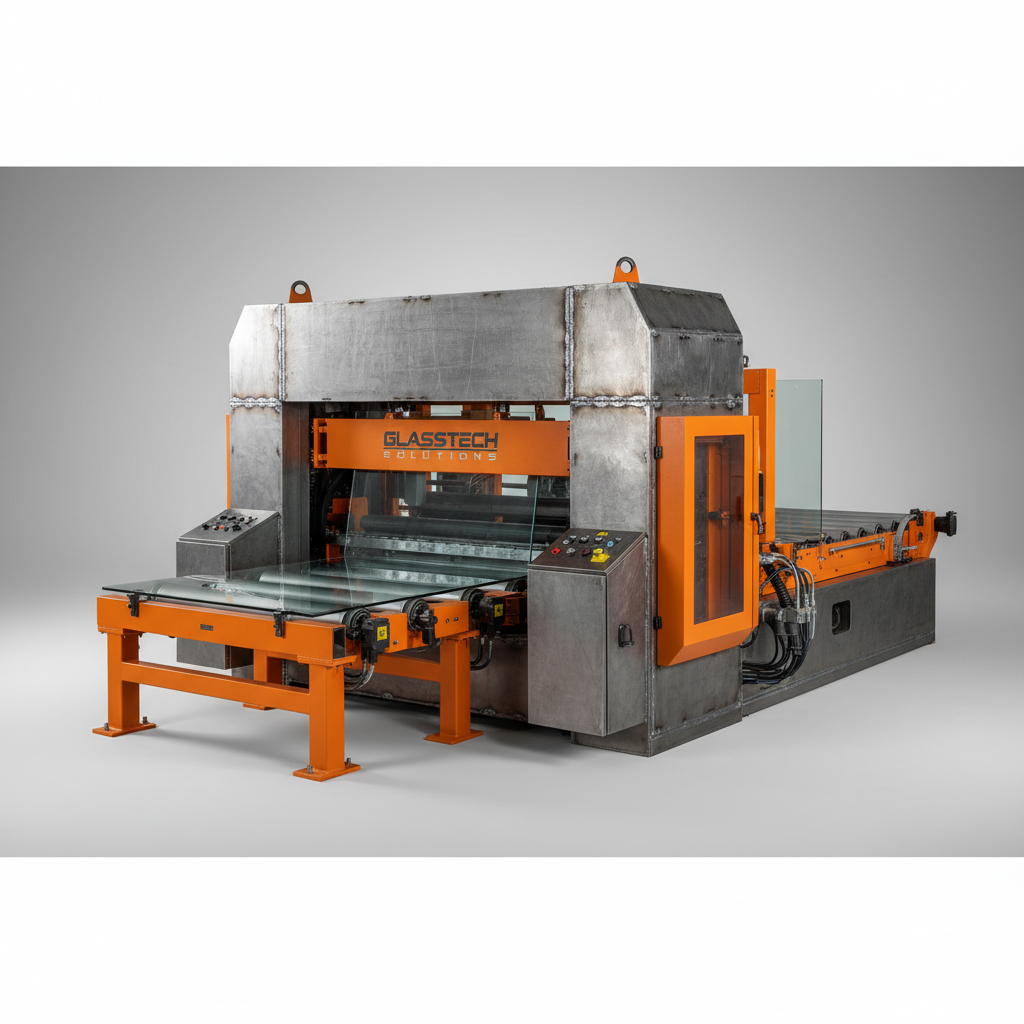
The production of 19mm float glass involves a carefully controlled process, resulting in a smooth, flat surface with consistent thickness. This precision ensures optimal optical clarity and minimal distortion, making it suitable for both aesthetic and functional applications. It is a versatile material often used in areas where safety and security are paramount.
While both 19mm float glass and laminated glass offer enhanced safety, they differ in their construction. 19mm float glass is a single, thicker sheet, providing impact resistance through its density. Laminated glass, however, consists of two or more glass layers bonded together with an interlayer, preventing shattering and maintaining structural integrity even when broken. Laminated glass provides superior safety, but 19mm float glass often offers a cost-effective solution where extreme safety isn’t a primary concern.
19mm float glass is relatively resistant to corrosion, but prolonged exposure to salt air can lead to surface etching and reduced clarity. For coastal regions, it's recommended to use low-iron float glass with specialized coatings that provide enhanced resistance to salt corrosion. Regular cleaning and maintenance are also crucial to prevent long-term damage.
The maximum size of 19mm float glass sheets typically varies depending on the manufacturer, but standard dimensions are generally around 3210mm x 2250mm. Larger sizes are often available upon request, but may require specialized handling and transportation. It’s best to check with your glass supplier for specific availability.
The 19mm thickness provides a greater thermal barrier, reducing heat transfer through windows and glazing. When combined with low-E coatings and gas fills, the energy performance can be significantly enhanced. This results in lower heating and cooling costs, reduced carbon emissions, and a more comfortable indoor environment. It also impacts the overall building's U-value, reducing its energy loss.
19mm float glass is utilized in vehicle manufacturing, particularly for side and rear windows, and sometimes as a component within laminated windshields for increased protection. It’s valued for its ability to withstand impacts from road debris and offer enhanced passenger safety. Additionally, its clarity provides excellent visibility for drivers.
Tempering 19mm float glass dramatically increases its strength – approximately four to five times greater than standard float glass. Tempering involves heating the glass to a high temperature and then rapidly cooling it, creating compressive stresses on the surface. When tempered, if the glass does break, it shatters into small, relatively harmless pieces, reducing the risk of injury.
In conclusion, 19mm float glass represents a vital material in modern construction and various industrial applications. Its combination of strength, durability, sound insulation, and thermal efficiency makes it a preferred choice for projects demanding high performance and safety. Understanding its properties and applications is essential for professionals across numerous sectors.
Looking ahead, continued innovation in glass technology promises even more advanced solutions utilizing 19mm float glass. The integration of smart coatings, sustainable manufacturing practices, and digital design tools will further enhance its value and contribute to a more resilient and environmentally responsible built environment. Visit our website at TPTopGlass to explore our range of 19mm float glass products and solutions.


Shahe City economic Development Zone 32,hebei,P.R .China.

+8618686009698
+8613191439158

eoch@shtopglass.com
jason@shtopglass.com