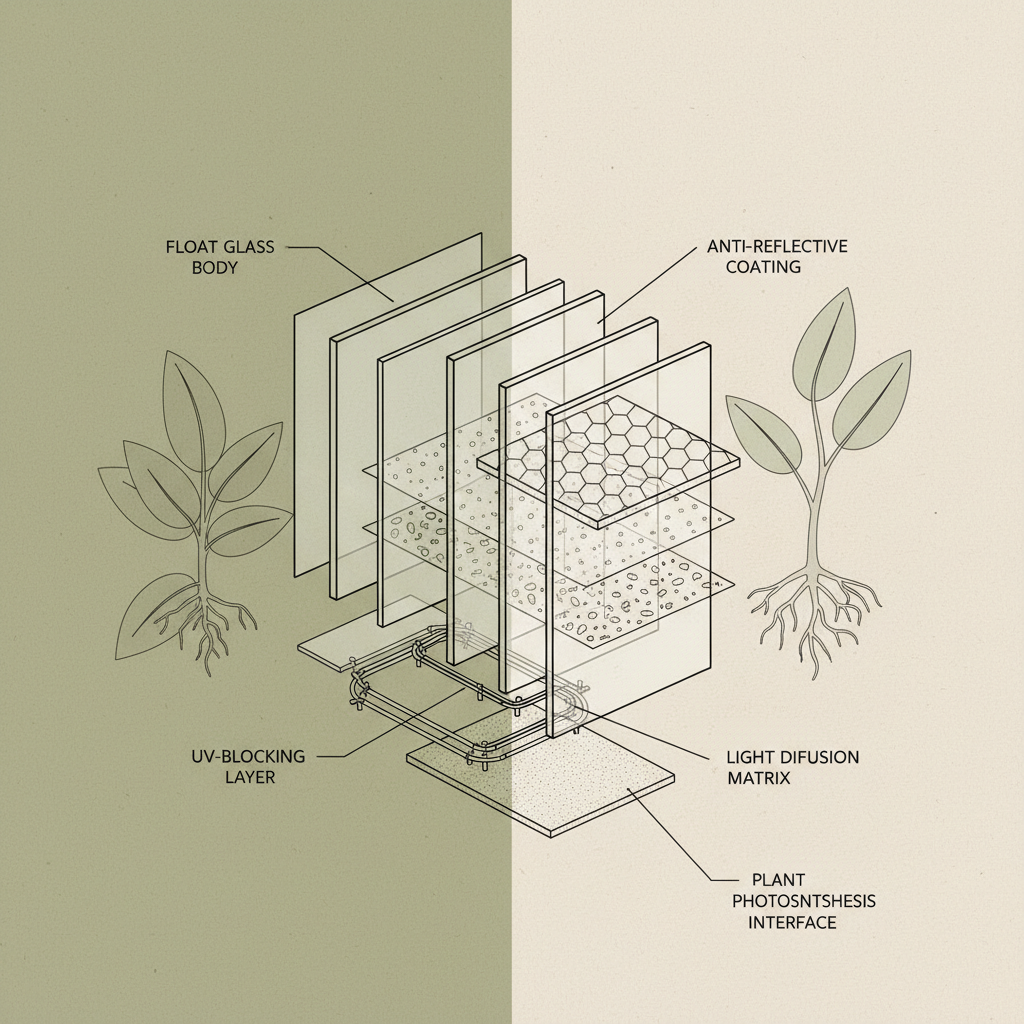
Float window glass, a cornerstone of modern architecture and countless industrial applications, has revolutionized how we design and construct our world. Its consistent quality, exceptional clarity, and versatility have made it an indispensable material across the globe. Understanding the intricacies of its production and diverse applications is crucial for professionals in construction, automotive, renewable energy, and beyond. This exploration will delve into the core principles of float window glass, its benefits, future innovations, and practical considerations for its implementation.
The global demand for float window glass is intrinsically linked to economic growth, urbanization, and advancements in building technologies. According to the UN, over half the world’s population now lives in urban areas, driving a surge in construction activities. The World Bank estimates that infrastructure investment will reach trillions of dollars in the coming decades, much of which will rely on high-performance materials like float glass. However, challenges persist in ensuring sustainable production, reducing environmental impact, and maintaining consistent quality standards globally.
Float window glass addresses these challenges by offering a scalable, cost-effective, and environmentally responsible solution for a wide range of applications. From energy-efficient windows in skyscrapers to robust solar panels and high-tech display screens, float glass plays a pivotal role in shaping a more sustainable and technologically advanced future. Its inherent properties allow for further processing – tempering, laminating, coating – to tailor performance characteristics to specific needs, making it a uniquely adaptable material.
The Fundamentals of Float Window Glass
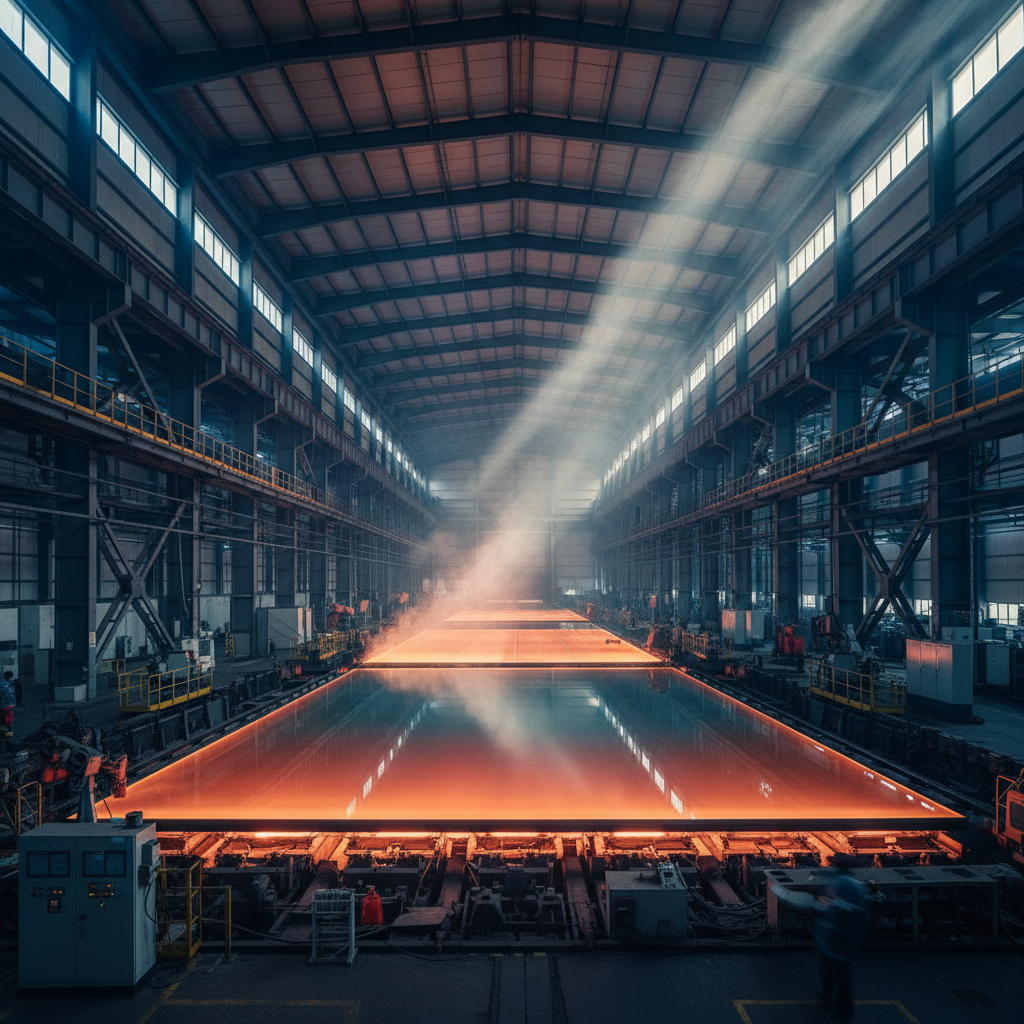
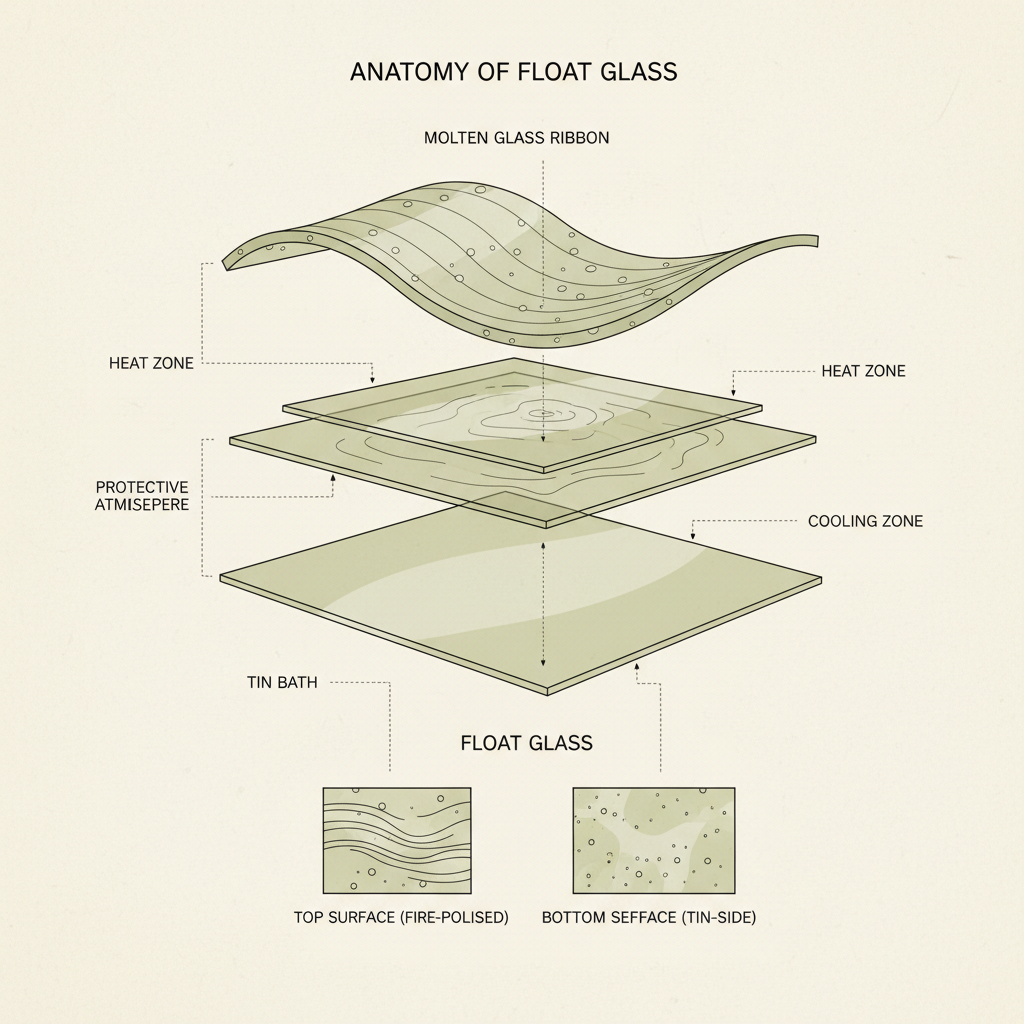
The float glass process, invented by Pilkington in the 1950s, fundamentally changed glass manufacturing. Before this, flat glass was made using methods that resulted in imperfections and distortions. The float process involves pouring molten glass onto a bed of molten tin, creating a perfectly flat and uniform surface. This technique dramatically improved the quality and affordability of flat glass, paving the way for its widespread adoption.
This revolutionary method isn’t just about flatness; it’s about inherent optical quality. The absence of distortion leads to clearer vision through windows and superior performance in applications like display screens. The process also allows for precise control over glass thickness and dimensions, facilitating customization for various architectural and industrial needs. The consistent quality of float window glass is paramount to its success.
Defining Float Window Glass: A Modern Necessity
Float window glass is a type of flat glass manufactured using the float process, as described above. It's characterized by its exceptional flatness, clarity, and smooth surfaces. Unlike traditional methods that produce glass with varying thicknesses and imperfections, the float process yields a consistent, high-quality product suitable for a vast array of applications. This consistency translates directly into improved performance and reliability in end-use products.
The connection to modern industry is undeniable. The automotive industry relies heavily on float glass for windshields and windows, requiring exceptional optical clarity and impact resistance. The construction industry utilizes it for windows, facades, and interior applications, benefiting from its energy-efficient properties and aesthetic appeal. Furthermore, the burgeoning field of renewable energy depends on float glass as a crucial component in solar panels, maximizing light transmission and efficiency.
In humanitarian contexts, float window glass can provide durable and safe glazing for emergency shelters and healthcare facilities. Its inherent strength and weather resistance make it a suitable material for challenging environments, contributing to the well-being of communities in need. Its accessibility and relatively low cost, compared to specialized glass types, make it a practical choice for addressing urgent needs.
Core Components and Key Factors
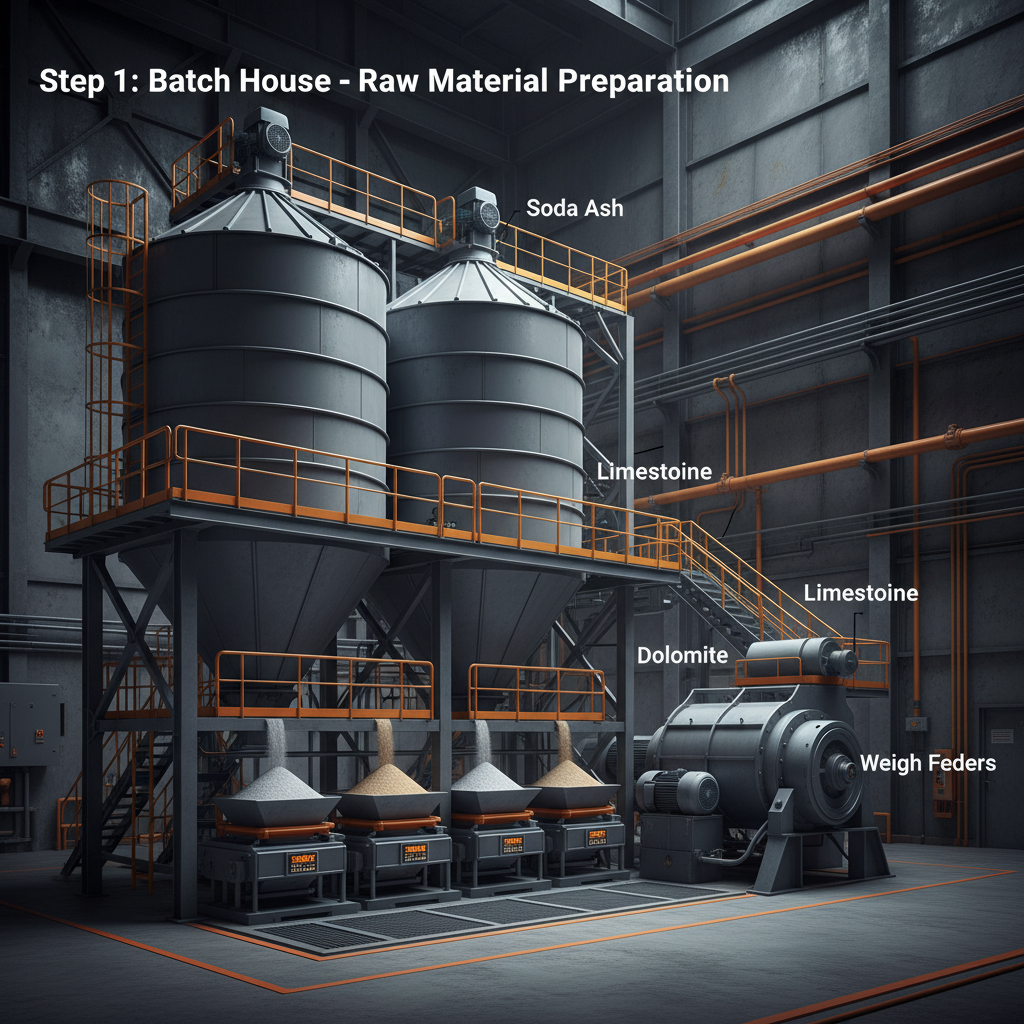
Several key factors contribute to the superior performance of float window glass. Optical Clarity is paramount, ensuring minimal distortion and maximizing light transmission. This is achieved through the precise control of the float process and the careful selection of raw materials. The resulting glass offers a pristine view and optimal performance in display applications.
Durability is another critical attribute. The uniform structure of float glass makes it resistant to scratching, chipping, and impact. Further treatments, such as tempering and laminating, can enhance its strength and safety characteristics, making it suitable for demanding applications.
Thermal Performance is increasingly important, driving demand for low-E coatings that minimize heat transfer. These coatings, applied to the glass surface, reduce energy consumption and improve the comfort of buildings. The base float glass provides an excellent substrate for these performance-enhancing treatments. Dimensional Stability ensures consistent sizing, vital for precision fabrication and installation, and Cost-Effectiveness makes it widely accessible.
Global Applications and Versatile Use Cases
Float window glass finds applications across a diverse spectrum of industries. In architecture, it’s used for windows, curtain walls, skylights, and interior partitions, offering aesthetic appeal, natural light, and energy efficiency. In the automotive industry, it’s essential for windshields, side windows, and rear windows, providing safety, visibility, and structural integrity.
The renewable energy sector utilizes float glass extensively in solar panels, maximizing light absorption and protecting the photovoltaic cells. The electronics industry relies on it for display screens in televisions, smartphones, and computers, demanding exceptional clarity and flatness. In post-disaster relief operations, float window glass can be rapidly deployed for temporary shelters and healthcare facilities, providing essential protection from the elements.
Furthermore, float glass is integral to the furniture industry, providing tabletops, shelving, and decorative elements. In remote industrial zones, its durability and resistance to corrosion make it ideal for protective glazing in machinery and equipment. The widespread availability of float window glass ensures its use in both developed and developing countries.
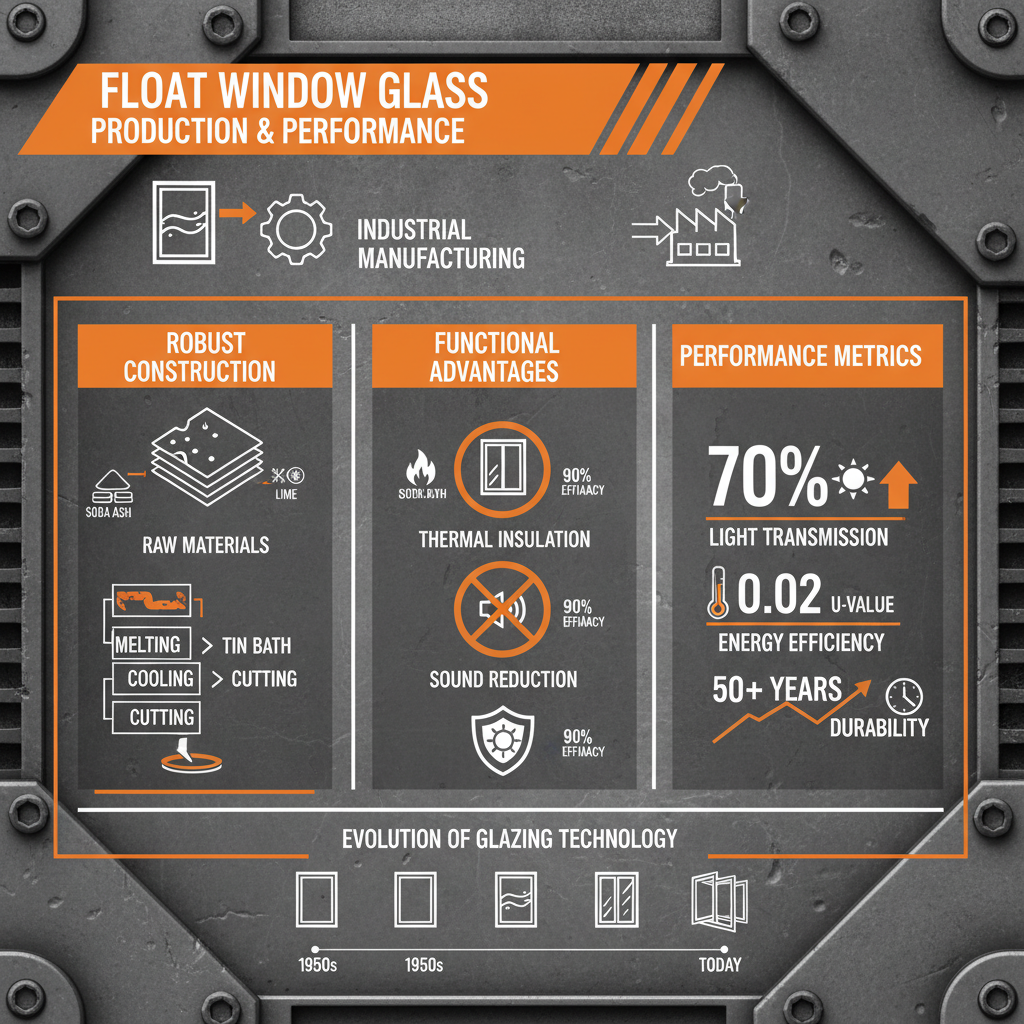
Float Window Glass Performance Metrics
Advantages and Long-Term Value Proposition
The advantages of utilizing float window glass extend far beyond its initial cost. Its durability translates into reduced maintenance and replacement costs over the lifespan of a building or product. Its energy-efficient properties contribute to lower utility bills and a reduced carbon footprint, aligning with sustainability goals.
From a social impact perspective, float glass provides safe and comfortable living and working environments, improving the quality of life for occupants. Its contribution to natural lighting enhances well-being and productivity. The inherent trust in the reliability and performance of float window glass builds confidence in the products and structures it comprises.
Future Trends and Innovation Pathways
The future of float window glass is intertwined with advancements in materials science and sustainable technologies. Research is underway to develop thinner, lighter, and more energy-efficient glass compositions. Self-cleaning coatings and dynamic glazing that adjusts light transmission based on environmental conditions are gaining traction.
Integration with smart building technologies – sensors, automation, and digital controls – will further enhance the functionality and performance of float glass. The incorporation of recycled materials and the development of closed-loop manufacturing processes will address environmental concerns and promote circular economy principles.
Challenges and Emerging Solutions
Despite its numerous advantages, float window glass production faces challenges related to energy consumption and raw material sourcing. The high temperatures required for the float process contribute to carbon emissions, and the extraction of silica sand can have environmental impacts.
Emerging solutions include utilizing alternative energy sources to power the float process, developing innovative glass compositions that require lower melting temperatures, and exploring the use of recycled glass cullet as a raw material. Investing in research and development to optimize manufacturing processes and minimize waste is crucial.
Addressing these challenges will ensure the long-term sustainability and responsible production of this vital material. The industry is increasingly focused on developing environmentally friendly practices and minimizing its impact on the planet.
Summary of Challenges and Solutions for Float Window Glass Production
| Challenge Area |
Specific Problem |
Proposed Solution |
Implementation Feasibility (1-10) |
| Energy Consumption |
High energy demand for melting process |
Switch to renewable energy sources |
7 |
| Raw Material Sourcing |
Environmental impact of silica sand extraction |
Increase use of recycled glass cullet |
8 |
| Carbon Emissions |
CO2 released during the float process |
Implement carbon capture technologies |
5 |
| Waste Management |
Glass scrap and offcuts |
Develop closed-loop recycling systems |
9 |
| Glass Composition |
Energy Intensive Melting Temperatures |
Research alternative glass formulations |
6 |
| Transportation |
Carbon footprint of glass transportation |
Localize production facilities |
7 |
FAQS
Float window glass is distinguished by its superior flatness, clarity, and consistency, achieved through the float process where molten glass is floated on molten tin. Traditional methods involved hand grinding and polishing, resulting in imperfections and distortions. This difference translates to improved optical quality, reduced distortion, and enhanced performance in applications requiring precise dimensions and surface smoothness, making it a more reliable and aesthetically pleasing material.
In construction, float window glass is widely used for windows, facades, curtain walls, skylights, interior partitions, and doors. Its versatility allows for various treatments like tempering, laminating, and coating to enhance its strength, safety, and energy efficiency. It’s chosen for its ability to provide natural light, insulation, and aesthetic appeal, contributing to comfortable and sustainable building designs.
Yes, float window glass is highly recyclable! It's typically recycled as cullet – broken or waste glass – which can be melted down and reused in the production of new glass products. This reduces the demand for raw materials like silica sand and lowers energy consumption. Recycling float glass is an environmentally friendly practice that supports a circular economy.
Low-E (low emissivity) coating is a transparent metallic oxide layer applied to float window glass. It minimizes the amount of infrared and ultraviolet light that passes through, reducing heat transfer. This results in improved energy efficiency by keeping buildings warmer in winter and cooler in summer, lowering energy bills, and reducing carbon emissions. It also helps protect interiors from fading.
The thickness of float window glass directly impacts its strength, insulation, and soundproofing capabilities. Thicker glass provides greater structural integrity, making it more resistant to impact and breakage. It also offers better thermal insulation, reducing heat transfer, and improved sound absorption, minimizing noise transmission. The optimal thickness depends on the specific application and performance requirements.
Emerging innovations include self-cleaning coatings, dynamic glazing (adjusting light transmission), switchable privacy glass, and integrating sensors for smart building applications. Researchers are also developing thinner and lighter glass compositions, exploring alternative raw materials, and optimizing manufacturing processes to reduce energy consumption and environmental impact. These advancements promise to further enhance the performance and sustainability of float window glass.
Conclusion
In conclusion, float window glass stands as a testament to human ingenuity, transforming the landscape of architecture, industry, and daily life. Its unique manufacturing process and inherent properties deliver unparalleled flatness, clarity, and versatility, making it an indispensable material for countless applications. From energy-efficient buildings to cutting-edge technologies, float glass continues to shape a more sustainable and innovative future.
Looking ahead, continued investment in research and development will be crucial for addressing the challenges of energy consumption and raw material sourcing. Embracing circular economy principles, such as increased recycling and the use of alternative materials, will ensure the long-term sustainability of this vital resource. Visit our website at www.tptopglass.com to learn more about our commitment to delivering high-quality float window glass solutions.