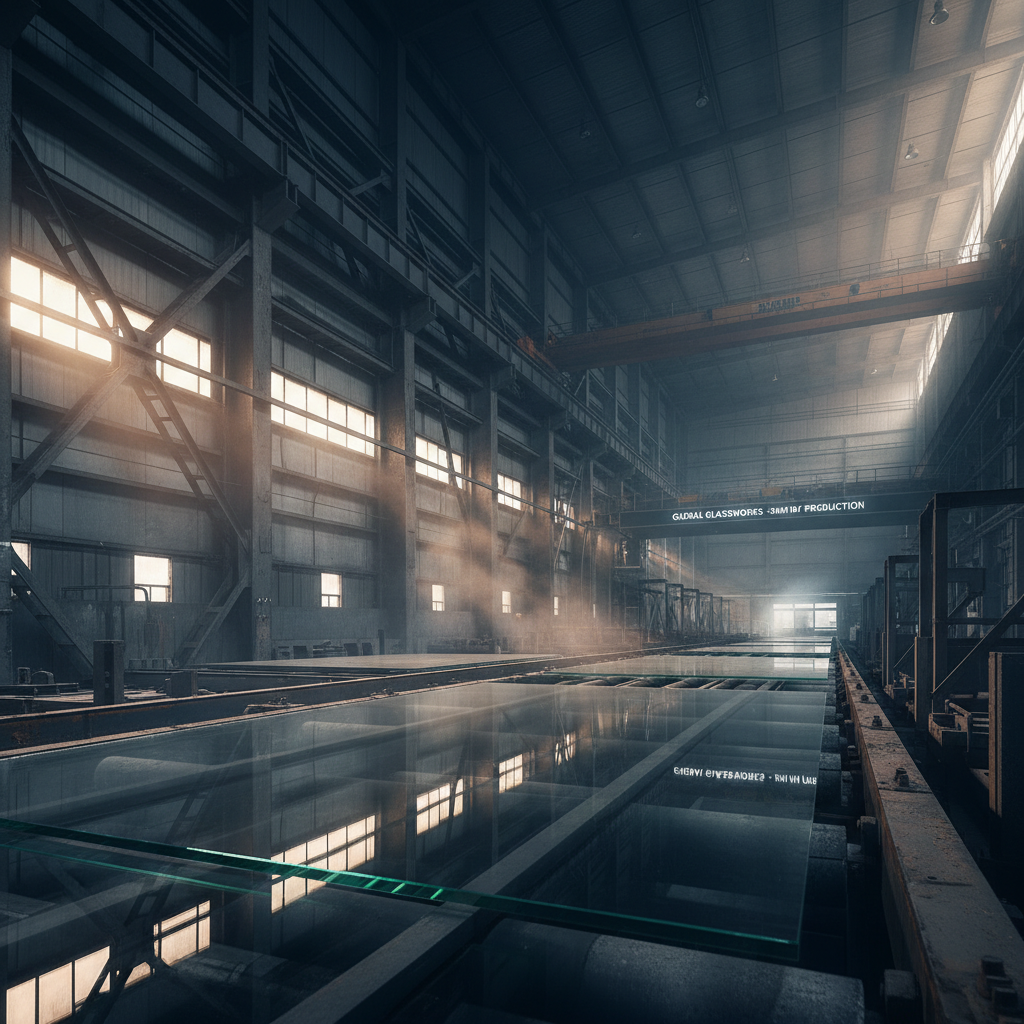



To be honest, the whole industry is buzzing about these new low-iron float glass panels. Everyone's chasing higher light transmittance, you know? Seems like yesterday we were happy with just getting a flat sheet of glass, now it's all about squeezing out every last lumen. It’s a bit of a rabbit hole, really. I saw a new production line at a factory in Shandong last month, completely automated, spitting out these things like pancakes.
Have you noticed how often people underestimate the importance of edge strength? It sounds simple, right? Just cut the glass cleanly. But I’ve seen so many projects delayed because the edges chipped during transport, or even installation. It's a tiny detail, but it can snowball into a massive headache. Anyway, I think people spend too much time focusing on the fancy stuff and not enough on the basics.
The float glass itself… it feels different, you know? The standard stuff, it’s almost…cold to the touch. This low-iron stuff, it’s smoother, almost slippery. And the smell when you cut it is less harsh. Used to be, cutting glass smelled like…well, burnt pennies. Now it's more subtle, less metallic. We mostly get it in 6mm and 8mm thicknesses, but occasionally someone asks for 10mm – usually for storefronts. It’s heavier, obviously. And you need better suction cups to handle it without cracking.

Strangely enough, everyone’s obsessed with thinner glass these days. Less weight, more design freedom… but it also means more risk of breakage. I encountered this at a project in Guangzhou last time. They wanted 8mm glass for a curtain wall, and the engineer was pushing for 6mm to save costs. It looked good on paper, but the wind load calculations were…optimistic, let's say. It ended up needing bracing, which negated all the weight savings.
Another thing: the demand for patterned glass is surging, but finding consistent quality is a pain. You get variations in the pattern, inconsistent thickness… It's a nightmare for installers. The trend is towards more complex patterns too, which adds to the difficulty. And then there's the whole self-cleaning glass thing… it's alright, but doesn't work so well in areas with heavy pollution.
Handling and transport are the primary headaches. You need specialized equipment – suction cups, A-frames, and trucks designed for glass. Wind is your enemy. Even a slight gust can cause damage. And the installation process requires a skilled team with experience in handling oversized glass. It’s not something you can just throw together.
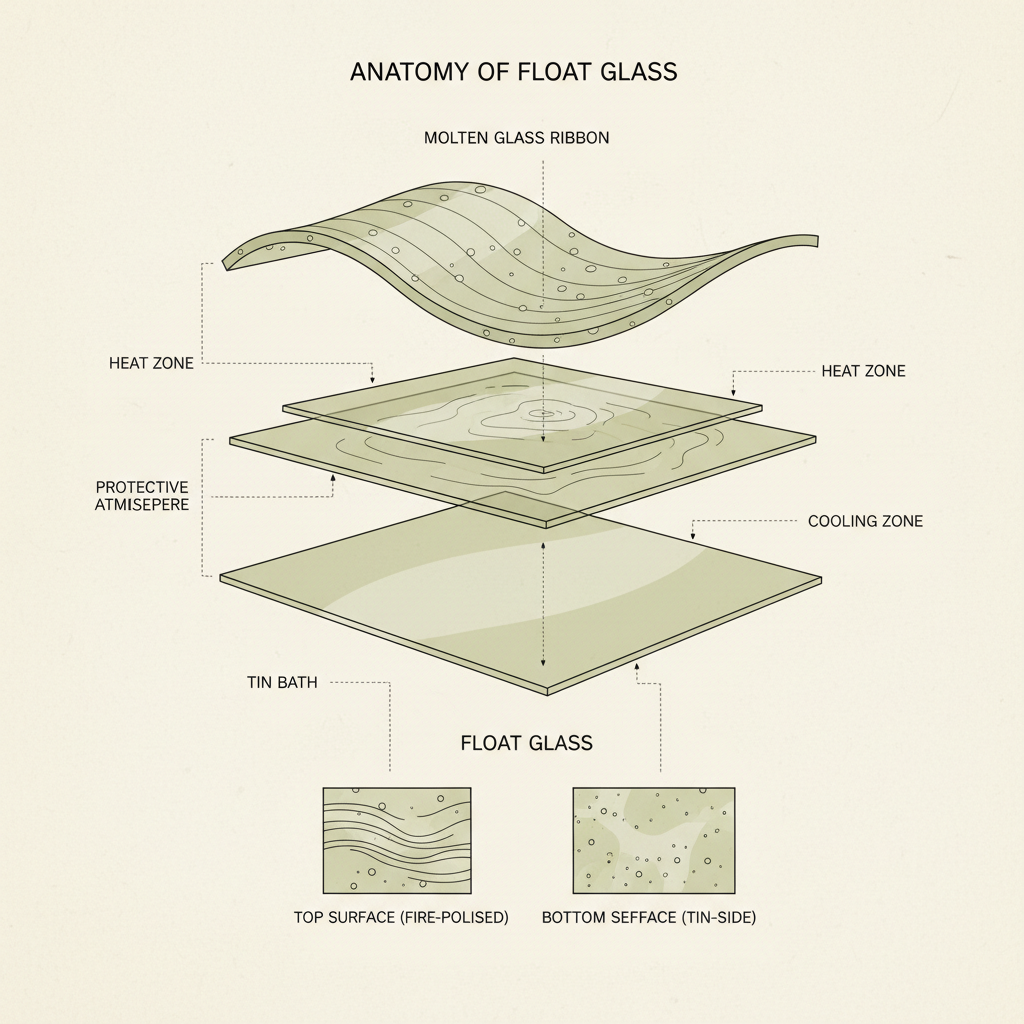
The float process itself is pretty consistent, but the quality of the raw materials – the silica sand, soda ash, limestone – can vary. Also, the cooling process is critical. If it’s too fast, it can create internal stresses in the glass, making it more prone to breakage. And the cleanliness of the environment during manufacturing is vital. Any contaminants can affect the clarity and durability. It's a surprisingly sensitive process.
It depends on the complexity of the order and the manufacturer's schedule, but generally, you’re looking at 4-6 weeks. If it's a simple cut-to-size order, it might be faster. But if you're talking about curved glass or laminated glass with a custom interlayer, it could take 8 weeks or more. You also need to factor in shipping time, which can add another week or two. Planning is key.
It can be, but it depends on the quality of the recycled glass and the manufacturing process. Recycled glass often contains impurities that can affect its clarity and strength. But with proper processing and quality control, it can be just as good as new glass. It’s also a more sustainable option, which is becoming increasingly important.
You need to inspect each sheet carefully for scratches, bubbles, distortions, and edge chips. Use a polarized light to check for internal stresses. And pay attention to the packaging – if the crates are damaged, the glass inside is likely to be damaged as well. It's a time-consuming process, but it’s essential to catch any defects before they cause problems on site.
Indoors, if possible! If it has to be outside, cover it with a waterproof tarp and store it on a level, well-drained surface. Make sure it's supported on all edges to prevent bending or breakage. And keep it away from direct sunlight and extreme temperatures. Basically, treat it like you'd treat a delicate piece of art.
Ultimately, whether this thing works or not, the worker will know the moment he tightens the screw. We've talked about trends, materials, testing, customization… but at the end of the day, it all comes down to whether the glass does its job. Whether it lets in the light, protects from the elements, and looks good doing it.
The industry is always evolving, and there's always something new to learn. But the fundamentals remain the same: quality materials, careful handling, and skilled workmanship. If you can get those three things right, you're well on your way to a successful project. And if you're ever in Shenzhen, give that smart home boss a call - he might have a good story for you too.


Shahe City economic Development Zone 32,hebei,P.R .China.

+8618686009698
+8613191439158

eoch@shtopglass.com
jason@shtopglass.com