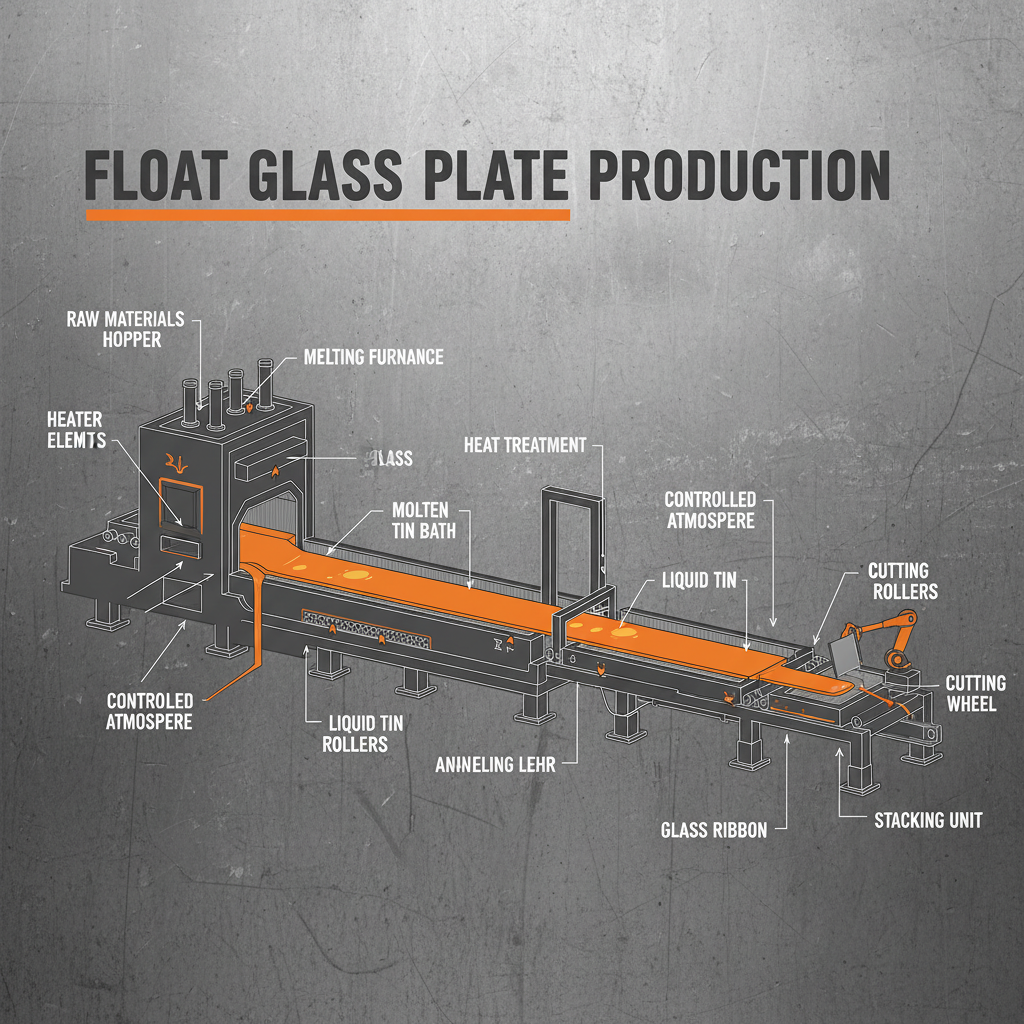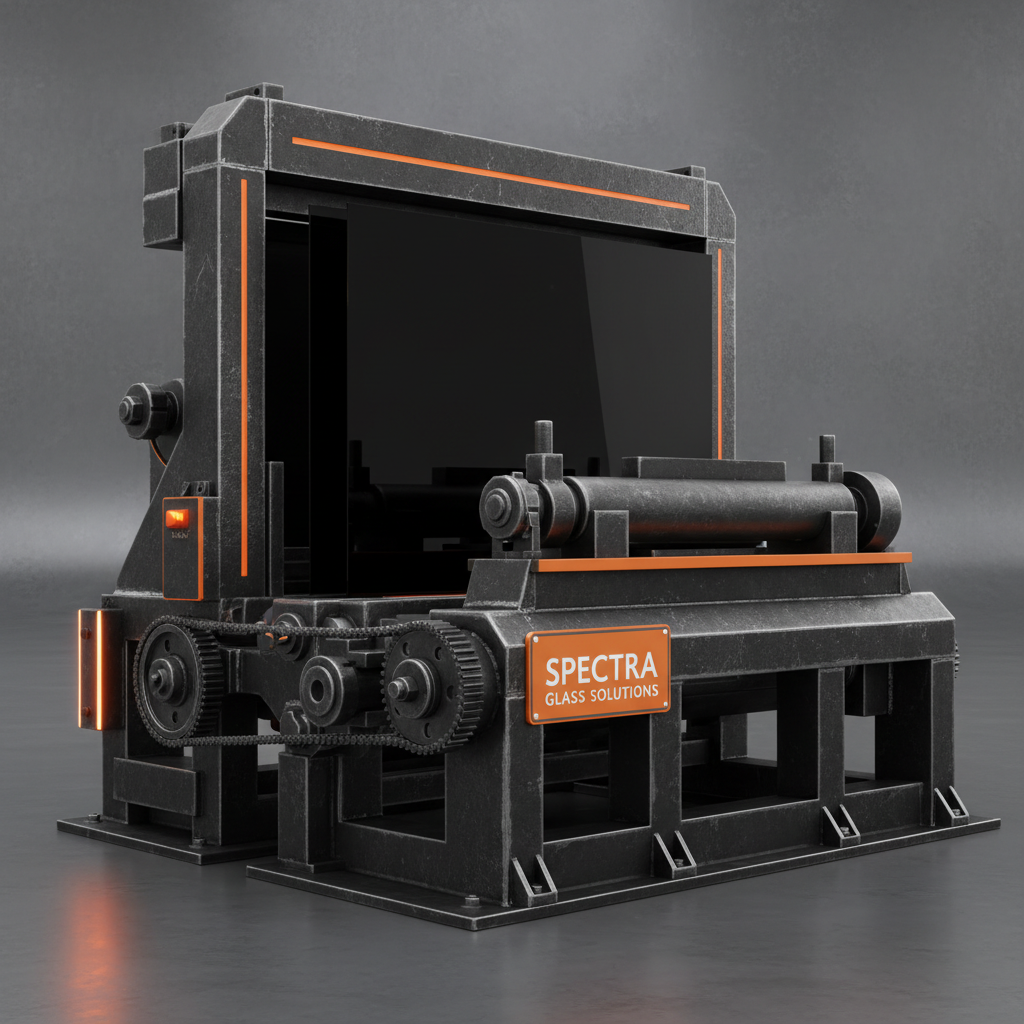



Dark grey float glass is rapidly becoming a cornerstone material in modern architecture and industrial applications. Its unique aesthetic, combined with exceptional durability and performance characteristics, distinguishes it from traditional clear or tinted glass options. This shift is driven by increasing demand for sophisticated building designs and high-performance glazing solutions that offer both visual appeal and functional benefits.
The global glass market is experiencing substantial growth, fuelled by urbanization, infrastructure development, and a rising focus on energy efficiency in buildings. Dark grey float glass plays a crucial role in meeting these demands, providing enhanced solar control and reducing glare, contributing to more comfortable and sustainable indoor environments. According to data from the UN, urban populations are projected to reach 68% by 2050, intensifying the need for innovative building materials.
Understanding the properties, applications, and future trends of dark grey float glass is essential for architects, engineers, construction professionals, and anyone involved in the building and design industries. Its versatility and adaptability make it a key component in creating aesthetically pleasing, energy-efficient, and structurally sound buildings and installations, addressing challenges related to climate change and resource management.

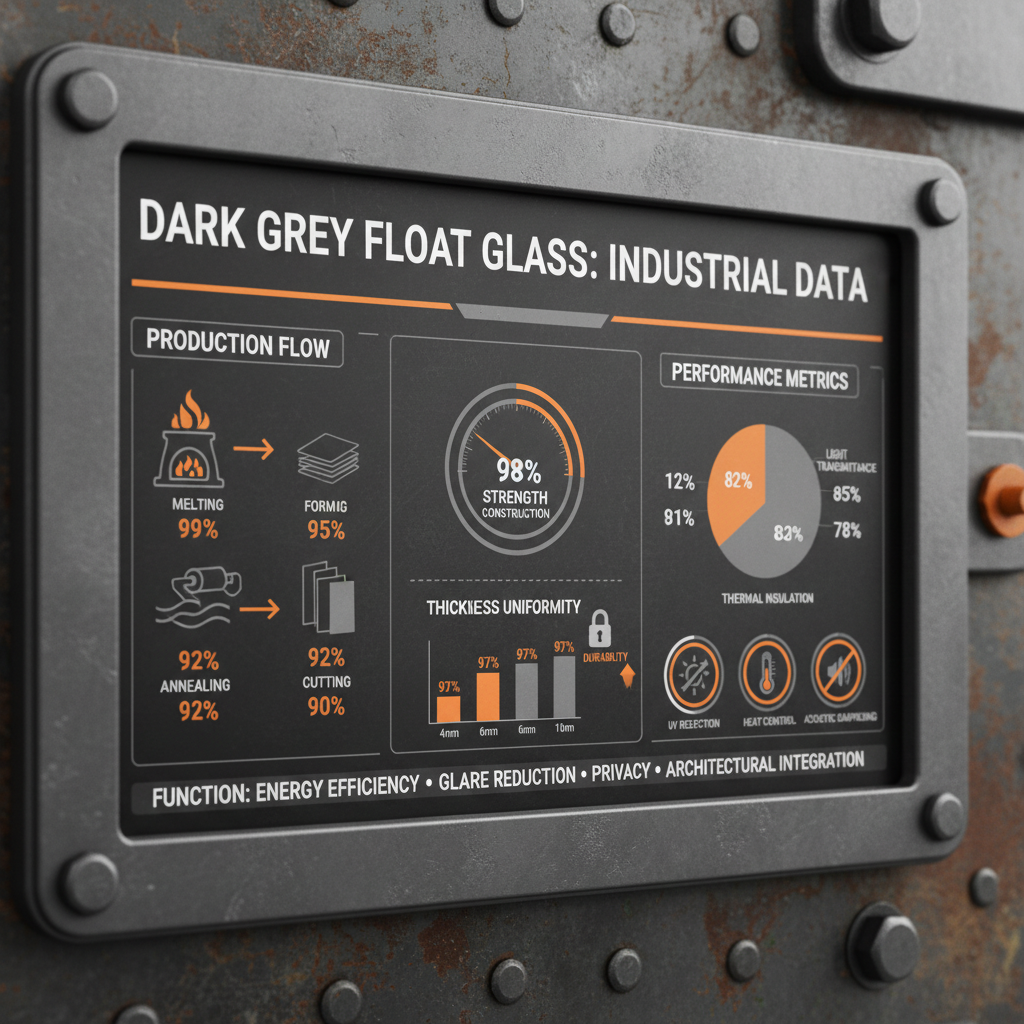
Dark grey float glass is a type of high-quality glass manufactured using the float process, characterized by its distinctive grey tint. This tint is achieved by adding carefully controlled amounts of metal oxides, such as iron oxide, during the glassmaking process. It's not merely a cosmetic feature; the grey coloration contributes significantly to the glass’s performance properties.
Its connection to modern industry stems from the demand for energy-efficient building materials and aesthetic design elements. As architectural trends move towards sleek, minimalist facades and reduced reliance on artificial lighting, dark grey float glass provides a solution that simultaneously enhances visual appeal and reduces energy consumption, making it a vital component in sustainable construction practices.
Dark grey float glass offers significantly improved solar control, reducing glare and heat gain, leading to lower energy costs. It also provides enhanced UV protection, protecting interior furnishings from fading. While offering excellent light transmission, it creates a more comfortable and aesthetically pleasing indoor environment compared to standard clear glass, which can often result in excessive brightness and heat build-up.
The float process itself is relatively energy-intensive, but modern manufacturers are implementing strategies to reduce this impact. These include utilizing recycled glass cullet in the glass mix, optimizing furnace efficiency, and adopting renewable energy sources. The addition of iron oxide, while contributing to the grey tint, doesn’t significantly increase the environmental impact when sourced responsibly.
Various coatings can be applied to dark grey float glass, including low-emissivity (Low-E) coatings, which further reduce heat transfer, and anti-reflective coatings, which improve light transmission. Self-cleaning coatings are also available, reducing maintenance requirements. The choice of coating depends on the specific application and desired performance characteristics.
Dark grey float glass is particularly well-suited for warm and sunny climates where solar heat gain is a concern. However, it can also be effectively used in cooler climates when combined with appropriate insulation and glazing systems. Its ability to reduce glare and maintain comfortable indoor temperatures makes it versatile for various geographical locations.
Lead times for custom-sized dark grey float glass vary depending on the size and complexity of the order, as well as the manufacturer’s production schedule. Typically, lead times range from 2 to 6 weeks. It’s always best to confirm with the supplier directly for accurate lead time estimates.
Dark grey float glass is typically more expensive than standard clear float glass due to the addition of metal oxides and the specialized manufacturing process. However, the long-term energy savings and aesthetic benefits often outweigh the initial cost difference. The price will also vary based on thickness, size, coatings and quantity ordered.
In conclusion, dark grey float glass represents a significant advancement in glass technology, offering a compelling combination of aesthetic appeal, energy efficiency, and durability. Its growing adoption across diverse industries reflects a broader shift towards sustainable building practices and a demand for high-performance materials. Understanding its properties and applications is crucial for professionals seeking innovative solutions for architectural and industrial challenges.
Looking ahead, continued research and development will further enhance the capabilities of dark grey float glass, paving the way for even more sustainable and aesthetically pleasing building designs. Investing in this technology not only benefits building owners through reduced operating costs but also contributes to a more environmentally responsible future. For superior quality and a wide range of options, visit our website: www.tptopglass.com.


Shahe City economic Development Zone 32,hebei,P.R .China.

+8618686009698
+8613191439158

eoch@shtopglass.com
jason@shtopglass.com