french green float glass, renowned for its subtle tint and exceptional clarity, has become an indispensable material across diverse industries globally. Originating from innovative glass manufacturing techniques, it offers a unique aesthetic appeal combined with the core properties of standard float glass, making it ideal for architectural applications, interior design, and specialized industrial uses. Its growing demand reflects a shift towards aesthetically pleasing and functional building materials.
The importance of french green float glass extends beyond its visual qualities. Its production adheres to stringent quality control standards, ensuring consistent performance and durability. This reliability is crucial in applications where safety and longevity are paramount, such as automotive glazing and protective barriers. Furthermore, the manufacturing process continually evolves towards more sustainable practices, addressing environmental concerns and promoting responsible material sourcing.
Understanding the nuances of french green float glass—from its composition and manufacturing process to its varied applications and future potential—is vital for architects, designers, engineers, and manufacturers seeking innovative and high-performing materials. Its unique properties provide solutions to challenges in aesthetics, safety, and sustainability, driving its increasing prominence in the modern built environment.
The Core Characteristics of french green float glass
french green float glass distinguishes itself through a subtle green hue resulting from carefully controlled iron oxide content during the manufacturing process. This tint doesn't compromise clarity; in fact, it enhances visual appeal and can reduce glare, making it a favorable choice for architectural designs seeking a vintage or sophisticated aesthetic.
Beyond its aesthetic appeal, french green float glass retains all the beneficial properties of standard float glass—high transmissivity, smooth surfaces, and excellent optical quality. It's inherently durable, resisting weathering and maintaining its integrity over extended periods, making it a robust and reliable material for a broad spectrum of applications.
Global Production and Market Trends
Global production of french green float glass is concentrated in key manufacturing hubs, particularly in Europe (France being a historical leader) and Asia (China and India representing significant production capacity). The demand for specialized glass, including french green float glass, has experienced a steady increase driven by the construction boom in emerging economies and the renovation of existing infrastructure globally.
Market statistics reveal a growing preference for energy-efficient building materials, aligning perfectly with the properties of french green float glass. This demand is further fueled by tightening environmental regulations that promote sustainable building practices. The current market is characterized by a competitive landscape with manufacturers continually striving for improved production efficiency and product innovation.
According to recent reports, the global float glass market is expected to grow at a compound annual growth rate (CAGR) of approximately 4-6% over the next five years, with specialized variations like french green float glass projected to exhibit even higher growth rates due to their unique aesthetic and functional benefits.
The Manufacturing Process of french green float glass
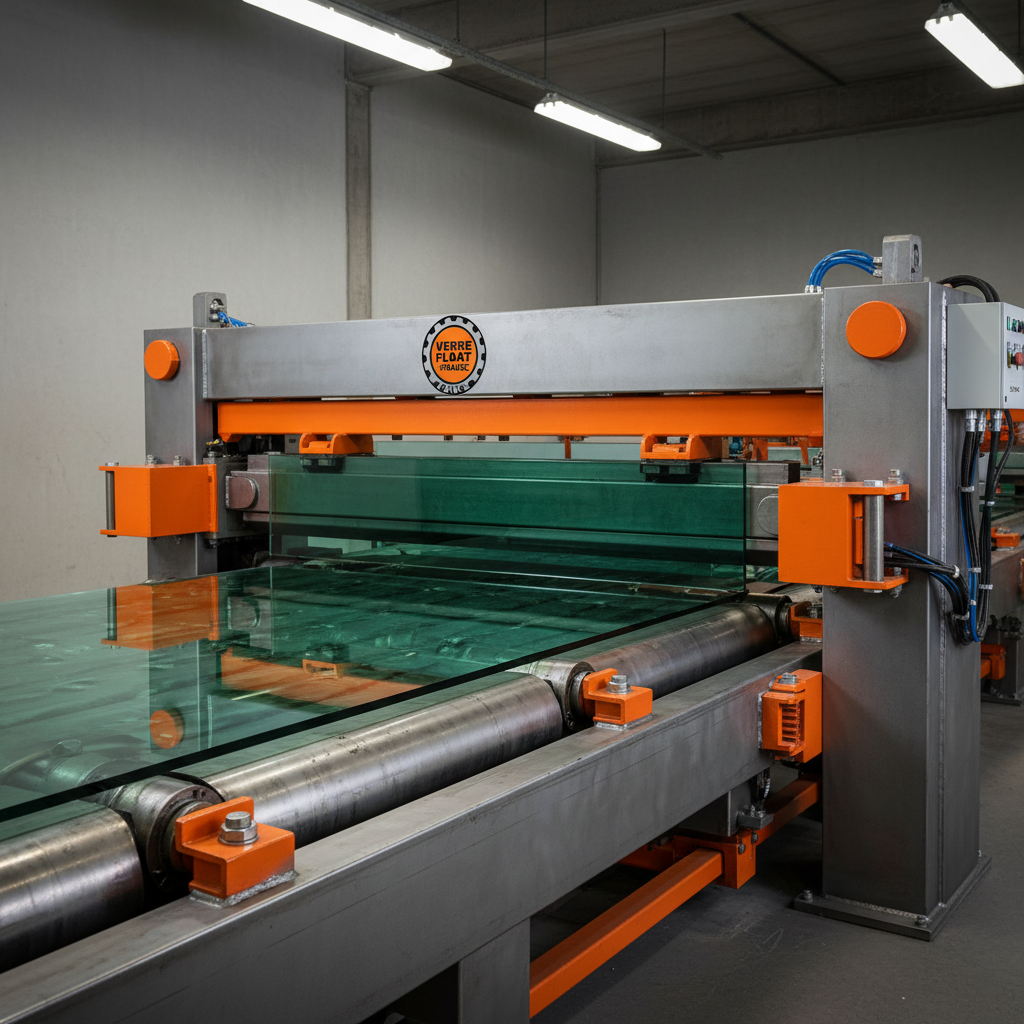
The manufacturing of french green float glass closely mirrors the traditional float glass process, but with a crucial distinction: the precise control of iron oxide content. Molten glass, a mixture of silica, soda ash, and limestone, is floated on a bed of molten tin, resulting in a perfectly flat and uniform surface. The deliberate addition of iron oxide is what imparts the characteristic green tint.
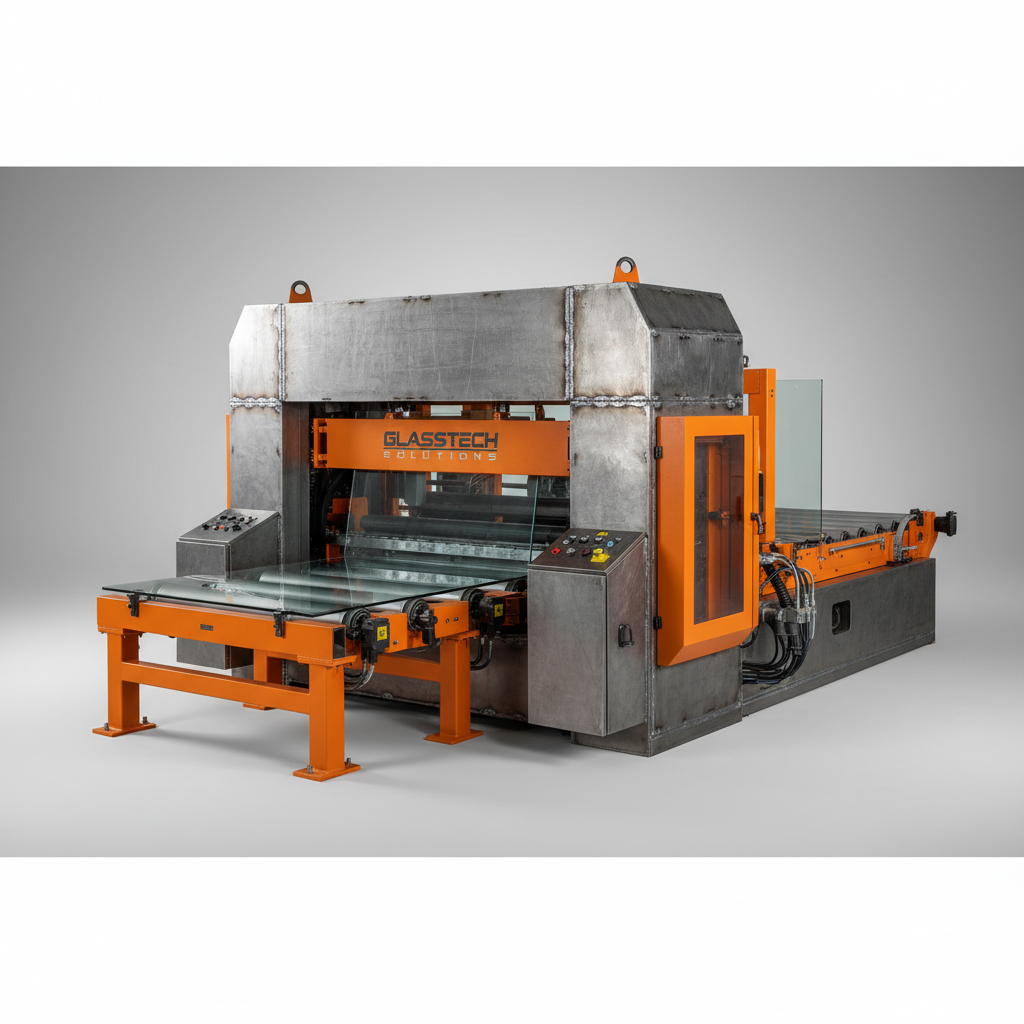
The key to achieving the desired green hue lies in the meticulous calibration of the iron oxide concentration. Manufacturers employ advanced spectroscopic analysis to monitor and adjust the mixture, ensuring consistency in color across batches. Following the floating process, the glass ribbon undergoes controlled cooling to prevent internal stresses and is then cut into desired sizes.
Quality control is paramount throughout the entire process, with rigorous inspections conducted at each stage to ensure adherence to industry standards and customer specifications. This includes visual inspections for defects, dimensional accuracy checks, and testing for optical properties.
Key Properties and Performance Metrics
french green float glass exhibits a compelling combination of optical and mechanical properties. Its light transmittance remains high, allowing for ample natural light penetration, while the green tint selectively filters certain wavelengths, reducing glare and offering a degree of solar heat gain control. The glass possesses excellent thermal stability, minimizing expansion and contraction with temperature fluctuations.
Performance Metrics of Different french green float glass Manufacturing Methods
Diverse Applications Across Industries
The unique characteristics of french green float glass render it highly versatile across numerous applications. In architecture, it's favored for facades, windows, and interior partitions, providing a distinctive aesthetic while maintaining natural light. It’s particularly popular in historical restoration projects where preserving the original look and feel is paramount.
Beyond construction, the glass is widely used in automotive glazing, offering both aesthetic appeal and solar control. It also finds applications in furniture design, decorative mirrors, and specialized industrial equipment where clarity, durability, and a subtle tint are desired.
Advantages and Long-Term Investment Value
Choosing french green float glass presents numerous advantages. Its aesthetic appeal enhances the value of properties, attracting discerning buyers and elevating design quality. Its durability reduces the need for frequent replacements, resulting in long-term cost savings.
Furthermore, the inherent properties of the glass contribute to energy efficiency, potentially lowering heating and cooling costs. Its environmental credentials align with sustainable building practices, enhancing a project’s overall green profile. The combination of aesthetic, functional, and economic benefits makes french green float glass a sound long-term investment.
Future Innovations and Sustainability Concerns
Ongoing research focuses on enhancing the sustainability of french green float glass production. Innovations in glass recycling and the use of alternative raw materials aim to reduce the environmental footprint of manufacturing. Developments in thin-film coatings are exploring ways to further enhance the energy-efficiency properties of the glass without compromising its aesthetic qualities.
The industry is also investigating the potential of incorporating smart glass technologies into french green float glass, enabling dynamic control of light transmittance and solar heat gain. This integration could lead to more responsive and energy-efficient building facades.
Addressing concerns around the environmental impact of glass production is crucial. The industry is actively pursuing strategies to reduce carbon emissions, optimize resource utilization, and promote circular economy principles.
Summary of Key Challenges and Potential Solutions Related to french green float glass
| Challenge |
Impact on french green float glass |
Potential Solution |
Implementation Cost (1-10) |
| Raw Material Sourcing |
Reliance on silica and soda ash extraction. |
Utilize recycled glass cullet and explore alternative silica sources. |
6 |
| Energy Consumption |
High energy demands during melting and forming processes. |
Implement energy-efficient furnace technologies and optimize process parameters. |
8 |
| Color Consistency |
Maintaining a consistent green hue across large batches. |
Advanced spectroscopic control systems and real-time adjustments. |
7 |
| Transportation Costs |
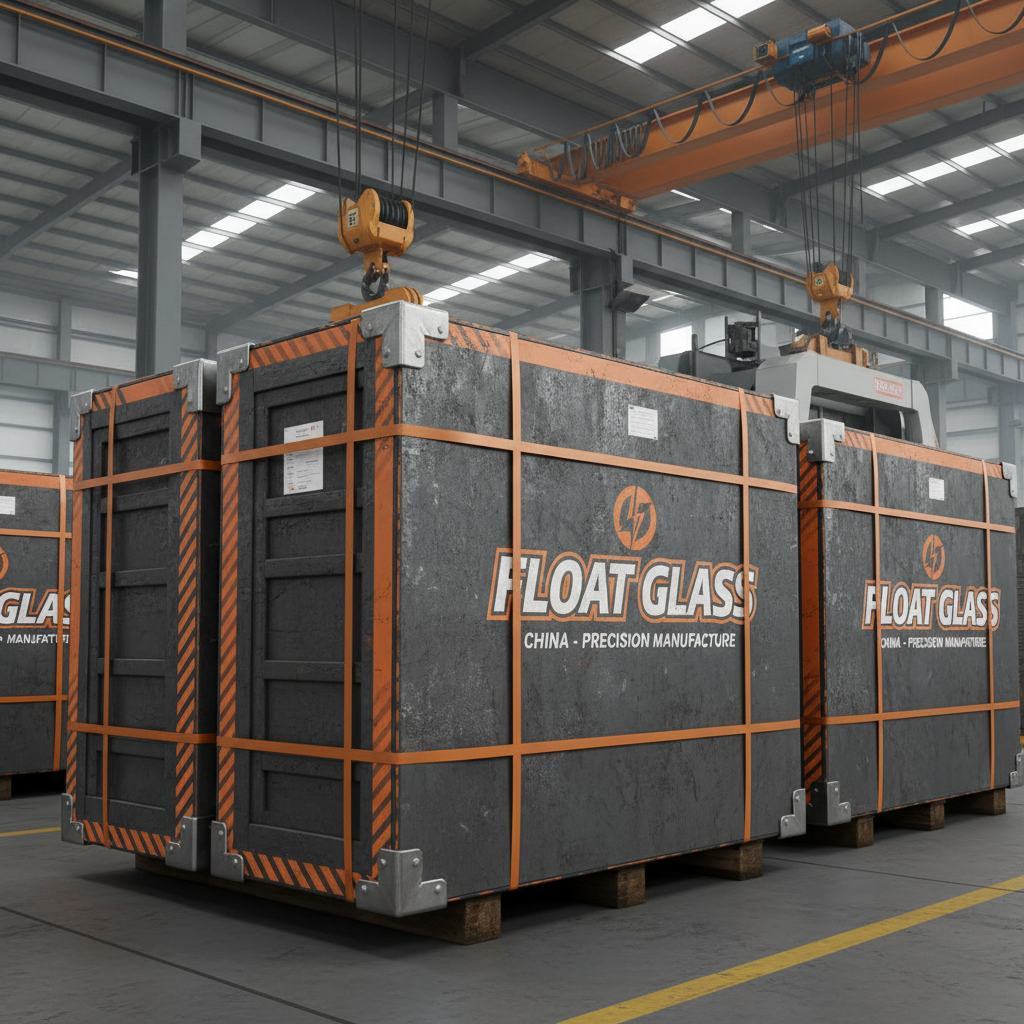
High weight and fragility increase shipping expenses. |
Optimize packaging and explore regional production facilities. |
5 |
| Waste Management |
Glass scraps and offcuts require proper disposal. |
Implement closed-loop recycling systems and repurpose waste materials. |
4 |
| Regulatory Compliance |
Adhering to evolving environmental and safety regulations. |
Invest in compliance programs and maintain transparent reporting. |
6 |
FAQS
The primary difference lies in the subtle green tint imparted by controlled iron oxide content during manufacturing. While standard clear float glass prioritizes maximum light transmission, french green float glass offers a unique aesthetic and can reduce glare, making it suitable for applications where a softer, more vintage look is desired. It retains all the essential properties of float glass – strength, clarity, and smoothness.
Generally, french green float glass tends to be slightly more expensive than standard clear float glass due to the precise control required in the manufacturing process to achieve the desired tint. The additional cost is often justified by the unique aesthetic appeal and the potential for reduced solar heat gain, which can lead to energy savings. Pricing can also vary depending on thickness, size, and quantity ordered.
Yes, french green float glass can be processed into safety glazing options such as tempered or laminated glass, meeting stringent safety standards. Tempered glass is heat-treated for increased strength and breaks into small, relatively harmless pieces. Laminated glass consists of multiple layers bonded together with an interlayer, preventing shattering and maintaining structural integrity even when broken. Both options are suitable for applications requiring enhanced safety.
The green tint in french green float glass does slightly reduce overall light transmission compared to clear glass, but the impact is minimal and often unnoticeable in most applications. The tint selectively filters certain wavelengths of light, reducing glare and offering a degree of solar control, which can contribute to a more comfortable indoor environment. Light transmission levels still remain high enough for ample natural illumination.
French green float glass is frequently used in architectural design for facades, windows, interior partitions, and skylights. It's particularly popular in historical restoration projects where maintaining the original aesthetic is crucial. The glass adds a touch of elegance and sophistication to both residential and commercial buildings, providing a unique visual appeal while offering excellent performance characteristics.
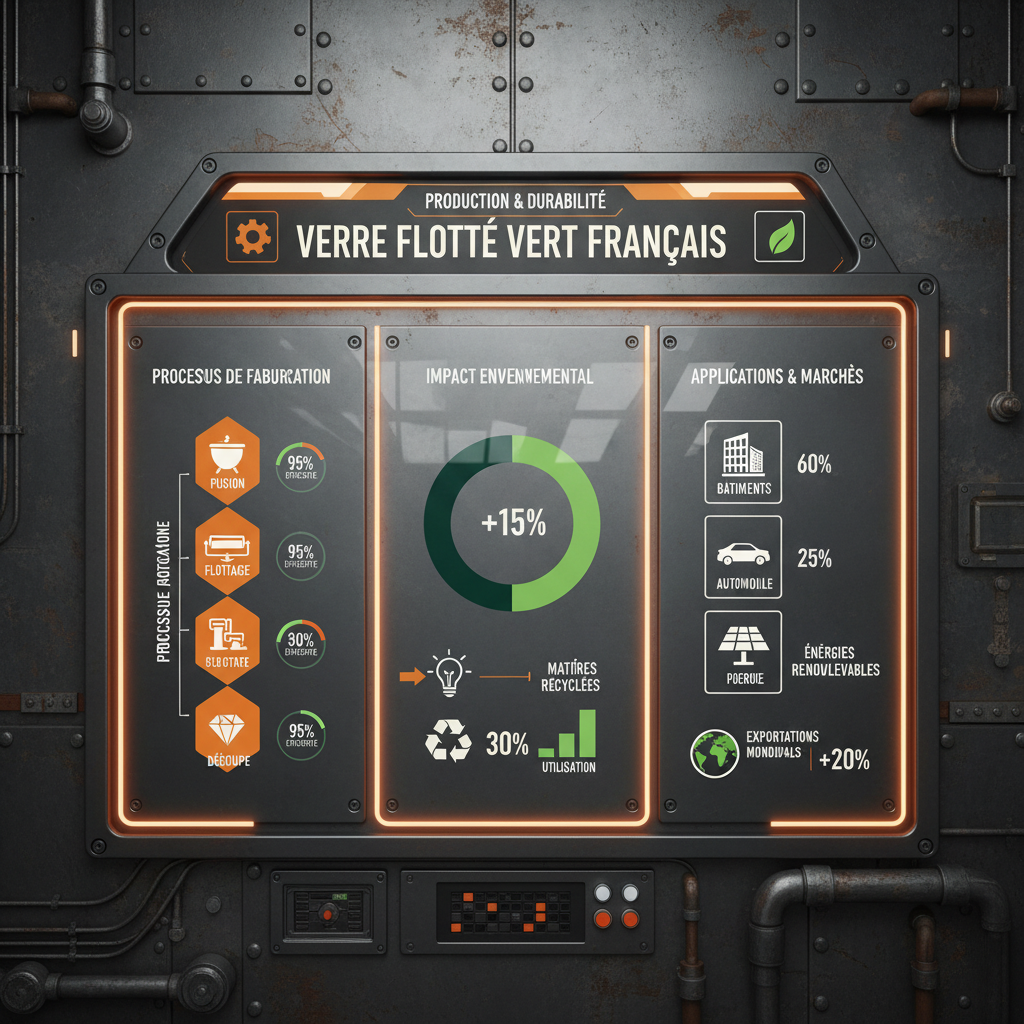
The environmental impact of french green float glass is continually being addressed through sustainable manufacturing practices. Utilizing recycled glass cullet, optimizing energy consumption, and exploring alternative raw materials are key strategies to reduce the carbon footprint of production. Furthermore, the glass’s inherent durability and potential for energy efficiency contribute to a more sustainable building lifecycle.
Conclusion
french green float glass stands as a versatile and aesthetically pleasing material with a significant role in modern architecture and design. Its unique blend of optical properties, durability, and sustainable production practices makes it a compelling choice for a wide range of applications, from enhancing building facades to providing safety and comfort in automotive glazing. Understanding its characteristics and benefits is vital for professionals seeking innovative and high-performing materials.
Looking ahead, continued investment in research and development will drive further advancements in sustainable manufacturing techniques and performance enhancements. The incorporation of smart glass technologies and the exploration of alternative materials promise to expand the applications of french green float glass, cementing its position as a key material for a more sustainable and visually appealing future. For more information and to explore our product range, visit our website: french green float glass.