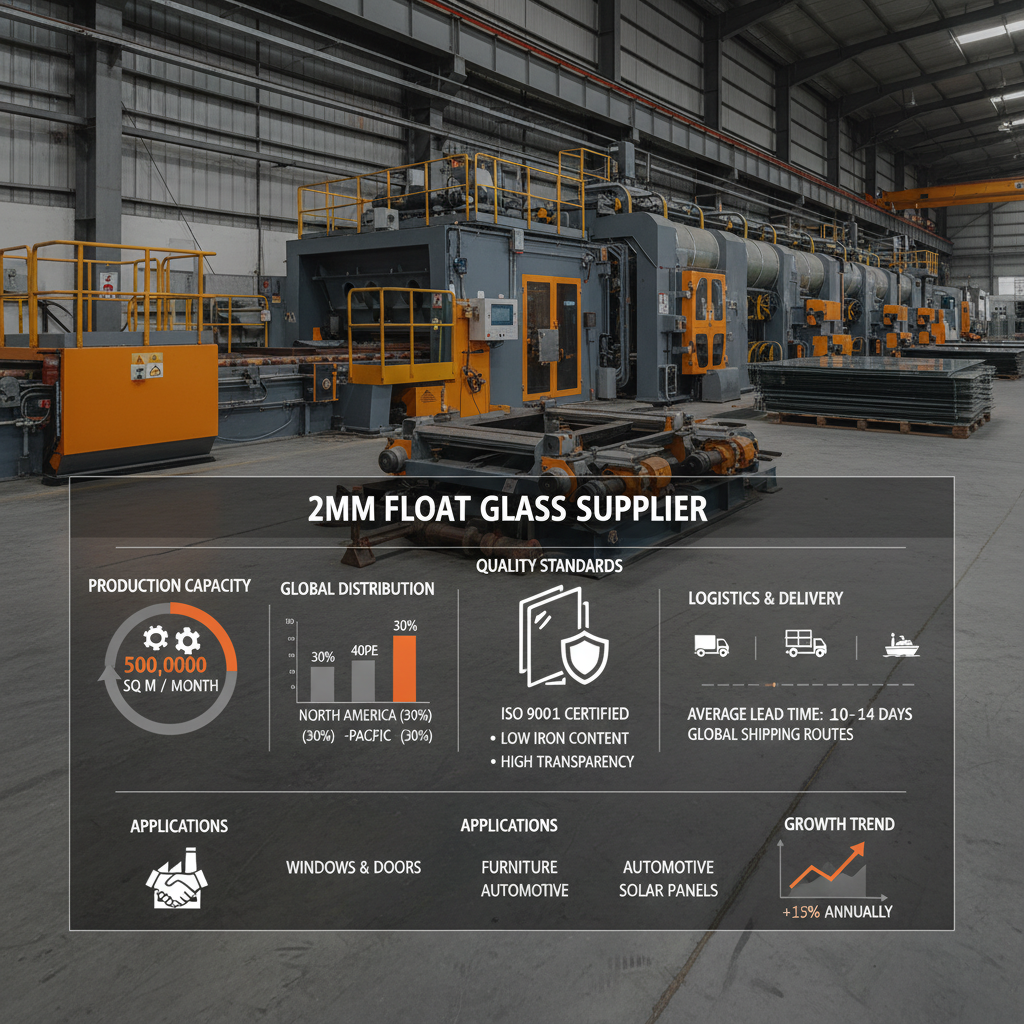
Finding a reliable 2mm float glass supplier is critical for manufacturers who require precision, clarity, and cost-effectiveness in their production lines. 2mm float glass serves as a versatile baseline material, offering a delicate balance between lightweight properties and structural integrity, making it indispensable for various high-end decorative and industrial applications.
In the global glass market, the demand for thinner float glass has surged due to the evolution of the electronics and interior design sectors. By partnering with a professional 2mm float glass supplier, businesses can ensure a consistent supply of high-transmittance glass that meets international quality standards, reducing waste and enhancing the final product's aesthetic appeal.
Understanding the nuances of float glass production—from the molten tin bath process to the final annealing stage—allows buyers to make informed decisions. Choosing a reputable 2mm float glass supplier not only secures the material but also provides access to technical expertise regarding tempering, coating, and custom cutting tailored to specific project needs.
The Industrial Significance of a 2mm Float Glass Supplier
The role of a 2mm float glass supplier extends far beyond simple distribution. In an era where architectural precision is paramount, these suppliers provide the raw foundation for Mirror Glass and Reflective Glass. The 2mm thickness is a strategic "sweet spot," offering enough rigidity for framing while remaining light enough to minimize the load on support structures in large-scale commercial installations.
Furthermore, the global supply chain for non-metallic mineral products relies heavily on the consistency of float glass. A top-tier 2mm float glass supplier implements rigorous quality control to ensure that there are no optical distortions or seed bubbles, which is crucial when the glass is further processed into Tempered Glass or used in sophisticated insulating glass units (IGU).
Technical Standards in Float Glass Manufacturing
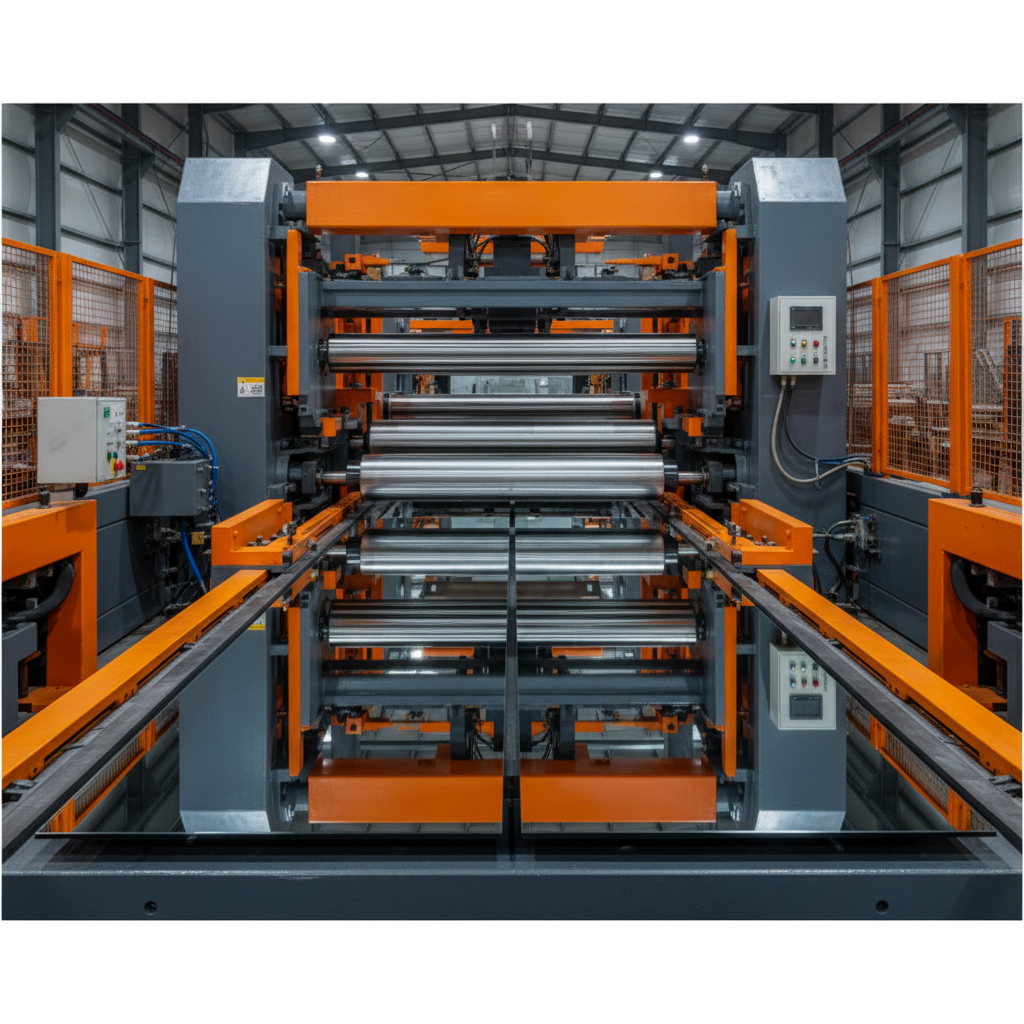
The production of 2mm float glass requires an extraordinary level of control over the molten glass flow. A professional 2mm float glass supplier utilizes the float process, where molten glass is floated on a bed of molten tin. This ensures that the glass is perfectly flat and parallel, achieving a level of uniformity that is impossible with older casting methods.
Adherence to ISO and ASTM standards is what separates a premium 2mm float glass supplier from generic alternatives. Key metrics include the coefficient of linear thermal expansion and light transmittance percentages. For 2mm glass, maintaining a tight tolerance on thickness (typically ±0.2mm) is essential to prevent issues during the cutting and edging phases of manufacturing.
Beyond the physical dimensions, the chemical composition of the glass—specifically the soda-lime-silica ratio—determines its durability and ease of processing. A seasoned 2mm float glass supplier ensures that the glass has the correct viscosity for further treatments, such as the application of Low-E coatings or the chemical strengthening required for high-impact environments.
Core Performance Factors of Ultra-Thin Glass
When evaluating a 2mm float glass supplier, the first factor to consider is optical clarity. High-quality float glass must be free from "waves" or chromatic aberration, ensuring that when it is used in decorative glass applications, the visual experience is seamless and professional.
The second critical factor is the surface tension and flatness provided by a leading 2mm float glass supplier. This flatness is what allows for the perfect adhesion of silvering layers in mirror production or the precise bonding of polymers in laminated glass, preventing air gaps that could lead to delamination over time.
Finally, the scalability of the supplier's production capacity is vital. A reliable 2mm float glass supplier can provide jumbo-sized sheets that reduce the number of joints in a project, thereby increasing the overall structural integrity and aesthetic continuity of the installation.
Comparative Efficiency and Cost Analysis
Selecting the right 2mm float glass supplier often involves a trade-off between initial procurement costs and long-term yield. While lower-cost options exist, the "hidden cost" of poor quality—such as higher breakage rates during tempering or uneven coating adhesion—can significantly erode profit margins.
Efficiency in this sector is measured by the "usable area" of the glass sheet. Top-tier suppliers optimize their edge-trimming processes, meaning the customer receives a higher percentage of prime-grade glass per sheet, effectively lowering the cost per square meter.
Performance Metrics of Various 2mm Float Glass Supplier Tiers
Global Applications of 2mm Float Glass
The versatility of products from a 2mm float glass supplier allows for diverse applications across multiple continents. In Asia's booming electronics hub, 2mm glass is often the primary substrate for specialized screen protectors and small-scale display panels, where thinness is a competitive advantage.
In Europe and North America, the focus shifts toward interior architecture. Designers frequently source from a 2mm float glass supplier to create bespoke mirror walls, furniture inserts, and decorative partitions that require a sleek, minimal profile without compromising on the luxury feel of the material.
Long-Term Value and Sustainability Benefits
Sustainability is no longer optional in the glass industry. A forward-thinking 2mm float glass supplier incorporates "cullet" (recycled glass) into their melting process, which significantly lowers the furnace temperature and reduces carbon emissions during production.
From a logical perspective, using thinner 2mm glass instead of thicker alternatives reduces the overall weight of the final product. This leads to lower transportation costs and a smaller carbon footprint during logistics, providing a tangible environmental and financial advantage to the end-user.
Moreover, the long-term value lies in the durability of the material. When sourced from a certified 2mm float glass supplier, the glass is resistant to chemical erosion and UV degradation, ensuring that mirror coatings and decorative finishes remain pristine for decades, thus reducing the need for frequent replacements.
Future Trends in Glass Processing Technology
The future of the 2mm float glass supplier landscape is being shaped by digitalization and automation. Smart factories are now using AI-driven sensors to detect micro-defects in real-time, ensuring that every square millimeter of the 2mm glass meets perfection before it even leaves the cooling lehr.
We are also seeing a trend toward "intelligent coatings." Future suppliers will likely offer 2mm float glass pre-integrated with conductive layers or photochromic properties, allowing the glass to change transparency based on light intensity or electrical signals, blending the line between structural glass and electronic components.
As the industry moves toward a circular economy, the relationship between the manufacturer and the 2mm float glass supplier will evolve into a closed-loop system, where waste glass from construction sites is collected and returned to the supplier for reprocessing into new, high-quality float glass.
Comprehensive Analysis of 2mm Float Glass Supplier Quality and Logistics
| Supplier Tier |
Precision Tolerance |
Lead Time Efficiency |
Sustainability Score |
| Tier 1 Global |
±0.05mm |
Very High |
9/10 |
| Tier 2 Regional |
±0.10mm |
High |
7/10 |
| Tier 3 Local |
±0.20mm |
Medium |
6/10 |
| Specialty Boutique |
±0.02mm |
Low |
8/10 |
| Mass Market |
±0.30mm |
Very High |
5/10 |
| Eco-Focused |
±0.15mm |
Medium |
10/10 |
FAQS
A 2mm float glass supplier typically specializes in the specific precision required for ultra-thin glass, often owning the production facilities to control the float process. Wholesalers generally buy from manufacturers and may not have the technical capacity to provide customized thickness tolerances, specific annealing schedules, or detailed quality certifications essential for industrial manufacturing.
Yes, but it requires a highly skilled supplier. Tempering 2mm glass is more challenging than tempering thicker sheets due to the risk of warping. A professional supplier uses precise heating and quenching cycles to ensure the glass gains the necessary strength while maintaining its flatness, making it suitable for safety-critical decorative environments.
Absolutely. In fact, 2mm float glass is one of the most preferred substrates for mirrors because it provides a smooth, distortion-free surface that allows the silvering layer to bond perfectly. This results in a high-definition reflection and a lightweight final product that is easier to install in large residential or commercial projects.
Request a technical data sheet (TDS) and a sample kit. Check for certifications such as ISO 9001 for quality management and ISO 14001 for environmental standards. Additionally, perform a "light-box test" on samples to check for seeds, bubbles, or waves, and use a digital micrometer to verify that the thickness is consistently 2mm across the entire sheet.
Thin glass is more susceptible to vibration-induced breakage. A reputable supplier mitigates this by using specialized A-frame crates, reinforced cushioning, and moisture-resistant packaging. They often employ "interleaving" (placing thin sheets of paper or plastic between glass sheets) to prevent scratches and surface friction during transit.
On a per-weight basis, 2mm glass can sometimes be more expensive because producing a thinner, perfectly uniform sheet requires more precise control of the float bath. However, on a per-project basis, it is often more cost-effective because it reduces total material weight, lowers shipping costs, and is sufficient for applications where thicker glass would be overkill.
Conclusion
Selecting a high-quality 2mm float glass supplier is a strategic decision that impacts every stage of the production cycle, from the initial aesthetic design to the final installation. By prioritizing technical precision, sustainability, and supply chain reliability, manufacturers can unlock the full potential of ultra-thin glass, whether it is for high-definition mirrors, energy-efficient IGUs, or cutting-edge decorative installations.
Looking forward, the integration of smart coatings and automated quality control will continue to redefine the value proposition of float glass. For businesses seeking to remain competitive in the global market, partnering with a supplier that embraces these innovations is the key to achieving superior product longevity and operational efficiency. Visit our website for professional solutions: www.tptopglass.com