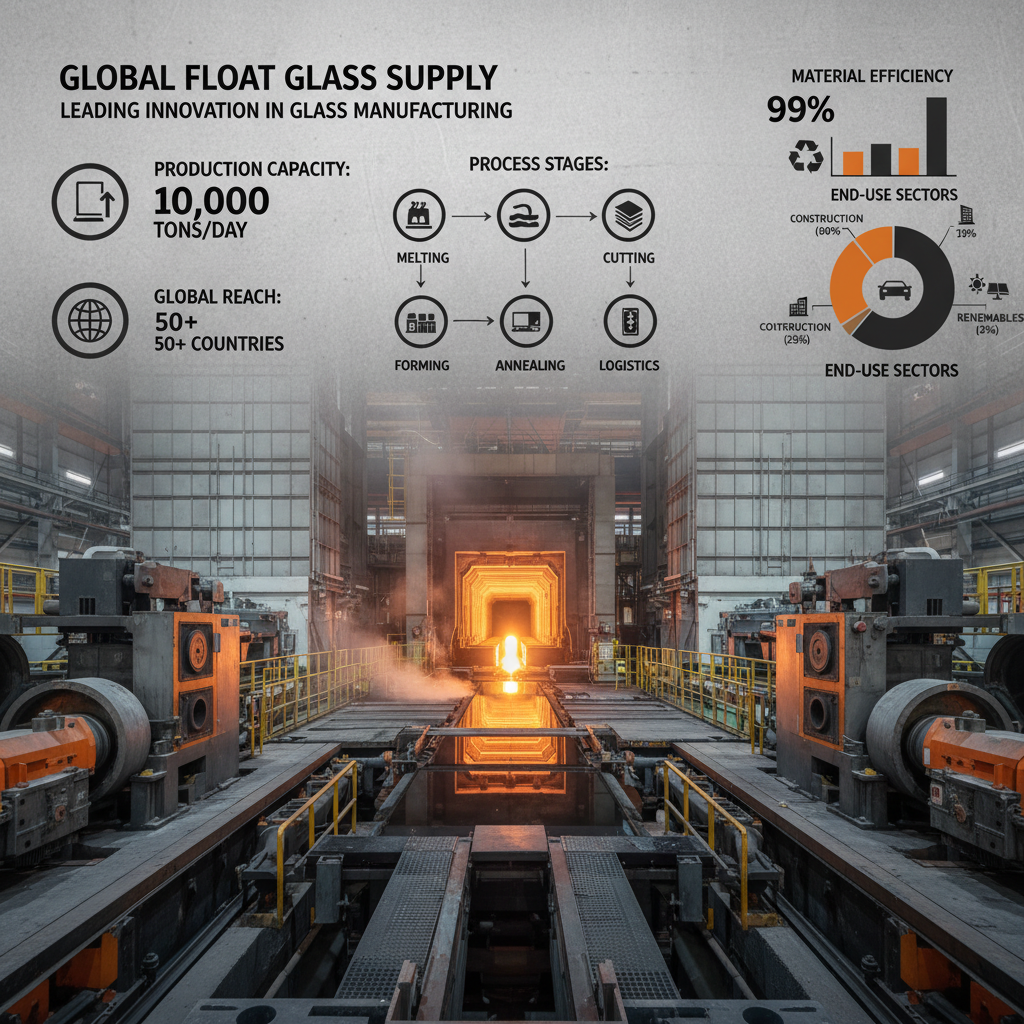
Float glass, a cornerstone of modern construction and numerous industrial applications, is more than just transparent material; it’s a foundational element driving innovation across various sectors. As a leading float glass supplier, we understand the critical role this material plays in shaping the built environment and facilitating technological advancements. The global demand for high-quality float glass continues to surge, fueled by expanding infrastructure projects, a thriving automotive industry, and the ever-increasing need for energy-efficient building solutions.
The importance of selecting a reliable float glass supplier extends beyond simply acquiring a product. It encompasses consistent quality, timely delivery, competitive pricing, and expert support. The complexities of glass manufacturing, coupled with stringent industry standards, necessitate partnering with a supplier who demonstrates a commitment to excellence and a deep understanding of customer needs. This commitment is particularly vital in regions undergoing rapid development or facing challenging logistical constraints.
At TPTopGlass, we recognize these challenges and dedicate ourselves to providing superior float glass products and unparalleled customer service. Our extensive network, advanced manufacturing capabilities, and stringent quality control measures ensure that our clients receive the best possible solutions for their diverse applications. Choosing the right float glass supplier is an investment in the success of your projects, and we strive to be that trusted partner.
Understanding the Float Glass Industry
The float glass industry is a multi-billion dollar global market, intrinsically linked to economic growth and infrastructural development. According to the UN Comtrade database, global glass exports surpassed $120 billion in 2022, with a significant portion being float glass used in construction, automotive, and various other applications. This industry’s growth is spurred by increasing urbanization and a demand for energy-efficient buildings, driving the need for high-performance glass products.
The production of float glass involves a complex process known as the Pilkington process, developed in the 1950s, which revolutionized glass manufacturing. This process involves floating molten glass on a bed of molten tin, creating a perfectly flat and uniform sheet. The quality and consistency of this process are paramount, and a reliable float glass supplier ensures adherence to rigorous quality standards throughout the production cycle.
Defining a Float Glass Supplier
A float glass supplier is a company specializing in the manufacturing, distribution, and sale of float glass. However, the role extends far beyond simply providing the material. A comprehensive float glass supplier often offers a range of services, including glass cutting, tempering, laminating, coating, and logistical support. They serve a diverse clientele, including construction companies, architects, automotive manufacturers, and other industrial sectors.
The ISO 9001 certification is a crucial indicator of a supplier's commitment to quality management. It signifies that the supplier has established and maintains a robust quality control system, ensuring consistent product quality and customer satisfaction. Choosing a supplier with this certification provides added assurance that the glass meets the required industry standards and specifications.
Furthermore, a reputable float glass supplier invests in research and development to improve production techniques and create innovative glass solutions. This continuous improvement is essential for meeting evolving market demands and addressing emerging challenges in the glass industry.
Key Characteristics of Quality Float Glass
Several key characteristics define the quality of float glass. Optical clarity is paramount, ensuring minimal distortion and maximum light transmission. This is crucial for architectural applications, where visual aesthetics are highly valued. The flatness of the glass is equally important, as any imperfections can affect its structural integrity and aesthetic appeal.
The strength and durability of float glass are vital for ensuring long-term performance and safety. Factors such as chemical composition, manufacturing process, and tempering techniques all influence these properties. A high-quality float glass supplier will provide detailed specifications and testing data to verify these characteristics.
Finally, dimensional accuracy is essential for seamless integration into various construction and industrial applications. Precise cutting and consistent thickness are critical for minimizing waste and ensuring a perfect fit. A trustworthy supplier prioritizes accuracy and employs advanced cutting technology to meet the exacting requirements of their clients.
Global Applications of Float Glass
Float glass finds widespread application across numerous industries globally. In the construction sector, it’s a key component of windows, doors, facades, and interior partitions, contributing to building aesthetics, energy efficiency, and safety. The automotive industry utilizes float glass for windshields, side windows, and rear windows, ensuring visibility, protection, and structural integrity.
The furniture industry leverages float glass for table tops, shelves, and decorative elements, adding style and functionality to interior spaces. Moreover, float glass is integral to manufacturing solar panels, mirrors, and various other specialized glass products. From skyscrapers in bustling metropolitan cities to solar farms in remote desert regions, the applications are diverse and far-reaching.
Float Glass Supplier Application Breakdown
Advantages of Partnering with a Reputable Supplier
Choosing a reputable float glass supplier provides numerous benefits. Consistent product quality is paramount, ensuring that the glass meets specified requirements and performs reliably over time. A strong supplier network enables efficient logistics and timely delivery, minimizing project delays and cost overruns.
Expert technical support is also a significant advantage. A knowledgeable supplier can provide guidance on glass selection, processing techniques, and installation procedures, optimizing performance and ensuring compliance with industry standards. This expertise translates to reduced risks and improved project outcomes.
Future Trends in Float Glass Technology
The float glass industry is witnessing a surge in innovation, driven by demands for sustainability, energy efficiency, and enhanced performance. The development of low-emissivity (Low-E) coatings is reducing heat transfer, lowering energy consumption in buildings, and contributing to a greener future. Self-cleaning glass technologies are gaining traction, minimizing maintenance requirements and extending the lifespan of glass surfaces.
Smart glass, capable of changing opacity based on external stimuli, is emerging as a transformative technology with applications in privacy control, energy management, and architectural design. Furthermore, research into thinner and lighter glass materials is reducing weight and improving structural performance.
These innovations require a float glass supplier to stay at the forefront of technological advancements, offering cutting-edge solutions to meet evolving market needs.
Overcoming Challenges in Float Glass Procurement
Procuring float glass can present challenges, including supply chain disruptions, fluctuating prices, and quality control concerns. Establishing strong relationships with multiple suppliers mitigates the risk of disruptions and ensures a consistent supply of materials. Conducting thorough quality inspections and requiring certifications such as ISO 9001 are essential for verifying product quality.
Effective communication and transparent pricing are crucial for avoiding misunderstandings and managing costs. Leveraging technology, such as online ordering platforms and supply chain management systems, can streamline the procurement process and improve efficiency.
A reliable float glass supplier proactively addresses these challenges, providing solutions to ensure a smooth and cost-effective procurement experience.
Summary of Key Considerations for Float Glass Supplier Selection
| Quality Certifications |
Supply Chain Reliability |
Technical Support & Expertise |
Pricing & Transparency |
| ISO 9001 Certification |
Multiple Sourcing Options |
Dedicated Technical Team |
Clear and Detailed Quotes |
| Compliance with Industry Standards |
Established Logistics Network |
Glass Selection Guidance |
No Hidden Fees |
| Consistent Product Quality |
Inventory Management System |
Processing Technique Advice |
Volume Discounts |
| Thorough Quality Control |
On-Time Delivery Performance |
Installation Best Practices |
Competitive Market Pricing |
| Detailed Testing Data |
Proactive Communication |
Problem-Solving Capabilities |
Transparent Contract Terms |
| Adherence to Specifications |
Risk Mitigation Strategies |
Continuous Improvement Focus |
Long-Term Partnership Approach |
FAQS
When choosing a float glass supplier, prioritize quality certifications (like ISO 9001), supply chain reliability, technical support, pricing transparency, and a proven track record of on-time delivery. Consider their experience with your specific application and their commitment to innovation. A strong supplier should offer detailed specifications and be readily available to answer your questions and provide guidance. Don’t hesitate to request samples and conduct thorough quality inspections.
To ensure quality, work with a supplier who has robust quality control procedures in place. Request certifications and testing data to verify that the glass meets your specifications. Perform visual inspections upon delivery, checking for any defects or damage. Consider implementing a third-party inspection process for critical applications. Maintain clear communication with your supplier regarding your quality expectations.
Lead times can vary depending on the supplier, order volume, glass type, and processing requirements. Generally, standard float glass orders may have a lead time of 1-2 weeks, while specialized glass products or large orders could take 3-6 weeks or longer. Confirm the lead time with your float glass supplier during the quotation process and factor it into your project schedule.
Low-E (low-emissivity) float glass offers significant energy-saving benefits by reducing heat transfer through windows and other glazing applications. This can lead to lower heating and cooling costs, improved indoor comfort, and a reduced carbon footprint. Low-E coatings also help to block harmful UV rays, protecting furniture and fabrics from fading. It’s an increasingly important consideration for sustainable building design.
Float glass is typically transported in specialized racks or crates designed to protect it from breakage. These racks are secured to trucks or shipping containers to prevent shifting during transit. Proper packaging and handling procedures are crucial. Reputable float glass suppliers will have experienced logistics teams that prioritize safe and secure transportation.
If you receive damaged float glass, document the damage with photographs and notify your float glass supplier immediately. Most suppliers have a claims process in place to address damaged shipments. Retain all packaging materials, as they may be required for inspection. Promptly reporting the damage will help expedite the resolution process.
Conclusion
In conclusion, selecting the right float glass supplier is a critical decision that impacts project success, cost-effectiveness, and long-term performance. Understanding the key characteristics of quality float glass, the advantages of partnering with a reputable supplier, and future trends in glass technology is essential for making informed choices. By prioritizing quality, reliability, and innovation, you can ensure that your projects benefit from the exceptional properties and versatility of this foundational material.
Looking ahead, the float glass industry is poised for continued growth and innovation. Embracing sustainable practices, exploring new technologies, and fostering strong supplier relationships will be key to navigating the evolving landscape and maximizing the benefits of this versatile material. We invite you to visit our website at www.tptopglass.com to learn more about our products and services and discover how we can help you achieve your project goals.