



Float annealed glass is a fundamental material used in countless applications, from windows and doors to automotive components and furniture. It's known for its clarity, affordability, and versatility. This article will delve into the intricacies of float annealed glass, exploring its production process, key properties, diverse applications, and why it remains a preferred choice for many industries. We'll cover everything you need to know, ensuring you understand the advantages of this ubiquitous material.
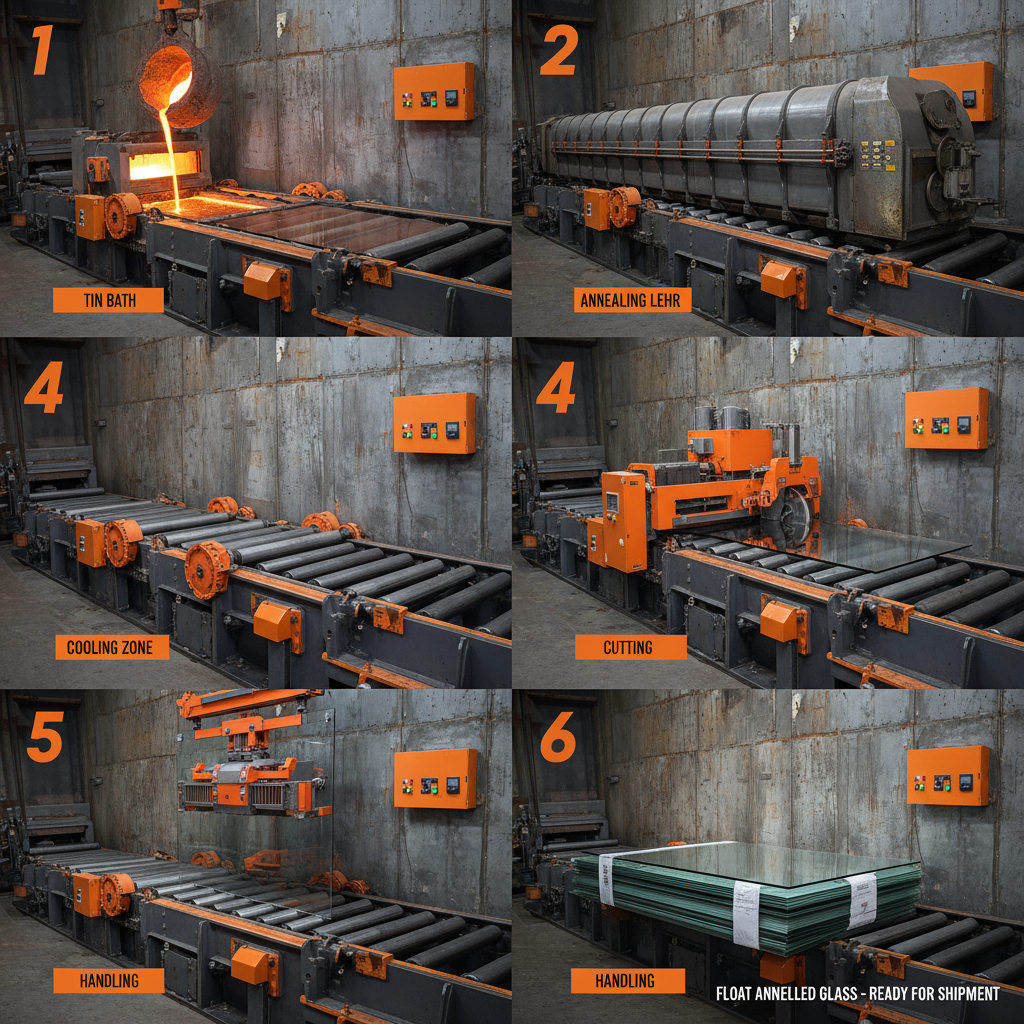
The “float” process, developed in the 1950s, revolutionized glass manufacturing. Molten glass is poured onto a bath of molten tin, creating a perfectly flat surface. This eliminates the need for grinding and polishing, resulting in a superior finish and consistent thickness. Following the floating process, the glass undergoes a carefully controlled annealing process. Annealing involves slowly cooling the glass to relieve internal stresses, making it significantly stronger and less susceptible to breakage. This is crucial for ensuring the glass is safe and durable for its intended applications. The precision of both stages determines the quality of the final float annealed glass product.
Key Takeaway: The float process and subsequent annealing create a flat, strong, and consistent glass product suitable for a wide range of uses.
Float annealed glass boasts several advantageous properties. It offers excellent optical clarity, allowing for maximum light transmission. It's relatively lightweight, easy to cut and install, and resistant to most chemicals. While not as strong as tempered glass, it provides a good balance of strength and affordability. Furthermore, it’s an excellent substrate for various coatings and treatments, such as laminated glass or low-E coatings, enhancing its performance characteristics. These properties make it an ideal choice for many everyday applications.
Key Properties at a Glance:
• High Optical Clarity
• Good Chemical Resistance
• Relatively Lightweight
• Easy to Cut & Install
While both float annealed and tempered glass originate from the float process, they differ significantly in strength and safety characteristics. Tempered glass undergoes an additional heat treatment, making it approximately four times stronger than annealed glass. When broken, tempered glass shatters into small, relatively harmless pieces, whereas annealed glass breaks into large, sharp shards. This makes tempered glass preferred for applications requiring high safety, like car windows and shower doors. However, tempered glass is more expensive and cannot be cut or drilled after tempering. Choosing between the two depends on the specific application and safety requirements. If you are looking for a reliable supplier of both types, TP Top Glass offers a comprehensive range of glass products.
The applications of float annealed glass are incredibly diverse. It's the primary material for windows in residential and commercial buildings, providing natural light and insulation. It’s used in furniture, such as table tops and shelves, adding a touch of elegance and durability. It's also a crucial component in picture frames, mirrors, and interior partitions. Furthermore, it serves as a base material for other glass products, like laminated glass (used for safety and security) and coated glass (for energy efficiency). Its versatility makes it a staple in countless industries.
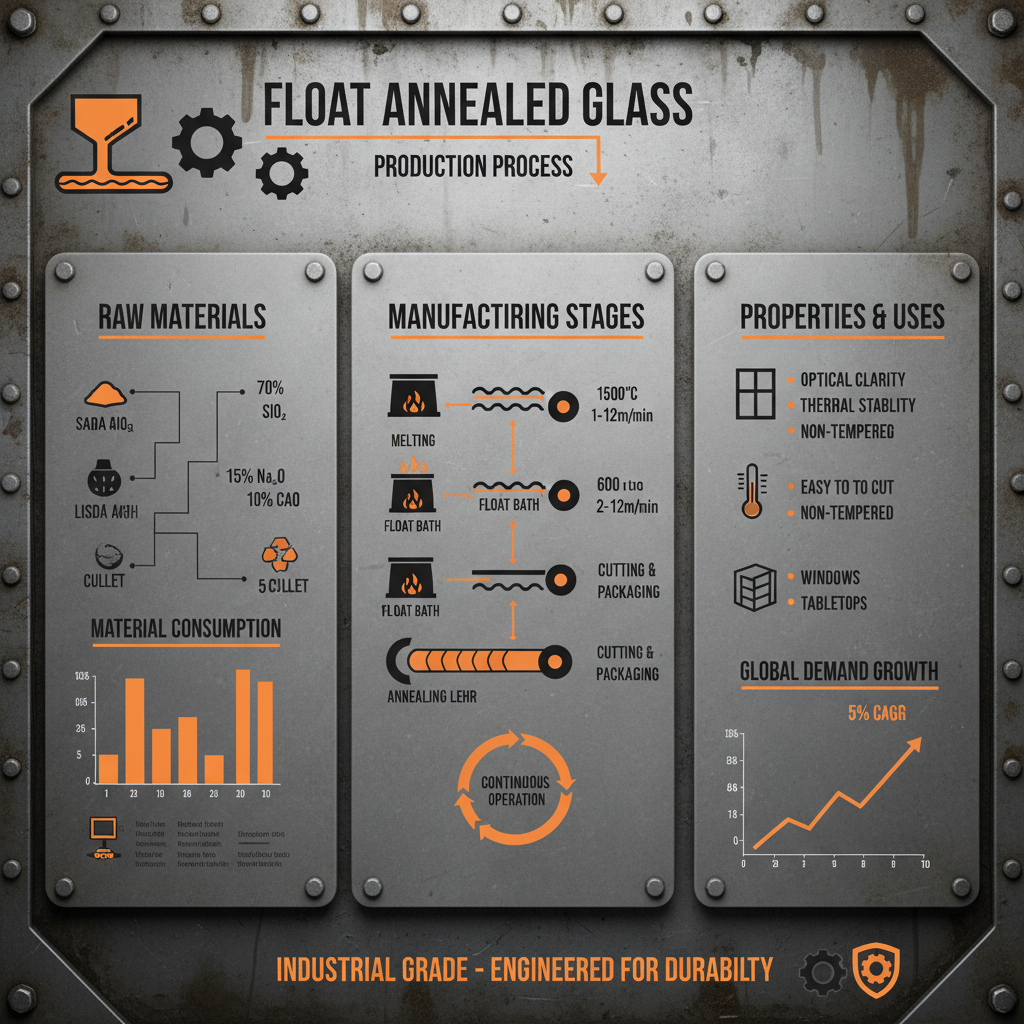
Float annealed glass is available in a wide range of thicknesses, from 2mm to 19mm, and various sizes to meet specific project requirements. Standard sizes often include 2140mm x 3300mm, 2440mm x 3660mm, and custom cuts are readily available. The choice of thickness depends on the intended application and the load-bearing requirements. Thicker glass provides greater strength and stability. TP Top Glass provides custom glass solutions tailored to your needs.
Float annealed glass remains a cornerstone material in numerous industries due to its affordability, versatility, and excellent optical properties. Its widespread availability and ease of processing make it a practical choice for a vast array of applications. Understanding its properties and limitations is crucial for selecting the right glass for your specific needs. For reliable sourcing and custom glass solutions, TP Top Glass is a trusted partner.
Annealed glass is the standard float glass that undergoes slow cooling to relieve stress. Heat-strengthened glass undergoes a more rapid cooling process than annealing, making it approximately twice as strong as annealed glass. However, it isn’t as strong as fully tempered glass. While heat-strengthened glass doesn’t shatter into small pieces like tempered glass, it does break into larger, more manageable shards compared to annealed glass. Heat-strengthened glass is often used in applications where increased strength is desired, but the safety characteristics of tempered glass aren’t essential.
Yes, float annealed glass is commonly used in laminated glass construction. Lamination involves bonding two or more layers of glass together with a polyvinyl butyral (PVB) interlayer. This creates a safety glass that, when broken, holds together due to the PVB interlayer, reducing the risk of injury. Laminated glass offers enhanced security, sound insulation, and UV protection. It's widely used in applications such as car windshields, skylights, and storefronts.
Float annealed glass can be used outdoors, but its durability may be affected by prolonged exposure to the elements. It’s not as resistant to weathering as other types of glass, such as tempered or laminated glass. For outdoor applications, it's often recommended to use thicker glass and consider applying a protective coating to enhance its resistance to UV radiation and moisture.
Cutting float annealed glass requires specialized tools and safety precautions. Always wear safety glasses and gloves to protect your eyes and hands. Use a glass cutter with a sharp wheel, applying even pressure to score the glass. Then, carefully snap the glass along the score line. Consider using a glass breaking tool to ensure a clean break. Smooth the edges with a sanding stone to prevent cuts. If you are not experienced in glass cutting, it's best to have it done by a professional.

Shahe City economic Development Zone 32,hebei,P.R .China.

+8618686009698
+8613191439158

eoch@shtopglass.com
jason@shtopglass.com