



3mm float glass is a versatile material widely used in a variety of applications, from picture framing to architectural glazing. Its clarity, affordability, and ease of processing make it a popular choice for both residential and commercial projects. This article will delve into the properties, uses, benefits, and factors to consider when selecting 3mm float glass, providing a comprehensive guide for anyone looking to understand this essential building material. Choosing the right glass type is crucial for any project’s success, and understanding the nuances of 3mm float glass is a great place to start.
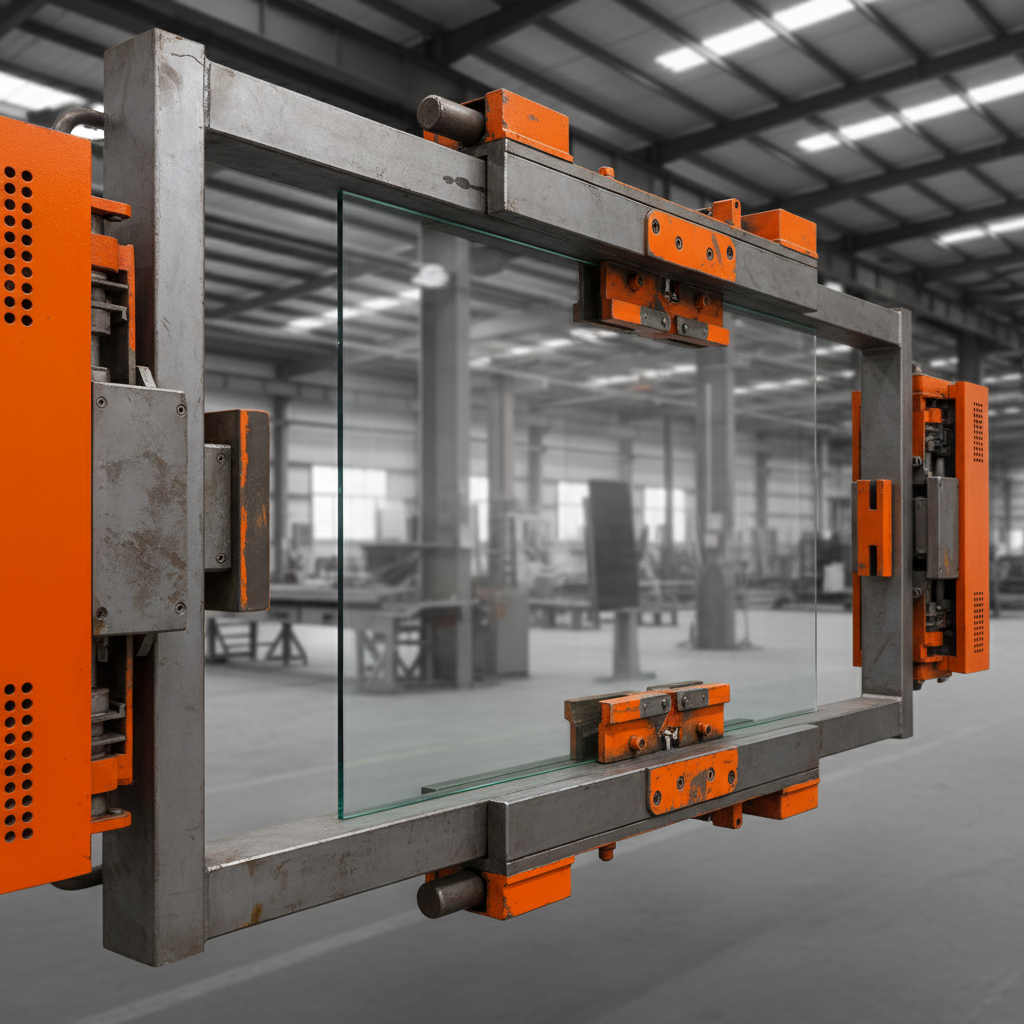
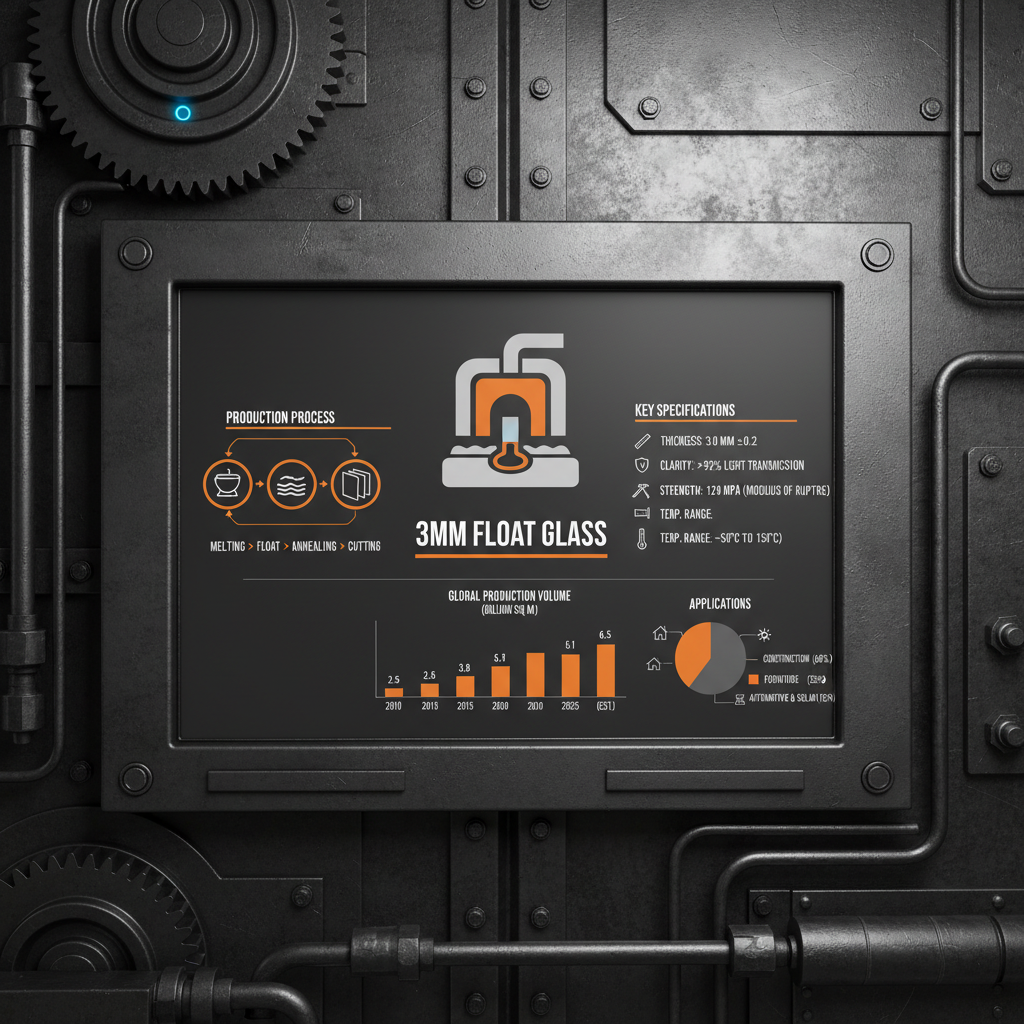
Float glass is manufactured through a process where molten glass is floated on a bed of molten tin. This creates a remarkably flat and uniform surface, free from distortion. The resulting glass is then cooled and cut to various thicknesses. 3mm float glass specifically refers to glass that has been processed to a thickness of 3 millimeters. While other thicknesses are available (e.g., 4mm, 6mm, 10mm), 3mm is often favored for applications where weight and thinness are important considerations, such as picture frames and certain types of furniture. It strikes a balance between durability and flexibility. The manufacturing process ensures excellent optical quality, providing high light transmission.
Key Characteristics: Excellent clarity, uniform thickness, smooth surface, easy to cut and process, relatively lightweight.
The versatility of 3mm float glass makes it suitable for a wide range of applications. Here are some of the most common:
For larger applications, however, thicker glass is usually recommended for increased safety and structural integrity. You can explore a wider range of glass options, including tempered and laminated glass, at TPTopGlass.
Choosing 3mm float glass offers several distinct advantages:
These benefits make 3mm float glass a practical and economical choice for a variety of projects. When considering material costs and ease of use, it often represents the best value for money.
Key Benefits Recap:
• Cost-Effective
• Easy to Cut and Process
• High Light Transmission
• Relatively Lightweight
Selecting the right glass thickness depends on the specific application and load requirements. Here's a comparison of 3mm float glass with other commonly used thicknesses:
TPTopGlass offers a wide selection of 3mm float glass, cut to your exact specifications. We provide both standard and custom sizes, ensuring a perfect fit for your project. Our commitment to quality and efficient service makes us a trusted partner for businesses and individuals alike. We offer competitive pricing and fast turnaround times. Contact us today to discuss your needs and request a quote. You can browse our full catalog and learn more about our capabilities at www.tptopglass.com.
While 3mm float glass can technically be tempered, it’s generally not recommended. The tempering process introduces stress into the glass, and thinner glass is more susceptible to breakage during this process or from minimal impact after tempering. Tempering is more effective and safer with thicker glass (typically 4mm or greater). The risk of spontaneous breakage is increased with tempered 3mm glass. For applications requiring increased safety, consider using laminated glass or thicker, tempered glass instead. Contacting us at TPTopGlass will help you determine the best glass option for your needs.
3mm float glass, while relatively thin and lightweight, still poses a risk of cuts if broken. Always wear safety glasses and gloves when handling and cutting the glass. Use appropriate tools designed for glass cutting, and ensure your work area is clean and well-lit. When disposing of broken glass, carefully sweep up all shards and place them in a designated container for safe disposal. Never attempt to handle large pieces of broken glass without proper protective equipment. A small cut can quickly become infected, so prioritize safety.
While 3mm float glass can be used outdoors in sheltered locations, it’s not recommended for exposed areas or applications subject to high winds or significant impact. It lacks the structural strength to withstand harsh weather conditions. For outdoor glazing, thicker glass or laminated glass is preferred. Laminated glass provides greater safety by holding the glass shards together if broken. Consider the specific environmental factors and consult with a glass professional to determine the best glass type for your application. We can advise you at TPTopGlass.
The lead time for custom-cut 3mm float glass orders depends on the complexity of the order and our current workload. Typically, standard cuts can be completed within 3-5 business days. More complex cuts, such as those requiring specialized shaping or processing, may take 7-10 business days. We strive to provide fast and efficient service without compromising on quality. We will always provide you with an estimated lead time when you place your order. Contact our customer service team at TPTopGlass for a more accurate estimate.

Shahe City economic Development Zone 32,hebei,P.R .China.

+8618686009698
+8613191439158

eoch@shtopglass.com
jason@shtopglass.com