



In modern architectural and interior design, the demand for materials that combine aesthetic appeal with functional performance is ever-increasing. Among these, acid etched glass stands out as a sophisticated solution offering unparalleled light diffusion, privacy, and a distinctive matte finish. This specialized glass is produced by treating one or both surfaces of float glass with a hydrofluoric acid solution, creating a finely textured, translucent surface. This process results in a uniform, satiny appearance that disperses light, reduces glare, and offers privacy without significantly diminishing natural light transmission. Its versatility makes it an ideal choice for a wide array of B2B applications, from commercial building facades to intricate interior partitions.
The unique surface treatment not only enhances the glass's visual appeal but also provides practical benefits, such as resistance to fingerprints and smudges, making it easier to maintain compared to sandblasted alternatives. This document delves into the technical aspects, application potential, and strategic advantages of utilizing acid etched glass in diverse industrial and commercial contexts, ensuring decision-makers have comprehensive insights into this innovative material.
The production of acid etched glass is a meticulous chemical process that transforms ordinary float glass into a premium architectural material. Understanding the precise steps involved is crucial for appreciating its quality and consistency.
The typical service life of properly installed acid etched glass is comparable to that of standard float glass, extending over several decades, thanks to the permanent alteration of the glass surface rather than an applied coating. Target industries benefiting from this robust material include commercial architecture (facades, interiors), healthcare (privacy screens), hospitality (decorative panels), and retail (display cases, partitions), where aesthetics, durability, and low maintenance are paramount.
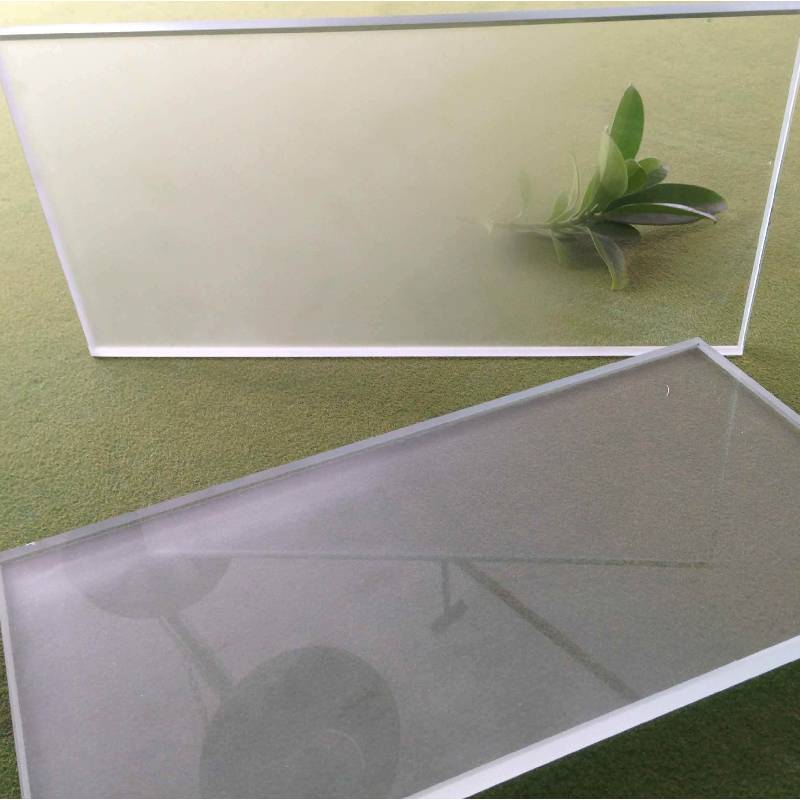
Figure 1: Illustration of the uniform, matte surface achieved through the acid etching process.
Understanding the precise technical parameters of acid etched glass is crucial for architects, designers, and engineers in making informed material selections. The unique surface finish imparts specific optical and physical properties that distinguish it from clear or sandblasted glass.
| Parameter | Typical Range/Value | Relevance & Standard |
|---|---|---|
| Thickness | 3mm to 19mm | Determines structural integrity and application scope. Conforms to EN 572-2. |
| Maximum Dimensions | 3300mm x 6000mm (standard) | Availability for large-scale architectural projects. |
| Light Transmission (Visible) | 85% - 92% (depending on thickness/etching depth) | Allows natural light while obscuring clear view. Tested per ISO 9050. |
| Haze Value | 75% - 95% | Measures light scattering; higher haze means greater privacy. ASTM D1003. |
| Surface Roughness (Ra) | 0.5µm - 2.0µm | Quantifies the fine texture, influencing light diffusion and tactile feel. |
| UV Transmittance | ~70% (similar to clear float glass) | Important for applications requiring UV filtration (can be laminated for blocking). |
| Moisture Resistance | Excellent | Suitable for high-humidity environments (bathrooms, spas). DIN EN 1036. |
| Product Type | Key Characteristic | Typical Application |
|---|---|---|
| Acid Etched Laminated Glass | Enhanced safety (retains fragments upon breakage), acoustic insulation, UV protection (with specific interlayers). | Overhead glazing, balustrades, security partitions, environments requiring sound dampening. |
| Acid Etched Toughened Glass | Up to 5 times stronger than annealed glass; shatters into small, blunt pieces for safety. | Shower enclosures, glass doors, table tops, areas subject to impact risk. |
| Acid Etched Mirror Glass | Etched surface on the non-reflective side for a unique matte effect, or etched on the reflective side for intricate patterns. | Decorative wall panels, interior design features, specialty furniture. |
| Acid Etched Glass Panels (Architectural Grade) | Large format, custom thickness, and tailored etching depth for specific architectural requirements. | Exterior facades, large interior partitions, skylights. |
These specifications highlight the adaptability and high-performance nature of acid etched glass, allowing it to meet diverse project demands, from purely aesthetic to high-security applications. All products typically comply with relevant international standards such as ISO, ASTM, and EN series.
The market for acid etched glass is experiencing robust growth, driven by increasing demand for sophisticated, sustainable, and functional architectural materials. Key trends shaping the industry include:
The global architectural glass market, of which etched glass is a significant segment, is projected to grow at a CAGR of over 7% through 2028, with a strong emphasis on smart and specialty glass products. This trajectory underscores the increasing relevance and demand for sophisticated solutions like acid etched glass in various commercial, institutional, and residential projects worldwide.
The versatility of acid etched glass makes it suitable for a vast array of application scenarios, providing both aesthetic and functional benefits.
Case Study 1: Corporate Headquarters Interior (XYZ Corp, London)
For a major corporate headquarters renovation, acid etched glass panels were selected for all internal office partitions and meeting room enclosures. The primary goal was to maintain an open-plan feel while providing necessary visual privacy for focused work and confidential discussions. The high light transmission (88%) of the etched glass allowed natural light from exterior windows to penetrate deep into the building's core, significantly reducing the need for artificial lighting during daylight hours. This contributed to a 15% reduction in energy consumption for lighting and improved employee well-being, receiving positive feedback from staff regarding the comfortable and sophisticated ambiance. The ease of maintenance also reduced operational costs.
Case Study 2: Luxury Hotel Bathroom Enclosures (The Grandeur, Dubai)
In a five-star hotel project, acid etched toughened glass was chosen for all shower and toilet cubicle enclosures. The architects opted for a specific etching depth to achieve a delicate balance between privacy and a spacious feel, enhancing the luxurious guest experience. The non-porous nature of the etched surface proved highly resistant to water marks and soap scum buildup, drastically simplifying cleaning protocols for the hotel's housekeeping staff. This choice improved the guest experience and resulted in a notable decrease in daily cleaning time per room, leading to operational efficiencies.
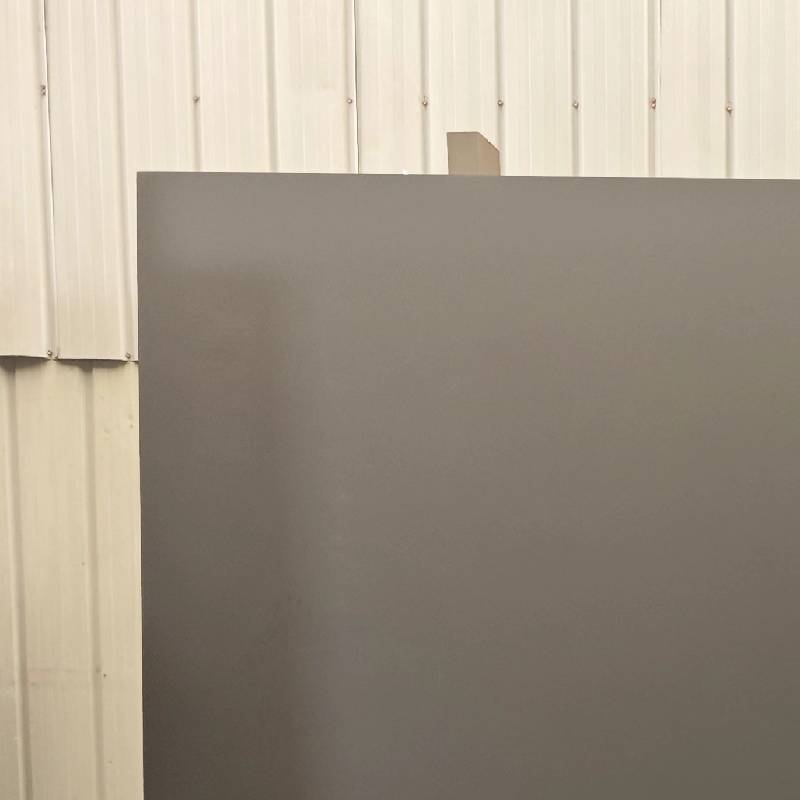
Figure 2: Illustrative use of acid etched glass in a modern interior setting, highlighting privacy and light diffusion.
The distinctive properties of acid etched glass provide several compelling advantages over traditional clear or sandblasted glass, making it a preferred choice for discerning B2B clients.
These combined technical advantages underscore why acid etched glass is a premium solution for projects requiring durability, aesthetic sophistication, and functional excellence.
Selecting the right vendor for acid etched glass is critical for ensuring project success, given the nuances in quality, customization capabilities, and support services.
| Factor | High-Quality Vendor Traits | Lower-Tier Vendor Risks |
|---|---|---|
| Product Quality & Consistency | Uniform etching, precise haze levels, defect-free surfaces. ISO 9001 certified manufacturing. | Inconsistent etching, blotches, visible defects, poor batch-to-batch consistency. |
| Customization Capabilities | Ability to produce various patterns, colors, sizes, and etching depths; integration with other glass types (e.g., acid etched laminated glass). | Limited options for patterns, standard sizes only, difficulty in combining with other glass types. |
| Technical Support & Expertise | Experienced technical team, design assistance, detailed specification guidance, post-sales support. | Minimal technical advice, lack of understanding of complex project needs. |
| Lead Time & Logistics | Reliable production schedules, efficient global logistics, on-time delivery. | Frequent delays, unreliable shipping, poor communication on order status. |
| Certifications & Compliance | Adherence to international standards (e.g., CE, ASTM, ANSI) and relevant safety regulations. | Lack of certifications, non-compliance with industry safety standards. |
Leading manufacturers understand that every project has unique requirements. Customization options for acid etched glass include:
A reputable vendor acts as a solutions partner, offering expert consultation to translate design visions into tangible, high-quality acid etched glass products, ensuring optimal performance and aesthetic integration.
Standard acid etched glass orders typically have a lead time of 10-15 business days from order confirmation for manufacturing and initial quality checks, depending on volume and specific processing requirements. For highly customized solutions, including unique patterns, custom sizes, or integrated laminating/tempering, lead times may extend to 3-4 weeks. Expedited options are often available upon request and subject to project specifics. We maintain efficient global logistics partnerships to ensure timely and secure delivery to project sites worldwide, providing comprehensive tracking and clear communication throughout the fulfillment process.
Our acid etched glass products are backed by a comprehensive 10-year limited warranty against manufacturing defects that impair the aesthetic or functional integrity of the etched surface under normal use and maintenance. This warranty covers issues such as delamination (for acid etched laminated glass), surface deterioration, or significant inconsistencies in the etched finish not caused by improper installation, misuse, or external damage. We are committed to delivering products that meet stringent quality standards and stand behind their long-term performance. Full warranty details and terms are available upon request.
Our dedicated customer support team is available to assist with all inquiries, from technical specifications and customization options to order placement and after-sales service. We offer expert consultation for project planning, material selection, and installation guidance. You can reach our support specialists via phone, email, or through our website's contact portal. Our goal is to ensure a seamless experience and provide responsive assistance throughout the lifecycle of your project.
Acid etched glass represents a pinnacle in architectural and interior glass solutions, offering an unparalleled blend of aesthetic elegance, functional performance, and long-term durability. Its capacity for light diffusion, enhanced privacy, and ease of maintenance makes it an invaluable asset for modern commercial and residential projects. As industry trends lean towards sustainable, customizable, and high-performance materials, the strategic application of acid etched glass continues to expand, providing innovative solutions for complex design challenges.
By understanding its detailed manufacturing process, comprehensive technical specifications, and diverse application potential, B2B decision-makers can confidently leverage acid etched glass to create inspiring, functional, and efficient spaces that meet contemporary demands for both beauty and utility. Partnering with a reputable manufacturer ensures access to superior product quality, robust customization options, and unwavering support, cementing the value proposition of this exceptional material.

Shahe City economic Development Zone 32,hebei,P.R .China.

+8618686009698
+8613191439158

eoch@shtopglass.com
jason@shtopglass.com