



French Green float glass, also known as antique green glass, is a specialized glass prized for its unique aesthetic and historical significance. It's becoming increasingly popular in architectural projects seeking a vintage or artistic touch. This article will explore the characteristics of this beautiful glass, its diverse applications, sourcing options, and considerations for using it effectively in your projects. We will delve into what makes French Green Float Glass a sought-after material for designers and builders.

What sets French Green Float Glass apart is its subtle, antique green hue. This coloration isn't achieved through modern tinting processes, but rather originates from the natural impurities – primarily iron oxide – present in the raw materials used during the glassmaking process. The slight variations in iron content contribute to unique color shades within each sheet, making every panel slightly different. This also gives the glass a slightly wavy texture, further enhancing its vintage appearance. It’s a visually striking alternative to standard clear float glass. The gentle tint also offers a degree of solar control, reducing glare and heat gain.
Key Highlights: Natural iron oxide impurities create a unique green hue and slight waviness. Offers a subtle level of solar control and glare reduction. Each sheet exhibits unique color variations.
The distinctive aesthetics of French Green Float Glass make it ideal for a diverse range of applications. It's frequently used in historical restoration projects where maintaining the original aesthetic is crucial. Modern applications include interior design elements such as shower enclosures, backsplashes, cabinet doors, and decorative panels. Its unique color also complements contemporary architectural styles, adding a touch of vintage charm. Furthermore, it’s utilized in stained glass projects and artistic installations.
Application Areas:
• Historical Restoration
• Interior Design (Shower Enclosures, Backsplashes)
• Decorative Panels & Cabinet Doors
• Stained Glass Projects
Choosing between French Green Float Glass and standard clear glass depends on the project requirements. While clear glass offers maximum light transmission, French Green glass provides a unique aesthetic appeal and subtle solar control. The green tint alters the color perception of objects viewed through it, creating a distinct atmosphere. The slight waviness in French Green glass can also affect visual clarity, though this is often considered a desirable characteristic. Considering the trade-offs between light transmission, aesthetics, and solar control is key to making the right decision.
When sourcing French Green Float Glass, it's vital to work with reputable suppliers who can guarantee quality and consistency. TPTopGlass specializes in providing high-quality French Green Float Glass for a variety of applications. We offer custom sizes and thicknesses to meet specific project needs. Consider factors like lead times, shipping costs, and minimum order quantities when making your selection. Ensure the supplier provides accurate product specifications and documentation.
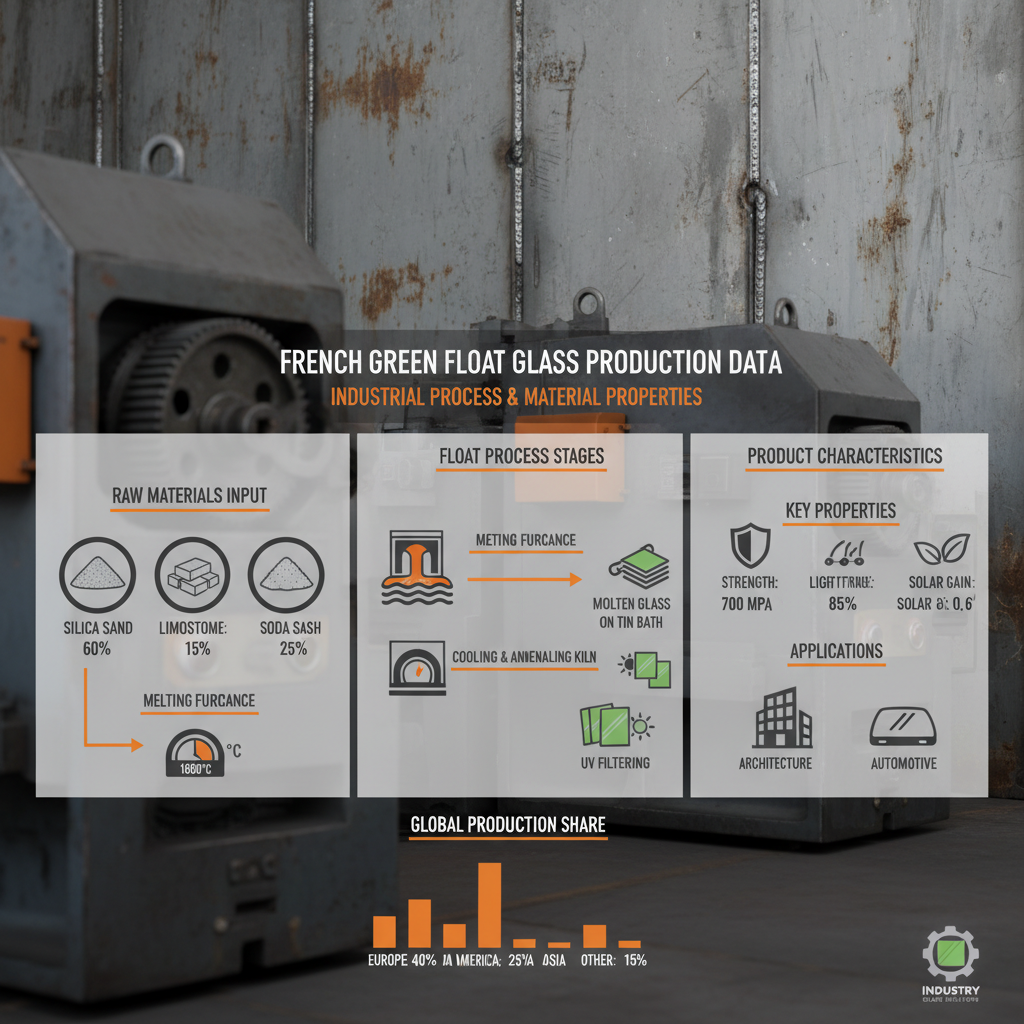
French Green Float Glass is typically available in thicknesses ranging from 3mm to 19mm. Standard sheet sizes include 2140mm x 3300mm and 2440mm x 3660mm, but custom cutting is often available. The glass conforms to BS EN 12150 standards for float glass. The exact shade of green can vary slightly between batches, so it's recommended to request samples before placing a large order. We at TPTopGlass can provide detailed specifications and availability information.
French Green Float Glass offers a unique and aesthetically pleasing alternative to traditional glass. Its subtle green hue, slight waviness, and historical charm make it an excellent choice for a variety of applications. By carefully considering your project needs and sourcing from a reputable supplier like TPTopGlass, you can seamlessly integrate this beautiful material into your designs.
Yes, French Green Float Glass can be tempered or laminated to enhance its strength and safety. Tempering creates a hardened glass that is more resistant to breakage, while lamination bonds a layer of plastic between two sheets of glass for increased security and impact resistance. These processes are particularly important for applications where safety is a concern, such as shower enclosures or railings. We offer both tempering and lamination services at TPTopGlass.
While French Green Float Glass can be used outdoors, it's important to consider its limitations. Prolonged exposure to direct sunlight and harsh weather conditions can cause fading or discoloration over time. For outdoor applications, it's recommended to use a protective coating or laminate the glass to enhance its durability and UV resistance. Proper sealing and installation are also crucial to prevent moisture damage.
In historical restoration projects, French Green Float Glass is primarily used to replace damaged or missing glass panes in windows and doors. Its antique appearance closely matches the original glass found in older buildings, ensuring a seamless and authentic restoration. It’s also used in the creation of stained glass panels replicating original designs. Maintaining the original aesthetic is paramount in these projects, making French Green Glass the ideal choice.
The thickness of the glass should be determined by its intended use and structural requirements. For smaller decorative panels, a 3mm or 4mm thickness may suffice. However, for larger windows, shower enclosures, or applications requiring greater strength, a thicker glass (6mm or higher) is recommended. Always consult with a structural engineer or glass specialist to ensure the chosen thickness meets safety standards and load-bearing requirements.

Shahe City economic Development Zone 32,hebei,P.R .China.

+8618686009698
+8613191439158

eoch@shtopglass.com
jason@shtopglass.com