



12mm float glass is a versatile and robust material widely used in a range of applications, from architectural glazing to furniture design. Its increased thickness provides enhanced strength, stability, and safety compared to standard float glass. This article will explore the key characteristics of 12mm float glass, its diverse applications, and the benefits it offers to both residential and commercial projects. We will cover topics such as its production process, specifications, safety features, and cost considerations, helping you make informed decisions for your glazing needs.
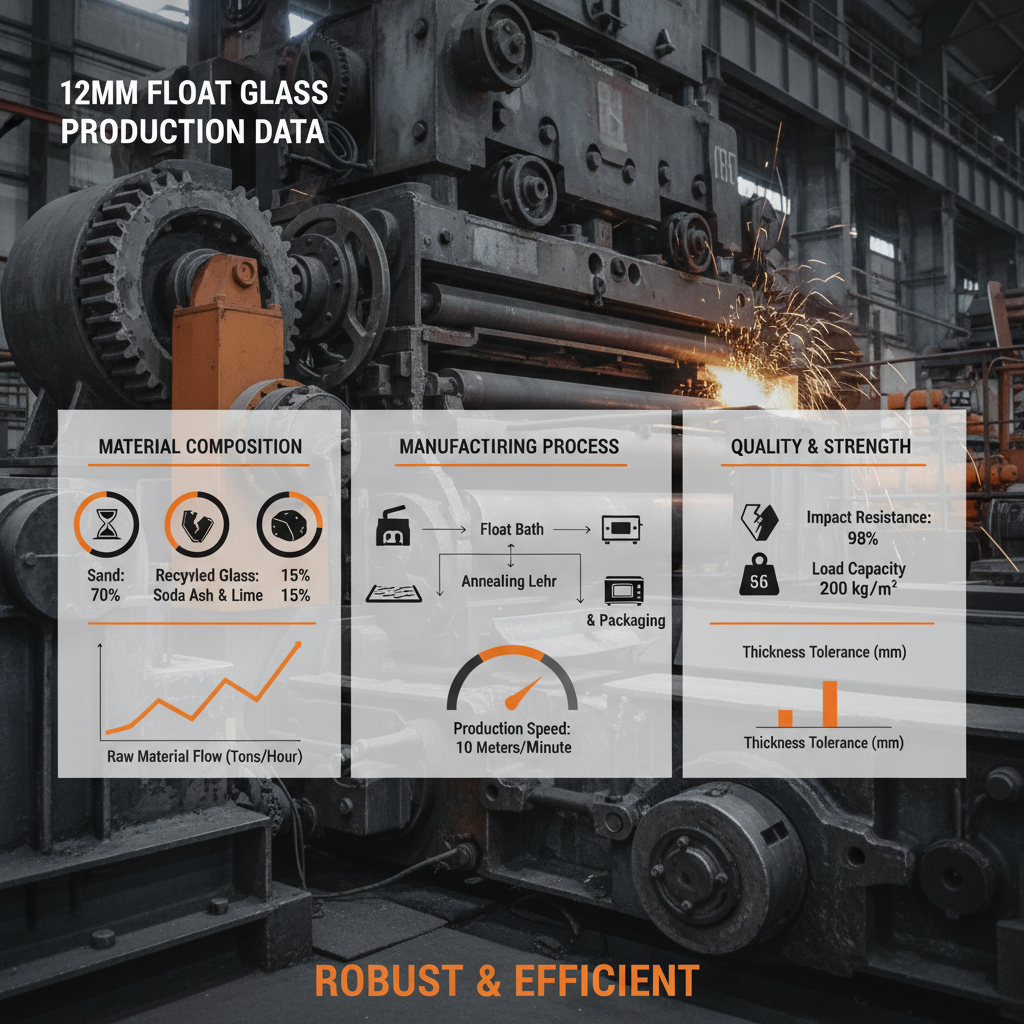
The production of 12mm float glass is a sophisticated process ensuring high quality and consistent thickness. It begins with carefully selected raw materials, including silica sand, soda ash, and limestone. These materials are melted at extremely high temperatures (around 1500°C) in a continuous flow process. The molten glass is then ‘floated’ on a bed of molten tin, creating a perfectly flat and uniform surface. This unique process eliminates the need for grinding and polishing, resulting in a glass sheet with exceptional clarity and smoothness. The thickness is precisely controlled during this stage, culminating in the final 12mm specification. Tptopglass utilizes state-of-the-art technology to maintain stringent quality control throughout the entire production cycle.
Key Highlights: The float process ensures a perfectly flat surface and uniform thickness, eliminating the need for grinding and polishing.
The increased strength and durability of 12mm float glass make it ideal for a wide array of applications. Common uses include: large windows and doors in both residential and commercial buildings, shower screens and enclosures demanding greater impact resistance, balustrades and railings providing enhanced safety, furniture surfaces such as tabletops, and protective barriers in high-traffic areas. Its ability to withstand higher wind loads and impacts also makes it a preferred choice for exterior glazing projects. Furthermore, 12mm glass can be further processed, such as tempered or laminated, to provide even greater safety and security.
Application Areas:
• Large windows and doors
• Shower screens and enclosures
• Balustrades and railings
• Furniture tabletops
Choosing the right glass thickness is crucial for safety, performance, and cost-effectiveness. While thinner glass options (e.g., 4mm, 6mm) are suitable for smaller applications, 12mm glass provides superior strength and stability for larger or more demanding projects. Compared to 8mm or 10mm glass, the increased thickness offers greater resistance to breakage and deflection. Here’s a quick comparative overview:
While 12mm float glass is inherently stronger than thinner options, it can be further enhanced for increased safety. Tempering heat-treats the glass to create a significantly stronger and more shatter-resistant product. Lamination bonds layers of glass together with an interlayer, preventing shattering and holding the glass together even when broken. These processes are frequently employed in applications such as shower screens, balustrades, and doors to meet safety regulations and minimize the risk of injury. Tptopglass offers both tempering and lamination services to tailor the glass to your specific safety requirements.
The cost of 12mm float glass is higher than that of thinner glass options due to the increased material usage and more energy-intensive production process. However, the long-term benefits of enhanced safety, durability, and reduced replacement costs often outweigh the initial investment. Factors influencing the overall cost include the size and quantity of the glass, any additional processing (tempering, lamination), and transportation expenses. Obtaining quotes from reputable suppliers like Tptopglass is essential for accurate pricing and project budgeting.
12mm float glass offers a compelling combination of strength, safety, and versatility, making it an excellent choice for a wide range of applications. By carefully considering your project requirements and consulting with experienced suppliers like Tptopglass, you can ensure you select the optimal glass solution for your needs. Prioritizing quality and safety will provide lasting value and peace of mind.
The maximum size of 12mm float glass can vary depending on the manufacturer and transportation capabilities. Typically, standard sizes range up to 3.21m x 2.25m (126” x 89”). However, larger sizes may be available upon request and may require specialized handling and transportation. It’s essential to consult with your supplier to determine the feasible dimensions for your specific project. Considerations such as glass weight and handling logistics become increasingly important with larger sheets.
Yes, 12mm float glass can be drilled and cut, but it requires specialized tools and techniques to prevent cracking or breakage. It's highly recommended to use diamond-tipped drill bits and cutting wheels designed for glass. Proper cooling during the drilling and cutting process is also essential. For complex cuts or large quantities, it's best to outsource the fabrication to a professional glass cutting and processing company like Tptopglass to ensure precision and quality.
The lead time for ordering 12mm float glass can vary depending on the quantity, size, and any additional processing required (e.g., tempering, lamination). Standard sizes typically have a lead time of 5-7 business days. Custom sizes or processed glass may require 2-4 weeks. It's best to check with your supplier for the most accurate lead time estimate based on your specific order requirements. Confirming availability and production schedules in advance can help ensure timely delivery.
Cleaning 12mm float glass is relatively straightforward. Use a mild detergent mixed with warm water and a soft cloth or sponge. Avoid abrasive cleaners or scouring pads, as they can scratch the surface. Rinse thoroughly with clean water and dry with a lint-free cloth to prevent water spots. For stubborn stains, a glass cleaner specifically designed for windows and mirrors can be used. Regular cleaning will maintain the clarity and appearance of the glass.

Shahe City economic Development Zone 32,hebei,P.R .China.

+8618686009698
+8613191439158

eoch@shtopglass.com
jason@shtopglass.com