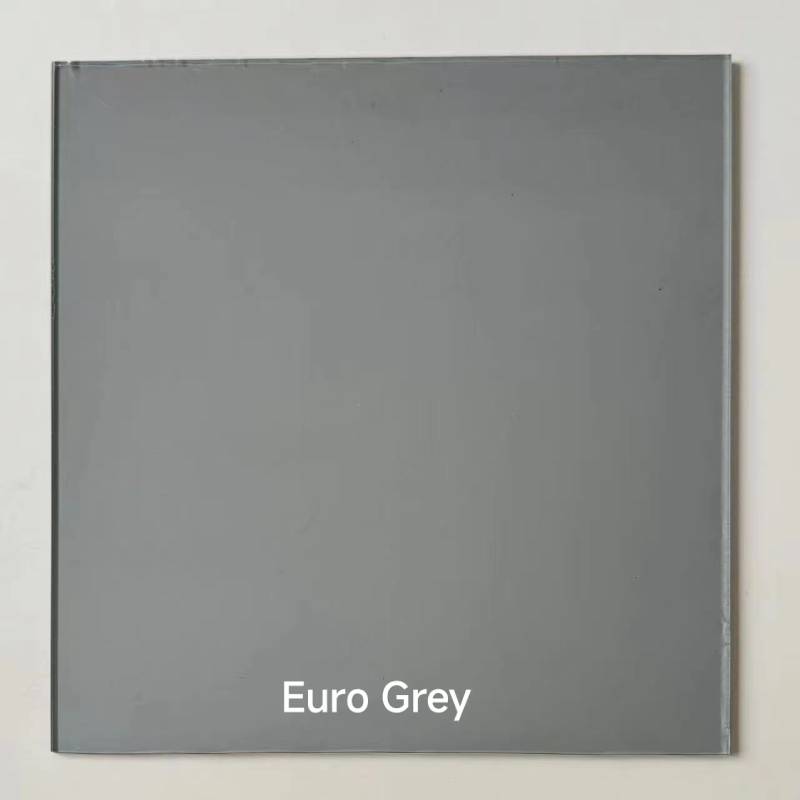
Discover solar control and UV protection solutions with tinted glass. Shahe Top Glass offers durable, energy-efficient tinted glass for architecture, automotive, and decorative applications. Explore advanced technology and premium quality. Visit: https://www.tptopglass.com
Replacing IGU (Insulated Glass Unit) glass can significantly improve the energy efficiency and comfort of your building. Whether due to accidental breakage, seal failure leading to condensation, or simply the need for an upgrade, understanding the process and options is crucial. This article will provide a detailed overview of IGU glass replacement, covering the benefits, process, costs, and factors to consider. We'll also highlight the expertise offered by TPTopGlass in delivering high-quality IGU replacement services. IGU glass failures manifest in several ways, all indicating a need for replacement. Common reasons include seal failure, causing condensation between the panes; physical breakage from impact; and decreased energy efficiency due to loss of insulating properties. Replacing a failed IGU restores thermal performance, reducing heating and cooling costs, and improves overall comfort.
Replacing an insulated glass unit (IGU) can significantly improve energy efficiency and comfort in your home or building. Understanding the factors that influence insulated glass unit replacement cost is crucial for budgeting and making informed decisions. This article provides a detailed breakdown of the costs involved, including materials, labor, and additional considerations. We will explore different types of IGU replacements and provide a comprehensive overview to help you estimate the expenses associated with your project. Several factors contribute to the overall cost of an IGU replacement. The size of the unit is a primary determinant, with larger windows naturally requiring more materials and labor. The type of glass used – such as standard, low-E, tempered, or laminated – also affects the price. Low-E glass, designed to improve energy efficiency, is generally more expensive. Furthermore, the complexity of the installation, including accessibility and the presence of challenging window designs, can increase labor costs. Finally, geographic location and contractor rates play a significant role in pricing. Getting multiple quotes from different providers is always recommended.
When it comes to safety, durability, and versatility in glass applications, fully tempered glass stands as a superior solution. This specialized glass undergoes a heat treatment process that significantly enhances its strength and resistance to breakage. From architectural glazing to automotive components, and even protective screens for electronics, the applications of fully tempered glass are vast. This article will delve into the manufacturing process, key benefits, applications, safety considerations, and quality standards associated with fully tempered glass. Understanding these aspects is crucial for professionals across various industries seeking the best glass solution for their needs. Fully tempered glass, also known as toughened glass, is created through a controlled thermal tempering process. This involves heating the glass to a high temperature (typically around 620-680°C) and then rapidly cooling it. This rapid cooling creates compressive stresses on the surface of the glass, making it significantly stronger than standard annealed glass. When broken, fully tempered glass shatters into small, relatively harmless pieces, reducing the risk of serious injury.
In a world increasingly reliant on durable and safe materials, full tempered glass stands out as a remarkable achievement in glass technology. It’s a material used extensively across various industries, from construction and automotive to electronics and furniture. This article will explore the characteristics, manufacturing process, applications, and benefits of full tempered glass, offering a comprehensive guide for both industry professionals and consumers. Understanding the intricacies of this glass type is crucial for making informed decisions regarding its implementation and ensuring safety and longevity. Full tempered glass, also known as fully tempered glass, is a type of safety glass that has undergone a special heat treatment process. This process significantly increases its strength compared to standard annealed glass. Unlike standard glass which breaks into large, sharp shards, when full tempered glass breaks, it shatters into small, relatively harmless fragments.
Tempered safety glass is a vital material in numerous applications, from automotive windshields to building facades. Its exceptional strength and unique fracture pattern make it a preferred choice where safety is paramount. This article will delve into the intricacies of tempered glass – how it's made, its key benefits, common applications, and important considerations for sourcing high-quality products. We'll also discuss factors affecting its cost and how TP Top Glass can fulfill your tempered glass needs. Choosing the right glass can significantly reduce the risk of injury and enhance the durability of your projects. The process of creating tempered safety glass begins with standard annealed glass. This glass is then subjected to a carefully controlled heating and cooling process. First, the glass is heated to approximately 620-680°C (1148-1256°F), reaching a point just below its softening point. This heating stage creates uniform thermal stress. Next, the heated glass is rapidly cooled – typically with jets of cold air – a process known as quenching.
Tempered laminated glass is a high-performance safety glass widely used in a variety of applications, from automotive windshields to architectural facades. It offers superior strength, safety, and security compared to standard glass. This article provides an in-depth look at tempered laminated glass, its benefits, manufacturing process, applications, and factors to consider when choosing the right type for your needs. We’ll explore why TPTopGlass is a leading provider of quality tempered laminated glass. Tempered laminated glass is created by bonding two or more layers of glass together with a layer of polyvinyl butyral (PVB) or ethylene-vinyl acetate (EVA) interlayer. This interlayer holds the glass fragments together if the glass breaks, reducing the risk of injury. The glass itself is then heat-treated to increase its strength and resistance to impact. This process significantly enhances its overall performance. Understanding the composition is key to appreciating its benefits.
Understanding the insulated glass price per square foot is crucial for any building project, whether commercial or residential. Factors impacting the cost can be complex, ranging from glass type and thickness to size and specific coatings. This guide provides a detailed breakdown of these factors, helping you navigate the pricing landscape and make informed decisions. We'll explore average costs, variations based on specifications, and tips for obtaining accurate quotes. The cost of insulated glass, also known as double-pane or triple-pane glass, isn't a one-size-fits-all figure. Several elements contribute to the final price. These include the type of glass used (e.g., float glass, tempered glass, laminated glass), the thickness of the glass panes, the width of the air space between the panes, the type of gas fill (argon or krypton), and any coatings applied for energy efficiency or UV protection. Larger glass sizes typically have a lower cost per square foot than smaller, more complex cuts. Custom shapes and designs also significantly increase the price. The complexity of the installation also factors into the overall project cost.
Comprehensive guide to insulated glass costs for commercial projects. Learn about factors influencing price, supplier comparison, and long-term value with TPTopglass.