
logo
Sep . 08, 2025 19:13 Zurück zur Liste

Mirror Glass Wholesale: Quality Bulk Supply for Every Need

Navigating the Landscape of High-Quality mirror glass wholesale

In the dynamic B2B sector, the demand for high-performance optical and architectural glass components is ever-growing. Specifically, the procurement of mirror glass wholesale represents a critical consideration for industries ranging from construction and interior design to advanced electronics and automotive. This comprehensive guide delves into the technical intricacies, market dynamics, and strategic considerations for sourcing premium mirror glass, ensuring compliance with stringent industry standards and delivering unparalleled value.

The quality of mirror glass profoundly impacts final product aesthetics, durability, and functional performance. As a foundational component, understanding its manufacturing process, material science, and application versatility is paramount for B2B decision-makers. This article aims to equip professionals with the knowledge needed to make informed purchasing decisions, emphasizing technical specifications, customization potential, and long-term reliability.

Industry Trends and Market Outlook for Mirror Glass

The global market for mirror glass is experiencing robust growth, driven by innovation in smart home technologies, expansion in the construction sector, and evolving interior design trends that prioritize both aesthetics and functionality. Key trends include the increasing demand for eco-friendly and energy-efficient mirror solutions, such as those integrated with LED lighting (e.g., LED mirrors), and advanced coatings that offer enhanced durability and anti-fog properties.

Furthermore, the integration of smart features—like touch sensors, defoggers, and connectivity—is transforming traditional mirror glass into sophisticated, interactive elements. This shift necessitates suppliers capable of producing high-precision, technologically integrated glass solutions at a wholesale scale. The emphasis is also increasingly placed on sustainability, with manufacturers exploring greener production methods and recyclable materials to meet growing environmental regulations and consumer preferences. The automotive sector, for instance, demands increasingly complex mirror assemblies for advanced driver-assistance systems (ADAS), pushing the boundaries of optical quality and sensor integration.

Types of Mirror Glass and Their Specifications

Understanding the various types of mirror glass is crucial for specifying the correct product for any application. Each type offers distinct properties regarding reflection clarity, durability, and suitability for specific environments.
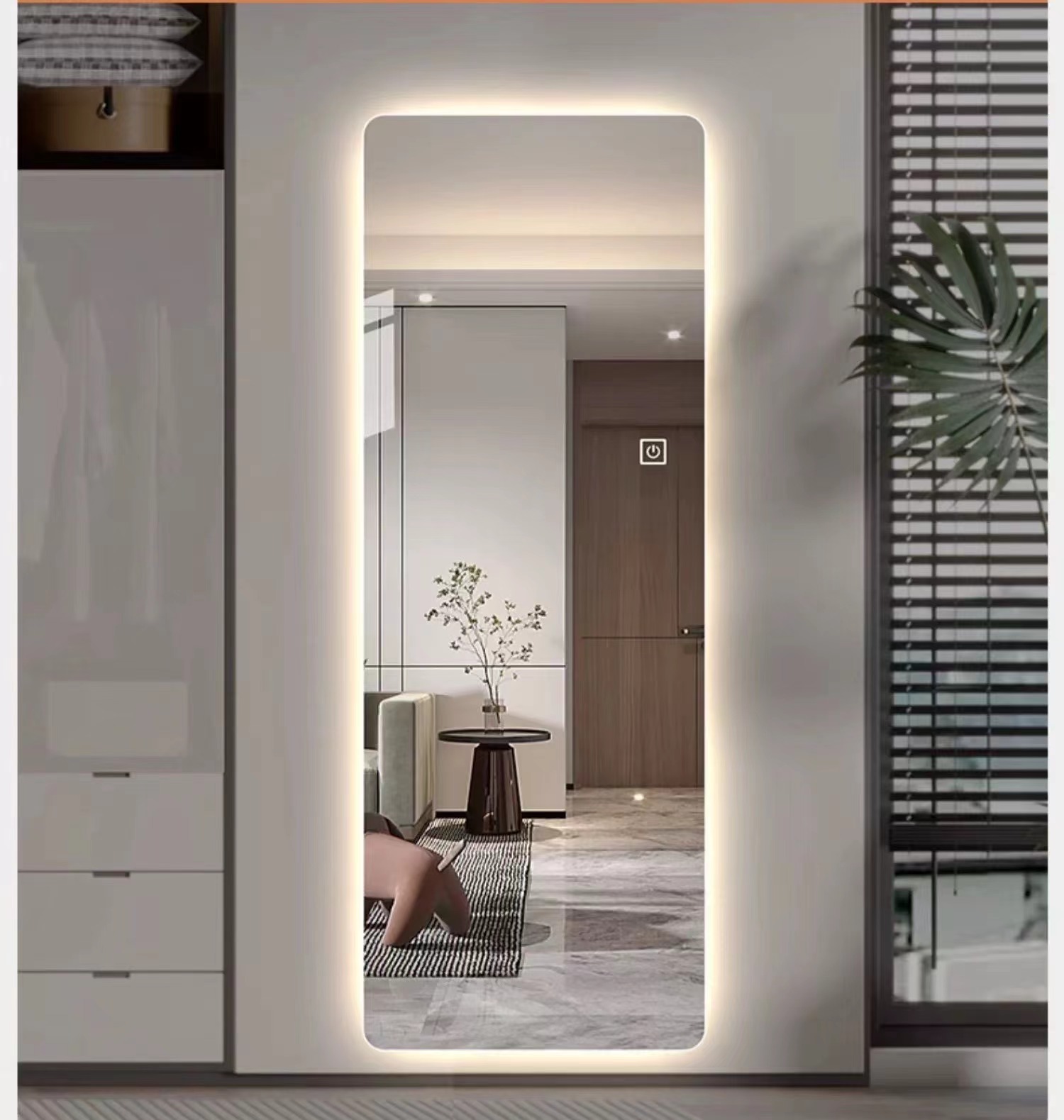
  • Silver Mirror: The most common type, manufactured by coating a clear glass substrate with a layer of silver, followed by protective layers. Offers excellent reflectivity and is ideal for general-purpose applications. Available in various thicknesses from 2mm to 8mm.
  • Aluminum Mirror: Produced by vacuum coating a glass substrate with aluminum. While slightly less reflective than silver mirrors (typically 85-90% vs. 90-95%), it is more cost-effective and lighter, making it suitable for decorative purposes where absolute clarity isn't critical.
  • Copper-Free & Lead-Free Mirror: An environmentally friendly alternative to traditional silver mirrors. These mirrors use advanced passivation layers, eliminating copper and lead, which are harmful during manufacturing and disposal. They offer superior corrosion resistance, particularly in humid environments, making them ideal for bathrooms and coastal regions.
  • Tinted Mirror: Created by using tinted glass substrates (e.g., grey, bronze, blue) before the reflective coating is applied. Used for aesthetic purposes to complement specific interior designs or to reduce glare.
  • Two-Way Mirror (Spy Mirror): Partially reflective and partially transparent, achieved through a very thin, precise metallic coating. Used in surveillance, smart mirror applications, and specialized architectural designs where one side needs to see through while the other appears as a mirror.
  • Antique Mirror: Processed to create a distressed, aged appearance. Achieved through various chemical and physical treatments to mimic vintage aesthetics, popular in decorative and heritage projects.
Mirror Glass Wholesale: Quality Bulk Supply for Every Need

The selection process for mirror glass for sale must consider not only the type but also critical technical parameters such as reflectance, thickness tolerance, edge work options (polished, beveled, seamed), and adhesion compatibility if used with mirror glass adhesive.

Detailed Manufacturing Process of Mirror Glass Wholesale

The production of high-quality mirror glass for wholesale distribution involves a sophisticated, multi-stage process that ensures precision, durability, and optical clarity. This process adheres to rigorous international standards, such as ISO 9001 for quality management and relevant ANSI standards for glass safety and performance.

1. Glass Substrate Preparation:

The foundation of any mirror is its glass substrate, typically float glass. This material is produced by pouring molten glass onto a bed of molten tin, allowing it to spread and cool to a uniformly flat surface with parallel faces. This initial casting process is critical for achieving optical flatness and minimizing distortions. Post-casting, the large glass sheets undergo precise cutting to desired dimensions, followed by meticulous cleaning. This cleaning phase is paramount, involving multiple washes with deionized water and brushes, followed by drying, to remove any dust, oils, or residues that could compromise the adhesion or quality of the reflective coating.

2. Sensitizing and Activation:

Before applying the reflective metal, the meticulously cleaned glass surface is sensitized. This involves treating the glass with tin chloride solution, which prepares the surface to accept the subsequent silvering or aluminum coating evenly and effectively. This chemical activation step is crucial for ensuring a strong, uniform bond between the glass and the metallic layer, preventing peeling or tarnishing over time.

3. Reflective Layer Deposition:

  • Silver Mirroring: For silver mirrors, a silver nitrate solution is precisely sprayed onto the sensitized glass. A reducing agent simultaneously converts the silver ions into metallic silver, depositing a thin, highly reflective layer onto the glass surface. This chemical process is carefully controlled to achieve optimal thickness and uniform coverage.
  • Aluminum Mirroring: For aluminum mirrors, the deposition typically occurs in a vacuum chamber through a process known as physical vapor deposition (PVD) or sputtering. Aluminum is vaporized and condenses onto the glass surface, forming a reflective layer. This method is often preferred for applications where lighter weight and specific reflective properties are desired.

4. Protective Layer Application:

The metallic reflective layer, particularly silver, is highly susceptible to oxidation and abrasion. To protect it, one or more layers of protective paint are applied. Traditionally, this involves a copper layer for corrosion resistance, followed by two layers of protective paint (primer and finish coat). Modern, eco-friendly mirrors often omit the copper, using advanced passivation layers and specialized paints to achieve superior corrosion resistance while minimizing environmental impact. These paints are typically lead-free and formulated for high adhesion and chemical resistance. After paint application, the mirror glass is cured in specialized ovens to ensure the protective layers are fully hardened and bonded.

5. Finishing and Quality Control:

After curing, the mirror glass undergoes various finishing processes, including CNC machining for precise shaping, edge grinding (seaming, polishing, beveling), and drilling as per customer specifications. Each piece then passes through stringent quality control checks. These include visual inspections for defects (scratches, pinholes, streaks), reflectivity measurements using spectrophotometers, adhesion tests of the protective layers, and accelerated corrosion tests (e.g., CASS test - Copper Accelerated Acetic Acid Salt Spray) to simulate long-term performance in harsh environments. Only products meeting ISO and other specified standards are approved for packaging and shipment.

Process Flow Schematic:

  1. Float Glass Production: Molten glass onto tin bath (Casting).
  2. Cutting & Edge Work: Precision sizing and initial shaping.
  3. Multi-Stage Cleaning: Washing and drying.
  4. Sensitizing & Activation: Tin chloride treatment.
  5. Reflective Layer Application: Silver nitrate or vacuum aluminum deposition.
  6. Protective Layer(s) Coating: Passivation layer (optional copper), primer, finish paint.
  7. Curing: Drying and hardening of protective layers.
  8. Final Fabrication: CNC machining, polishing, drilling.
  9. Quality Assurance: Visual, optical, corrosion, adhesion tests (ISO, ANSI compliance).
  10. Packaging & Logistics: Ready for mirror glass wholesale distribution.

The resulting mirror glass boasts an extended service life, typically 10-15 years under normal conditions, significantly exceeding conventional mirrors due to superior protective coatings. Target industries include petrochemical (control room windows), metallurgy (inspection panels), and water supply & drainage (bathroom and utility mirrors), where corrosion resistance and clarity are paramount. For instance, in modern residential and commercial buildings, the use of energy-saving LED mirrors, enabled by high-quality mirror glass, drastically reduces electricity consumption while enhancing ambient lighting and design versatility.

Technical Specifications and Performance Parameters

Selecting the appropriate mirror glass requires a thorough understanding of its technical specifications. These parameters directly influence performance, durability, and suitability for specific applications.

Standard Technical Parameters for Premium Mirror Glass
Parameter Typical Value / Range Relevant Standard Significance for B2B
Reflectivity (Visible Light) ≥ 90% (Silver), ≥ 85% (Aluminum) ASTM C1376 Directly impacts visual clarity and brightness; critical for aesthetics and functional precision.
Thickness Range 2mm - 8mm (standard), up to 12mm (specialty) EN 572-2 Influences structural integrity, weight, and installation requirements.
Corrosion Resistance (CASS Test) ≥ 240 hours (Copper-free/Lead-free) ASTM B368 Determines longevity in humid or corrosive environments (bathrooms, marine).
Adhesion of Paint Layers ≥ 4B (Cross-cut test) ASTM D3359 Ensures the protective backing does not delaminate, preventing silver oxidation.
Edge Work Precision Tolerance ± 0.2mm Manufacturer Specific, ISO 9001 Essential for seamless integration, safety, and aesthetic finish in bespoke designs.
Flatness Tolerance Max wave distortion < 0.1mm/m ISO 10041 Minimizes optical distortion, crucial for large mirrors and precision applications.

These parameters are not merely numbers; they represent the engineering integrity and functional promise of each mirror glass product. For example, high reflectivity is critical for display cases or optical instruments, while superior corrosion resistance is non-negotiable for marine or bathroom installations. Decision-makers should always request comprehensive data sheets and compliance certifications from their mirror glass wholesale supplier.

Technical Advantages of Modern Mirror Glass Solutions

Contemporary mirror glass offers a suite of technical advantages that extend beyond mere reflection, addressing critical B2B demands for durability, efficiency, and design flexibility.
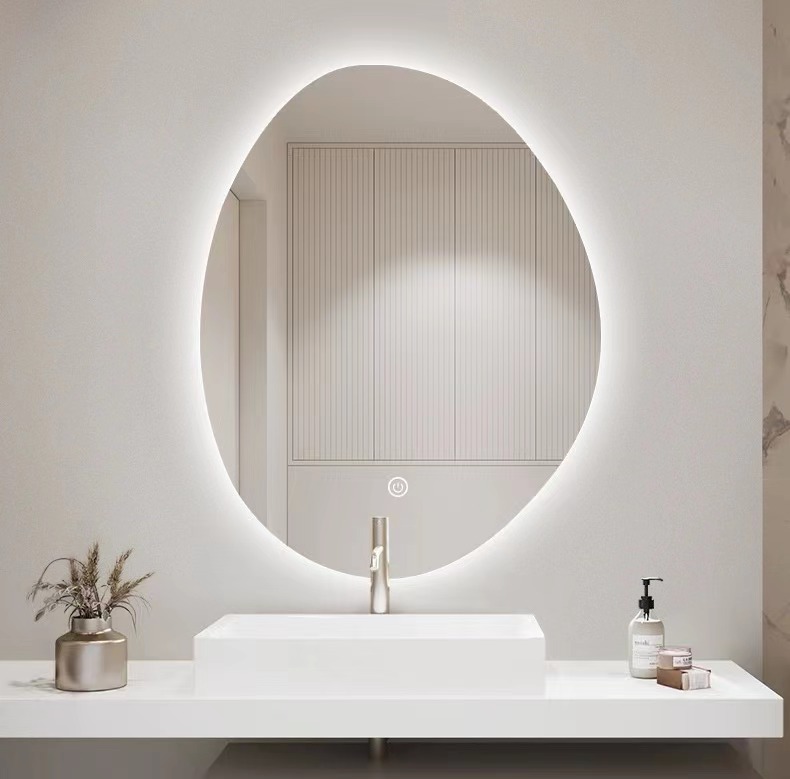
  • Superior Corrosion Resistance: Modern mirrors, especially copper-free and lead-free variants, utilize advanced passivation layers that provide significantly enhanced resistance to moisture, chemicals, and environmental degradation. This translates to an extended service life in high-humidity areas like bathrooms, spas, and coastal constructions, vastly outperforming conventional mirrors that are prone to black spots (desilvering) and edge corrosion.
  • Enhanced Optical Clarity: Precision manufacturing techniques and high-grade float glass substrates minimize optical distortions and ensure uniform reflectivity. This is vital for applications demanding true-to-life images, such as retail fitting rooms, art galleries, and precision instrumentation.
  • Energy Efficiency Integration: The advent of LED mirror technology has revolutionized interior design. By integrating energy-efficient LED lighting directly behind or through etched patterns on the mirror, these units provide task-specific or ambient lighting, reducing reliance on overhead fixtures. This contributes to significant energy savings and offers versatile lighting solutions for residential, hospitality, and commercial spaces.
  • Durability and Safety: The robust multi-layer protective coatings not only prevent corrosion but also add to the overall durability of the mirror. When coupled with safety backing films (e.g., Cat I or Cat II as per EN 1036), the mirror glass retains fragments upon breakage, significantly reducing injury risk—a critical advantage for public and commercial installations.
  • Design Versatility: Advanced fabrication capabilities, including CNC cutting, precise edge work (beveling, polishing, grinding), and sandblasting, allow for highly customized shapes, sizes, and decorative patterns. This flexibility empowers architects and designers to incorporate mirror elements seamlessly into complex designs, from intricate decorative panels to functional mirror glass door applications.
Mirror Glass Wholesale: Quality Bulk Supply for Every Need

These technical advantages ensure that modern mirror glass products deliver not only aesthetic appeal but also long-term performance and cost-effectiveness for various B2B applications.

Application Scenarios and Industry Use Cases

The versatility of high-quality mirror glass extends across a multitude of industries, addressing diverse functional and aesthetic requirements. Understanding these application scenarios helps B2B clients visualize the integration and benefits of premium mirror glass wholesale solutions.
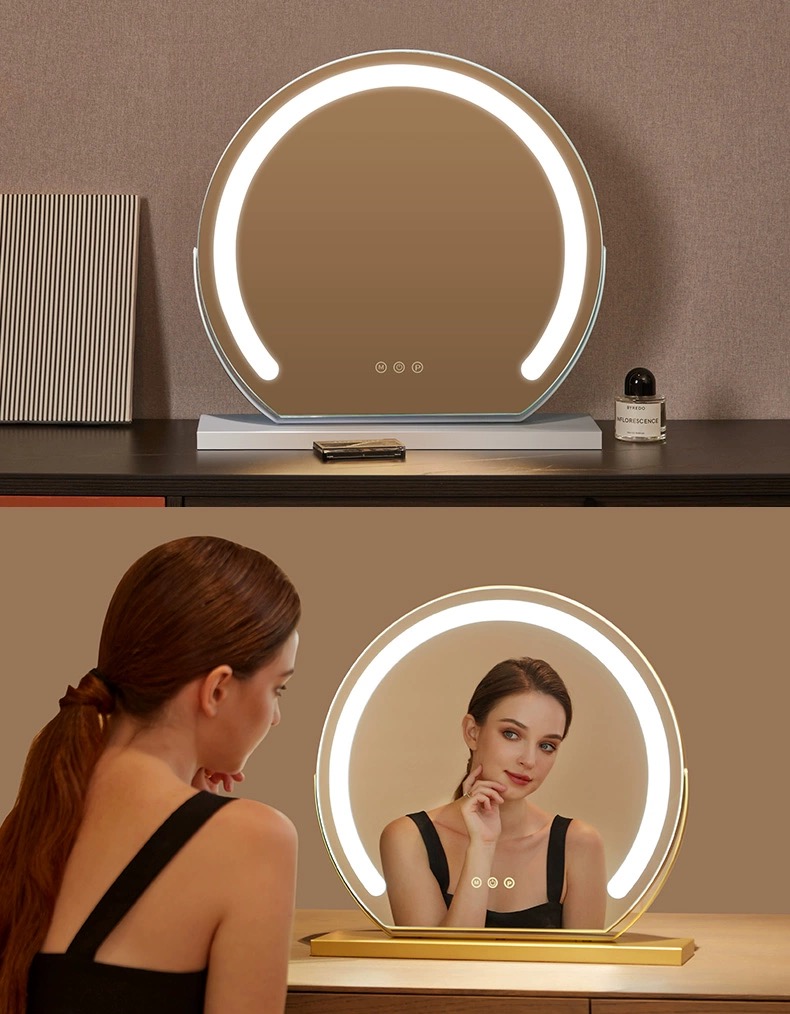
  • Commercial and Residential Construction: Mirrors are fundamental in interior design, used for expansive wall installations, decorative panels, wardrobe doors, and bathroom vanities. In commercial spaces, large mirrors can create an illusion of greater space and enhance natural light, contributing to a more inviting ambiance. Modern applications include integrated LED Mirror systems in hotels and luxury apartments, offering both illumination and sophisticated design.
  • Retail and Hospitality: From clothing store fitting rooms requiring clear, distortion-free reflections to hotel lobbies utilizing decorative antique mirrors, the hospitality and retail sectors rely heavily on aesthetic and functional mirror solutions. Smart mirrors in luxury retail environments can also provide interactive shopping experiences.
  • Furniture Manufacturing: Mirror glass is a key component in a wide array of furniture, including mirrored tables, dressers, cabinet fronts, and decorative screens. Custom-cut and beveled mirrors add a touch of elegance and sophistication to furniture pieces.
  • Automotive Industry: Beyond rearview mirrors, specialized mirror glass is used in vehicle interiors for specific aesthetic features or integrated displays. High-precision optical mirrors are also crucial for advanced sensor systems and heads-up displays in modern vehicles.
  • Specialty Applications: This includes observation mirrors (two-way mirrors for surveillance), scientific instruments, and custom art installations. The demand for highly reflective, durable, and chemically resistant mirrors also extends to industrial inspection equipment in environments such as petrochemical plants and metallurgical facilities, where extreme conditions necessitate robust materials.
Mirror Glass Wholesale: Quality Bulk Supply for Every Need

Each application demands specific characteristics from the mirror glass, highlighting the importance of working with a supplier capable of delivering tailored solutions that meet precise technical and aesthetic criteria.

Vendor Comparison: Key Factors for Choosing a Mirror Glass Wholesale Supplier

Selecting the right mirror glass wholesale supplier is a strategic decision that impacts project timelines, quality, and cost-efficiency. A thorough comparison should go beyond price, focusing on a vendor's capabilities, reliability, and support structure.

Key Comparison Factors for Mirror Glass Suppliers
Factor Description & Importance High-Quality Supplier (e.g., TPTopGlass) Standard Supplier
Quality Certifications Adherence to international standards (ISO 9001, CE, ASTM, ANSI). Ensures product consistency and reliability. ISO 9001:2015, CE, RoHS, SGS verified. Limited or no verifiable certifications.
Manufacturing Capabilities Advanced equipment for cutting (CNC), edging, drilling, tempering, coating, and smart integration (LEDs). Full-spectrum in-house fabrication, including custom CNC, sandblasting, etching, and LED integration. Basic cutting and edging; outsourcing complex processes.
Product Range & Customization Diversity of mirror types (silver, aluminum, antique, tinted, smart), sizes, and bespoke solutions. Extensive portfolio, specializing in LED mirrors and custom fabrication for unique project requirements. Limited standard product offerings, minimal customization.
Corrosion Resistance & Durability Use of copper-free, lead-free technology for superior longevity, especially in humid conditions. High-grade copper-free mirrors with CASS test results ≥ 240 hours. Standard silver mirrors with lower CASS test results, prone to early degradation.
Lead Time & Logistics Efficient order processing, reliable production schedules, and global shipping capabilities. Average lead time 15-25 days; robust packaging and international shipping expertise. Unpredictable lead times, limited shipping options.
After-Sales Support & Warranty Comprehensive warranty, responsive technical support, and clear return/replacement policies. 3-5 year warranty on products; dedicated support team for technical queries and issue resolution. Limited warranty, often difficult to obtain support.

A comprehensive evaluation based on these factors ensures a partnership that supports project success, quality adherence, and long-term satisfaction for all mirror glass wholesale requirements.

Customized Solutions for Unique Project Requirements

In the B2B landscape, off-the-shelf solutions often fall short of specific project demands. Leading mirror glass wholesale suppliers offer extensive customization capabilities, ensuring that mirror components seamlessly integrate into complex designs and functional requirements. This commitment to bespoke solutions is a hallmark of a truly authoritative and expert vendor.
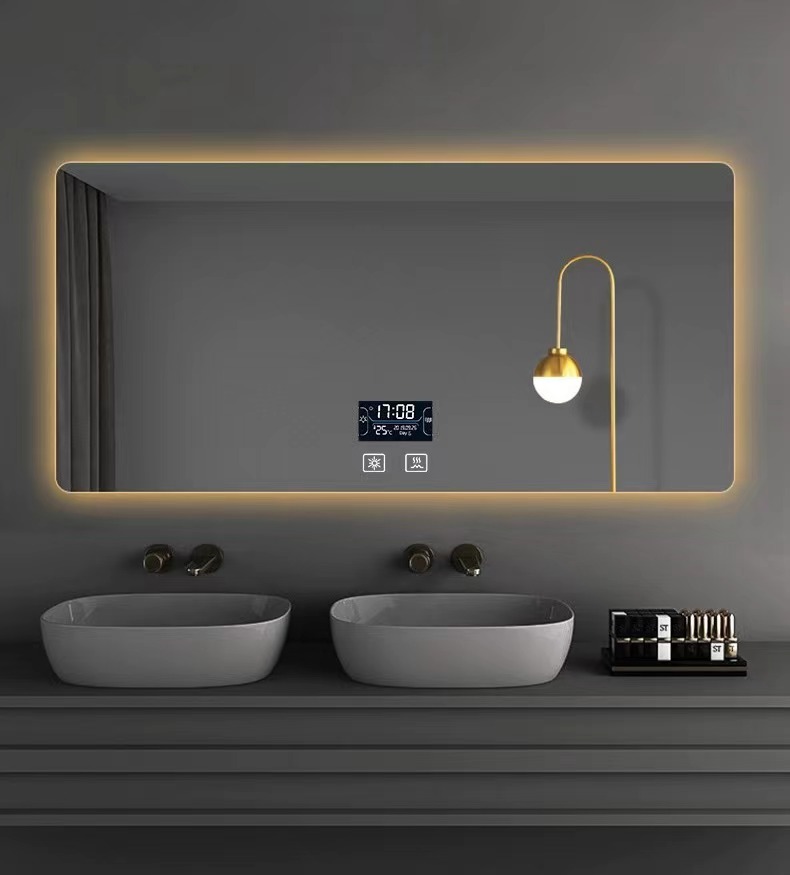
  • Size and Shape Versatility: Utilizing advanced CNC cutting and precision grinding, suppliers can produce mirrors in virtually any custom dimension or intricate shape, from large architectural panels to small, uniquely contoured components for specialized fixtures.
  • Edge Work and Finishing: A range of edge finishes—polished, beveled, seamed, or rough ground—can be applied to meet aesthetic preferences and safety standards. Custom bevel widths, angles, and multi-faceted edges are common requests for luxury applications.
  • Integrated Features: Modern customization includes the integration of technologies like LED lighting, defoggers, touch sensors, digital displays, and even speakers. These smart features transform a simple mirror into a multifunctional, interactive device, particularly relevant for hospitality and smart home projects.
  • Surface Treatments and Coatings: Beyond standard reflective coatings, options include anti-shatter safety backing (Cat I/II), anti-fog coatings, hydrophobic treatments, and custom tinting or antique finishes to achieve specific visual effects.
  • Drilling and Cut-outs: Precision drilling for mounting hardware, outlets, or light fixtures, and internal cut-outs for screens or other embedded elements, are executed with high accuracy, ensuring perfect fit and finish.
Mirror Glass Wholesale: Quality Bulk Supply for Every Need

Working closely with a supplier capable of these customizations ensures that design visions are realized without compromise, providing unique and high-value solutions for even the most challenging projects.

Application Case Studies and Customer Success

Real-world application case studies demonstrate the tangible benefits and successful implementation of high-quality mirror glass solutions, providing invaluable insights into a supplier's experience and expertise.

Case Study 1: Luxury Hotel Chain Bathroom Renovations

Challenge: A prominent international luxury hotel chain sought to upgrade thousands of bathroom mirrors across multiple properties. The key requirements were superior aesthetics, enhanced functionality (lighting, defogging), and extreme durability in high-humidity environments, all while meeting a strict budget for mirror glass wholesale procurement.

Solution: The chosen supplier provided custom-designed LED mirrors featuring copper-free silver glass, integrated touch-sensitive LED lighting, and built-in defoggers. Each mirror was precisely cut to fit existing bathroom layouts and included a safety film backing. The copper-free technology ensured long-term corrosion resistance, crucial for the humid hotel bathroom environment, while the LED lighting offered energy-efficient, adjustable illumination, enhancing guest experience.

Outcome: The hotel reported a significant improvement in guest satisfaction scores related to bathroom amenities. The energy-saving LED mirrors contributed to a reduction in operational costs, and the superior corrosion resistance minimized maintenance and replacement needs. The project was delivered on time and within budget, showcasing the supplier's ability to handle large-scale, complex B2B orders with precision and reliability.

Customer Feedback: "The LED mirrors provided by [Supplier Name] transformed our hotel bathrooms. The quality is exceptional, and the integrated features are a major hit with our guests. Their project management and delivery were seamless." - VP of Procurement, Global Hotel Group.

Case Study 2: High-Rise Residential Tower Lobby and Amenity Spaces

Challenge: A luxury residential developer required large-format, custom-shaped mirrors for the lobby, gym, and common areas of a new high-rise tower. The mirrors needed to be visually stunning, highly durable, and precisely cut to complement the modern architectural design, including intricate patterns for wall cladding.

Solution: The supplier leveraged its advanced CNC capabilities to produce oversized silver mirrors with custom-beveled edges and intricate sandblasted patterns, integrated with subtle backlighting for the lobby. For the gym, extra-thick, impact-resistant safety mirrors were supplied, ensuring both aesthetic appeal and occupant safety. The project also included unique mirror glass door panels for concealed storage units.

Outcome: The bespoke mirror installations became a focal point of the building's interior design, receiving accolades from residents and design critics. The durability and precision of the mirrors met the developer's high standards, contributing to the building's premium aesthetic and functionality. The supplier’s ability to execute complex designs with high fidelity was key to the project's success.

Quality Assurance, Certifications, and Authoritative References

Authoritativeness and trustworthiness are foundational pillars for B2B relationships. A reputable mirror glass wholesale supplier demonstrates this through rigorous quality assurance protocols, industry certifications, and established partnerships.

  • Certifications: Compliance with international standards such as ISO 9001:2015 (Quality Management System), CE (Conformité Européenne), RoHS (Restriction of Hazardous Substances), and specific national standards like ASTM (American Society for Testing and Materials) and ANSI (American National Standards Institute) is essential. These certifications validate manufacturing excellence, product safety, and environmental responsibility.
  • Testing and Validation: Comprehensive in-house and third-party testing regimes include accelerated aging tests (e.g., CASS test for corrosion resistance), adhesion tests, thermal shock tests, and optical performance assessments. Data from these tests provide verifiable proof of product quality and longevity.
  • Years of Service and Partner Clients: A long-standing history in the industry (e.g., 10+ years) and a portfolio of satisfied, reputable clients (architectural firms, developers, furniture manufacturers) serve as strong indicators of reliability and experience.
  • Traceability: Implementing robust traceability systems for raw materials and finished products ensures accountability and allows for rapid identification and resolution of any quality concerns.

Suppliers who openly share their certifications, test data, and client references offer transparency and build confidence, crucial for large-scale B2B procurement. This commitment to verifiable quality ensures that the purchased mirror glass will perform as expected throughout its service life.

Frequently Asked Questions (FAQ) about Mirror Glass Wholesale

  • Q: What is the typical lead time for a wholesale mirror glass order?
    A: Standard orders typically have a lead time of 15-25 business days from order confirmation to shipment, depending on quantity and customization requirements. Expedited options may be available for urgent projects.
  • Q: What warranty is offered on your mirror glass products?
    A: We typically offer a 3 to 5-year limited warranty against manufacturing defects and desilvering under normal use conditions. Specific warranty terms may vary based on product type and application, and full details are provided with each quotation.
  • Q: How do you ensure the safe delivery of wholesale mirror glass?
    A: We utilize robust, custom-designed packaging solutions, including wooden crates, foam padding, and protective films, tailored to the size and quantity of the order. Our logistics partners are experienced in handling fragile goods, ensuring secure and timely global delivery.
  • Q: Can you provide samples of different mirror types or finishes?
    A: Yes, we can provide samples for material evaluation and finish confirmation. Please contact our sales team to discuss your specific sample requirements.
  • Q: What are the minimum order quantities (MOQ) for wholesale mirror glass?
    A: MOQs vary depending on the product type and level of customization. Generally, standard mirror sheets may have a lower MOQ compared to highly customized LED mirror products. Please reach out to our sales team for detailed MOQ information relevant to your needs.

Lead Time, Warranty, and Customer Support Details

Understanding the practical aspects of procurement—from delivery timelines to post-sales support—is crucial for efficient project planning and risk management in mirror glass wholesale transactions.

  • Lead Time and Fulfillment: Our optimized production process and robust supply chain enable competitive lead times. For standard bulk orders, typical production and preparation for shipment take between 15 and 25 calendar days. Highly customized or large-volume orders may require additional time, which will be clearly communicated during the quotation phase. We work with trusted global logistics partners to ensure efficient and secure delivery to your specified destination, including options for sea, air, and land freight.
  • Warranty Commitments: We stand behind the quality of our mirror glass products. Our standard warranty covers manufacturing defects and desilvering for a period of 3-5 years, depending on the specific product and its intended application. This warranty ensures that our mirrors maintain their optical integrity and reflective quality under normal operating conditions. Detailed warranty documentation is provided with every order, outlining coverage, exclusions, and claims procedures.
  • Customer Support: Our dedicated B2B customer support team is available to assist with technical inquiries, order tracking, and any post-delivery concerns. We provide comprehensive technical documentation, installation guides, and troubleshooting assistance. For urgent issues, a rapid response protocol is in place to minimize disruption. Our goal is to ensure long-term satisfaction and support for every client partnership. Contact information for our support team is readily available through our website or direct channels.

Conclusion

The procurement of mirror glass wholesale is a complex process that demands a thorough understanding of material science, manufacturing excellence, and application-specific requirements. By prioritizing suppliers who demonstrate expertise, adhere to stringent quality standards, offer extensive customization, and provide robust support, B2B decision-makers can ensure the successful realization of their projects. Investing in high-quality mirror glass translates directly into enhanced aesthetics, superior durability, and long-term cost-efficiency across diverse industries.

References

  1. ISO. (n.d.). ISO 9001:2015 - Quality management systems - Requirements. Retrieved from https://www.iso.org/standard/62085.html
  2. ASTM International. (n.d.). ASTM Standards for Glass. Retrieved from https://www.astm.org/
  3. European Committee for Standardization. (n.d.). EN 1036-1: Glass in building — Mirrors from silvered float glass for internal use — Part 1: Definitions, requirements and test methods. Retrieved from https://www.cen.eu/news/publications/Pages/results.aspx?&p=1&sb=2&o=1
  4. Glass for Europe. (n.d.). Float Glass Manufacturing Process. Retrieved from https://glassforeurope.com/glass-products/glass-manufacturing-process/
Aktie
Sep . 08, 2025 16:39 Zurück zur Liste

Mirror Glass Wholesale: Quality Bulk Supply for Every Need

Navigating the Landscape of High-Quality mirror glass wholesale

In the dynamic B2B sector, the demand for high-performance optical and architectural glass components is ever-growing. Specifically, the procurement of mirror glass wholesale represents a critical consideration for industries ranging from construction and interior design to advanced electronics and automotive. This comprehensive guide delves into the technical intricacies, market dynamics, and strategic considerations for sourcing premium mirror glass, ensuring compliance with stringent industry standards and delivering unparalleled value.

The quality of mirror glass profoundly impacts final product aesthetics, durability, and functional performance. As a foundational component, understanding its manufacturing process, material science, and application versatility is paramount for B2B decision-makers. This article aims to equip professionals with the knowledge needed to make informed purchasing decisions, emphasizing technical specifications, customization potential, and long-term reliability.

Industry Trends and Market Outlook for Mirror Glass

The global market for mirror glass is experiencing robust growth, driven by innovation in smart home technologies, expansion in the construction sector, and evolving interior design trends that prioritize both aesthetics and functionality. Key trends include the increasing demand for eco-friendly and energy-efficient mirror solutions, such as those integrated with LED lighting (e.g., LED mirrors), and advanced coatings that offer enhanced durability and anti-fog properties.

Furthermore, the integration of smart features—like touch sensors, defoggers, and connectivity—is transforming traditional mirror glass into sophisticated, interactive elements. This shift necessitates suppliers capable of producing high-precision, technologically integrated glass solutions at a wholesale scale. The emphasis is also increasingly placed on sustainability, with manufacturers exploring greener production methods and recyclable materials to meet growing environmental regulations and consumer preferences. The automotive sector, for instance, demands increasingly complex mirror assemblies for advanced driver-assistance systems (ADAS), pushing the boundaries of optical quality and sensor integration.

Types of Mirror Glass and Their Specifications

Understanding the various types of mirror glass is crucial for specifying the correct product for any application. Each type offers distinct properties regarding reflection clarity, durability, and suitability for specific environments.

  • Silver Mirror: The most common type, manufactured by coating a clear glass substrate with a layer of silver, followed by protective layers. Offers excellent reflectivity and is ideal for general-purpose applications. Available in various thicknesses from 2mm to 8mm.
  • Aluminum Mirror: Produced by vacuum coating a glass substrate with aluminum. While slightly less reflective than silver mirrors (typically 85-90% vs. 90-95%), it is more cost-effective and lighter, making it suitable for decorative purposes where absolute clarity isn't critical.
  • Copper-Free & Lead-Free Mirror: An environmentally friendly alternative to traditional silver mirrors. These mirrors use advanced passivation layers, eliminating copper and lead, which are harmful during manufacturing and disposal. They offer superior corrosion resistance, particularly in humid environments, making them ideal for bathrooms and coastal regions.
  • Tinted Mirror: Created by using tinted glass substrates (e.g., grey, bronze, blue) before the reflective coating is applied. Used for aesthetic purposes to complement specific interior designs or to reduce glare.
  • Two-Way Mirror (Spy Mirror): Partially reflective and partially transparent, achieved through a very thin, precise metallic coating. Used in surveillance, smart mirror applications, and specialized architectural designs where one side needs to see through while the other appears as a mirror.
  • Antique Mirror: Processed to create a distressed, aged appearance. Achieved through various chemical and physical treatments to mimic vintage aesthetics, popular in decorative and heritage projects.
mirror glass wholesale

The selection process for mirror glass for sale must consider not only the type but also critical technical parameters such as reflectance, thickness tolerance, edge work options (polished, beveled, seamed), and adhesion compatibility if used with mirror glass adhesive.

Detailed Manufacturing Process of Mirror Glass Wholesale

The production of high-quality mirror glass for wholesale distribution involves a sophisticated, multi-stage process that ensures precision, durability, and optical clarity. This process adheres to rigorous international standards, such as ISO 9001 for quality management and relevant ANSI standards for glass safety and performance.

1. Glass Substrate Preparation:

The foundation of any mirror is its glass substrate, typically float glass. This material is produced by pouring molten glass onto a bed of molten tin, allowing it to spread and cool to a uniformly flat surface with parallel faces. This initial casting process is critical for achieving optical flatness and minimizing distortions. Post-casting, the large glass sheets undergo precise cutting to desired dimensions, followed by meticulous cleaning. This cleaning phase is paramount, involving multiple washes with deionized water and brushes, followed by drying, to remove any dust, oils, or residues that could compromise the adhesion or quality of the reflective coating.

2. Sensitizing and Activation:

Before applying the reflective metal, the meticulously cleaned glass surface is sensitized. This involves treating the glass with tin chloride solution, which prepares the surface to accept the subsequent silvering or aluminum coating evenly and effectively. This chemical activation step is crucial for ensuring a strong, uniform bond between the glass and the metallic layer, preventing peeling or tarnishing over time.

3. Reflective Layer Deposition:

  • Silver Mirroring: For silver mirrors, a silver nitrate solution is precisely sprayed onto the sensitized glass. A reducing agent simultaneously converts the silver ions into metallic silver, depositing a thin, highly reflective layer onto the glass surface. This chemical process is carefully controlled to achieve optimal thickness and uniform coverage.
  • Aluminum Mirroring: For aluminum mirrors, the deposition typically occurs in a vacuum chamber through a process known as physical vapor deposition (PVD) or sputtering. Aluminum is vaporized and condenses onto the glass surface, forming a reflective layer. This method is often preferred for applications where lighter weight and specific reflective properties are desired.

4. Protective Layer Application:

The metallic reflective layer, particularly silver, is highly susceptible to oxidation and abrasion. To protect it, one or more layers of protective paint are applied. Traditionally, this involves a copper layer for corrosion resistance, followed by two layers of protective paint (primer and finish coat). Modern, eco-friendly mirrors often omit the copper, using advanced passivation layers and specialized paints to achieve superior corrosion resistance while minimizing environmental impact. These paints are typically lead-free and formulated for high adhesion and chemical resistance. After paint application, the mirror glass is cured in specialized ovens to ensure the protective layers are fully hardened and bonded.

5. Finishing and Quality Control:

After curing, the mirror glass undergoes various finishing processes, including CNC machining for precise shaping, edge grinding (seaming, polishing, beveling), and drilling as per customer specifications. Each piece then passes through stringent quality control checks. These include visual inspections for defects (scratches, pinholes, streaks), reflectivity measurements using spectrophotometers, adhesion tests of the protective layers, and accelerated corrosion tests (e.g., CASS test - Copper Accelerated Acetic Acid Salt Spray) to simulate long-term performance in harsh environments. Only products meeting ISO and other specified standards are approved for packaging and shipment.

Process Flow Schematic:

  1. Float Glass Production: Molten glass onto tin bath (Casting).
  2. Cutting & Edge Work: Precision sizing and initial shaping.
  3. Multi-Stage Cleaning: Washing and drying.
  4. Sensitizing & Activation: Tin chloride treatment.
  5. Reflective Layer Application: Silver nitrate or vacuum aluminum deposition.
  6. Protective Layer(s) Coating: Passivation layer (optional copper), primer, finish paint.
  7. Curing: Drying and hardening of protective layers.
  8. Final Fabrication: CNC machining, polishing, drilling.
  9. Quality Assurance: Visual, optical, corrosion, adhesion tests (ISO, ANSI compliance).
  10. Packaging & Logistics: Ready for mirror glass wholesale distribution.

The resulting mirror glass boasts an extended service life, typically 10-15 years under normal conditions, significantly exceeding conventional mirrors due to superior protective coatings. Target industries include petrochemical (control room windows), metallurgy (inspection panels), and water supply & drainage (bathroom and utility mirrors), where corrosion resistance and clarity are paramount. For instance, in modern residential and commercial buildings, the use of energy-saving LED mirrors, enabled by high-quality mirror glass, drastically reduces electricity consumption while enhancing ambient lighting and design versatility.

Technical Specifications and Performance Parameters

Selecting the appropriate mirror glass requires a thorough understanding of its technical specifications. These parameters directly influence performance, durability, and suitability for specific applications.

Standard Technical Parameters for Premium Mirror Glass
Parameter Typical Value / Range Relevant Standard Significance for B2B
Reflectivity (Visible Light) ≥ 90% (Silver), ≥ 85% (Aluminum) ASTM C1376 Directly impacts visual clarity and brightness; critical for aesthetics and functional precision.
Thickness Range 2mm - 8mm (standard), up to 12mm (specialty) EN 572-2 Influences structural integrity, weight, and installation requirements.
Corrosion Resistance (CASS Test) ≥ 240 hours (Copper-free/Lead-free) ASTM B368 Determines longevity in humid or corrosive environments (bathrooms, marine).
Adhesion of Paint Layers ≥ 4B (Cross-cut test) ASTM D3359 Ensures the protective backing does not delaminate, preventing silver oxidation.
Edge Work Precision Tolerance ± 0.2mm Manufacturer Specific, ISO 9001 Essential for seamless integration, safety, and aesthetic finish in bespoke designs.
Flatness Tolerance Max wave distortion < 0.1mm/m ISO 10041 Minimizes optical distortion, crucial for large mirrors and precision applications.

These parameters are not merely numbers; they represent the engineering integrity and functional promise of each mirror glass product. For example, high reflectivity is critical for display cases or optical instruments, while superior corrosion resistance is non-negotiable for marine or bathroom installations. Decision-makers should always request comprehensive data sheets and compliance certifications from their mirror glass wholesale supplier.

Technical Advantages of Modern Mirror Glass Solutions

Contemporary mirror glass offers a suite of technical advantages that extend beyond mere reflection, addressing critical B2B demands for durability, efficiency, and design flexibility.

  • Superior Corrosion Resistance: Modern mirrors, especially copper-free and lead-free variants, utilize advanced passivation layers that provide significantly enhanced resistance to moisture, chemicals, and environmental degradation. This translates to an extended service life in high-humidity areas like bathrooms, spas, and coastal constructions, vastly outperforming conventional mirrors that are prone to black spots (desilvering) and edge corrosion.
  • Enhanced Optical Clarity: Precision manufacturing techniques and high-grade float glass substrates minimize optical distortions and ensure uniform reflectivity. This is vital for applications demanding true-to-life images, such as retail fitting rooms, art galleries, and precision instrumentation.
  • Energy Efficiency Integration: The advent of LED mirror technology has revolutionized interior design. By integrating energy-efficient LED lighting directly behind or through etched patterns on the mirror, these units provide task-specific or ambient lighting, reducing reliance on overhead fixtures. This contributes to significant energy savings and offers versatile lighting solutions for residential, hospitality, and commercial spaces.
  • Durability and Safety: The robust multi-layer protective coatings not only prevent corrosion but also add to the overall durability of the mirror. When coupled with safety backing films (e.g., Cat I or Cat II as per EN 1036), the mirror glass retains fragments upon breakage, significantly reducing injury risk—a critical advantage for public and commercial installations.
  • Design Versatility: Advanced fabrication capabilities, including CNC cutting, precise edge work (beveling, polishing, grinding), and sandblasting, allow for highly customized shapes, sizes, and decorative patterns. This flexibility empowers architects and designers to incorporate mirror elements seamlessly into complex designs, from intricate decorative panels to functional mirror glass door applications.
mirror glass wholesale

These technical advantages ensure that modern mirror glass products deliver not only aesthetic appeal but also long-term performance and cost-effectiveness for various B2B applications.

Application Scenarios and Industry Use Cases

The versatility of high-quality mirror glass extends across a multitude of industries, addressing diverse functional and aesthetic requirements. Understanding these application scenarios helps B2B clients visualize the integration and benefits of premium mirror glass wholesale solutions.

  • Commercial and Residential Construction: Mirrors are fundamental in interior design, used for expansive wall installations, decorative panels, wardrobe doors, and bathroom vanities. In commercial spaces, large mirrors can create an illusion of greater space and enhance natural light, contributing to a more inviting ambiance. Modern applications include integrated LED Mirror systems in hotels and luxury apartments, offering both illumination and sophisticated design.
  • Retail and Hospitality: From clothing store fitting rooms requiring clear, distortion-free reflections to hotel lobbies utilizing decorative antique mirrors, the hospitality and retail sectors rely heavily on aesthetic and functional mirror solutions. Smart mirrors in luxury retail environments can also provide interactive shopping experiences.
  • Furniture Manufacturing: Mirror glass is a key component in a wide array of furniture, including mirrored tables, dressers, cabinet fronts, and decorative screens. Custom-cut and beveled mirrors add a touch of elegance and sophistication to furniture pieces.
  • Automotive Industry: Beyond rearview mirrors, specialized mirror glass is used in vehicle interiors for specific aesthetic features or integrated displays. High-precision optical mirrors are also crucial for advanced sensor systems and heads-up displays in modern vehicles.
  • Specialty Applications: This includes observation mirrors (two-way mirrors for surveillance), scientific instruments, and custom art installations. The demand for highly reflective, durable, and chemically resistant mirrors also extends to industrial inspection equipment in environments such as petrochemical plants and metallurgical facilities, where extreme conditions necessitate robust materials.
mirror glass wholesale

Each application demands specific characteristics from the mirror glass, highlighting the importance of working with a supplier capable of delivering tailored solutions that meet precise technical and aesthetic criteria.

Vendor Comparison: Key Factors for Choosing a Mirror Glass Wholesale Supplier

Selecting the right mirror glass wholesale supplier is a strategic decision that impacts project timelines, quality, and cost-efficiency. A thorough comparison should go beyond price, focusing on a vendor's capabilities, reliability, and support structure.

Key Comparison Factors for Mirror Glass Suppliers
Factor Description & Importance High-Quality Supplier (e.g., TPTopGlass) Standard Supplier
Quality Certifications Adherence to international standards (ISO 9001, CE, ASTM, ANSI). Ensures product consistency and reliability. ISO 9001:2015, CE, RoHS, SGS verified. Limited or no verifiable certifications.
Manufacturing Capabilities Advanced equipment for cutting (CNC), edging, drilling, tempering, coating, and smart integration (LEDs). Full-spectrum in-house fabrication, including custom CNC, sandblasting, etching, and LED integration. Basic cutting and edging; outsourcing complex processes.
Product Range & Customization Diversity of mirror types (silver, aluminum, antique, tinted, smart), sizes, and bespoke solutions. Extensive portfolio, specializing in LED mirrors and custom fabrication for unique project requirements. Limited standard product offerings, minimal customization.
Corrosion Resistance & Durability Use of copper-free, lead-free technology for superior longevity, especially in humid conditions. High-grade copper-free mirrors with CASS test results ≥ 240 hours. Standard silver mirrors with lower CASS test results, prone to early degradation.
Lead Time & Logistics Efficient order processing, reliable production schedules, and global shipping capabilities. Average lead time 15-25 days; robust packaging and international shipping expertise. Unpredictable lead times, limited shipping options.
After-Sales Support & Warranty Comprehensive warranty, responsive technical support, and clear return/replacement policies. 3-5 year warranty on products; dedicated support team for technical queries and issue resolution. Limited warranty, often difficult to obtain support.

A comprehensive evaluation based on these factors ensures a partnership that supports project success, quality adherence, and long-term satisfaction for all mirror glass wholesale requirements.

Customized Solutions for Unique Project Requirements

In the B2B landscape, off-the-shelf solutions often fall short of specific project demands. Leading mirror glass wholesale suppliers offer extensive customization capabilities, ensuring that mirror components seamlessly integrate into complex designs and functional requirements. This commitment to bespoke solutions is a hallmark of a truly authoritative and expert vendor.

  • Size and Shape Versatility: Utilizing advanced CNC cutting and precision grinding, suppliers can produce mirrors in virtually any custom dimension or intricate shape, from large architectural panels to small, uniquely contoured components for specialized fixtures.
  • Edge Work and Finishing: A range of edge finishes—polished, beveled, seamed, or rough ground—can be applied to meet aesthetic preferences and safety standards. Custom bevel widths, angles, and multi-faceted edges are common requests for luxury applications.
  • Integrated Features: Modern customization includes the integration of technologies like LED lighting, defoggers, touch sensors, digital displays, and even speakers. These smart features transform a simple mirror into a multifunctional, interactive device, particularly relevant for hospitality and smart home projects.
  • Surface Treatments and Coatings: Beyond standard reflective coatings, options include anti-shatter safety backing (Cat I/II), anti-fog coatings, hydrophobic treatments, and custom tinting or antique finishes to achieve specific visual effects.
  • Drilling and Cut-outs: Precision drilling for mounting hardware, outlets, or light fixtures, and internal cut-outs for screens or other embedded elements, are executed with high accuracy, ensuring perfect fit and finish.
mirror glass wholesale

Working closely with a supplier capable of these customizations ensures that design visions are realized without compromise, providing unique and high-value solutions for even the most challenging projects.

Application Case Studies and Customer Success

Real-world application case studies demonstrate the tangible benefits and successful implementation of high-quality mirror glass solutions, providing invaluable insights into a supplier's experience and expertise.

Case Study 1: Luxury Hotel Chain Bathroom Renovations

Challenge: A prominent international luxury hotel chain sought to upgrade thousands of bathroom mirrors across multiple properties. The key requirements were superior aesthetics, enhanced functionality (lighting, defogging), and extreme durability in high-humidity environments, all while meeting a strict budget for mirror glass wholesale procurement.

Solution: The chosen supplier provided custom-designed LED mirrors featuring copper-free silver glass, integrated touch-sensitive LED lighting, and built-in defoggers. Each mirror was precisely cut to fit existing bathroom layouts and included a safety film backing. The copper-free technology ensured long-term corrosion resistance, crucial for the humid hotel bathroom environment, while the LED lighting offered energy-efficient, adjustable illumination, enhancing guest experience.

Outcome: The hotel reported a significant improvement in guest satisfaction scores related to bathroom amenities. The energy-saving LED mirrors contributed to a reduction in operational costs, and the superior corrosion resistance minimized maintenance and replacement needs. The project was delivered on time and within budget, showcasing the supplier's ability to handle large-scale, complex B2B orders with precision and reliability.

Customer Feedback: "The LED mirrors provided by [Supplier Name] transformed our hotel bathrooms. The quality is exceptional, and the integrated features are a major hit with our guests. Their project management and delivery were seamless." - VP of Procurement, Global Hotel Group.

Case Study 2: High-Rise Residential Tower Lobby and Amenity Spaces

Challenge: A luxury residential developer required large-format, custom-shaped mirrors for the lobby, gym, and common areas of a new high-rise tower. The mirrors needed to be visually stunning, highly durable, and precisely cut to complement the modern architectural design, including intricate patterns for wall cladding.

Solution: The supplier leveraged its advanced CNC capabilities to produce oversized silver mirrors with custom-beveled edges and intricate sandblasted patterns, integrated with subtle backlighting for the lobby. For the gym, extra-thick, impact-resistant safety mirrors were supplied, ensuring both aesthetic appeal and occupant safety. The project also included unique mirror glass door panels for concealed storage units.

Outcome: The bespoke mirror installations became a focal point of the building's interior design, receiving accolades from residents and design critics. The durability and precision of the mirrors met the developer's high standards, contributing to the building's premium aesthetic and functionality. The supplier’s ability to execute complex designs with high fidelity was key to the project's success.

Quality Assurance, Certifications, and Authoritative References

Authoritativeness and trustworthiness are foundational pillars for B2B relationships. A reputable mirror glass wholesale supplier demonstrates this through rigorous quality assurance protocols, industry certifications, and established partnerships.

  • Certifications: Compliance with international standards such as ISO 9001:2015 (Quality Management System), CE (Conformité Européenne), RoHS (Restriction of Hazardous Substances), and specific national standards like ASTM (American Society for Testing and Materials) and ANSI (American National Standards Institute) is essential. These certifications validate manufacturing excellence, product safety, and environmental responsibility.
  • Testing and Validation: Comprehensive in-house and third-party testing regimes include accelerated aging tests (e.g., CASS test for corrosion resistance), adhesion tests, thermal shock tests, and optical performance assessments. Data from these tests provide verifiable proof of product quality and longevity.
  • Years of Service and Partner Clients: A long-standing history in the industry (e.g., 10+ years) and a portfolio of satisfied, reputable clients (architectural firms, developers, furniture manufacturers) serve as strong indicators of reliability and experience.
  • Traceability: Implementing robust traceability systems for raw materials and finished products ensures accountability and allows for rapid identification and resolution of any quality concerns.

Suppliers who openly share their certifications, test data, and client references offer transparency and build confidence, crucial for large-scale B2B procurement. This commitment to verifiable quality ensures that the purchased mirror glass will perform as expected throughout its service life.

Frequently Asked Questions (FAQ) about Mirror Glass Wholesale

  • Q: What is the typical lead time for a wholesale mirror glass order?
    A: Standard orders typically have a lead time of 15-25 business days from order confirmation to shipment, depending on quantity and customization requirements. Expedited options may be available for urgent projects.
  • Q: What warranty is offered on your mirror glass products?
    A: We typically offer a 3 to 5-year limited warranty against manufacturing defects and desilvering under normal use conditions. Specific warranty terms may vary based on product type and application, and full details are provided with each quotation.
  • Q: How do you ensure the safe delivery of wholesale mirror glass?
    A: We utilize robust, custom-designed packaging solutions, including wooden crates, foam padding, and protective films, tailored to the size and quantity of the order. Our logistics partners are experienced in handling fragile goods, ensuring secure and timely global delivery.
  • Q: Can you provide samples of different mirror types or finishes?
    A: Yes, we can provide samples for material evaluation and finish confirmation. Please contact our sales team to discuss your specific sample requirements.
  • Q: What are the minimum order quantities (MOQ) for wholesale mirror glass?
    A: MOQs vary depending on the product type and level of customization. Generally, standard mirror sheets may have a lower MOQ compared to highly customized LED mirror products. Please reach out to our sales team for detailed MOQ information relevant to your needs.

Lead Time, Warranty, and Customer Support Details

Understanding the practical aspects of procurement—from delivery timelines to post-sales support—is crucial for efficient project planning and risk management in mirror glass wholesale transactions.

  • Lead Time and Fulfillment: Our optimized production process and robust supply chain enable competitive lead times. For standard bulk orders, typical production and preparation for shipment take between 15 and 25 calendar days. Highly customized or large-volume orders may require additional time, which will be clearly communicated during the quotation phase. We work with trusted global logistics partners to ensure efficient and secure delivery to your specified destination, including options for sea, air, and land freight.
  • Warranty Commitments: We stand behind the quality of our mirror glass products. Our standard warranty covers manufacturing defects and desilvering for a period of 3-5 years, depending on the specific product and its intended application. This warranty ensures that our mirrors maintain their optical integrity and reflective quality under normal operating conditions. Detailed warranty documentation is provided with every order, outlining coverage, exclusions, and claims procedures.
  • Customer Support: Our dedicated B2B customer support team is available to assist with technical inquiries, order tracking, and any post-delivery concerns. We provide comprehensive technical documentation, installation guides, and troubleshooting assistance. For urgent issues, a rapid response protocol is in place to minimize disruption. Our goal is to ensure long-term satisfaction and support for every client partnership. Contact information for our support team is readily available through our website or direct channels.

Conclusion

The procurement of mirror glass wholesale is a complex process that demands a thorough understanding of material science, manufacturing excellence, and application-specific requirements. By prioritizing suppliers who demonstrate expertise, adhere to stringent quality standards, offer extensive customization, and provide robust support, B2B decision-makers can ensure the successful realization of their projects. Investing in high-quality mirror glass translates directly into enhanced aesthetics, superior durability, and long-term cost-efficiency across diverse industries.

References

  1. ISO. (n.d.). ISO 9001:2015 - Quality management systems - Requirements. Retrieved from https://www.iso.org/standard/62085.html
  2. ASTM International. (n.d.). ASTM Standards for Glass. Retrieved from https://www.astm.org/
  3. European Committee for Standardization. (n.d.). EN 1036-1: Glass in building — Mirrors from silvered float glass for internal use — Part 1: Definitions, requirements and test methods. Retrieved from https://www.cen.eu/news/publications/Pages/results.aspx?&p=1&sb=2&o=1
  4. Glass for Europe. (n.d.). Float Glass Manufacturing Process. Retrieved from https://glassforeurope.com/glass-products/glass-manufacturing-process/
Aktie
Nächste: