
In the dynamic B2B sector, the demand for high-performance optical and architectural glass components is ever-growing. Specifically, the procurement of mirror glass wholesale represents a critical consideration for industries ranging from construction and interior design to advanced electronics and automotive. This comprehensive guide delves into the technical intricacies, market dynamics, and strategic considerations for sourcing premium mirror glass, ensuring compliance with stringent industry standards and delivering unparalleled value.
The quality of mirror glass profoundly impacts final product aesthetics, durability, and functional performance. As a foundational component, understanding its manufacturing process, material science, and application versatility is paramount for B2B decision-makers. This article aims to equip professionals with the knowledge needed to make informed purchasing decisions, emphasizing technical specifications, customization potential, and long-term reliability.
The global market for mirror glass is experiencing robust growth, driven by innovation in smart home technologies, expansion in the construction sector, and evolving interior design trends that prioritize both aesthetics and functionality. Key trends include the increasing demand for eco-friendly and energy-efficient mirror solutions, such as those integrated with LED lighting (e.g., LED mirrors), and advanced coatings that offer enhanced durability and anti-fog properties.
Furthermore, the integration of smart features—like touch sensors, defoggers, and connectivity—is transforming traditional mirror glass into sophisticated, interactive elements. This shift necessitates suppliers capable of producing high-precision, technologically integrated glass solutions at a wholesale scale. The emphasis is also increasingly placed on sustainability, with manufacturers exploring greener production methods and recyclable materials to meet growing environmental regulations and consumer preferences. The automotive sector, for instance, demands increasingly complex mirror assemblies for advanced driver-assistance systems (ADAS), pushing the boundaries of optical quality and sensor integration.
Understanding the various types of mirror glass is crucial for specifying the correct product for any application. Each type offers distinct properties regarding reflection clarity, durability, and suitability for specific environments.
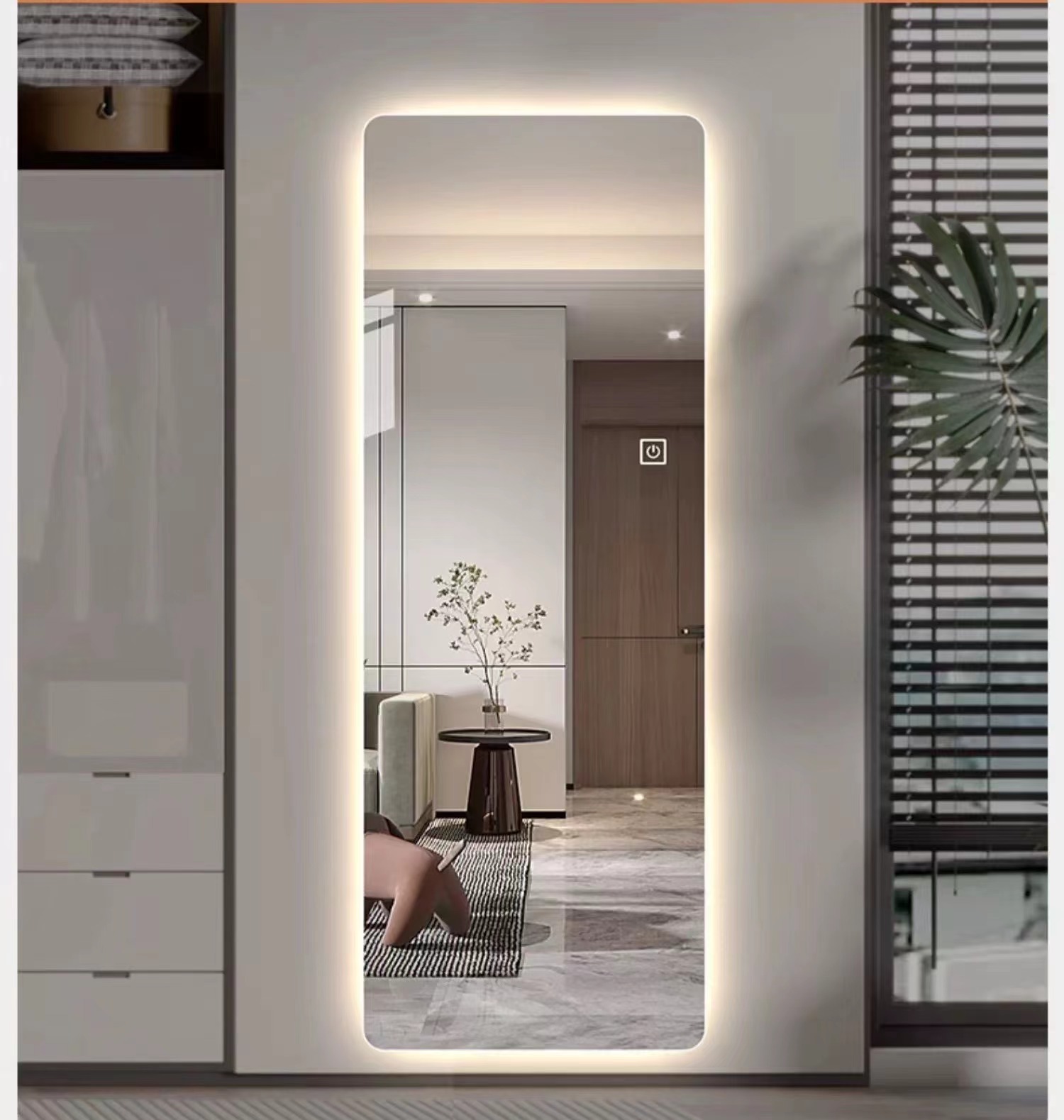
The selection process for mirror glass for sale must consider not only the type but also critical technical parameters such as reflectance, thickness tolerance, edge work options (polished, beveled, seamed), and adhesion compatibility if used with mirror glass adhesive.
The production of high-quality mirror glass for wholesale distribution involves a sophisticated, multi-stage process that ensures precision, durability, and optical clarity. This process adheres to rigorous international standards, such as ISO 9001 for quality management and relevant ANSI standards for glass safety and performance.
The foundation of any mirror is its glass substrate, typically float glass. This material is produced by pouring molten glass onto a bed of molten tin, allowing it to spread and cool to a uniformly flat surface with parallel faces. This initial casting process is critical for achieving optical flatness and minimizing distortions. Post-casting, the large glass sheets undergo precise cutting to desired dimensions, followed by meticulous cleaning. This cleaning phase is paramount, involving multiple washes with deionized water and brushes, followed by drying, to remove any dust, oils, or residues that could compromise the adhesion or quality of the reflective coating.
Before applying the reflective metal, the meticulously cleaned glass surface is sensitized. This involves treating the glass with tin chloride solution, which prepares the surface to accept the subsequent silvering or aluminum coating evenly and effectively. This chemical activation step is crucial for ensuring a strong, uniform bond between the glass and the metallic layer, preventing peeling or tarnishing over time.
The metallic reflective layer, particularly silver, is highly susceptible to oxidation and abrasion. To protect it, one or more layers of protective paint are applied. Traditionally, this involves a copper layer for corrosion resistance, followed by two layers of protective paint (primer and finish coat). Modern, eco-friendly mirrors often omit the copper, using advanced passivation layers and specialized paints to achieve superior corrosion resistance while minimizing environmental impact. These paints are typically lead-free and formulated for high adhesion and chemical resistance. After paint application, the mirror glass is cured in specialized ovens to ensure the protective layers are fully hardened and bonded.
After curing, the mirror glass undergoes various finishing processes, including CNC machining for precise shaping, edge grinding (seaming, polishing, beveling), and drilling as per customer specifications. Each piece then passes through stringent quality control checks. These include visual inspections for defects (scratches, pinholes, streaks), reflectivity measurements using spectrophotometers, adhesion tests of the protective layers, and accelerated corrosion tests (e.g., CASS test - Copper Accelerated Acetic Acid Salt Spray) to simulate long-term performance in harsh environments. Only products meeting ISO and other specified standards are approved for packaging and shipment.
The resulting mirror glass boasts an extended service life, typically 10-15 years under normal conditions, significantly exceeding conventional mirrors due to superior protective coatings. Target industries include petrochemical (control room windows), metallurgy (inspection panels), and water supply & drainage (bathroom and utility mirrors), where corrosion resistance and clarity are paramount. For instance, in modern residential and commercial buildings, the use of energy-saving LED mirrors, enabled by high-quality mirror glass, drastically reduces electricity consumption while enhancing ambient lighting and design versatility.
Selecting the appropriate mirror glass requires a thorough understanding of its technical specifications. These parameters directly influence performance, durability, and suitability for specific applications.
These parameters are not merely numbers; they represent the engineering integrity and functional promise of each mirror glass product. For example, high reflectivity is critical for display cases or optical instruments, while superior corrosion resistance is non-negotiable for marine or bathroom installations. Decision-makers should always request comprehensive data sheets and compliance certifications from their mirror glass wholesale supplier.
Contemporary mirror glass offers a suite of technical advantages that extend beyond mere reflection, addressing critical B2B demands for durability, efficiency, and design flexibility.
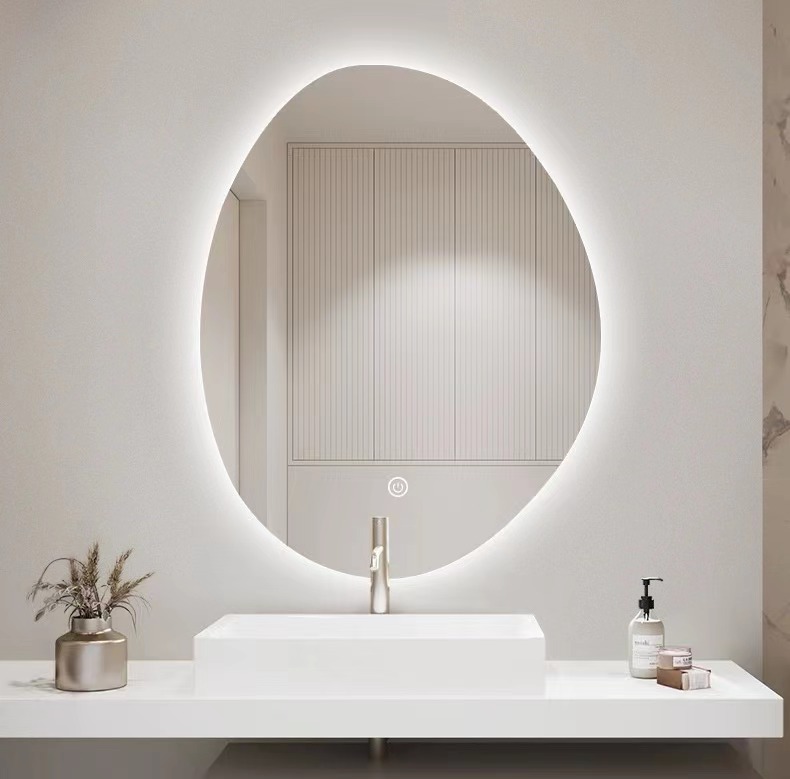
These technical advantages ensure that modern mirror glass products deliver not only aesthetic appeal but also long-term performance and cost-effectiveness for various B2B applications.
The versatility of high-quality mirror glass extends across a multitude of industries, addressing diverse functional and aesthetic requirements. Understanding these application scenarios helps B2B clients visualize the integration and benefits of premium mirror glass wholesale solutions.
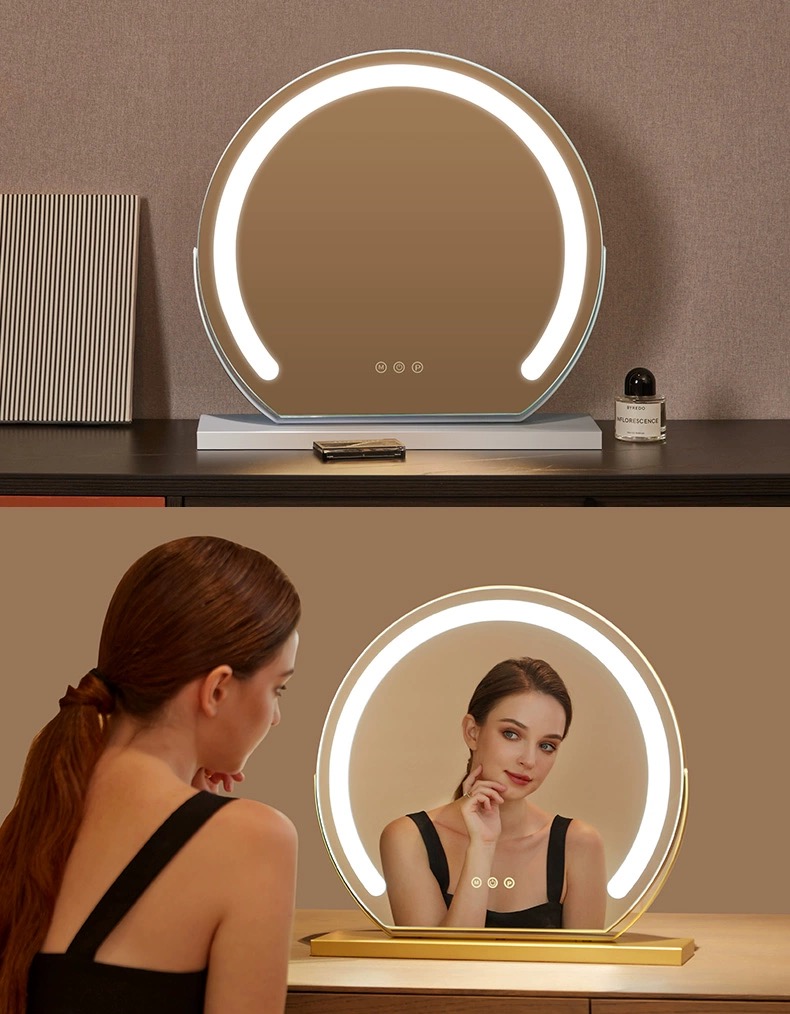
Each application demands specific characteristics from the mirror glass, highlighting the importance of working with a supplier capable of delivering tailored solutions that meet precise technical and aesthetic criteria.
Selecting the right mirror glass wholesale supplier is a strategic decision that impacts project timelines, quality, and cost-efficiency. A thorough comparison should go beyond price, focusing on a vendor's capabilities, reliability, and support structure.
A comprehensive evaluation based on these factors ensures a partnership that supports project success, quality adherence, and long-term satisfaction for all mirror glass wholesale requirements.
In the B2B landscape, off-the-shelf solutions often fall short of specific project demands. Leading mirror glass wholesale suppliers offer extensive customization capabilities, ensuring that mirror components seamlessly integrate into complex designs and functional requirements. This commitment to bespoke solutions is a hallmark of a truly authoritative and expert vendor.
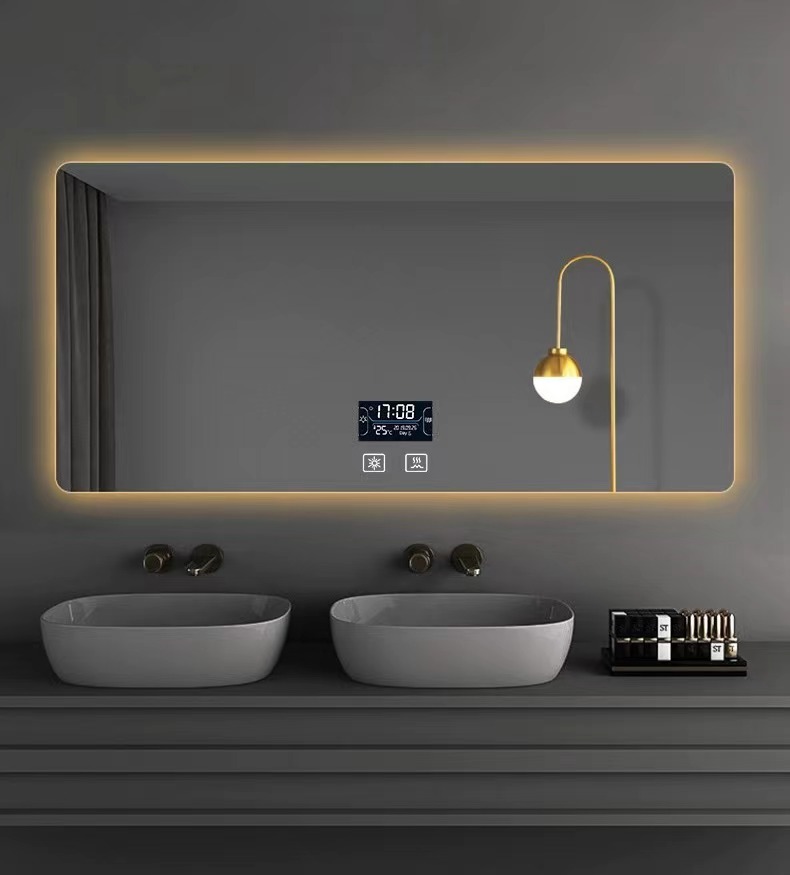
Working closely with a supplier capable of these customizations ensures that design visions are realized without compromise, providing unique and high-value solutions for even the most challenging projects.
Real-world application case studies demonstrate the tangible benefits and successful implementation of high-quality mirror glass solutions, providing invaluable insights into a supplier's experience and expertise.
Challenge: A prominent international luxury hotel chain sought to upgrade thousands of bathroom mirrors across multiple properties. The key requirements were superior aesthetics, enhanced functionality (lighting, defogging), and extreme durability in high-humidity environments, all while meeting a strict budget for mirror glass wholesale procurement.
Solution: The chosen supplier provided custom-designed LED mirrors featuring copper-free silver glass, integrated touch-sensitive LED lighting, and built-in defoggers. Each mirror was precisely cut to fit existing bathroom layouts and included a safety film backing. The copper-free technology ensured long-term corrosion resistance, crucial for the humid hotel bathroom environment, while the LED lighting offered energy-efficient, adjustable illumination, enhancing guest experience.
Outcome: The hotel reported a significant improvement in guest satisfaction scores related to bathroom amenities. The energy-saving LED mirrors contributed to a reduction in operational costs, and the superior corrosion resistance minimized maintenance and replacement needs. The project was delivered on time and within budget, showcasing the supplier's ability to handle large-scale, complex B2B orders with precision and reliability.
Customer Feedback: "The LED mirrors provided by [Supplier Name] transformed our hotel bathrooms. The quality is exceptional, and the integrated features are a major hit with our guests. Their project management and delivery were seamless." - VP of Procurement, Global Hotel Group.
Challenge: A luxury residential developer required large-format, custom-shaped mirrors for the lobby, gym, and common areas of a new high-rise tower. The mirrors needed to be visually stunning, highly durable, and precisely cut to complement the modern architectural design, including intricate patterns for wall cladding.
Solution: The supplier leveraged its advanced CNC capabilities to produce oversized silver mirrors with custom-beveled edges and intricate sandblasted patterns, integrated with subtle backlighting for the lobby. For the gym, extra-thick, impact-resistant safety mirrors were supplied, ensuring both aesthetic appeal and occupant safety. The project also included unique mirror glass door panels for concealed storage units.
Outcome: The bespoke mirror installations became a focal point of the building's interior design, receiving accolades from residents and design critics. The durability and precision of the mirrors met the developer's high standards, contributing to the building's premium aesthetic and functionality. The supplier’s ability to execute complex designs with high fidelity was key to the project's success.
Authoritativeness and trustworthiness are foundational pillars for B2B relationships. A reputable mirror glass wholesale supplier demonstrates this through rigorous quality assurance protocols, industry certifications, and established partnerships.
Suppliers who openly share their certifications, test data, and client references offer transparency and build confidence, crucial for large-scale B2B procurement. This commitment to verifiable quality ensures that the purchased mirror glass will perform as expected throughout its service life.
Understanding the practical aspects of procurement—from delivery timelines to post-sales support—is crucial for efficient project planning and risk management in mirror glass wholesale transactions.
The procurement of mirror glass wholesale is a complex process that demands a thorough understanding of material science, manufacturing excellence, and application-specific requirements. By prioritizing suppliers who demonstrate expertise, adhere to stringent quality standards, offer extensive customization, and provide robust support, B2B decision-makers can ensure the successful realization of their projects. Investing in high-quality mirror glass translates directly into enhanced aesthetics, superior durability, and long-term cost-efficiency across diverse industries.
In the dynamic B2B sector, the demand for high-performance optical and architectural glass components is ever-growing. Specifically, the procurement of mirror glass wholesale represents a critical consideration for industries ranging from construction and interior design to advanced electronics and automotive. This comprehensive guide delves into the technical intricacies, market dynamics, and strategic considerations for sourcing premium mirror glass, ensuring compliance with stringent industry standards and delivering unparalleled value.
The quality of mirror glass profoundly impacts final product aesthetics, durability, and functional performance. As a foundational component, understanding its manufacturing process, material science, and application versatility is paramount for B2B decision-makers. This article aims to equip professionals with the knowledge needed to make informed purchasing decisions, emphasizing technical specifications, customization potential, and long-term reliability.
The global market for mirror glass is experiencing robust growth, driven by innovation in smart home technologies, expansion in the construction sector, and evolving interior design trends that prioritize both aesthetics and functionality. Key trends include the increasing demand for eco-friendly and energy-efficient mirror solutions, such as those integrated with LED lighting (e.g., LED mirrors), and advanced coatings that offer enhanced durability and anti-fog properties.
Furthermore, the integration of smart features—like touch sensors, defoggers, and connectivity—is transforming traditional mirror glass into sophisticated, interactive elements. This shift necessitates suppliers capable of producing high-precision, technologically integrated glass solutions at a wholesale scale. The emphasis is also increasingly placed on sustainability, with manufacturers exploring greener production methods and recyclable materials to meet growing environmental regulations and consumer preferences. The automotive sector, for instance, demands increasingly complex mirror assemblies for advanced driver-assistance systems (ADAS), pushing the boundaries of optical quality and sensor integration.
Understanding the various types of mirror glass is crucial for specifying the correct product for any application. Each type offers distinct properties regarding reflection clarity, durability, and suitability for specific environments.
The selection process for mirror glass for sale must consider not only the type but also critical technical parameters such as reflectance, thickness tolerance, edge work options (polished, beveled, seamed), and adhesion compatibility if used with mirror glass adhesive.
The production of high-quality mirror glass for wholesale distribution involves a sophisticated, multi-stage process that ensures precision, durability, and optical clarity. This process adheres to rigorous international standards, such as ISO 9001 for quality management and relevant ANSI standards for glass safety and performance.
The foundation of any mirror is its glass substrate, typically float glass. This material is produced by pouring molten glass onto a bed of molten tin, allowing it to spread and cool to a uniformly flat surface with parallel faces. This initial casting process is critical for achieving optical flatness and minimizing distortions. Post-casting, the large glass sheets undergo precise cutting to desired dimensions, followed by meticulous cleaning. This cleaning phase is paramount, involving multiple washes with deionized water and brushes, followed by drying, to remove any dust, oils, or residues that could compromise the adhesion or quality of the reflective coating.
Before applying the reflective metal, the meticulously cleaned glass surface is sensitized. This involves treating the glass with tin chloride solution, which prepares the surface to accept the subsequent silvering or aluminum coating evenly and effectively. This chemical activation step is crucial for ensuring a strong, uniform bond between the glass and the metallic layer, preventing peeling or tarnishing over time.
The metallic reflective layer, particularly silver, is highly susceptible to oxidation and abrasion. To protect it, one or more layers of protective paint are applied. Traditionally, this involves a copper layer for corrosion resistance, followed by two layers of protective paint (primer and finish coat). Modern, eco-friendly mirrors often omit the copper, using advanced passivation layers and specialized paints to achieve superior corrosion resistance while minimizing environmental impact. These paints are typically lead-free and formulated for high adhesion and chemical resistance. After paint application, the mirror glass is cured in specialized ovens to ensure the protective layers are fully hardened and bonded.
After curing, the mirror glass undergoes various finishing processes, including CNC machining for precise shaping, edge grinding (seaming, polishing, beveling), and drilling as per customer specifications. Each piece then passes through stringent quality control checks. These include visual inspections for defects (scratches, pinholes, streaks), reflectivity measurements using spectrophotometers, adhesion tests of the protective layers, and accelerated corrosion tests (e.g., CASS test - Copper Accelerated Acetic Acid Salt Spray) to simulate long-term performance in harsh environments. Only products meeting ISO and other specified standards are approved for packaging and shipment.
The resulting mirror glass boasts an extended service life, typically 10-15 years under normal conditions, significantly exceeding conventional mirrors due to superior protective coatings. Target industries include petrochemical (control room windows), metallurgy (inspection panels), and water supply & drainage (bathroom and utility mirrors), where corrosion resistance and clarity are paramount. For instance, in modern residential and commercial buildings, the use of energy-saving LED mirrors, enabled by high-quality mirror glass, drastically reduces electricity consumption while enhancing ambient lighting and design versatility.
Selecting the appropriate mirror glass requires a thorough understanding of its technical specifications. These parameters directly influence performance, durability, and suitability for specific applications.
These parameters are not merely numbers; they represent the engineering integrity and functional promise of each mirror glass product. For example, high reflectivity is critical for display cases or optical instruments, while superior corrosion resistance is non-negotiable for marine or bathroom installations. Decision-makers should always request comprehensive data sheets and compliance certifications from their mirror glass wholesale supplier.
Contemporary mirror glass offers a suite of technical advantages that extend beyond mere reflection, addressing critical B2B demands for durability, efficiency, and design flexibility.
These technical advantages ensure that modern mirror glass products deliver not only aesthetic appeal but also long-term performance and cost-effectiveness for various B2B applications.
The versatility of high-quality mirror glass extends across a multitude of industries, addressing diverse functional and aesthetic requirements. Understanding these application scenarios helps B2B clients visualize the integration and benefits of premium mirror glass wholesale solutions.
Each application demands specific characteristics from the mirror glass, highlighting the importance of working with a supplier capable of delivering tailored solutions that meet precise technical and aesthetic criteria.
Selecting the right mirror glass wholesale supplier is a strategic decision that impacts project timelines, quality, and cost-efficiency. A thorough comparison should go beyond price, focusing on a vendor's capabilities, reliability, and support structure.
A comprehensive evaluation based on these factors ensures a partnership that supports project success, quality adherence, and long-term satisfaction for all mirror glass wholesale requirements.
In the B2B landscape, off-the-shelf solutions often fall short of specific project demands. Leading mirror glass wholesale suppliers offer extensive customization capabilities, ensuring that mirror components seamlessly integrate into complex designs and functional requirements. This commitment to bespoke solutions is a hallmark of a truly authoritative and expert vendor.
Working closely with a supplier capable of these customizations ensures that design visions are realized without compromise, providing unique and high-value solutions for even the most challenging projects.
Real-world application case studies demonstrate the tangible benefits and successful implementation of high-quality mirror glass solutions, providing invaluable insights into a supplier's experience and expertise.
Challenge: A prominent international luxury hotel chain sought to upgrade thousands of bathroom mirrors across multiple properties. The key requirements were superior aesthetics, enhanced functionality (lighting, defogging), and extreme durability in high-humidity environments, all while meeting a strict budget for mirror glass wholesale procurement.
Solution: The chosen supplier provided custom-designed LED mirrors featuring copper-free silver glass, integrated touch-sensitive LED lighting, and built-in defoggers. Each mirror was precisely cut to fit existing bathroom layouts and included a safety film backing. The copper-free technology ensured long-term corrosion resistance, crucial for the humid hotel bathroom environment, while the LED lighting offered energy-efficient, adjustable illumination, enhancing guest experience.
Outcome: The hotel reported a significant improvement in guest satisfaction scores related to bathroom amenities. The energy-saving LED mirrors contributed to a reduction in operational costs, and the superior corrosion resistance minimized maintenance and replacement needs. The project was delivered on time and within budget, showcasing the supplier's ability to handle large-scale, complex B2B orders with precision and reliability.
Customer Feedback: "The LED mirrors provided by [Supplier Name] transformed our hotel bathrooms. The quality is exceptional, and the integrated features are a major hit with our guests. Their project management and delivery were seamless." - VP of Procurement, Global Hotel Group.
Challenge: A luxury residential developer required large-format, custom-shaped mirrors for the lobby, gym, and common areas of a new high-rise tower. The mirrors needed to be visually stunning, highly durable, and precisely cut to complement the modern architectural design, including intricate patterns for wall cladding.
Solution: The supplier leveraged its advanced CNC capabilities to produce oversized silver mirrors with custom-beveled edges and intricate sandblasted patterns, integrated with subtle backlighting for the lobby. For the gym, extra-thick, impact-resistant safety mirrors were supplied, ensuring both aesthetic appeal and occupant safety. The project also included unique mirror glass door panels for concealed storage units.
Outcome: The bespoke mirror installations became a focal point of the building's interior design, receiving accolades from residents and design critics. The durability and precision of the mirrors met the developer's high standards, contributing to the building's premium aesthetic and functionality. The supplier’s ability to execute complex designs with high fidelity was key to the project's success.
Authoritativeness and trustworthiness are foundational pillars for B2B relationships. A reputable mirror glass wholesale supplier demonstrates this through rigorous quality assurance protocols, industry certifications, and established partnerships.
Suppliers who openly share their certifications, test data, and client references offer transparency and build confidence, crucial for large-scale B2B procurement. This commitment to verifiable quality ensures that the purchased mirror glass will perform as expected throughout its service life.
Understanding the practical aspects of procurement—from delivery timelines to post-sales support—is crucial for efficient project planning and risk management in mirror glass wholesale transactions.
The procurement of mirror glass wholesale is a complex process that demands a thorough understanding of material science, manufacturing excellence, and application-specific requirements. By prioritizing suppliers who demonstrate expertise, adhere to stringent quality standards, offer extensive customization, and provide robust support, B2B decision-makers can ensure the successful realization of their projects. Investing in high-quality mirror glass translates directly into enhanced aesthetics, superior durability, and long-term cost-efficiency across diverse industries.

Zon Pembangunan ekonomi Bandar Shahe 32,hebei,PR .China.

+8618686009698
+8613191439158

eoch@shtopglass.com
jason@shtopglass.com