



In the modern architectural and industrial landscape, the demand for high-precision, crystal-clear glass is higher than ever. float flat glass has become the global standard for producing high-quality panes that offer exceptional clarity and uniformity. Whether it is used in towering skyscrapers or domestic windows, this material provides the perfect balance of aesthetics and structural integrity. In this comprehensive guide, we will explore how this glass is manufactured, its key advantages, and why choosing a professional supplier is critical for your next project.
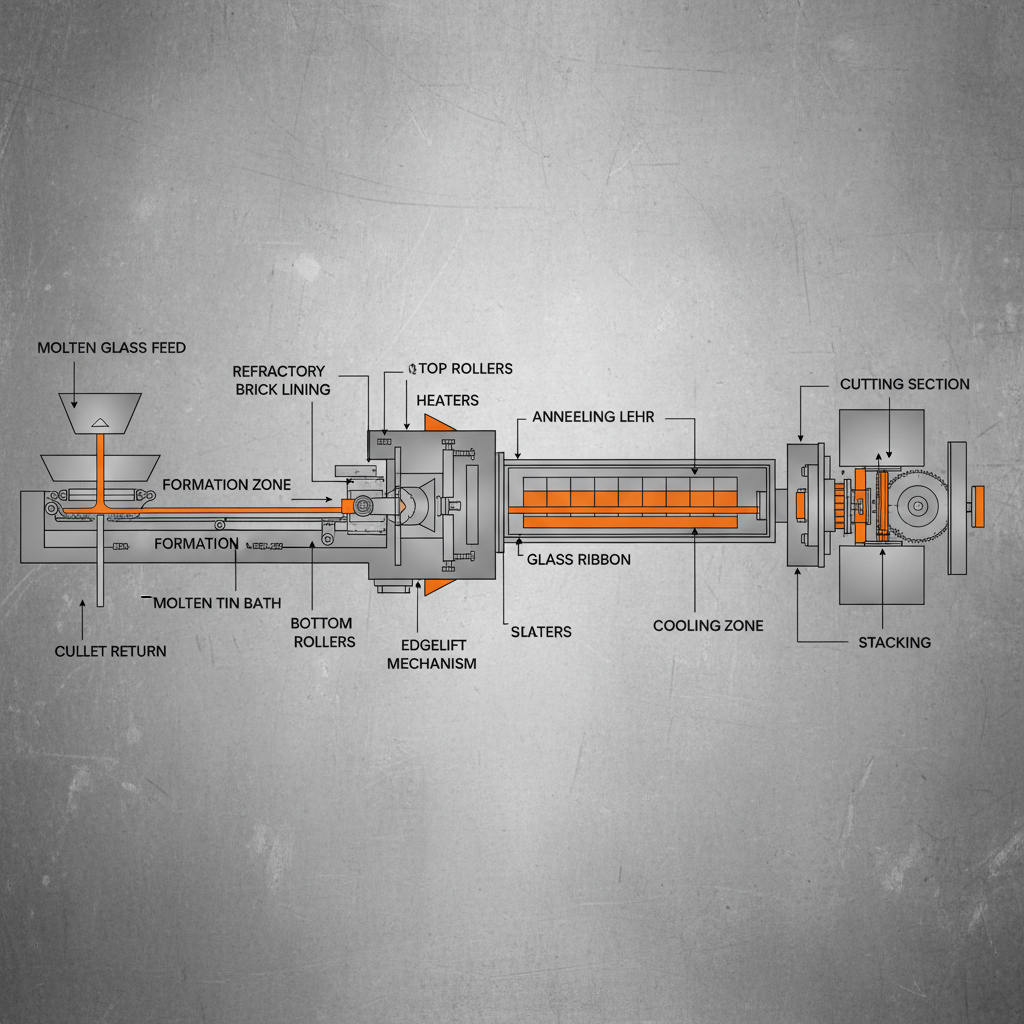
The production of float flat glass is a marvel of engineering. The process begins by melting a mixture of silica sand, soda ash, and limestone in a furnace. The molten glass is then poured onto a bed of molten tin. Because glass is less dense than tin, it floats on the surface, naturally forming a perfectly flat ribbon. This "floating" action eliminates the need for expensive grinding and polishing processes used in older methods. As the ribbon cools slowly on the tin bath, it is annealed to remove internal stresses, ensuring the final product is durable and free from distortion.
Technical Highlight: The molten tin bath ensures a fire-polished surface finish, which provides a high degree of transparency and a smooth surface that is ideal for further processing into tempered or laminated glass.
Why is float flat glass the preferred choice for architects and builders? The primary reason is its optical purity. Unlike rolled glass, it does not have wave distortions, making it perfect for mirrors and viewing windows. Additionally, its uniformity in thickness allows for precise cutting and fitting. It is also highly versatile; it serves as the "base glass" for almost all other glass types, including tinted, reflective, and heat-strengthened varieties. This versatility makes it a cost-effective solution for both residential and commercial scales.
Top Benefits:
• Exceptional light transmission and clarity
• Perfectly parallel surfaces for precise installation
• High resistance to environmental weathering
• Cost-efficient mass production capabilities
Understanding the difference between float and rolled glass is essential for selecting the right material for your project. While rolled glass is often used for textured or wired patterns, float flat glass wins when it comes to transparency and surface smoothness. The float process allows for a level of precision that simply cannot be achieved with rollers, which often leave microscopic striations on the surface.
The applications for float flat glass are nearly endless. In the construction industry, it is used for energy-efficient double-glazing units that keep interiors warm in winter and cool in summer. In the automotive sector, it serves as the primary material for windshields and side windows after undergoing tempering. Additionally, it is widely used in interior design for glass partitions, shelving, and high-end furniture. Because of its ability to be coated, it is also used to create "Low-E" glass, which reflects infrared light to improve thermal insulation.
When sourcing glass, understanding the technical specifications is key to ensuring safety and performance. float flat glass is typically categorized by its thickness and clarity grade. Standard thicknesses range from 2mm for lightweight applications to 19mm or more for heavy-duty structural use. Below is a typical specification table used for procurement and quality control.
Not all glass is created equal. When looking for float flat glass, it is crucial to partner with a manufacturer that adheres to international quality standards. A reliable supplier provides not only the raw materials but also the expertise to suggest the best thickness and coating for your specific climate and load requirements. Look for companies that offer comprehensive quality inspections, secure packaging to prevent breakage during transit, and transparent lead times. Investing in premium glass from the start prevents costly replacements and ensures the long-term safety of the installation.
In summary, float flat glass is the cornerstone of modern glazing. Its unique production process results in a product that is visually flawless, structurally sound, and incredibly versatile. From enhancing the natural light in a home to providing the structural facade of a commercial hub, its impact is everywhere. By understanding the technical specifications and choosing a high-quality source, you can ensure that your project achieves both its functional and aesthetic goals. Choose quality, choose clarity, and choose the best in float glass technology.
Float glass is the "base" glass produced by the floating process on molten tin. It is annealed and stable but can break into sharp shards if impacted. Tempered glass is actually float glass that has been subjected to a thermal or chemical treatment to increase its strength. When tempered glass breaks, it shatters into small, blunt granules rather than sharp pieces, making it much safer for doors, showers, and automotive windows. In short, float glass is the raw material, and tempered glass is the processed safety version of that material.
Yes, absolutely. While the float process creates a continuous ribbon of glass, it is then cut to specific dimensions using high-precision CNC machinery to meet client requirements. Regarding color, "clear" float glass can be tinted during the melting stage by adding metal oxides (such as iron for green or cobalt for blue). Additionally, it can be coated with metallic oxides after production to create reflective or Low-E surfaces. This makes float flat glass an incredibly adaptable material for any design vision.
Maintaining the pristine look of float glass requires avoiding abrasive cleaners. We recommend using a mild soap solution or a professional glass cleaner with a microfiber cloth to prevent scratching the fire-polished surface. For industrial applications, regular cleaning prevents the buildup of minerals and pollutants that can etch the glass over time. If the glass is used outdoors, ensure that the frames are properly sealed to prevent moisture from seeping into the edges, which can cause "clouding" or degradation in laminated versions.
Standard float glass is generally not used as a primary load-bearing element due to its brittleness. However, it becomes structural when it is processed into laminated or toughened glass. Laminated glass, created by bonding two or more layers of float glass with an interlayer (like PVB), provides the necessary strength and safety for floors, railings, and overhead canopies. When planning a load-bearing installation, always consult with a structural engineer to determine the appropriate thickness and processing required for safety and compliance.

Shahe City economic Development Zone 32,hebei,P.R .China.

+8618686009698
+8613191439158

eoch@shtopglass.com
jason@shtopglass.com