



6mm float glass is a versatile and widely used glass type in numerous applications, from construction and furniture to automotive and decorative elements. Its clarity, strength, and affordability make it a popular choice for both residential and commercial projects. This article will delve into the properties, manufacturing process, applications, advantages, and considerations when working with 6mm float glass, offering a comprehensive guide for professionals and homeowners alike. Understanding the characteristics of this essential material can ensure optimal performance and longevity in any application.
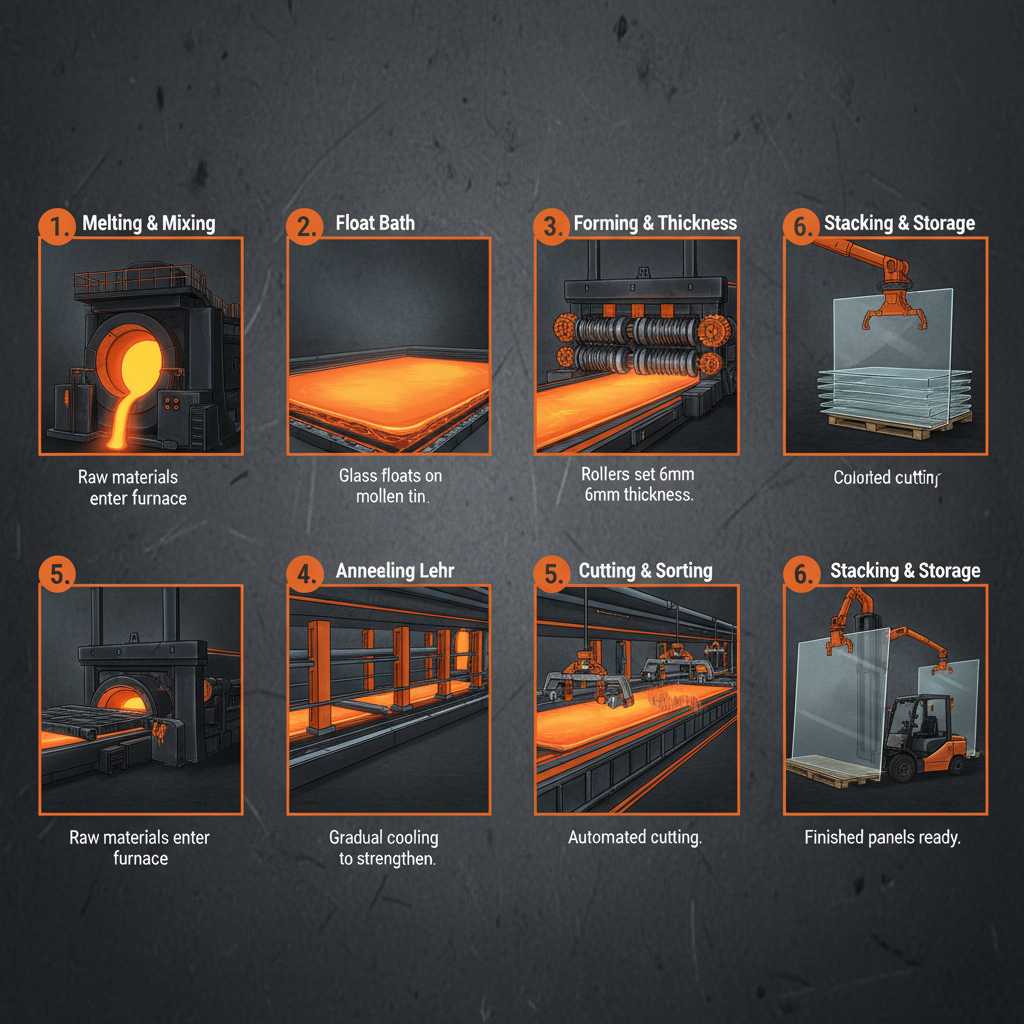
Float glass is manufactured using the float process, where molten glass is poured onto a bed of molten tin. This creates a perfectly flat and smooth surface on both sides, eliminating the need for grinding or polishing. The thickness of the glass is controlled during this process. 6mm float glass specifically refers to glass that is 6 millimeters thick. This thickness strikes a balance between strength, weight, and cost. The process ensures consistent quality and allows for large-scale production. Tptopglass specializes in producing high-quality 6mm float glass to meet diverse industry needs.
Key Highlights: The float process ensures consistent quality, flatness, and clarity in 6mm float glass, making it suitable for a wide range of applications.
6mm float glass possesses several key properties that contribute to its widespread use. These include high optical clarity, allowing for excellent light transmission; smooth, flat surfaces ideal for various coatings and treatments; and reasonable strength, making it suitable for applications where moderate impact resistance is required. It's also relatively lightweight compared to thicker glass options, facilitating easier handling and installation. Additionally, it’s chemically stable and resistant to most environmental factors. These properties combined contribute to its durability and long-lasting performance.
Key Properties at a Glance:
• High Optical Clarity
• Smooth, Flat Surfaces
• Moderate Strength
• Lightweight
• Chemically Stable
The versatility of 6mm float glass is demonstrated by its diverse range of applications. It’s frequently used in window glazing for residential and commercial buildings, providing natural light and clear views. It’s also a popular choice for furniture components like table tops and shelving, offering a sleek and modern aesthetic. Furthermore, it’s commonly used in picture frames, mirrors, and shower screens. In the automotive industry, it's utilized for side and rear windows. The ability to easily cut and process this glass type allows for customized solutions in various industries.
Choosing the right glass thickness is crucial for any project. While 6mm float glass offers a good balance, it's important to consider its limitations compared to thicker options. Thicker glass (8mm, 10mm, or more) provides greater strength and impact resistance, making it suitable for applications requiring higher safety, such as large windows or structural glazing. However, thicker glass is also heavier and more expensive. Conversely, thinner glass (4mm or less) is more prone to breakage and may not offer sufficient stability for certain applications. Tptopglass can advise on the best glass thickness for your specific needs.
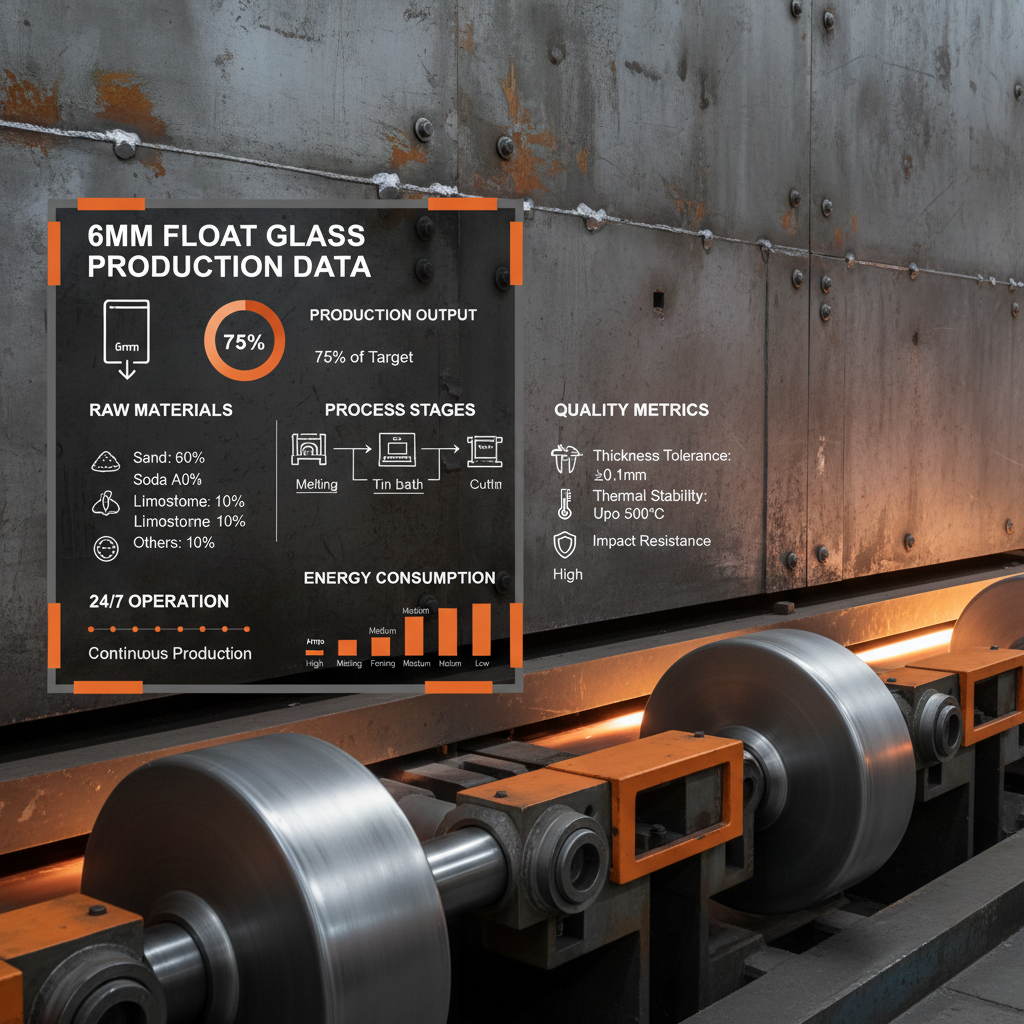
While 6mm float glass is relatively safe to handle, certain precautions should be taken. Always wear safety glasses and gloves when cutting or handling glass to protect against sharp edges. Use appropriate lifting equipment for larger sheets. When cutting, use a proper glass cutter and apply even pressure. Consider using a protective film during cutting to minimize chipping. Always dispose of broken glass safely and responsibly. Following these guidelines ensures a safe working environment and prevents potential injuries.
6mm float glass remains a highly valued material for a wide spectrum of applications due to its clarity, affordability, and versatility. Whether for residential windows, furniture, or decorative elements, it provides a reliable and aesthetically pleasing solution. For high-quality 6mm float glass and expert guidance, explore the offerings at Tptopglass and ensure your project benefits from the best available material.
The maximum size of 6mm float glass sheets generally ranges up to 3210mm x 2250mm (approximately 126" x 89"). However, availability can vary depending on the manufacturer and specific requirements. It’s always best to confirm the maximum available size with your supplier, such as Tptopglass, before planning your project. Larger sizes may require special handling and transportation considerations.
Yes, 6mm float glass can be both tempered and laminated to enhance its strength and safety characteristics. Tempered glass is heat-treated to increase its resistance to impact, while laminated glass consists of two or more layers of glass bonded together with an interlayer, which holds the glass together if broken. Both treatments significantly improve the glass's performance and make it suitable for applications requiring higher safety standards. Tptopglass offers both tempering and lamination services for 6mm float glass.
The typical lead time for ordering 6mm float glass can vary depending on the quantity, size, and any additional processing requirements (like cutting, tempering, or lamination). Generally, standard sizes are available with a lead time of 1-2 weeks. For custom orders or larger quantities, the lead time may be longer, ranging from 2-4 weeks. It’s always recommended to check with your supplier, such as Tptopglass, for an accurate quote and delivery schedule.

Shahe City economic Development Zone 32,hebei,P.R .China.

+8618686009698
+8613191439158

eoch@shtopglass.com
jason@shtopglass.com