Understanding the Evolution and types of low e glass in Modern Construction
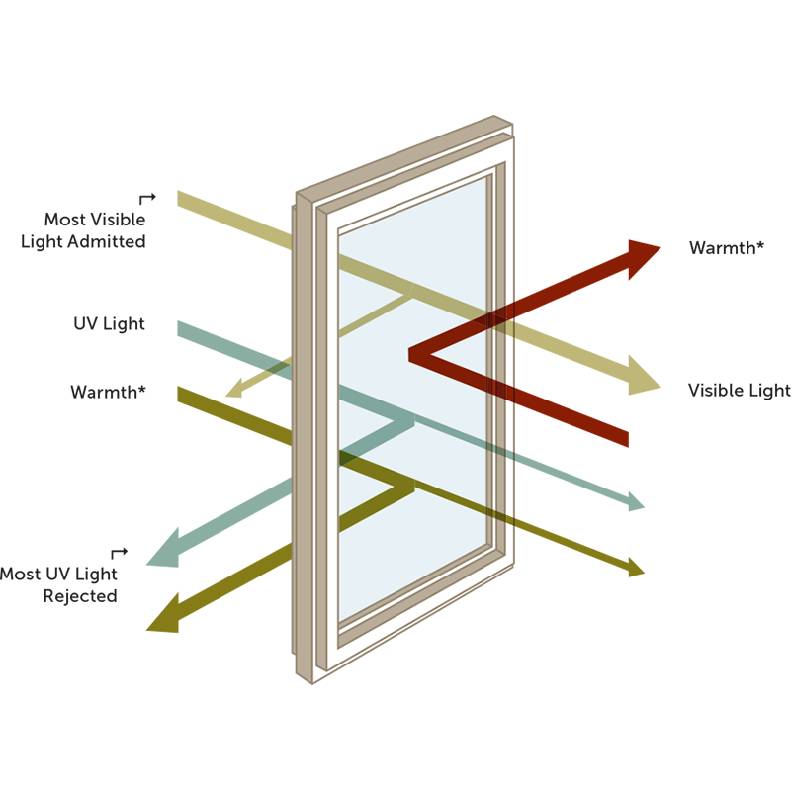
In the pursuit of enhanced energy efficiency and indoor comfort, Low-Emissivity (Low-E) glass has become a cornerstone technology in contemporary building design. This advanced glazing solution is engineered to minimize the amount of infrared and ultraviolet light that passes through glass without compromising visible light transmission. By significantly reducing heat transfer, Low-E glass plays a pivotal role in maintaining stable interior temperatures, thereby decreasing reliance on heating, ventilation, and air conditioning (HVAC) systems. This translates directly into substantial energy savings and a reduced carbon footprint, aligning with global sustainability initiatives.
The market for high-performance glazing, particularly for various types of low e glass, is experiencing robust growth. According to a report by Grand View Research, the global low-emissivity glass market size was valued at USD 3.6 billion in 2022 and is projected to grow at a compound annual growth rate (CAGR) of 8.2% from 2023 to 2030. This expansion is driven by stringent building energy codes, increasing awareness of environmental impact, and the desire for improved occupant comfort in residential, commercial, and institutional structures. The continuous innovation in coating technologies leads to more sophisticated different types of low e glass, catering to diverse climate zones and architectural demands.
Our exploration delves into the technical nuances, manufacturing processes, and diverse applications of low e glass, providing B2B decision-makers and engineers with comprehensive insights into selecting optimal solutions. We will cover key performance indicators, comparative advantages of various coating types, and how these solutions integrate into modern building envelopes, including advanced low e glass double glazing configurations.
Technical Specifications and Operating Principles of Low-E Glass
The effectiveness of low e glass is quantified by several critical technical parameters that determine its energy performance:
-
Emissivity: This is the key property of Low-E coatings. Emissivity measures a material's ability to radiate absorbed energy. A standard clear glass pane has an emissivity of approximately 0.84. Low-E coatings reduce this to 0.02 to 0.20, meaning they emit very little radiant heat. In cooler climates, this reflects internal heat back indoors; in warmer climates, it reflects external heat away.
-
U-factor (or U-value): Represents the rate of heat loss or gain through a material due to temperature difference. A lower U-factor indicates better insulating properties and less heat transfer. Low-E coatings significantly improve a window's U-factor, especially when combined with inert gas fills in low e glass double glazing.
-
Solar Heat Gain Coefficient (SHGC): This measures the fraction of solar radiation admitted through a window, either directly transmitted or absorbed and then radiated inward. A lower SHGC means less solar heat gain. Different types of low e glass are designed with varying SHGC values to suit specific climatic conditions – low SHGC for hot climates, higher SHGC for cold climates.
-
Visible Light Transmittance (VLT): Indicates the percentage of visible light that passes through the glass. Low-E coatings are designed to be spectrally selective, allowing high VLT while blocking undesirable IR and UV radiation.
The core technology behind low e glass involves applying a microscopically thin, transparent metallic or metallic oxide coating onto the glass surface. These coatings are spectrally selective, meaning they allow short-wave visible light to pass through while reflecting long-wave infrared (heat) energy.
Product Specification Table: Common Low-E Coating Types
| Parameter |
Pyrolytic (Hard Coat) |
Single-Silver Sputtered (Soft Coat) |
Double-Silver Sputtered (Soft Coat) |
Triple-Silver Sputtered (Soft Coat) |
| Emissivity (e) |
0.15 - 0.20 |
0.04 - 0.08 |
0.02 - 0.04 |
< 0.02 |
| U-factor (W/m²K) (Typical IGU) |
1.6 - 1.9 |
1.2 - 1.5 |
0.8 - 1.1 |
0.6 - 0.8 |
| SHGC (Typical IGU) |
0.45 - 0.60 |
0.25 - 0.40 |
0.18 - 0.25 |
0.15 - 0.20 |
| VLT (%) (Typical IGU) |
70 - 80 |
60 - 75 |
50 - 65 |
45 - 55 |
| Durability |
High (Surface #2 or #3) |
Low (Must be sealed) |
Low (Must be sealed) |
Low (Must be sealed) |
Note: Values are typical and can vary based on specific product design, glass thickness, and IGU configuration (e.g., argon fill, spacer type).
Manufacturing Process for Low-E Glass Panels
The production of low e glass involves sophisticated processes that ensure precise application of the metallic coating. The journey begins with the fundamental creation of float glass, followed by specialized coating techniques.
1. Float Glass Production (Base Material)
The base glass substrate is produced via the float glass process. Raw materials (silica sand, soda ash, limestone, dolomite, etc.) are melted at approximately 1600°C in a furnace. The molten glass then flows onto a bed of molten tin, where it spreads out, forming a perfectly flat, parallel-surfaced ribbon as it cools and solidifies. This "floating" action ensures exceptional flatness and optical clarity.
2. Low-E Coating Application
There are two primary methods for applying the Low-E coating, leading to distinct different types of low e glass:
Process A: Pyrolytic (Hard Coat) Low-E
This method involves applying a thin metallic oxide coating directly onto the hot glass surface while it is still on the float line. The coating fuses with the glass surface, creating a highly durable, scratch-resistant bond.
- In-line Application: Coating materials are sprayed onto the glass ribbon at high temperatures (around 650°C).
- Chemical Vapor Deposition (CVD): A chemical reaction occurs at the surface, depositing a uniform, transparent, and durable coating of metal oxides (e.g., tin dioxide doped with fluorine).
- Annealing: The coated glass proceeds through a controlled cooling process to relieve internal stresses.
Process B: Magnetron Sputtering (Soft Coat) Low-E
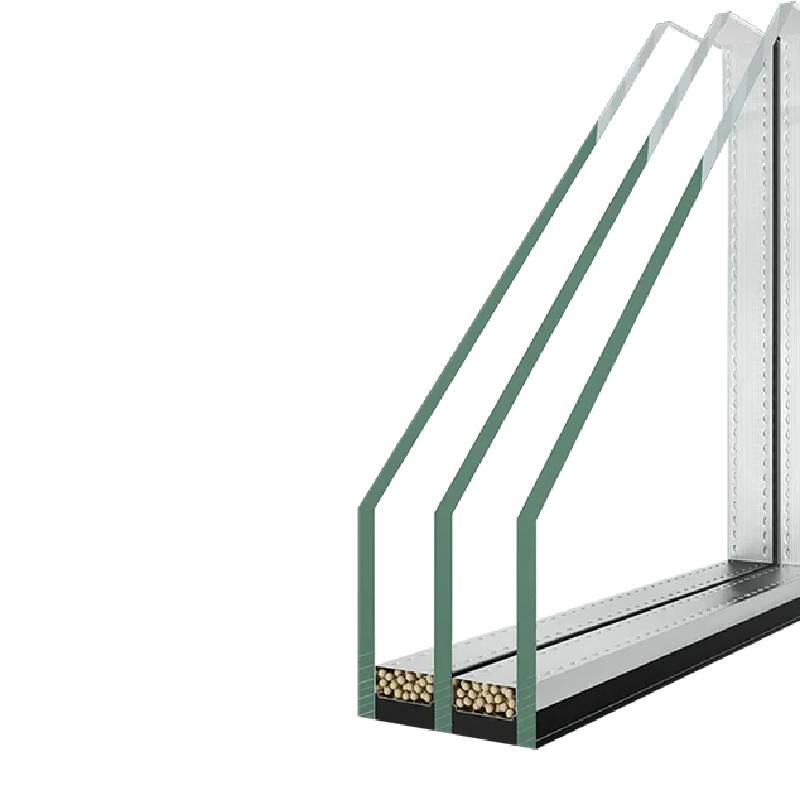
This off-line process applies multiple microscopically thin layers of silver or other metals in a vacuum chamber at room temperature. The coating is more delicate and must be protected, typically by being hermetically sealed within an insulating glass unit (IGU).
- Preparation: Float glass is thoroughly cleaned and loaded into a large vacuum chamber.
- Vacuum Deposition: Inside the chamber, a vacuum is created. Argon gas is introduced, and an electrical charge creates a plasma.
- Sputtering: Energetic argon ions bombard metallic targets (e.g., silver, titanium), dislodging atoms that then deposit onto the glass surface, forming ultra-thin, uniform layers. This process is highly controllable, allowing for single-silver, double-silver, or triple-silver coatings.
- Protective Layers: Dielectric layers are often applied above and below the silver layers to enhance durability and optical clarity.
3. Post-Coating Processing and Quality Control
After coating, the glass undergoes further processing, including cutting, tempering (heat-strengthening for safety and durability), laminating (for enhanced security and sound insulation), and edge-working. Strict quality control measures are implemented at every stage.
-
Testing Standards: All our low e glass panels adhere to international standards such as ISO 9050 (Glass in Building - Determination of Light Transmittance, Solar Direct Transmittance, Total Solar Energy Transmittance, and Ultraviolet Transmittance) and EN 410 (Glass in Building - Determination of Luminous and Solar Characteristics of Glazing), as well as national standards like ANSI Z97.1 and ASTM C1376. These ensure consistent performance and safety.
-
Service Life: When properly integrated into Insulating Glass Units (IGUs), particularly low e glass double glazing, the service life of the Low-E coating is expected to exceed 20 years, matching the lifespan of the IGU itself. The coating is protected from environmental degradation.
Application Scenarios and Technical Advantages
The versatility of low e glass allows for its extensive application across various sectors, where its technical advantages deliver significant returns on investment.
Primary Application Scenarios:
-
Commercial Buildings: Office towers, hospitals, educational institutions, retail spaces. Low-E glass minimizes energy consumption from HVAC systems, reduces glare, and enhances occupant comfort, contributing to green building certifications (e.g., LEED).
-
Residential Construction: Homes and multi-family dwellings. From low e glass for sale as single units to complete low e glass double glazing windows, it drastically lowers heating and cooling bills and protects interiors from UV fading.
-
Automotive Industry: Windshields and side glass. Low-E coatings reduce solar heat gain inside vehicles, lessening the burden on air conditioning and improving fuel efficiency.
-
Refrigeration Display Cases: Supermarket freezers and chillers. Low-E coatings on glass doors reduce condensation and heat transfer into the refrigerated space, saving energy and improving product visibility.
-
Specialty Applications: Skylights, sunrooms, curtain walls, solar thermal collectors (to prevent heat loss).
Technical Advantages of Different Types of Low E Glass:
| Advantage |
Description |
| Energy Savings |
Reduces heat transfer through windows, leading to significantly lower heating and cooling costs. Can reduce HVAC energy consumption by 15-20% in many applications. |
| Enhanced Comfort |
Minimizes cold spots near windows in winter and overheating in summer, providing more uniform indoor temperatures and eliminating uncomfortable drafts. |
| UV Protection |
Blocks up to 75% of harmful UV rays, protecting furniture, flooring, and artwork from fading and degradation. |
| Reduced Condensation |
Keeps the interior glass surface warmer, reducing the likelihood of condensation buildup, especially in humid environments. |
| Acoustic Performance |
When incorporated into laminated glass or thicker IGUs, it contributes to improved sound insulation, creating quieter interior spaces. |
These advantages position low e glass as a crucial component for sustainable architecture and energy-efficient operations across a multitude of industries.
Exploring Different Types of Low E Glass and Customization Opportunities
The diversity in types of low e glass stems primarily from the coating technology employed and the number of metallic layers applied. Understanding these distinctions is crucial for specifying the correct product for a project's unique requirements.
Categorization by Coating Technology:
-
Hard Coat (Pyrolytic Low-E):
This type of low e glass is highly durable due to the coating being fused into the glass surface during manufacturing. It is suitable for monolithic (single pane) applications or can be placed on any surface within an IGU. Hard coat Low-E generally offers moderate solar control and is often chosen for its robust nature and ease of handling in fabrication. It's often seen in basic low e glass for sale where durability is paramount.
-
Soft Coat (Sputtered Low-E):
Applied in a vacuum chamber, soft coat Low-E utilizes one or more layers of silver (e.g., single-silver, double-silver, triple-silver) interleaved with dielectric coatings. These coatings offer superior thermal performance and a wider range of solar control options. Due to their delicate nature, soft coats must always be protected within a sealed low e glass double glazing unit, typically on surface #2 or #3 (counting from the exterior).
-
Single-Silver Low-E: Offers good thermal insulation and moderate solar control.
-
Double-Silver Low-E: Provides excellent thermal insulation and enhanced solar control, making it ideal for temperate to warm climates.
-
Triple-Silver Low-E: Represents the highest level of performance, delivering exceptional thermal insulation and superior solar control, often used in extreme climates or demanding architectural projects.
Customized Low-E Solutions:
Beyond standard offerings, customization is key to achieving optimal building performance and aesthetic goals. We provide tailored solutions for low e glass panels based on project-specific requirements:
-
Glass Substrate Options: Clear, ultra-clear (low iron), tinted (bronze, grey, blue, green), reflective, or patterned glass can be combined with Low-E coatings.
-
Thickness and Size: Available in a wide range of thicknesses from 3mm to 19mm, and custom cut to specific dimensions for unique architectural elements.
-
Performance Tuning: Coatings can be tuned to optimize for different U-factor and SHGC targets, balancing heat retention and solar gain to suit specific climate zones (e.g., high SHGC for passive solar in cold climates, very low SHGC for maximum heat rejection in hot climates).
-
Integration with Other Technologies:
-
Laminated Glass: For enhanced safety, security, and sound reduction.
-
Tempered/Heat-Strengthened Glass: For increased strength and safety.
-
Insulating Glass Units (IGUs): Incorporating inert gas fills (argon, krypton) in low e glass double glazing significantly boosts thermal performance.
-
Aesthetic Customization: Coatings can be designed for specific exterior reflectance and interior visual light transmission, impacting a building's facade appearance.
Our technical team works closely with architects, developers, and contractors to identify the optimal types of low e glass and configuration for each project, ensuring compliance with building codes and exceeding performance expectations.
Vendor Comparison and Application Case Studies
Selecting the right supplier for low e glass is a critical decision that impacts project timelines, costs, and long-term performance. A comprehensive evaluation of vendor capabilities is essential.
Key Factors for Vendor Comparison:
-
Product Range and Quality: Assess the variety of types of low e glass offered (hard coat, soft coat, single/double/triple silver), their compliance with international standards (ISO, CE, ASTM), and consistency in performance parameters.
-
Customization Capabilities: A vendor's ability to provide tailored solutions (specific U-values, SHGCs, dimensions, integration with other glass types) is crucial for unique architectural projects.
-
Technical Support and Expertise: Evaluate the technical assistance available, from initial consultation and specification guidance to post-sales support. Look for vendors with deep industry knowledge and an engineering-focused approach.
-
Lead Times and Logistics: Reliable production capacity and efficient logistics are vital to ensure on-time delivery, especially for large-scale projects involving custom low e glass panels.
-
Certifications and Reputation: Look for recognized industry certifications (e.g., NFRC, IGCC for IGUs) and a strong track record of successful projects and client testimonials.
Application Case Studies:
Case Study 1: High-Performance Office Tower, Arid Climate
Challenge: A 40-story office tower in a desert environment required exceptional solar control to mitigate extreme heat gain while maintaining high visible light transmittance and architectural aesthetics.
Solution: We supplied custom low e glass double glazing units featuring triple-silver sputtered Low-E coatings on ultra-clear glass, configured with an Argon gas fill. The units achieved an SHGC of 0.18 and a VLT of 55%.
Result: The building significantly surpassed local energy efficiency requirements, with post-occupancy studies showing a 25% reduction in cooling loads compared to similar buildings using conventional glazing. Occupant feedback highlighted superior thermal comfort and glare control.
Case Study 2: Museum Renovation, Temperate Climate
Challenge: A historic museum undergoing renovation needed to improve energy efficiency and protect valuable artifacts from UV degradation, without altering the building's historic facade or significantly reducing natural light.
Solution: We provided custom laminated low e glass panels. Each panel consisted of two panes of glass, one with a pyrolytic (hard coat) Low-E coating on surface #2, and a UV-blocking interlayer. This offered robust UV protection (blocking >99% UV) and improved thermal performance (U-factor of 1.7 W/m²K) while preserving visual clarity.
Result: The museum achieved its energy efficiency targets and provided enhanced protection for its exhibits, all while maintaining the building's aesthetic integrity and natural light levels. The durability of the hard coat Low-E was a key factor in its selection for a heritage project.
Authoritativeness and Trustworthiness: Our Commitment
As a leading provider of advanced glazing solutions, our commitment to quality, performance, and customer satisfaction is underpinned by rigorous adherence to industry standards and transparent business practices. We specialize in all types of low e glass, offering unparalleled expertise to our B2B partners.
Certifications and Quality Assurance:
-
ISO 9001:2015 Certified: Our manufacturing processes for low e glass panels adhere to the highest international quality management system standards, ensuring consistent product quality and continuous improvement.
-
NFRC (National Fenestration Rating Council) Certified Products: Many of our low e glass double glazing units are NFRC certified, providing transparent and reliable performance data (U-factor, SHGC, VLT) for energy code compliance in North America.
-
CE Marked: Our products comply with European Union directives, meeting health, safety, and environmental protection standards.
-
IGCC/SGCC Compliance: Insulating Glass Certification Council and Safety Glazing Certification Council compliance ensures the structural integrity and safety performance of our IGUs and tempered/laminated glass.
Frequently Asked Questions (FAQ):
Q: What is the primary difference between soft coat and hard coat Low-E?
A: Hard coat (pyrolytic) Low-E is highly durable, applied during glass manufacturing, and generally offers moderate performance. Soft coat (sputtered) Low-E offers superior thermal performance with lower emissivity and more customizable solar control, but it is less durable and must be protected within an IGU.
Q: Can Low-E glass be tempered or laminated?
A: Yes, both hard coat and soft coat Low-E glass can be tempered, heat-strengthened, or laminated. For soft coat Low-E, tempering typically occurs before the coating application, or specific post-temperable soft coats are used.
Q: How do I choose the right type of Low-E for my climate?
A: For cold climates, a higher SHGC Low-E (often single-silver soft coat or hard coat) is beneficial for passive solar heat gain, while for hot climates, a lower SHGC (double or triple-silver soft coat) is preferred to minimize solar heat gain. We offer expert consultation to guide your selection for low e glass for sale.
Logistics, Warranty, and Support:
-
Lead Time & Fulfillment: Our standard lead time for customized low e glass for sale ranges from 3-6 weeks, depending on complexity and order volume. We maintain robust production capabilities and a streamlined logistics network to ensure timely delivery to your project site. Expedited options are available upon request.
-
Warranty Commitments: We provide a comprehensive 10-year warranty on the coating performance and hermetic seal integrity for our low e glass double glazing units, assuring long-term peace of mind and product reliability.
-
Customer Support: Our dedicated technical support team is available from project inception through post-installation. We offer expert consultation, detailed specification assistance, and responsive after-sales service. Contact us via phone at +1-XXX-XXX-XXXX or email at info@tptopglass.com for immediate assistance.
Conclusion
The diverse range of types of low e glass available today offers unparalleled opportunities for architects, builders, and developers to create energy-efficient, comfortable, and aesthetically pleasing structures. From hard coat durability to the superior performance of triple-silver soft coat low e glass panels, these advanced glazing solutions are indispensable in meeting modern building demands. By understanding the technical specifications, manufacturing processes, and customization potential, stakeholders can make informed decisions that drive sustainability and operational cost savings. We remain dedicated to innovating and delivering the highest quality low e glass products to power the next generation of intelligent building envelopes.
References
- National Fenestration Rating Council (NFRC). (n.d.). NFRC Website. Retrieved from www.nfrc.org
- International Organization for Standardization (ISO). (n.d.). ISO Standards for Glass in Building. Retrieved from www.iso.org
- Grand View Research. (2023). Low-Emissivity Glass Market Size, Share & Trends Analysis Report. Retrieved from www.grandviewresearch.com
- Lawrence Berkeley National Laboratory (LBNL). (n.d.). Windows and Daylighting. Retrieved from windows.lbl.gov
- European Committee for Standardization (CEN). (n.d.). EN Standards for Glass in Building. Retrieved from www.cencenelec.eu