



In the world of glass manufacturing, coated float glass represents a significant advancement. It's more than just transparent material; it's engineered for performance, energy efficiency, and aesthetics. This article will provide a comprehensive overview of coated float glass, exploring its production, various types of coatings, applications across diverse industries, and the benefits it offers compared to standard float glass. We'll also delve into how Tptopglass delivers high-quality coated glass solutions.
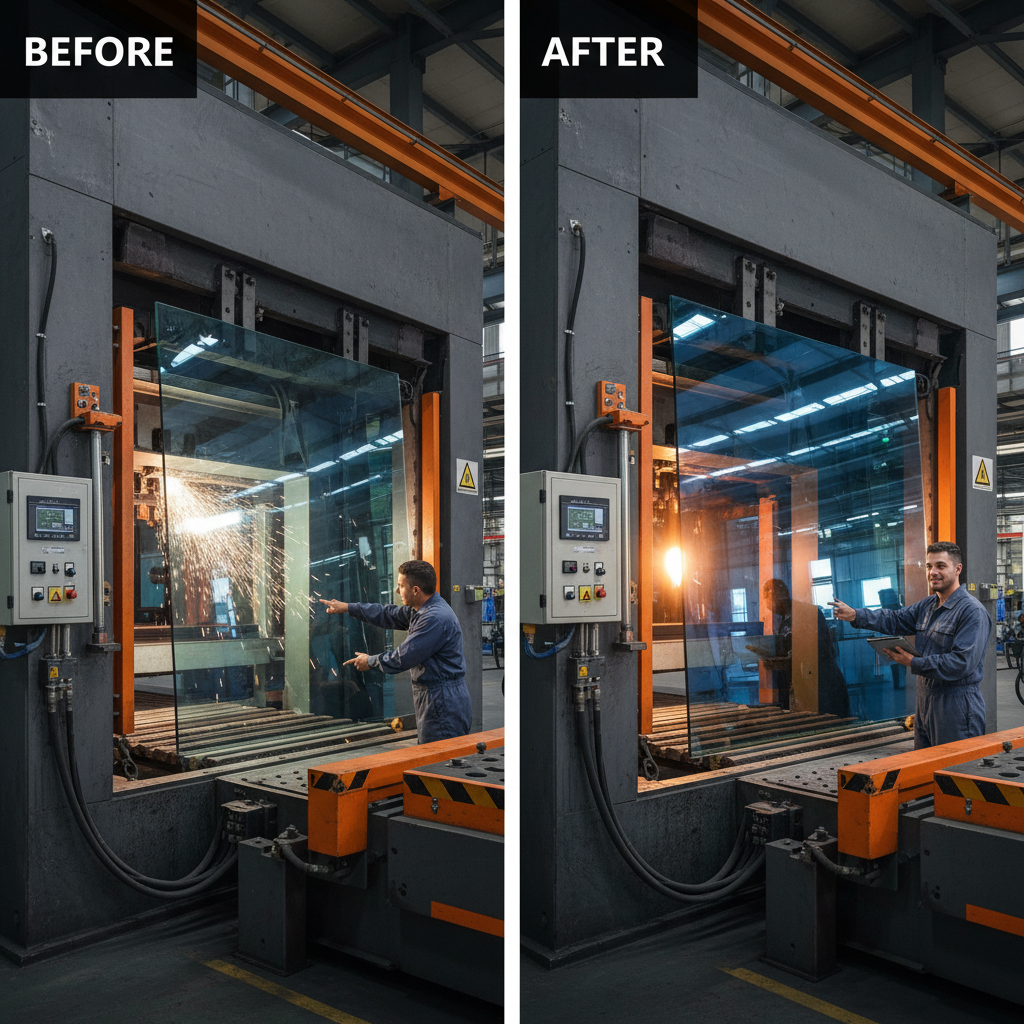
Float glass, the fundamental building block, is produced through a process where molten glass is floated on a bed of molten tin, creating a perfectly flat surface. Coated float glass takes this base material and applies one or more thin metallic or metallic oxide layers to its surface. These coatings are deposited using techniques like Magnetron Sputtering Vacuum Deposition (MSVD), which ensures even and durable application. The resulting product boasts enhanced properties tailored to specific needs.
Key Takeaway: Coating float glass isn't simply about adding color; it’s about fundamentally changing the glass’s interaction with light and heat.
The type of coating applied dramatically affects the glass’s characteristics. Here are some common types:
The versatility of coated float glass makes it suitable for a wide array of applications. Some prominent examples include:
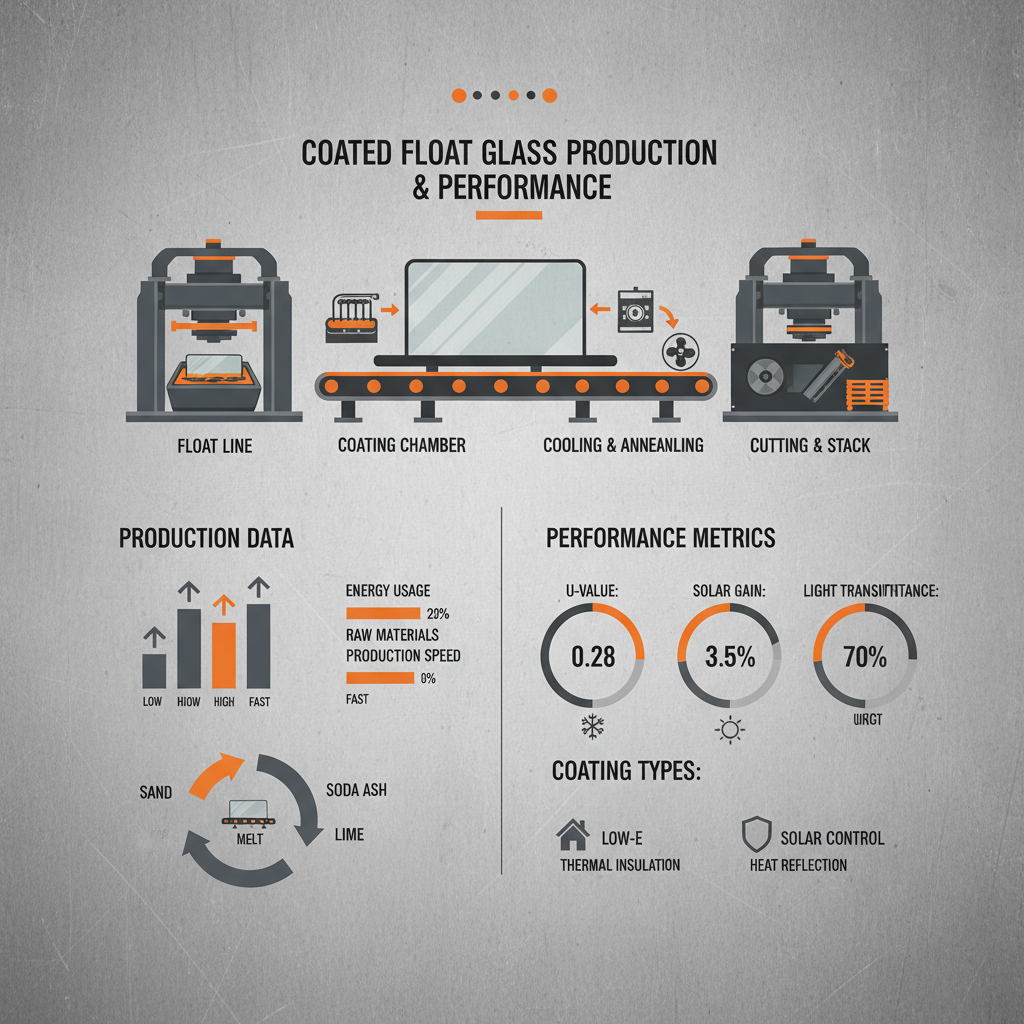
Understanding the differences between coated and uncoated float glass is crucial. The following table highlights key comparisons:
Tptopglass is a leading manufacturer of high-quality coated float glass, serving a global clientele. We utilize state-of-the-art technology, rigorous quality control procedures, and offer customized coating solutions to meet your exact specifications. Our commitment to innovation, competitive pricing, and reliable delivery makes us a trusted partner for businesses across diverse industries.
Coated float glass is an essential component in modern construction, automotive, and technology. Its ability to enhance energy efficiency, control light, and protect interiors makes it a valuable investment. Partnering with a reputable manufacturer like Tptopglass ensures you receive top-quality products tailored to your specific needs.
Coated float glass, particularly Low-E coatings, significantly reduces heat transfer, lowering the demand for heating and cooling systems. This translates to reduced energy consumption and lower carbon emissions, contributing to a more sustainable environment. By minimizing solar heat gain, it also reduces the reliance on air conditioning, further decreasing energy usage. Choosing coated glass is a proactive step towards building more energy-efficient and environmentally responsible structures.
The lifespan of a coated glass coating depends on the quality of the coating, the environment it's exposed to, and proper handling. High-quality coatings applied using advanced techniques like MSVD typically last for 20-30 years or even longer without significant degradation. However, scratching, abrasion, or harsh cleaning chemicals can shorten the lifespan. Regular maintenance and gentle cleaning practices are crucial for preserving the coating's integrity.
Yes, coated glass can be recycled, but it requires specialized processing. The coating needs to be separated from the glass substrate during the recycling process. While not all recycling facilities are equipped to handle coated glass, an increasing number are investing in the technology to do so. Proper sorting and handling of coated glass waste are essential for ensuring its successful recycling.
Tptopglass employs a rigorous quality control system throughout the entire manufacturing process. This includes careful selection of raw materials, precise coating application using advanced MSVD technology, and thorough inspection for defects. We adhere to international quality standards and conduct regular testing to ensure our coated glass meets the highest performance criteria. We are committed to delivering consistently high-quality products to our customers.

Shahe City economic Development Zone 32,hebei,P.R .China.

+8618686009698
+8613191439158

eoch@shtopglass.com
jason@shtopglass.com