



Black float glass, a sophisticated and versatile material, is increasingly sought after in architectural design and interior applications. Its distinctive aesthetic, coupled with its functional benefits, makes it a premium choice for various projects. This article delves into the characteristics of black float glass, its diverse uses, the manufacturing process, and where to source high-quality products like those offered by TP Top Glass. We'll explore its advantages and considerations for implementation, guiding you through the selection process for your next project.
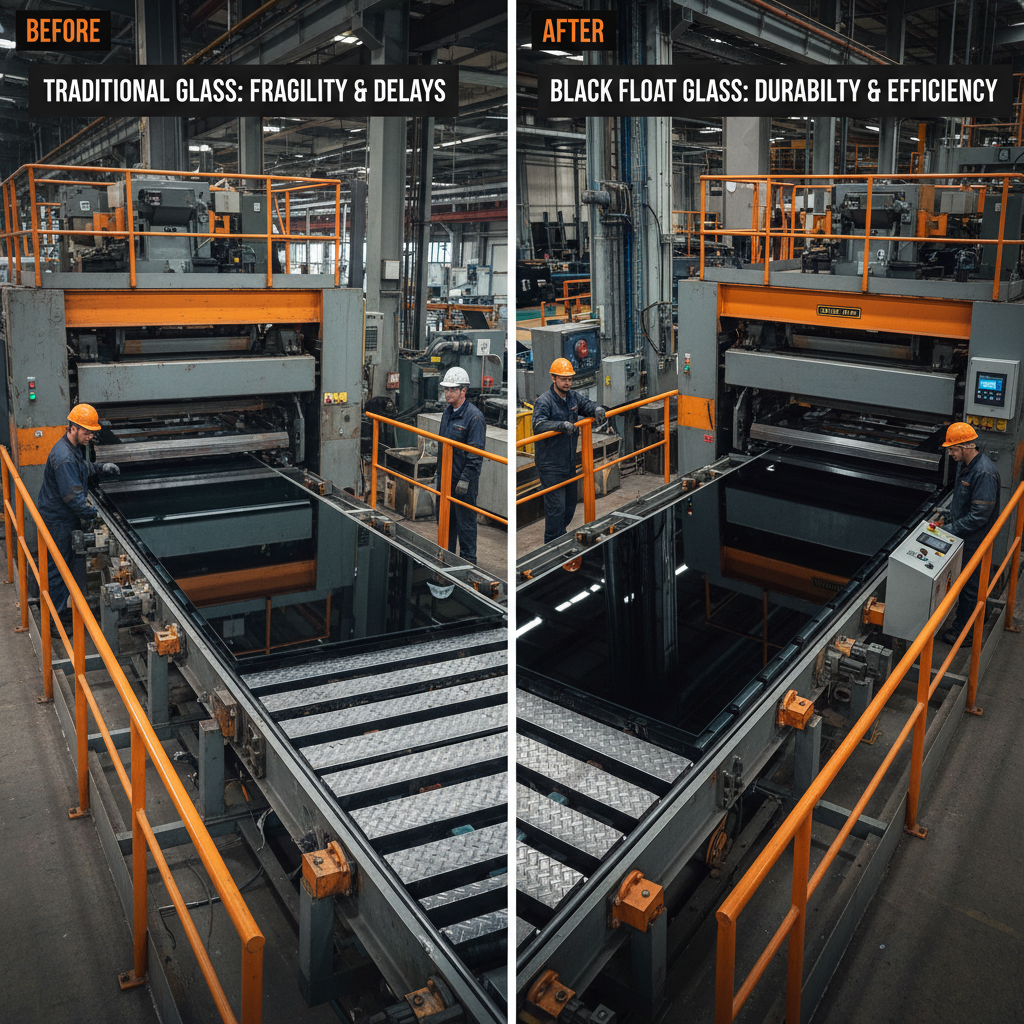
Black float glass is manufactured using the standard float glass process, but with the addition of metal oxides – typically iron oxide – during the melting stage. These oxides create the characteristic dark tint, offering a range of shades from light grey to deep black. The amount of oxide used determines the final color intensity. Unlike tinted glass achieved through coatings, the color of black float glass is inherent to the glass itself, making it durable and resistant to scratches. This inherent color also contributes to excellent light control and heat reduction properties.
Key Characteristics: Durable, scratch-resistant, inherent color, excellent light control, heat reduction properties.
The aesthetic and functional properties of black float glass lend themselves to a variety of applications. In architecture, it’s commonly used for exterior facades, spandrel panels, and curtain walls, creating a sleek and modern appearance. Interior designers utilize it for backsplashes, wall cladding, furniture accents, and shower enclosures. Its ability to reduce glare and heat gain makes it an excellent choice for commercial buildings and energy-efficient homes. Black float glass is also favored in the creation of privacy screens and decorative elements.
Common Applications:
• Exterior facades & Curtain Walls
• Interior backsplashes & Wall cladding
• Privacy Screens & Decorative Elements
• Furniture Accents
While tinted and coated glasses offer similar aesthetic effects, they differ significantly from black float glass in terms of durability and performance. Tinted glass relies on adding dyes to the glass mixture, which can fade over time. Coated glass involves applying a thin film to the surface, making it susceptible to scratches and damage. Black float glass, with its inherent color, provides lasting aesthetic appeal and superior resistance to wear and tear. Furthermore, it generally offers better solar control properties than standard tinted glass.
Choosing a reliable supplier is crucial to ensure you receive high-quality black float glass that meets your project requirements. TP Top Glass is a leading manufacturer and exporter specializing in float glass products, including a wide range of black float glass options. We offer custom sizes, thicknesses, and finishes to suit diverse applications. Our commitment to quality control and timely delivery makes us a trusted partner for architects, designers, and contractors worldwide.

We offer black float glass in a variety of thicknesses and sizes to accommodate a wide range of projects. Here's a breakdown of commonly available specifications:
Black float glass offers a unique combination of aesthetic appeal, durability, and functional benefits. Whether you're designing a modern architectural masterpiece or adding a touch of sophistication to an interior space, this versatile material can transform your vision into reality. Partner with a trusted supplier like TP Top Glass to ensure you receive the highest quality products and exceptional service.
The light transmission of black float glass varies depending on the shade of the glass. Darker shades transmit less light, providing greater privacy and reducing glare. Lighter shades allow more light to pass through while still offering some degree of shading. Typically, light transmission ranges from 5% to 30%, making it ideal for applications where light control is desired. It’s crucial to specify the desired light transmission level based on the project's needs. We at TP Top Glass can provide detailed specifications for each shade.
Yes, black float glass can be both tempered and laminated to enhance its strength, safety, and performance. Tempering increases the glass's resistance to impact and thermal stress, while lamination bonds layers of glass together with a interlayer, preventing shattering in case of breakage. These processes make it suitable for demanding applications such as railings, shower enclosures, and structural glazing. We offer both tempering and lamination services to customize the glass to your project’s requirements.
Absolutely. Black float glass can contribute to energy efficiency by reducing solar heat gain. Its dark tint helps block a significant portion of the sun's radiant heat, lowering cooling costs and improving indoor comfort. When combined with low-emissivity (Low-E) coatings, its energy-saving benefits are further enhanced. This makes it a valuable component in sustainable building designs aiming for improved thermal performance and reduced energy consumption.
Lead times for custom black float glass orders vary depending on the size, thickness, and complexity of the order. Typically, standard orders are processed and shipped within 2-3 weeks. More complex or large-volume orders may require longer processing times. We at TP Top Glass provide accurate lead time estimates upon receiving your order specifications.

Shahe City economic Development Zone 32,hebei,P.R .China.

+8618686009698
+8613191439158

eoch@shtopglass.com
jason@shtopglass.com