
Tinted glass has become a cornerstone in modern architecture, automotive design, and interior decor, offering a blend of functionality and style. This article delves into the features, benefits, applications, and technical specifications of tinted glass, while highlighting its role in sustainable design and energy management. Whether you're an architect, a vehicle manufacturer, or a homeowner, understanding the nuances of tinted glass can help you make informed decisions.
Tinted (or heat-absorbing) glass is produced using the float process, with the addition of metal oxides during the smelting stage to achieve coloration. This process does not compromise the fundamental properties of glass, such as strength and clarity, while introducing unique optical and thermal characteristics. The color density of tinted glass increases with thickness, and visible transmittance decreases as the glass becomes thicker. This makes it ideal for applications where solar control is critical.
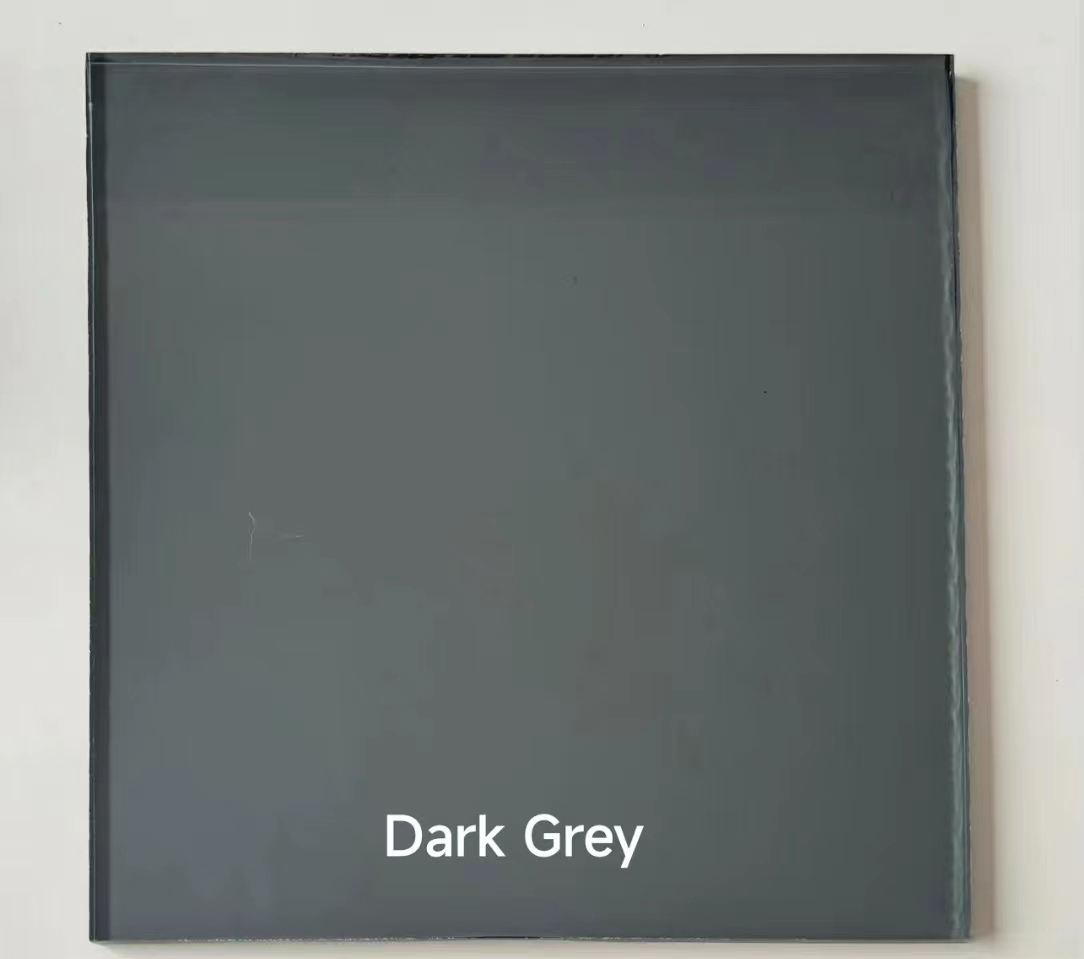
Figure 1: A selection of tinted glass samples showcasing diverse color options.
Modern tinted glass offers a range of advantages that cater to both practical and aesthetic needs:
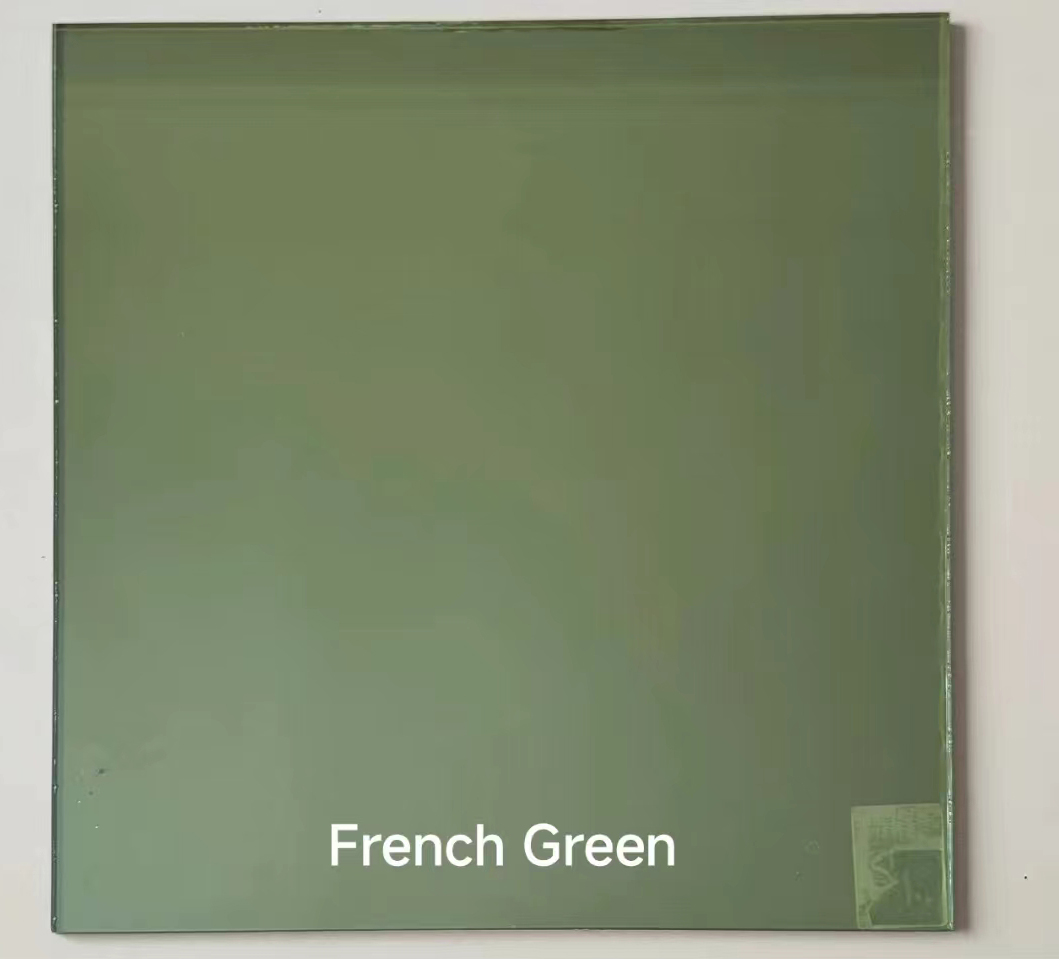
Figure 2: Tinted glass in automotive design for privacy and UV protection.
Tinted glass is versatile, with applications spanning multiple industries:
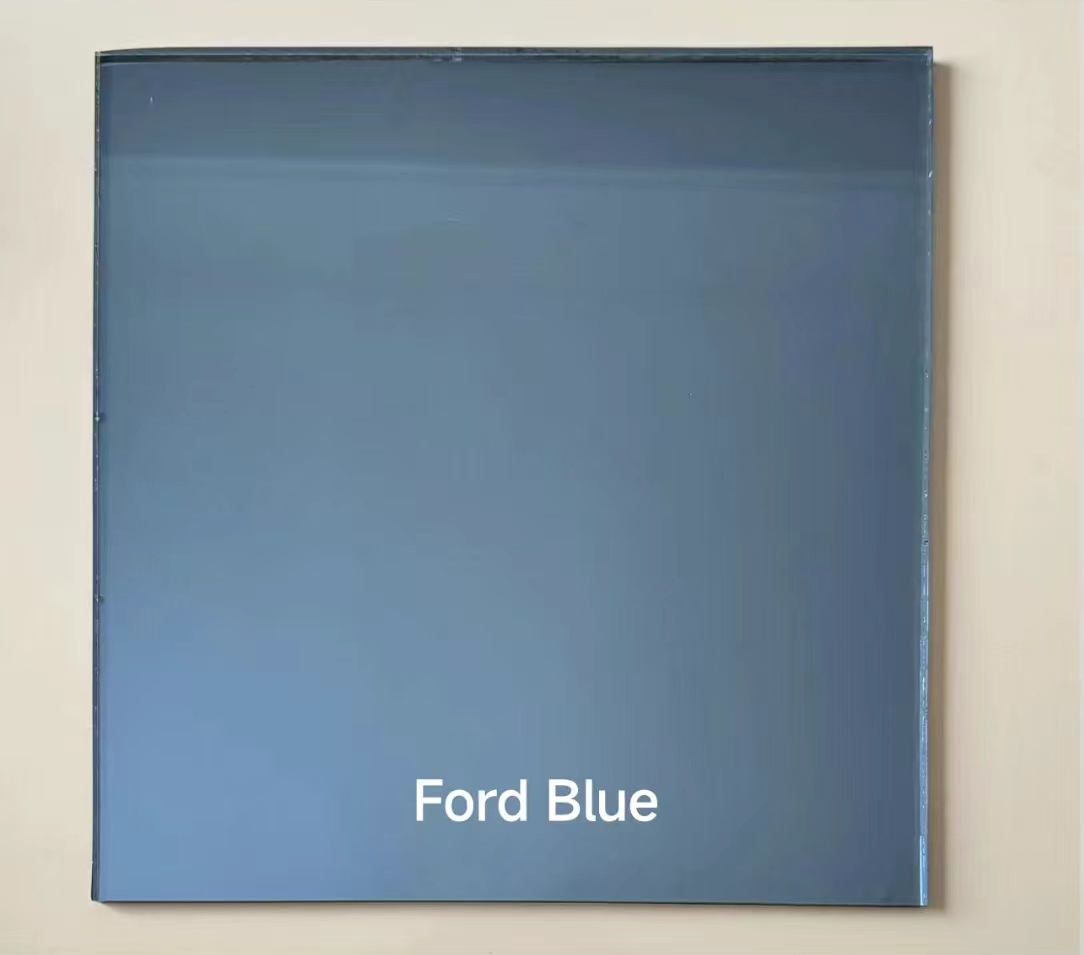
Figure 3: Tinted glass in commercial architecture for energy efficiency.
Tinted glass is available in various thicknesses and colors, catering to specific design and performance requirements. Below is a detailed specification table:
| Color Options | French Green, Dark Green, Mist Grey, Euro Grey, Dark Grey, Light Blue, Lake Blue, Dark Blue, Royal Blue, Ocean Blue, Euro Bronze, Golden Bronze, Pink |
|---|---|
| Thickness | 3mm, 4mm, 5mm, 5.5mm, 6mm, 8mm, 10mm, 12mm, etc. |
| Dimensions | 3300x2140mm, 3660x2140mm, 3300x2250mm, 3660x2250mm, 3300x2440mm, 3660x2440mm, 1650x2140mm, 1650x2250mm, 1650x2440mm, 1830x2140mm, 1830x2440mm, etc. |
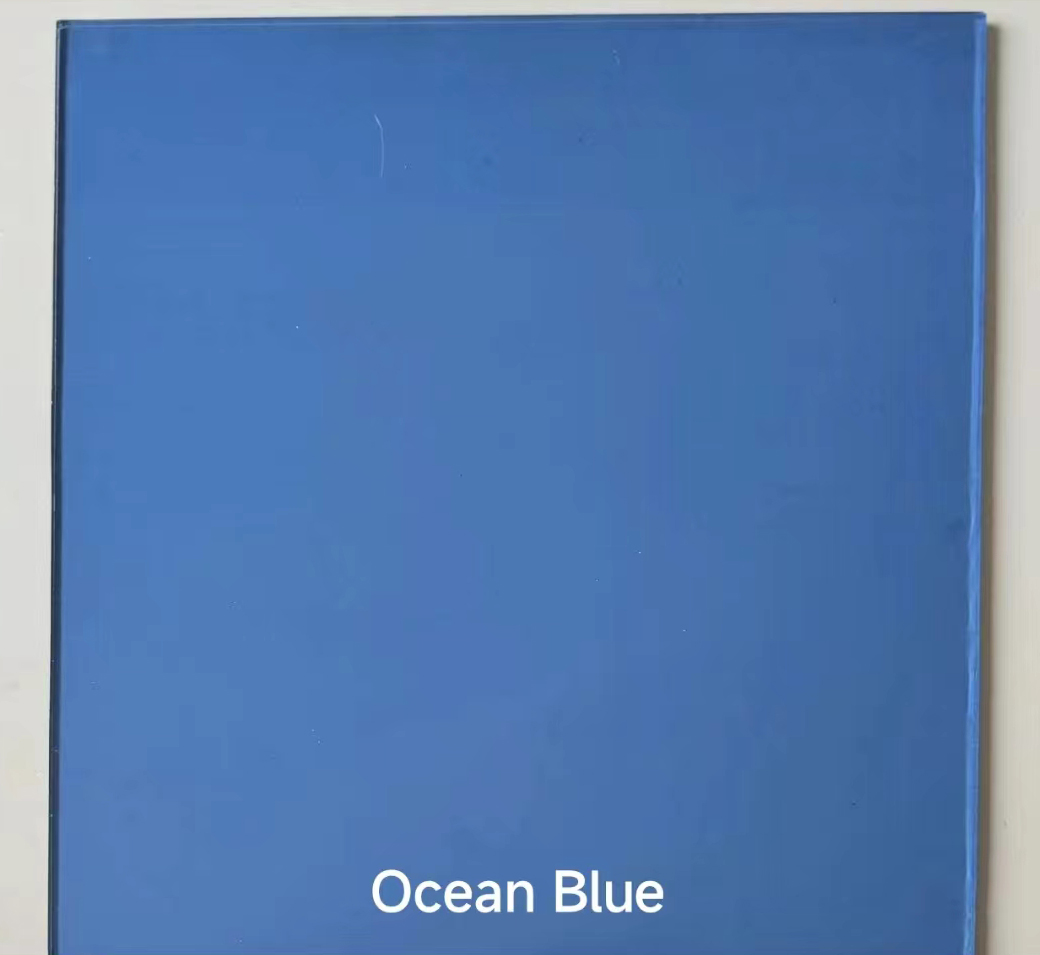
Figure 4: A wide array of tinted glass color options for customization.
Shahe Top Glass CO., LTD. is a leading manufacturer of high-quality glass products, including tinted glass. With a commitment to innovation and sustainability, the company provides solutions that meet global standards for performance and aesthetics. Their expertise in glass manufacturing ensures that their products are tailored to diverse applications, from architectural to automotive use (Visit Shahe Top Glass).
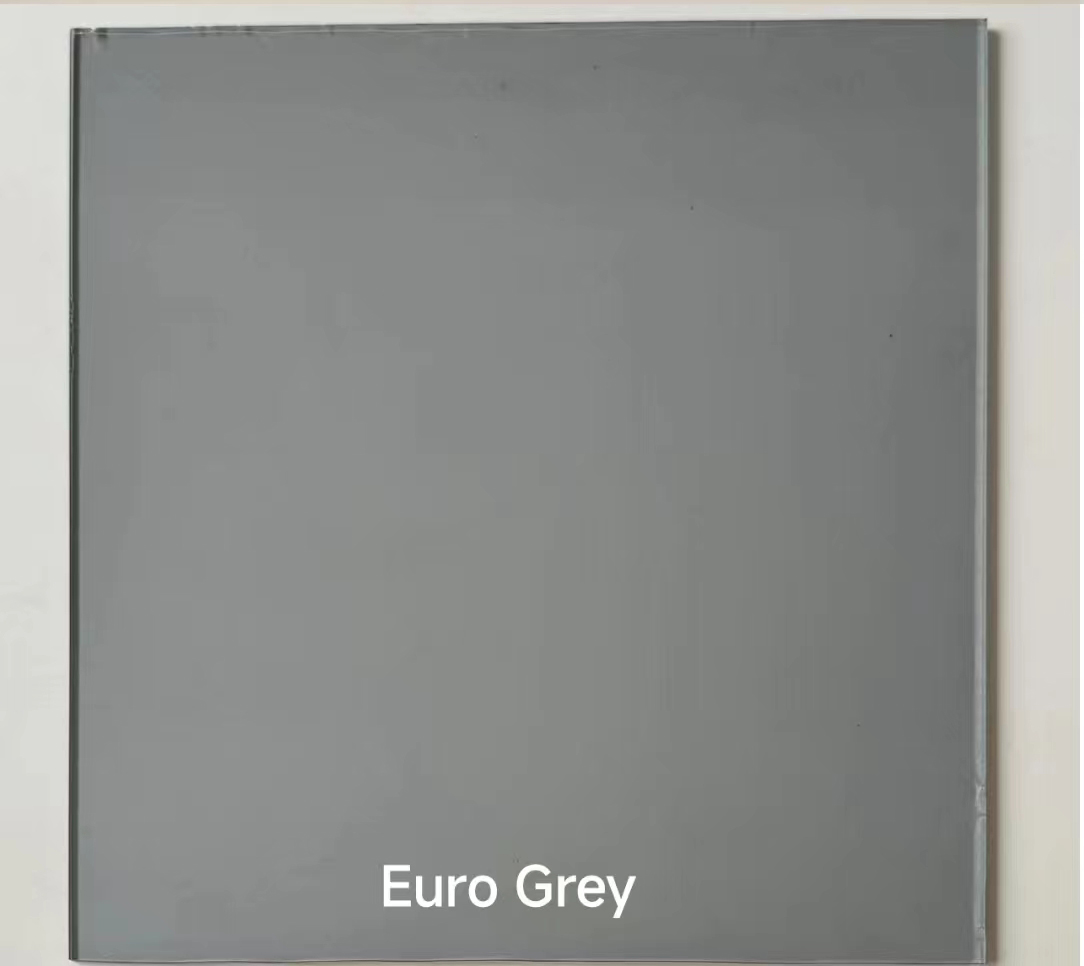
Figure 5: Shahe Top Glass's state-of-the-art manufacturing facilities.
Tinted glass is more than just a design element—it's a strategic choice for energy efficiency, comfort, and longevity. By integrating tinted glass into your projects, you can achieve the following:
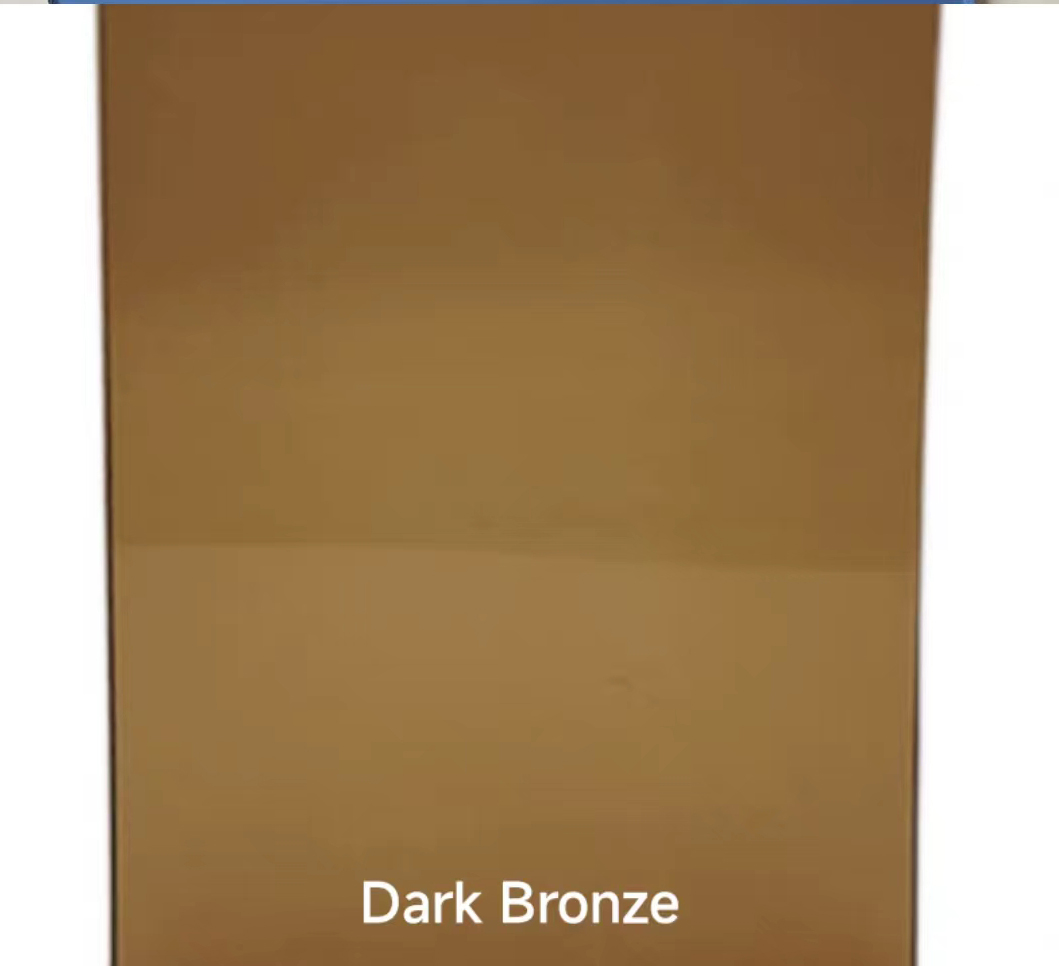
Figure 6: Tinted glass in residential settings for privacy and style.
Tinted glass represents a fusion of technology and design, offering practical solutions for modern living and working environments. Its ability to manage solar energy, enhance aesthetics, and provide privacy makes it an indispensable material in today's construction and manufacturing sectors. As the demand for sustainable and energy-efficient materials grows, tinted glass continues to set benchmarks for innovation and performance.
The principles of solar control and material science underpinning tinted glass align with the research and standards developed by the National Institute of Standards and Technology (NIST). NIST's work in metrology and material testing ensures that products like tinted glass meet rigorous performance criteria. For further insights into material standards, visit NIST's official website.
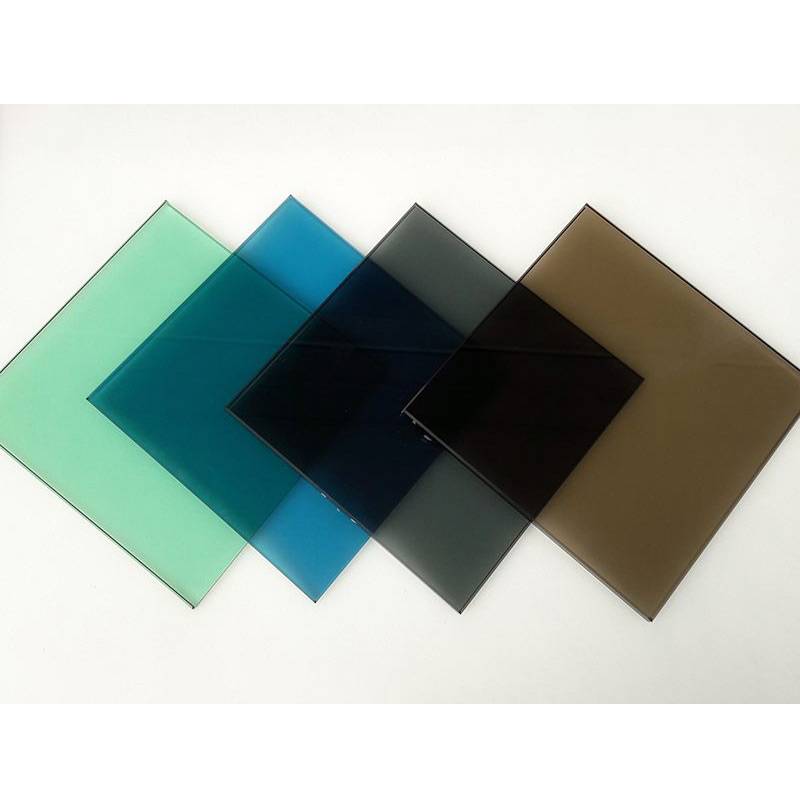
Figure 7: Tinted glass in commercial spaces for energy efficiency and design.
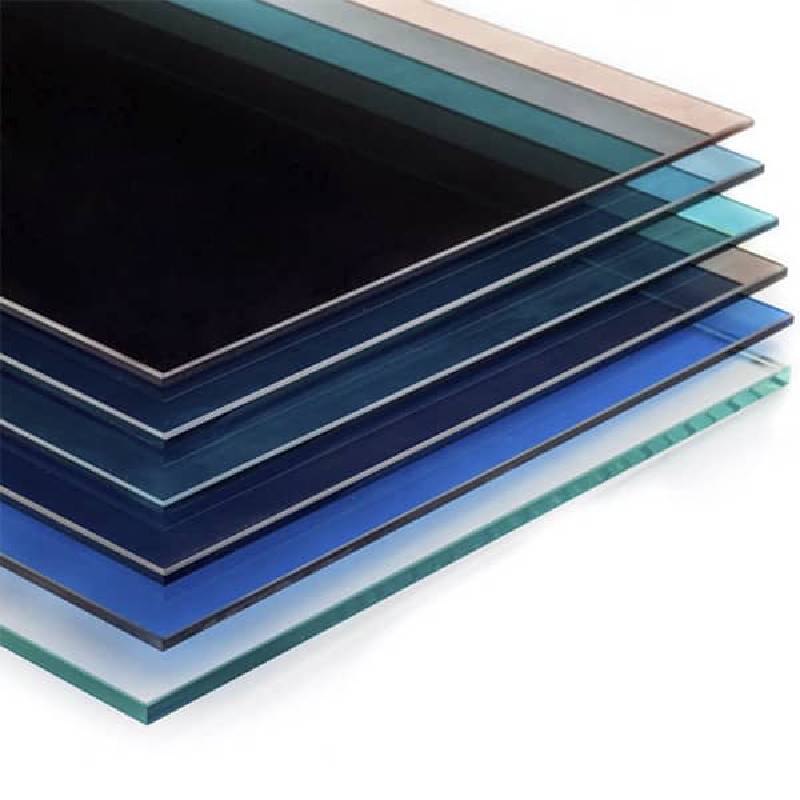
Figure 8: Tinted glass in automotive applications for driver comfort.
NIST (National Institute of Standards and Technology). (n.d.). https://www.nist.gov/. Retrieved from the World Wide Web on [Date].

शाहे सिटी आर्थिक विकास क्षेत्र 32, हेबै, पीआर .चीन।

+8618686009698
+8613191439158

eoch@shtopglass.com
jason@shtopglass.com