



Glass fusing is a captivating process where different pieces of glass are melted together in a kiln to create a single, cohesive piece of art or functional ware. To achieve professional results without bubbles or cracking, the choice of material is critical. Using specialized float glass for fusing ensures that the glass has the correct coefficient of expansion (COE), which prevents stress fractures during the cooling process. Whether you are a seasoned artisan or a commercial manufacturer, understanding the nuances of float glass can elevate the quality and durability of your creations. In this guide, we will explore everything you need to know about selecting and using the best glass for your fusing projects.
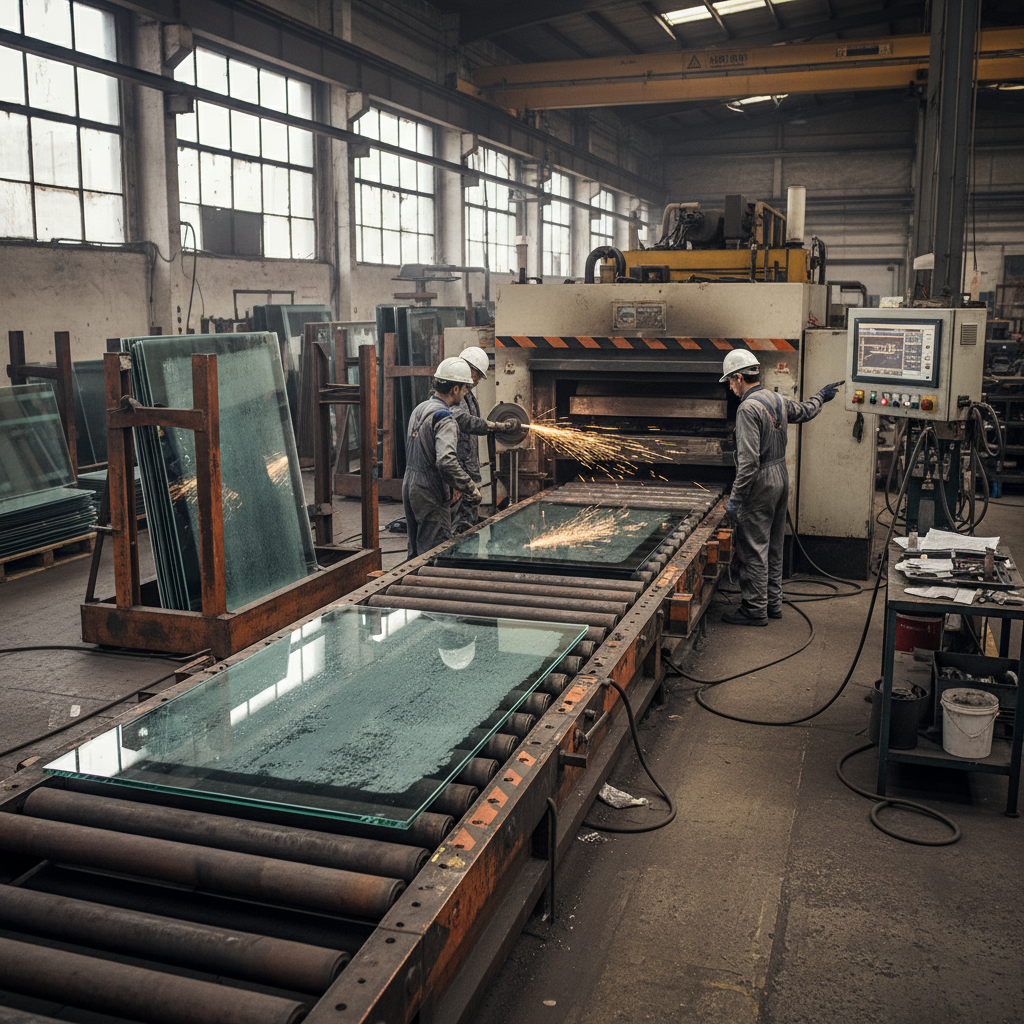
Float glass is produced by floating molten glass on a bed of molten tin, resulting in a perfectly flat, smooth surface. When optimized as float glass for fusing, it becomes a versatile medium for artists. Unlike standard window glass, which may not be designed for the extreme temperature swings of a kiln, fusing-grade float glass is formulated to withstand thermal shock and melt predictably. This predictability allows creators to layer colors and shapes with confidence, knowing the glass will bond securely without compromising the structural integrity of the final piece.
Pro Tip: Always verify the COE (Coefficient of Expansion) of your glass. Mixing glasses with different COEs is the most common cause of failure in fusing, as the pieces will pull against each other during cooling and crack.
Using premium-grade float glass for fusing offers several distinct advantages over lower-quality alternatives. First, the optical clarity is unmatched, allowing light to pass through the fused layers with brilliance. Second, the uniform thickness ensures that the heat penetrates the glass evenly, reducing the risk of "warping" or uneven melting. Finally, high-quality float glass is more compatible with various glass powders and frits, enabling a wider array of artistic effects, from soft gradients to sharp, defined borders.
Why Choose Professional Float Glass?
• Superior Clarity: Crystal clear finish for professional aesthetics.
• Thermal Stability: Reduced risk of cracking during the annealing process.
• Surface Consistency: Perfectly flat sheets for precise layering.
• Versatility: Ideal for both full-fuse and tack-fuse techniques.
While many artists use a variety of glass types, the distinction between standard art glass and specialized float glass for fusing is significant. Standard art glass is often pre-colored or textured, which is great for accents, but float glass provides the essential "base" or "canvas" for the work. Float glass is typically more cost-effective for large-scale projects while maintaining the rigorous technical standards required for kiln work.
The adaptability of float glass for fusing makes it a staple in various creative and industrial fields. In the realm of home décor, it is used to create stunning fused glass bowls, plates, and wall art. Architects often incorporate fused float glass panels into luxury interiors to create translucent partitions that play with light and color. Even in industrial design, fusing float glass allows for the creation of heat-resistant laboratory components or specialized optical lenses. The ability to maintain a flat profile while bonding multiple layers makes it the gold standard for high-end glasswork.
When sourcing float glass for fusing, it is important to look at the technical data to ensure it matches your kiln's capabilities and your project's requirements. The most critical specification is the COE, followed by the thickness and purity of the glass. Pure float glass prevents unwanted discoloration (such as a green tint) when layered thickly. Below are the typical specifications found in professional-grade fusing glass.
To get the most out of your float glass for fusing, the heating and cooling cycle must be meticulously managed. Start with a slow ramp-up to avoid thermal shock. When performing a "full fuse," the glass should flow together to create a smooth, rounded edge. However, if you prefer a "tack fuse," lower the temperature so the pieces adhere but maintain their individual shapes. The most critical phase is annealing—the process of slowly cooling the glass to relieve internal stresses. Without proper annealing, even the highest quality float glass can shatter hours or days after leaving the kiln.
Choosing the right float glass for fusing is the foundation of any successful glass project. By prioritizing COE compatibility, surface flatness, and thermal stability, you can minimize waste and maximize your creative potential. Whether you are producing commercial architectural pieces or unique hand-crafted art, investing in professional-grade materials ensures a durable, brilliant, and stress-free result. Explore the possibilities of glass fusing today and bring your vision to life with precision and clarity.
It is strongly discouraged. Regular window glass is not designed for the extreme temperature cycles of a kiln. The main issue is the COE (Coefficient of Expansion). If the window glass does not match the other glasses you are fusing, the piece will almost certainly crack during the cooling process. Professional float glass for fusing is specifically formulated to be compatible with other art glasses and to withstand thermal stress, ensuring your hard work doesn't end in a pile of shards.
COE stands for Coefficient of Expansion. It measures how much a piece of glass expands when heated and contracts when cooled. For a successful fuse, all pieces of glass must have the same or very similar COE. If you mix a COE 90 glass with a COE 96 glass, they will contract at different rates during cooling, creating massive internal tension that leads to spontaneous cracking. This is why selecting the correct float glass for fusing is the most important technical step in the process.
Bubbles usually occur when air is trapped between layers or when impurities are present. To minimize this, ensure your float glass for fusing is perfectly clean and free of dust or oils before layering. Additionally, using a "slow soak" period at a lower temperature before the final melt allows air to escape more easily. If you are using thick layers of glass, a longer annealing cycle is also essential to ensure that any remaining internal bubbles don't become points of structural failure.
A tack fuse is a low-temperature melt where the pieces of glass stick together but retain their original shape and edges, creating a 3D, textured effect. A full fuse is a higher-temperature melt where the glass flows together completely, resulting in a smooth, flat, and unified surface. Both techniques utilize float glass for fusing, but they require different kiln schedules. The choice depends on whether you want a modern, sleek look or a more organic, layered appearance.

Shahe City economic Development Zone 32,hebei,P.R .China.

+8618686009698
+8613191439158

eoch@shtopglass.com
jason@shtopglass.com