



If you’re speccing façades, solar covers, retail showcases—or you just love the look of pristine edges—start with Ultra Clear Glass. In industry terms it’s low‑iron float glass, a cleaner chemistry that dials down the green tint and pushes visible light transmission up. I’ve walked more than a few hot ends and, to be honest, what separates good from great is consistency: iron content, annealing discipline, and how the plant handles jumbo sizes at cut.
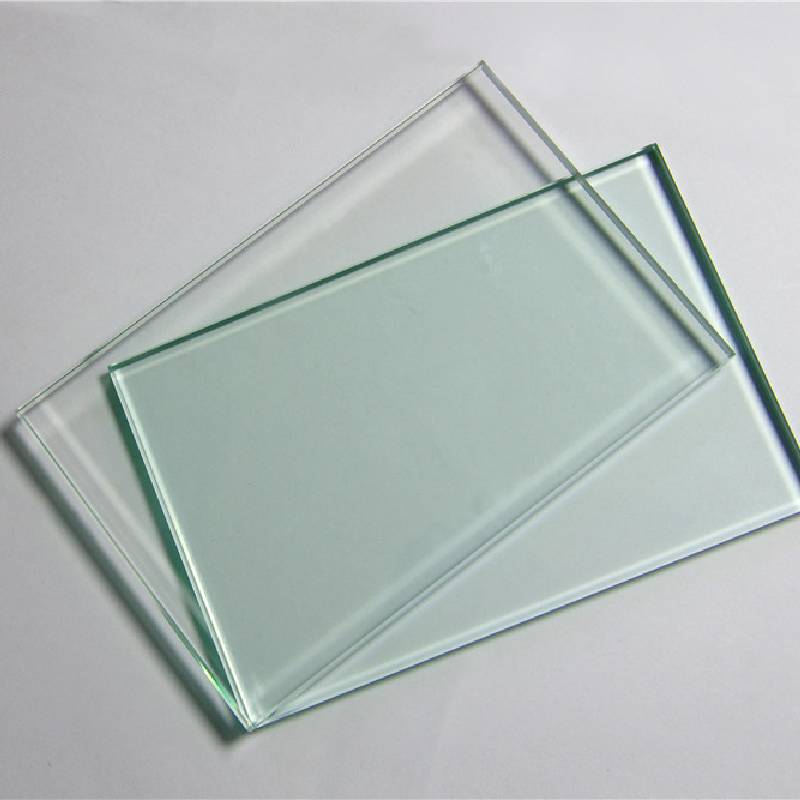
The market is moving toward higher VLT for museum-grade clarity, bigger formats (3.3×6.0 m is becoming ordinary), and lower embodied carbon reporting (EPDs are practically a checkbox request). Surprisingly, even mid-market projects are asking for heat-soak testing on tempered pieces to de-risk NiS breakage. And yes, anti-reflective coatings are creeping into premium retail and solar cover glass—where budget allows.
| Parameter | Spec (≈ real-world) |
|---|---|
| Thickness range | 2, 2.5, 2.7, 3, 4, 5, 5.5, 6, 8, 10, 12, 15, 19 mm |
| Standard sizes | 1650×2140/2250/2440; 1830×2140/2440; 3300×2140/2250/2440; 3660×2140/2250/2440 mm |
| Visible Light Transmittance | ≈ 90–92% @ 6 mm for Ultra Clear Glass (EN 410/ISO 9050) |
| Total iron (Fe2O3) | ≈ 0.01–0.02% (100–200 ppm), batch-dependent |
| Flatness/bow | Meets ASTM C1036/EN 572-2; bow typically ≤ 0.3 mm/m |
| Edge options | Seamed (arrissed), flat-polished, mitered; CNC shapes |
| Thermal expansion | ≈ 9×10⁻⁶ /K (20–300°C) |
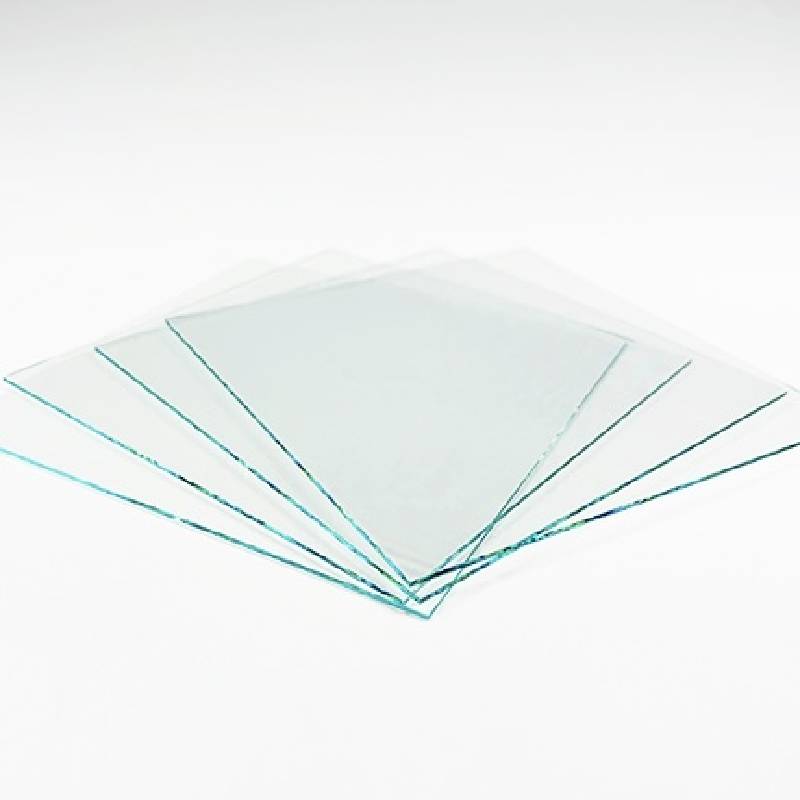
Materials: low-iron silica sand, soda ash, limestone/dolomite, clarifiers. Methods: batch blending → furnace melting (~1550–1600°C) → tin bath float → lehr annealing → inline optical inspection → jumbo cutting → secondary processing (tempering to ASTM C1048/EN 12150, HST per EN 14179, lamination per EN 14449/ASTM). Testing: thickness/flatness (ASTM C1036/EN 572-2), optical VLT/solar (EN 410/ISO 9050), fragmentation for tempered, pummel for laminated. Service life: 25–50 years in typical façades; edges and sealant compatibility matter more than people think.
| Vendor | Notable specs | Certs | Lead time |
|---|---|---|---|
| TPTop Glass (Shahe, Hebei) | 2–19 mm, jumbos 3660×2440, VLT ≈ 90–92% @ 6 mm; custom cutting/tempering | EN 572-2, ASTM C1036; HST/SGP options | Around 10–25 days ex-works |
| Guardian UltraClear | Strong coating ecosystem; global stock | CE, IGCC/IGMA (where applicable) | Typically 2–4 weeks |
| Saint‑Gobain Diamant | Consistent low iron; large European footprint | CE, RoHS; EPDs available | 2–5 weeks region‑dependent |
Data reflects common catalog values; real-world use may vary by thickness, coating, and region.
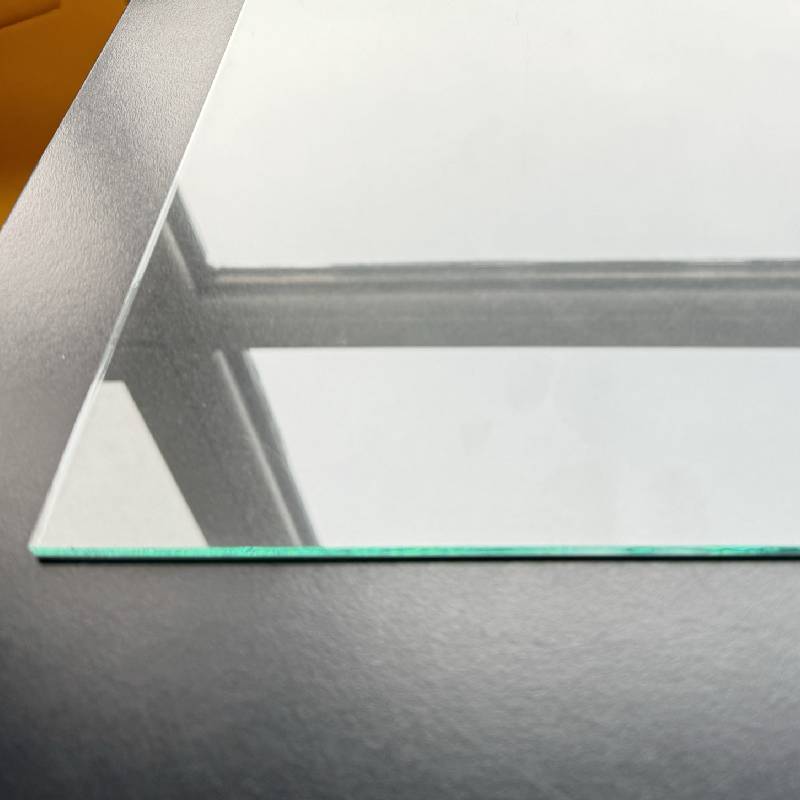
From Shahe City Economic Development Zone (Hebei, China), TPTop’s Clear Float line ships cut-to-size with edgework, drilling, and optional temper/laminate. Many customers say packing is robust—always ask for corner protection and desiccant. I guess the best feedback I’ve heard: a coastal museum façade where Ultra Clear Glass reduced green edge lines so the white cladding stayed “white” in photos. Another case: a small agrivoltaic pilot; swapping standard clear for Ultra Clear Glass lifted meter readings by a hair (≈ 1–2% VLT delta at 6 mm), not dramatic, but it helped.
Practical tip: confirm standards on the PO (ASTM/EN callouts), heat-soak tempered panels over public zones, and if you’re doing IGUs, specify low‑fog spacers and edge sealants proven with Ultra Clear Glass.
Shahe City Economic Development Zone 32, Hebei, P.R. China.

Shahe City economic Development Zone 32,hebei,P.R .China.

+8618686009698
+8613191439158

eoch@shtopglass.com
jason@shtopglass.com