



If you care about color fidelity, museum‑grade clarity, or just hate the green cast in standard float, you’ve probably looked at ultra clear glass. To be honest, it’s one of those products that sounds like marketing fluff until you see white marble behind it or try to photograph a display case. Then you can’t unsee the difference.
Industry trend? Up and to the right. Architects are pushing larger lites and higher visible transmittance (VLT), retailers want true‑to‑brand color, and solar engineers chase every fraction of a percent in optical gain. In real projects, specifiers tell me they’re moving to ultra clear glass not only for façades and balustrades, but also for PV cover glass, aquariums, museums, and luxury interiors.
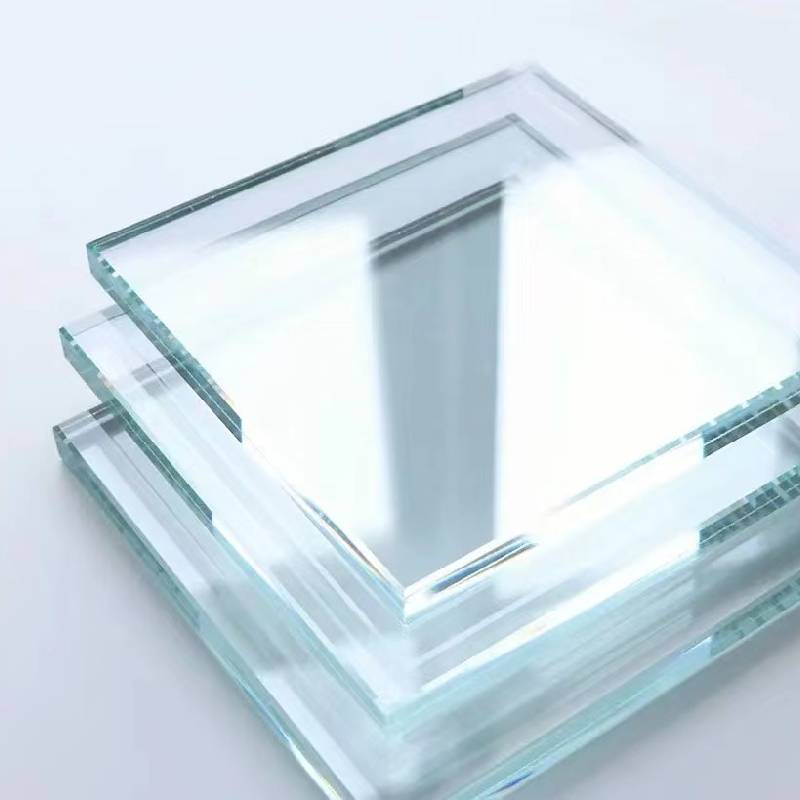
Low iron content (Fe2O3 ≈ 100–200 ppm) cuts the typical green tint and lifts VLT. In lab reports I’ve seen, 4 mm ultra clear glass lands around 91–92% VLT versus ~89% for standard float of the same thickness. Haze is generally ≤0.5% when processed correctly. Real‑world use may vary, but the optical advantage is consistent.
| Thickness options | 3, 3.2, 4, 5, 6, 8, 10, 12, 15, 19 mm (others on request) |
| Standard sizes | 300×2140; 3660×2140; 3300×2250; 3660×2250; 3300×2440; 3660×2440; 1650×2140/2250/2440; 1830×2140/2440 (mm) |
| Visible light transmittance (4 mm) | ≈91–92% per EN 410 / ISO 9050 |
| Iron content | ≈100–200 ppm Fe2O3 |
| Density / Expansion | ≈2.5 g/cm³; 9×10⁻⁶/K (20–300°C) |
| Service life | 25–30+ years in façade use with proper edge protection |
| Certs & tests | ASTM C1036; ASTM C1048 (tempered/HT); EN 12150; EN 14179 (HST); ANSI Z97.1; ISO 9050 |
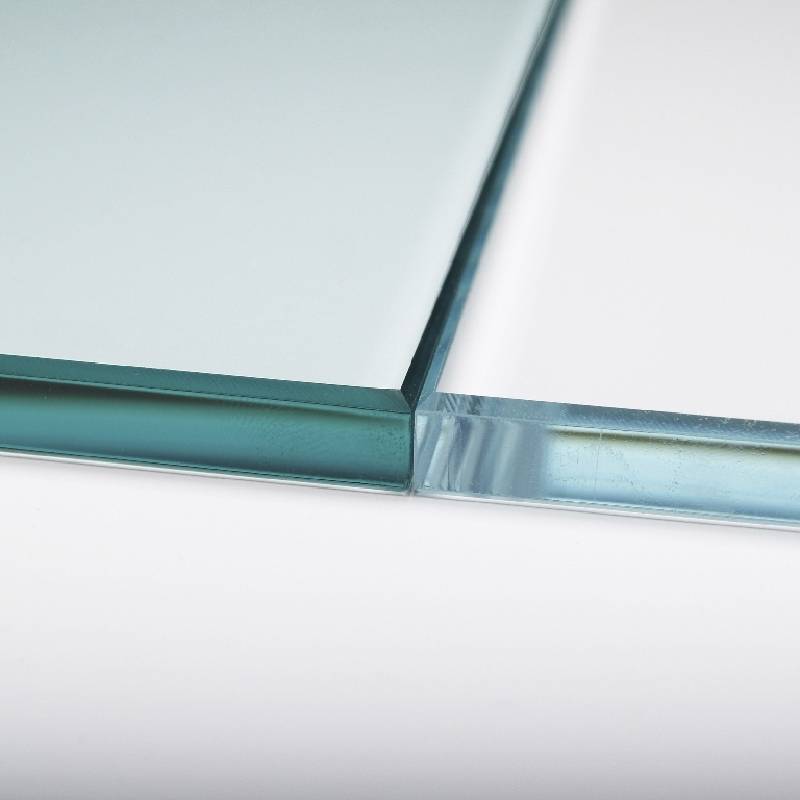
Applications include shopfronts, high‑end interiors, museum cases, terrariums/aquariums, solar modules, canopies, and balustrades. Many customers say color accuracy and edge aesthetics are the surprise wins—especially on thick lites where the green cast would otherwise shout.
| Vendor | Iron (ppm) | VLT @4 mm | Max stock size | Certs | Lead time |
|---|---|---|---|---|---|
| TPTOP (Hebei) | ≈120–180 | ≈91–92% | 3660×2440 mm | ASTM/EN/ANSI | 10–25 days |
| Vendor A (global) | ≈100–150 | ≈91.5–92.5% | Up to 6000 mm | ASTM/EN/CE | 4–8 weeks |
| Vendor B (regional) | ≈150–220 | ≈90.5–91.5% | 3660×2250 mm | EN/ANSI | 2–5 weeks |
Options: tempering, lamination (PVB/SGP), heat‑soak, AR/AF coatings, CNC cutouts, polished edges, silk‑screen. Typical QA includes optical scan, bow/warp check, and safety glazing tests (ANSI Z97.1 / EN 12600). Origin matters, too: Shahe City Economic Development Zone 32, Hebei, P.R. China—close to the float ecosystem, which frankly helps on both cost and lead time.
Quick note on installation: protect edges, specify proper setting blocks, and match glazing gaskets to coating type. Sounds basic, but it’s where performance is won or lost.
Specifiers say the biggest “aha” is how white materials stay white behind ultra clear glass. Retailers notice fewer returns on color‑critical displays. And facility teams like the stable look over time; salt‑spray areas still need care, but the glass itself holds color exceptionally well.

Shahe City economic Development Zone 32,hebei,P.R .China.

+8618686009698
+8613191439158

eoch@shtopglass.com
jason@shtopglass.com