



Horticultural float glass is a specialized type of glass engineered to optimize light transmission and thermal performance for greenhouses, conservatories, and other horticultural structures. Unlike standard glass, it's designed to create the ideal growing environment for plants, promoting healthy growth and maximizing yields. This article will explore the key features, advantages, applications, and considerations when choosing horticultural float glass for your project. It's a crucial investment for any serious grower looking to elevate their operation.
The core benefit of horticultural float glass lies in its high light transmittance. Specifically formulated to allow a greater percentage of the sun's beneficial rays to reach plants, it promotes photosynthesis and robust growth. Furthermore, it's often treated with anti-reflective coatings to minimize glare and maximize light diffusion, ensuring even illumination across the growing area. Different types also offer varying degrees of thermal insulation, helping to retain heat during colder months and reduce energy costs. It also offers superior clarity and durability compared to other glazing options, resulting in a long-lasting and reliable solution. Choosing the right type of glass is therefore vital.
Key Highlights: High light transmittance, anti-reflective coatings, varying thermal insulation, superior clarity and durability.
The differences between horticultural float glass and standard glass are significant. Standard glass blocks a substantial amount of the light spectrum crucial for plant growth, primarily in the UV and far-red wavelengths. It also lacks the thermal properties optimized for greenhouse environments. Horticultural glass, in contrast, is specifically designed to address these shortcomings. The optimized light transmission translates directly into increased plant growth rates and higher yields. Moreover, its better insulation reduces heating and cooling costs, making it a cost-effective solution in the long run.
Comparative Benefits:
• Increased light transmission for enhanced photosynthesis
• Optimized light spectrum for plant growth
• Superior thermal insulation to reduce energy costs
• Enhanced durability and clarity
Several types of horticultural float glass cater to different needs. Diffuse glass scatters light, reducing shadows and providing more even illumination, ideal for plants sensitive to direct sunlight. Low-iron glass maximizes light transmission across the entire spectrum, particularly beneficial for high-value crops. Thermally insulated glass incorporates coatings or gas fills to minimize heat loss, crucial for colder climates. Choosing the correct glass depends on the specific plants grown, the local climate, and the desired level of energy efficiency. TPTopGlass offers a wide selection of these options to meet diverse horticultural requirements.
Beyond the glass type, several other factors influence the optimal choice. The size and orientation of the greenhouse, the specific plants being grown, the local climate, and the budget all play a role. It's also important to consider the glass thickness for structural integrity and wind resistance. Consulting with a glass specialist can provide valuable insights and ensure you select the best solution for your particular needs.
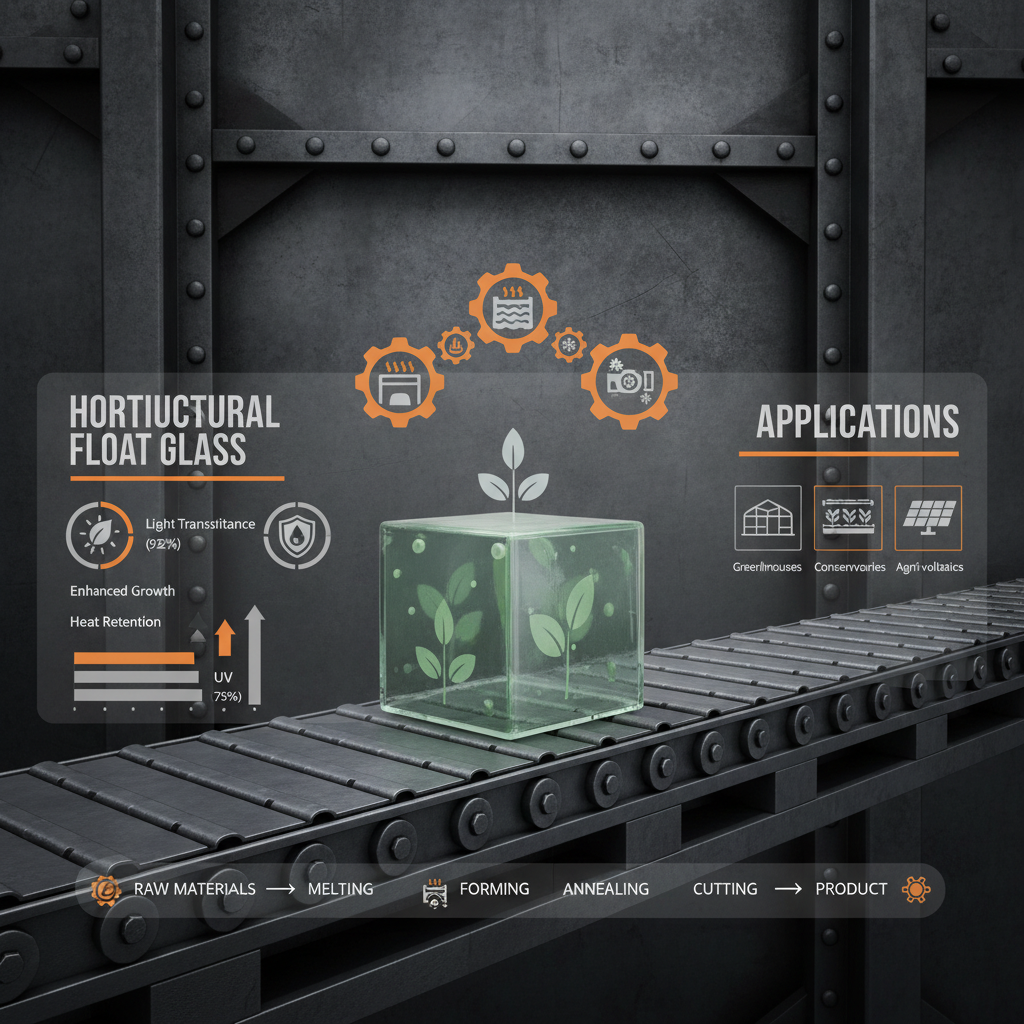
Investing in high-quality horticultural float glass is a crucial step toward maximizing plant growth, improving yields, and reducing energy costs. By carefully considering the factors outlined in this article and selecting the appropriate glass type, you can create an optimal growing environment for your specific needs. Don’t compromise on quality when it comes to your plants – choose the best glass for a thriving future.
Horticultural float glass, when properly installed and maintained, typically has a lifespan of 20-30 years. However, this can vary depending on factors such as environmental conditions, exposure to extreme weather, and the quality of the glass itself. Regular inspections are recommended to identify any signs of damage, such as cracks or scratches. Maintaining a clean surface and avoiding harsh cleaning chemicals will also contribute to longevity. Choosing a reputable supplier like TPTopGlass guarantees a high-quality product designed for durability.
Horticultural float glass generally has a higher initial cost than standard glass due to its specialized manufacturing process and enhanced properties. However, the long-term benefits, such as increased plant growth, reduced energy consumption, and extended lifespan, often outweigh the higher upfront investment. Consider the cost savings in terms of heating, cooling, and increased crop yields when evaluating the overall value.
While horticultural float glass is an excellent choice for most greenhouses, the specific type required will depend on the greenhouse’s structure and the plants grown. For instance, larger greenhouses may require thicker glass for greater structural stability. The climate also plays a role; colder regions will benefit from thermally insulated glass. Consulting with an expert at TPTopGlass can help determine the best option for your unique circumstances.
Horticultural float glass, like any glass, can be fragile and poses a risk of breakage. Always handle it with care, wear appropriate safety gear (such as gloves and eye protection), and follow proper installation procedures. If breakage occurs, dispose of the glass safely to avoid injuries. Using tempered or laminated glass options can further enhance safety by reducing the risk of shattering.

Shahe City economic Development Zone 32,hebei,P.R .China.

+8618686009698
+8613191439158

eoch@shtopglass.com
jason@shtopglass.com