Introduction to Advanced Architectural Glass Solutions
In contemporary architecture and interior design, the demand for materials that merge aesthetic sophistication with functional performance is paramount. Among these, acid etched glass stands out as a versatile and high-performance solution. This specialized glass product undergoes a meticulous chemical process to achieve a frosted, satin-smooth finish that diffuses light, offers privacy, and minimizes glare without compromising on luminosity.
Its unique surface characteristic makes it ideal for a wide array of applications, from elegant partitions and doors to sophisticated facades and decorative elements. Unlike film or sandblasting, the acid etching process permanently alters the glass surface, ensuring durability, consistency, and ease of maintenance. This article delves into the technical aspects, applications, and advantages of this indispensable material for B2B decision-makers and engineering professionals.
The Precision of Acid Etching: Manufacturing Process Flow
The manufacturing of acid etched glass is a precisely controlled chemical process that ensures uniform surface quality and lasting aesthetic appeal. This multi-stage process begins with the selection of high-quality float glass and culminates in a finished product ready for diverse architectural and design applications. Below is a detailed breakdown of the typical process flow:
-
Material Selection and Preparation: The foundation is typically clear float glass, selected for its optical clarity and minimal imperfections. This glass undergoes rigorous cleaning to remove any dust, oils, or contaminants that could interfere with the etching process. Strict adherence to standards such as ASTM C1036 for float glass is critical at this stage.
-
Application of Etching Medium: The clean glass is then moved into an etching chamber where it is exposed to an aqueous solution containing hydrofluoric acid and other proprietary chemical compounds. The concentration of the acid, the temperature of the solution, and the duration of exposure are meticulously controlled to achieve the desired level of frosting and surface texture. This chemical reaction selectively dissolves silica from the glass surface, creating microscopic pits that scatter light, resulting in the characteristic matte finish. For specific designs, areas of the glass can be masked off using photolithography techniques or specialized resists to create patterned acid etched glass panels.
-
Washing and Neutralization: After the etching process, the glass is thoroughly rinsed with deionized water to remove all traces of the acid solution and byproducts. This is followed by a neutralization step using alkaline solutions to ensure complete cessation of the chemical reaction and to stabilize the glass surface. This crucial stage prevents further chemical degradation and ensures the safety of the product.
-
Drying: The neutralized glass is then passed through drying chambers to remove all moisture, preparing it for subsequent processing or packaging.
-
Quality Control and Inspection: Each panel undergoes stringent quality control checks. This includes visual inspection for uniformity of etch, absence of streaks or defects, and measurement of light transmittance and haze properties using specialized photometric equipment. Adherence to international standards like ISO 9001 for quality management and relevant ASTM or EN standards for performance is verified. The service life of properly manufactured and installed acid etched glass typically exceeds 20 years, making it a highly durable solution.
-
Further Processing: Depending on the application, the etched glass can undergo additional treatments. This includes cutting to precise dimensions, tempering (to create acid etched toughened glass for enhanced safety and impact resistance, adhering to EN 12150 or ANSI Z97.1), laminating (to produce acid etched laminated glass for added security and sound insulation), or silvering (for acid etched mirror glass applications). This modular approach allows for bespoke solutions tailored to specific project requirements.
The target industries for acid etched glass are diverse, encompassing architectural facades, interior design, furniture manufacturing, automotive, and electronics. Its advantages in these scenarios often include energy saving through glare reduction, superior corrosion resistance compared to other surface treatments, and enhanced aesthetic longevity.
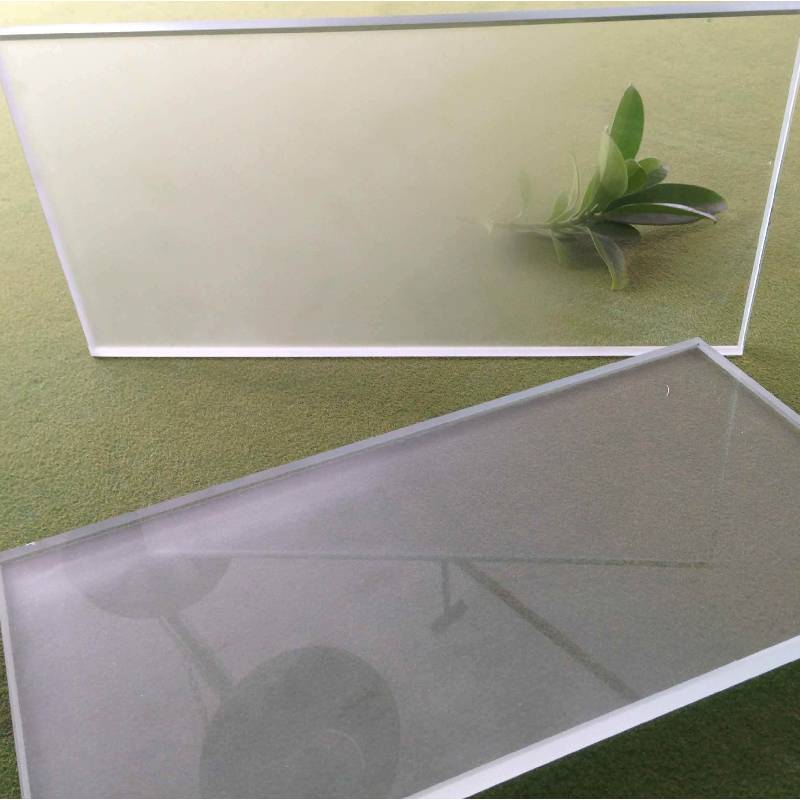
Figure 1: High-quality acid etched glass undergoing final inspection.
Technical Specifications and Performance Parameters
Understanding the technical parameters of acid etched glass is crucial for architects and engineers in specifying the correct product for their projects. Key metrics relate to its optical, mechanical, and environmental performance. The consistent micro-texture created by acid etching ensures superior light diffusion and reduced reflectance compared to other glass treatments.
Product Specification Table: Standard Acid Etched Glass
| Parameter |
Typical Value/Range |
Relevant Standard |
| Glass Type |
Clear Float Glass, Low-Iron Glass |
ASTM C1036 / EN 572 |
| Thickness Range |
3 mm to 19 mm |
EN 572-2 / ASTM C1036 |
| Maximum Panel Size |
3300 mm x 6000 mm (varies by manufacturer) |
Manufacturer Specific |
| Light Transmittance (single layer) |
75% - 90% (depending on etch level and thickness) |
ISO 9050 / ASTM E903 |
| Haze Value |
80% - 95% (indicating high light diffusion) |
ASTM D1003 / ISO 14782 |
| UV Resistance |
Excellent (inherent property of glass) |
ISO 11341 |
| Thermal Shock Resistance |
>120°C (for annealed glass) |
EN 12150-1 |
| Surface Etch Depth |
Micron level, uniform |
Manufacturer Specific |
| Durability |
Resistant to fingerprints, oils, and general wear |
Internal Testing |
These parameters ensure that acid etched glass performs optimally in various environmental and functional contexts. The high haze value indicates superior light diffusion, making it an excellent choice for applications requiring privacy without significant light loss. Its intrinsic UV resistance ensures color stability and material integrity over time, a critical factor for both interior and exterior installations.
Key Advantages in Modern Building and Design
The selection of materials in high-stakes B2B projects often hinges on a clear understanding of tangible benefits. Acid etched glass offers a compelling suite of advantages that contribute to both the functionality and aesthetics of a project:
-
Enhanced Privacy with Ample Light Diffusion: Unlike opaque materials, acid etched glass effectively obscures visibility while allowing natural light to penetrate. This is particularly valuable for office partitions, bathroom windows, or conference rooms where privacy is essential but natural illumination is desired, creating brighter, more open-feeling spaces.
-
Superior Aesthetic Appeal and Anti-Glare Properties: The smooth, matte finish of acid etched glass provides an elegant, understated beauty that complements a wide range of design styles. It also significantly reduces glare from direct sunlight or artificial lighting, contributing to visual comfort and reducing eye strain, especially in environments with display screens.
-
Durability and Low Maintenance: Because the etching is an integral part of the glass surface, it is highly durable, scratch-resistant, and will not peel, chip, or fade over time. Its fine texture also makes it remarkably resistant to fingerprints and smudges, simplifying cleaning and reducing maintenance costs compared to film applications or conventional frosted glass.
-
Versatility in Processing and Safety: Acid etched glass can be easily cut, drilled, edged, and can undergo further processing such as tempering to create acid etched toughened glass for safety-critical applications (e.g., shower doors, balustrades), or lamination to produce acid etched laminated glass for enhanced security, sound insulation, and UV protection. This adaptability makes it suitable for diverse and demanding project specifications.
-
Environmental Contribution: By diffusing light, acid etched glass can help optimize natural light harvesting in buildings, potentially reducing the need for artificial lighting and contributing to energy savings. Its durable nature also means a longer product lifecycle, aligning with sustainable building practices.
Diverse Application Scenarios
The functional and aesthetic benefits of acid etched glass translate into a vast array of application possibilities across various sectors. Its ability to balance privacy, light, and design makes it a preferred material for architects and designers globally:
-
Architectural Glazing: Used extensively for interior partitions, office dividers, conference room enclosures, and doors where visual separation is required without obstructing natural light flow. Large acid etched glass panels can also be used in facades or skylights to mitigate direct sun glare while maintaining a sleek exterior.
-
Bathroom and Shower Enclosures: Provides ideal privacy for shower screens and bathroom partitions. When supplied as acid etched toughened glass, it meets strict safety standards while offering a sophisticated, easy-to-clean surface.
-
Balustrades and Railings: Acid etched laminated glass is a popular choice for balustrades in residential and commercial settings, offering safety through lamination and an elegant, semi-private barrier.
-
Furniture and Cabinetry: Applied in tabletops, cabinet doors, display cases, and shelving, providing a luxurious, diffused appearance and reducing visible fingerprints.
-
Retail and Commercial Displays: Used in retail environments for sophisticated product displays, changing room doors, or decorative elements that enhance brand image while ensuring some level of privacy.
-
Decorative and Specialty Applications: From artistic installations to back-painted glass, acid etched mirror glass adds a unique dimension to interior spaces. Its versatility even extends to niche applications like electronic display covers where anti-glare properties are paramount.
The widespread adoption of acid etched glass across these segments underscores its functional superiority and aesthetic versatility, establishing it as a premium material in modern construction and design.
Current Industry Trends and Future Outlook
The market for architectural glass is continuously evolving, driven by innovations in manufacturing, changing design philosophies, and an increasing focus on sustainability. Several key trends are shaping the trajectory of acid etched glass:
-
Integration with Smart Building Technologies: There's a growing trend towards integrating acid etched glass panels with smart film technologies (e.g., switchable privacy glass) or embedded LED lighting for dynamic, programmable privacy, and illumination effects.
-
Larger Formats and Seamless Installations: Architects are increasingly specifying larger format acid etched glass panels to create expansive, seamless surfaces, reducing visual interruptions and enhancing minimalist design aesthetics in both commercial and high-end residential projects.
-
Customization and Patterned Etching: Advancements in etching techniques allow for intricate custom patterns, logos, and varying levels of translucency to be achieved, offering unparalleled design flexibility. This is moving beyond simple frosting to complex graphic designs.
-
Sustainability and Biophilic Design: As the construction industry prioritizes sustainable materials, the durability and light-diffusing properties of acid etched glass contribute to energy efficiency by maximizing natural light while minimizing solar heat gain and glare. Its use in biophilic design, which connects building occupants to nature, is also on the rise, providing gentle, diffused light that mimics natural conditions.
-
Multi-functional Glass Products: Combining acid etched glass with other performance coatings (e.g., low-emissivity coatings), interlayers (for acid etched laminated glass), or heating elements, creates multi-functional solutions that offer thermal insulation, enhanced safety, and advanced privacy control.
These trends highlight a future where acid etched glass continues to be a cornerstone material, evolving to meet the complex demands of modern architecture and design with enhanced capabilities and aesthetic versatility.
Customized Solutions and Design Flexibility
Recognizing that every B2B project has unique demands, manufacturers of acid etched glass offer extensive customization options. This flexibility ensures that the glass solution perfectly integrates with the project's functional requirements and aesthetic vision.
Customization possibilities include:
-
Varying Degrees of Translucency: Depending on the etching depth and technique, different levels of obscurity can be achieved, from a subtle haze to a dense, opaque frosting. This allows for precise control over privacy and light diffusion.
-
Patterned and Graphic Etching: Advanced masking techniques enable the creation of bespoke patterns, corporate logos, or artistic designs directly onto the glass surface. This adds a unique branding element or decorative flair to installations such as acid etched glass panels in corporate offices or retail spaces.
-
Combination with Other Glass Types: Acid etched glass can be fabricated from various base glass types, including low-iron glass for enhanced clarity, low-emissivity glass for thermal performance, or tinted glass for specific aesthetic effects. It can also be combined with safety interlayers to form acid etched laminated glass, or heat-treated for acid etched toughened glass applications.
-
Custom Sizing and Edge Work: Manufacturers offer precise cutting to any specified dimensions and a variety of edge finishes (e.g., polished, beveled, ground) to meet detailed architectural drawings.
-
Double-Sided Etching: For certain applications, both sides of the glass can be etched, offering enhanced privacy and uniform light diffusion, further reducing reflections.
This robust customization capability underscores the adaptability of acid etched glass as a premium material that can be precisely tailored to architectural visions and functional imperatives.
Vendor Comparison: Selecting the Right Partner
Choosing the right supplier for acid etched glass is a critical decision that impacts project timelines, quality, and budget. While many vendors offer these products, distinguishing between them based on key criteria is essential for B2B procurement. Consider the following factors:
Comparative Analysis of Acid Etched Glass Suppliers
| Criteria |
Large-Scale Manufacturer |
Specialized Boutique Supplier |
| Quality Certifications |
ISO 9001, CE, ASTM, EN (Broad range) |
ISO 9001, Niche Certs (Artistic, Patterned Glass) |
| Manufacturing Capability |
High volume, standard sizes, integrated processing (tempering, laminating) |
Lower volume, highly customized, complex patterns, unique finishes |
| Customization Flexibility |
Limited to standard etch levels and basic patterns |
Extensive pattern, opacity, and color integration options |
| Lead Time |
Typically shorter for standard products (2-3 weeks) |
Potentially longer due to complexity (4-8 weeks) |
| Pricing Model |
Competitive volume-based pricing |
Premium pricing for specialized craftsmanship |
| Technical Support & R&D |
Standard technical data, focus on efficiency |
Deep expertise, innovative material R&D, design consultation |
For high-volume, standardized projects, a large-scale manufacturer may offer cost efficiencies. However, for unique architectural statements or complex integrated designs requiring specific visual effects (such as customized acid etched glass panels or acid etched mirror glass), a specialized boutique supplier might provide the necessary expertise and customization capabilities. It is also important to consider their track record, particularly with acid etched toughened glass and acid etched laminated glass, where safety and durability are paramount.
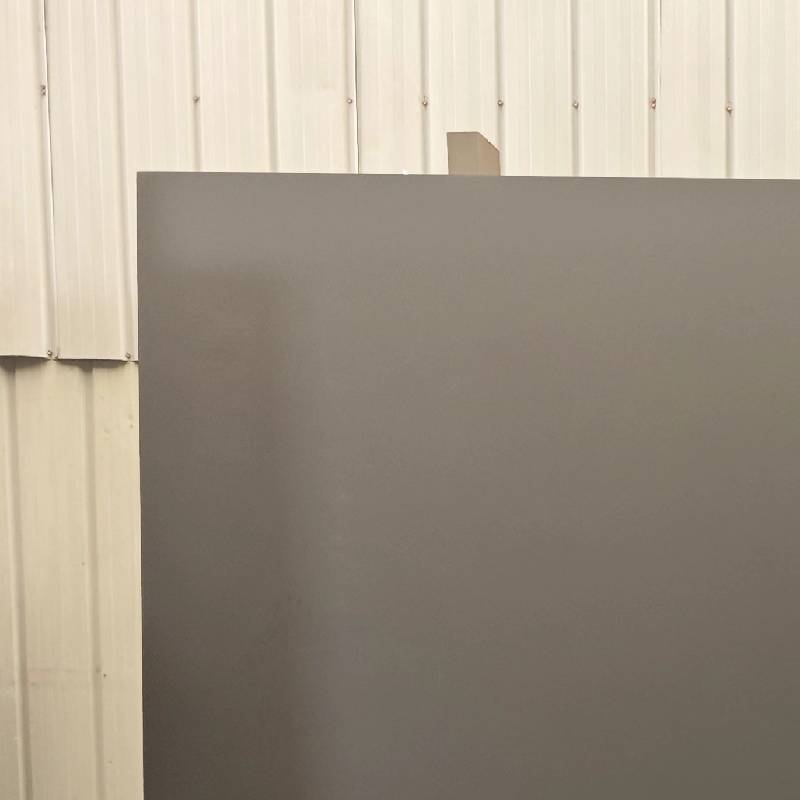
Figure 2: Custom acid etched glass installations for modern interiors.
Application Case Studies and Customer Experience
Real-world application demonstrates the transformative potential of acid etched glass. Our experience across numerous projects underscores its value in delivering both functional excellence and aesthetic sophistication:
-
Case Study 1: Corporate Headquarters Interior Partitions
A leading technology firm required a solution for their open-plan office that would provide discreet privacy for individual workstations and meeting rooms without sacrificing natural light. We supplied over 1500 square meters of 10mm acid etched glass panels, integrated into an aluminum framing system. The result was a brightly lit office environment where employees enjoyed enhanced visual privacy, reduced glare on screens, and a serene aesthetic. Customer feedback highlighted improved acoustic performance (due to glass thickness) and the low-maintenance surface, which resisted fingerprints even in high-traffic areas.
-
Case Study 2: Luxury Hotel Bathroom Enclosures
For a five-star hotel chain, the design brief called for elegant and durable shower and toilet enclosures that offered privacy while maintaining a luxurious feel. We provided custom-sized 8mm acid etched toughened glass panels for over 300 guest bathrooms. The toughened glass ensured superior safety performance in accordance with ANSI Z97.1, while the acid-etched surface offered privacy and a soft, diffused light within the bathroom space. The hotel management praised the high-end finish and the ease of cleaning, noting a significant reduction in visible water spots and smudges compared to traditional clear glass.
-
Case Study 3: Retail Flagship Store Facade and Display
A prominent fashion retailer sought a distinctive facade and interior display solution for their flagship store. We engineered a bespoke solution featuring large acid etched laminated glass panels for the street-facing facade, combined with custom acid etched mirror glass for interior decorative walls. The laminated glass facade provided enhanced security and sound insulation, while its etched surface softened the harsh exterior light, creating an inviting interior ambiance. The etched mirror elements added depth and a subtle visual intrigue, perfectly aligning with the brand's sophisticated image. The store reported an increase in foot traffic and positive customer comments regarding the store's unique visual appeal.
These case studies illustrate the practical benefits and successful integration of acid etched glass solutions in various commercial environments, validating its role as a premium architectural material.
Authoritativeness and Trustworthiness: Our Commitment to Quality
As a professional SEO content strategist and technical copywriter, we understand that trust and authority are paramount in the B2B sector. Our commitment to providing high-quality acid etched glass solutions is underpinned by rigorous adherence to international standards, transparent processes, and unwavering customer support.
Certifications and Compliance:
Our manufacturing facilities and processes consistently meet or exceed global industry benchmarks. We proudly maintain certifications such as:
- ISO 9001:2015: Demonstrates our robust Quality Management System across all stages of production, from raw material sourcing to final product delivery.
- CE Marking: Compliance with European Union safety, health, and environmental protection directives, enabling free movement within the European Economic Area.
- ANSI Z97.1: For safety glazing materials, ensuring that our acid etched toughened glass and acid etched laminated glass products meet stringent impact and fragmentation resistance requirements for critical applications.
- ASTM Standards: Adherence to relevant ASTM (American Society for Testing and Materials) standards for glass quality and performance.
Our long-standing partnerships with leading architectural firms, interior designers, and construction companies globally, built over decades of service, are testament to our consistent product quality and reliable service.
Frequently Asked Questions (FAQ):
- Q: Can acid etched glass be tempered?
- A: Yes, acid etched glass can be tempered after the etching process to create acid etched toughened glass, significantly increasing its strength and safety properties, making it suitable for applications where safety glazing is required.
- Q: How do you clean acid etched glass?
- A: Its smooth, non-porous surface is highly resistant to fingerprints and smudges. It can be easily cleaned with a soft cloth and mild soap and water, or standard non-abrasive glass cleaners. Avoid harsh chemicals or abrasive pads.
- Q: What is the difference between sandblasted and acid etched glass?
- A: While both create a frosted effect, sandblasted glass typically has a rougher, more uneven surface that can trap dirt and fingerprints. Acid etched glass offers a much smoother, satin-like finish that is more uniform, durable, and easier to clean, making it a premium alternative.
- Q: Is acid etching glass at home a viable option?
- A: Professional acid etching glass requires specialized chemicals (like hydrofluoric acid) and equipment, as well as strict safety protocols and environmental controls. Attempting acid etching glass at home is highly dangerous and will not achieve the consistent, high-quality finish of industrially produced glass.
Lead Time and Fulfillment:
We understand the importance of timely project completion. Our typical lead times are:
- Standard Products: 2-3 weeks from order confirmation to dispatch.
- Customized Solutions: 4-6 weeks, depending on complexity and order volume.
Expedited services may be available upon request for urgent projects, subject to production capacity.
Warranty and After-Sales Support:
We offer a comprehensive 5-year limited warranty on our acid etched glass products against manufacturing defects that impair their structural integrity or optical performance under normal use. The surface finish is warranted for 1 year against fading or degradation under typical indoor conditions.
Our dedicated customer support team provides comprehensive after-sales service, including technical assistance for installation, maintenance guidance, and prompt resolution of any product-related inquiries. We are committed to ensuring customer satisfaction and the long-term success of your projects.
Conclusion: The Enduring Value of Acid Etched Glass
In summary, acid etched glass represents a pinnacle of architectural and design material innovation, offering an unparalleled combination of aesthetic beauty, functional privacy, and robust durability. From the precise chemical etching process that gives it its signature smooth, light-diffusing surface to its versatile applications in modern buildings, it consistently meets the rigorous demands of B2B projects.
Its ability to transform spaces by managing light and privacy, combined with its low maintenance and safety attributes (especially when supplied as acid etched toughened glass or acid etched laminated glass), positions it as an indispensable material for architects, interior designers, and construction professionals. As industry trends continue to emphasize customization, sustainability, and integrated smart solutions, acid etched glass remains a relevant and evolving choice for creating sophisticated, high-performance environments.
References
- ISO 9001:2015 - Quality management systems – Requirements. International Organization for Standardization.
- ASTM C1036-16 - Standard Specification for Flat Glass. ASTM International.
- EN 12150-1:2015 - Glass in building – Thermally toughened soda lime silicate safety glass – Part 1: Definition and description. European Committee for Standardization.
- ANSI Z97.1-2015 - American National Standard for Safety Glazing Materials Used in Buildings – Safety Performance Specifications and Methods of Test. American National Standards Institute.
- W.C. LaCourse, "Glass: Chemical Properties and Durability," in Encyclopedia of Materials: Science and Technology, Elsevier, 2001, pp. 3538-3545.
Introduction to Advanced Architectural Glass Solutions
In contemporary architecture and interior design, the demand for materials that merge aesthetic sophistication with functional performance is paramount. Among these, acid etched glass stands out as a versatile and high-performance solution. This specialized glass product undergoes a meticulous chemical process to achieve a frosted, satin-smooth finish that diffuses light, offers privacy, and minimizes glare without compromising on luminosity.
Its unique surface characteristic makes it ideal for a wide array of applications, from elegant partitions and doors to sophisticated facades and decorative elements. Unlike film or sandblasting, the acid etching process permanently alters the glass surface, ensuring durability, consistency, and ease of maintenance. This article delves into the technical aspects, applications, and advantages of this indispensable material for B2B decision-makers and engineering professionals.
The Precision of Acid Etching: Manufacturing Process Flow
The manufacturing of acid etched glass is a precisely controlled chemical process that ensures uniform surface quality and lasting aesthetic appeal. This multi-stage process begins with the selection of high-quality float glass and culminates in a finished product ready for diverse architectural and design applications. Below is a detailed breakdown of the typical process flow:
-
Material Selection and Preparation: The foundation is typically clear float glass, selected for its optical clarity and minimal imperfections. This glass undergoes rigorous cleaning to remove any dust, oils, or contaminants that could interfere with the etching process. Strict adherence to standards such as ASTM C1036 for float glass is critical at this stage.
-
Application of Etching Medium: The clean glass is then moved into an etching chamber where it is exposed to an aqueous solution containing hydrofluoric acid and other proprietary chemical compounds. The concentration of the acid, the temperature of the solution, and the duration of exposure are meticulously controlled to achieve the desired level of frosting and surface texture. This chemical reaction selectively dissolves silica from the glass surface, creating microscopic pits that scatter light, resulting in the characteristic matte finish. For specific designs, areas of the glass can be masked off using photolithography techniques or specialized resists to create patterned acid etched glass panels.
-
Washing and Neutralization: After the etching process, the glass is thoroughly rinsed with deionized water to remove all traces of the acid solution and byproducts. This is followed by a neutralization step using alkaline solutions to ensure complete cessation of the chemical reaction and to stabilize the glass surface. This crucial stage prevents further chemical degradation and ensures the safety of the product.
-
Drying: The neutralized glass is then passed through drying chambers to remove all moisture, preparing it for subsequent processing or packaging.
-
Quality Control and Inspection: Each panel undergoes stringent quality control checks. This includes visual inspection for uniformity of etch, absence of streaks or defects, and measurement of light transmittance and haze properties using specialized photometric equipment. Adherence to international standards like ISO 9001 for quality management and relevant ASTM or EN standards for performance is verified. The service life of properly manufactured and installed acid etched glass typically exceeds 20 years, making it a highly durable solution.
-
Further Processing: Depending on the application, the etched glass can undergo additional treatments. This includes cutting to precise dimensions, tempering (to create acid etched toughened glass for enhanced safety and impact resistance, adhering to EN 12150 or ANSI Z97.1), laminating (to produce acid etched laminated glass for added security and sound insulation), or silvering (for acid etched mirror glass applications). This modular approach allows for bespoke solutions tailored to specific project requirements.
The target industries for acid etched glass are diverse, encompassing architectural facades, interior design, furniture manufacturing, automotive, and electronics. Its advantages in these scenarios often include energy saving through glare reduction, superior corrosion resistance compared to other surface treatments, and enhanced aesthetic longevity.
Figure 1: High-quality acid etched glass undergoing final inspection.
Technical Specifications and Performance Parameters
Understanding the technical parameters of acid etched glass is crucial for architects and engineers in specifying the correct product for their projects. Key metrics relate to its optical, mechanical, and environmental performance. The consistent micro-texture created by acid etching ensures superior light diffusion and reduced reflectance compared to other glass treatments.
Product Specification Table: Standard Acid Etched Glass
| Parameter |
Typical Value/Range |
Relevant Standard |
| Glass Type |
Clear Float Glass, Low-Iron Glass |
ASTM C1036 / EN 572 |
| Thickness Range |
3 mm to 19 mm |
EN 572-2 / ASTM C1036 |
| Maximum Panel Size |
3300 mm x 6000 mm (varies by manufacturer) |
Manufacturer Specific |
| Light Transmittance (single layer) |
75% - 90% (depending on etch level and thickness) |
ISO 9050 / ASTM E903 |
| Haze Value |
80% - 95% (indicating high light diffusion) |
ASTM D1003 / ISO 14782 |
| UV Resistance |
Excellent (inherent property of glass) |
ISO 11341 |
| Thermal Shock Resistance |
>120°C (for annealed glass) |
EN 12150-1 |
| Surface Etch Depth |
Micron level, uniform |
Manufacturer Specific |
| Durability |
Resistant to fingerprints, oils, and general wear |
Internal Testing |
These parameters ensure that acid etched glass performs optimally in various environmental and functional contexts. The high haze value indicates superior light diffusion, making it an excellent choice for applications requiring privacy without significant light loss. Its intrinsic UV resistance ensures color stability and material integrity over time, a critical factor for both interior and exterior installations.
Key Advantages in Modern Building and Design
The selection of materials in high-stakes B2B projects often hinges on a clear understanding of tangible benefits. Acid etched glass offers a compelling suite of advantages that contribute to both the functionality and aesthetics of a project:
-
Enhanced Privacy with Ample Light Diffusion: Unlike opaque materials, acid etched glass effectively obscures visibility while allowing natural light to penetrate. This is particularly valuable for office partitions, bathroom windows, or conference rooms where privacy is essential but natural illumination is desired, creating brighter, more open-feeling spaces.
-
Superior Aesthetic Appeal and Anti-Glare Properties: The smooth, matte finish of acid etched glass provides an elegant, understated beauty that complements a wide range of design styles. It also significantly reduces glare from direct sunlight or artificial lighting, contributing to visual comfort and reducing eye strain, especially in environments with display screens.
-
Durability and Low Maintenance: Because the etching is an integral part of the glass surface, it is highly durable, scratch-resistant, and will not peel, chip, or fade over time. Its fine texture also makes it remarkably resistant to fingerprints and smudges, simplifying cleaning and reducing maintenance costs compared to film applications or conventional frosted glass.
-
Versatility in Processing and Safety: Acid etched glass can be easily cut, drilled, edged, and can undergo further processing such as tempering to create acid etched toughened glass for safety-critical applications (e.g., shower doors, balustrades), or lamination to produce acid etched laminated glass for added security and sound insulation, and UV protection. This adaptability makes it suitable for diverse and demanding project specifications.
-
Environmental Contribution: By diffusing light, acid etched glass can help optimize natural light harvesting in buildings, potentially reducing the need for artificial lighting and contributing to energy savings. Its durable nature also means a longer product lifecycle, aligning with sustainable building practices.
Diverse Application Scenarios
The functional and aesthetic benefits of acid etched glass translate into a vast array of application possibilities across various sectors. Its ability to balance privacy, light, and design makes it a preferred material for architects and designers globally:
-
Architectural Glazing: Used extensively for interior partitions, office dividers, conference room enclosures, and doors where visual separation is required without obstructing natural light flow. Large acid etched glass panels can also be used in facades or skylights to mitigate direct sun glare while maintaining a sleek exterior.
-
Bathroom and Shower Enclosures: Provides ideal privacy for shower screens and bathroom partitions. When supplied as acid etched toughened glass, it meets strict safety standards while offering a sophisticated, easy-to-clean surface.
-
Balustrades and Railings: Acid etched laminated glass is a popular choice for balustrades in residential and commercial settings, offering safety through lamination and an elegant, semi-private barrier.
-
Furniture and Cabinetry: Applied in tabletops, cabinet doors, display cases, and shelving, providing a luxurious, diffused appearance and reducing visible fingerprints.
-
Retail and Commercial Displays: Used in retail environments for sophisticated product displays, changing room doors, or decorative elements that enhance brand image while ensuring some level of privacy.
-
Decorative and Specialty Applications: From artistic installations to back-painted glass, acid etched mirror glass adds a unique dimension to interior spaces. Its versatility even extends to niche applications like electronic display covers where anti-glare properties are paramount.
The widespread adoption of acid etched glass across these segments underscores its functional superiority and aesthetic versatility, establishing it as a premium material in modern construction and design.
Current Industry Trends and Future Outlook
The market for architectural glass is continuously evolving, driven by innovations in manufacturing, changing design philosophies, and an increasing focus on sustainability. Several key trends are shaping the trajectory of acid etched glass:
-
Integration with Smart Building Technologies: There's a growing trend towards integrating acid etched glass panels with smart film technologies (e.g., switchable privacy glass) or embedded LED lighting for dynamic, programmable privacy, and illumination effects.
-
Larger Formats and Seamless Installations: Architects are increasingly specifying larger format acid etched glass panels to create expansive, seamless surfaces, reducing visual interruptions and enhancing minimalist design aesthetics in both commercial and high-end residential projects.
-
Customization and Patterned Etching: Advancements in etching techniques allow for intricate custom patterns, logos, and varying levels of translucency to be achieved, offering unparalleled design flexibility. This is moving beyond simple frosting to complex graphic designs.
-
Sustainability and Biophilic Design: As the construction industry prioritizes sustainable materials, the durability and light-diffusing properties of acid etched glass contribute to energy efficiency by maximizing natural light while minimizing solar heat gain and glare. Its use in biophilic design, which connects building occupants to nature, is also on the rise, providing gentle, diffused light that mimics natural conditions.
-
Multi-functional Glass Products: Combining acid etched glass with other performance coatings (e.g., low-emissivity coatings), interlayers (for acid etched laminated glass), or heating elements, creates multi-functional solutions that offer thermal insulation, enhanced safety, and advanced privacy control.
These trends highlight a future where acid etched glass continues to be a cornerstone material, evolving to meet the complex demands of modern architecture and design with enhanced capabilities and aesthetic versatility.
Customized Solutions and Design Flexibility
Recognizing that every B2B project has unique demands, manufacturers of acid etched glass offer extensive customization options. This flexibility ensures that the glass solution perfectly integrates with the project's functional requirements and aesthetic vision.
Customization possibilities include:
-
Varying Degrees of Translucency: Depending on the etching depth and technique, different levels of obscurity can be achieved, from a subtle haze to a dense, opaque frosting. This allows for precise control over privacy and light diffusion.
-
Patterned and Graphic Etching: Advanced masking techniques enable the creation of bespoke patterns, corporate logos, or artistic designs directly onto the glass surface. This adds a unique branding element or decorative flair to installations such as acid etched glass panels in corporate offices or retail spaces.
-
Combination with Other Glass Types: Acid etched glass can be fabricated from various base glass types, including low-iron glass for enhanced clarity, low-emissivity glass for thermal performance, or tinted glass for specific aesthetic effects. It can also be combined with safety interlayers to form acid etched laminated glass, or heat-treated for acid etched toughened glass applications.
-
Custom Sizing and Edge Work: Manufacturers offer precise cutting to any specified dimensions and a variety of edge finishes (e.g., polished, beveled, ground) to meet detailed architectural drawings.
-
Double-Sided Etching: For certain applications, both sides of the glass can be etched, offering enhanced privacy and uniform light diffusion, further reducing reflections.
This robust customization capability underscores the adaptability of acid etched glass as a premium material that can be precisely tailored to architectural visions and functional imperatives.
Vendor Comparison: Selecting the Right Partner
Choosing the right supplier for acid etched glass is a critical decision that impacts project timelines, quality, and budget. While many vendors offer these products, distinguishing between them based on key criteria is essential for B2B procurement. Consider the following factors:
Comparative Analysis of Acid Etched Glass Suppliers
| Criteria |
Large-Scale Manufacturer |
Specialized Boutique Supplier |
| Quality Certifications |
ISO 9001, CE, ASTM, EN (Broad range) |
ISO 9001, Niche Certs (Artistic, Patterned Glass) |
| Manufacturing Capability |
High volume, standard sizes, integrated processing (tempering, laminating) |
Lower volume, highly customized, complex patterns, unique finishes |
| Customization Flexibility |
Limited to standard etch levels and basic patterns |
Extensive pattern, opacity, and color integration options |
| Lead Time |
Typically shorter for standard products (2-3 weeks) |
Potentially longer due to complexity (4-8 weeks) |
| Pricing Model |
Competitive volume-based pricing |
Premium pricing for specialized craftsmanship |
| Technical Support & R&D |
Standard technical data, focus on efficiency |
Deep expertise, innovative material R&D, design consultation |
For high-volume, standardized projects, a large-scale manufacturer may offer cost efficiencies. However, for unique architectural statements or complex integrated designs requiring specific visual effects (such as customized acid etched glass panels or acid etched mirror glass), a specialized boutique supplier might provide the necessary expertise and customization capabilities. It is also important to consider their track record, particularly with acid etched toughened glass and acid etched laminated glass, where safety and durability are paramount.
Figure 2: Custom acid etched glass installations for modern interiors.
Application Case Studies and Customer Experience
Real-world application demonstrates the transformative potential of acid etched glass. Our experience across numerous projects underscores its value in delivering both functional excellence and aesthetic sophistication:
-
Case Study 1: Corporate Headquarters Interior Partitions
A leading technology firm required a solution for their open-plan office that would provide discreet privacy for individual workstations and meeting rooms without sacrificing natural light. We supplied over 1500 square meters of 10mm acid etched glass panels, integrated into an aluminum framing system. The result was a brightly lit office environment where employees enjoyed enhanced visual privacy, reduced glare on screens, and a serene aesthetic. Customer feedback highlighted improved acoustic performance (due to glass thickness) and the low-maintenance surface, which resisted fingerprints even in high-traffic areas.
-
Case Study 2: Luxury Hotel Bathroom Enclosures
For a five-star hotel chain, the design brief called for elegant and durable shower and toilet enclosures that offered privacy while maintaining a luxurious feel. We provided custom-sized 8mm acid etched toughened glass panels for over 300 guest bathrooms. The toughened glass ensured superior safety performance in accordance with ANSI Z97.1, while the acid-etched surface offered privacy and a soft, diffused light within the bathroom space. The hotel management praised the high-end finish and the ease of cleaning, noting a significant reduction in visible water spots and smudges compared to traditional clear glass.
-
Case Study 3: Retail Flagship Store Facade and Display
A prominent fashion retailer sought a distinctive facade and interior display solution for their flagship store. We engineered a bespoke solution featuring large acid etched laminated glass panels for the street-facing facade, combined with custom acid etched mirror glass for interior decorative walls. The laminated glass facade provided enhanced security and sound insulation, while its etched surface softened the harsh exterior light, creating an inviting interior ambiance. The etched mirror elements added depth and a subtle visual intrigue, perfectly aligning with the brand's sophisticated image. The store reported an increase in foot traffic and positive customer comments regarding the store's unique visual appeal.
These case studies illustrate the practical benefits and successful integration of acid etched glass solutions in various commercial environments, validating its role as a premium architectural material.
Authoritativeness and Trustworthiness: Our Commitment to Quality
As a professional SEO content strategist and technical copywriter, we understand that trust and authority are paramount in the B2B sector. Our commitment to providing high-quality acid etched glass solutions is underpinned by rigorous adherence to international standards, transparent processes, and unwavering customer support.
Certifications and Compliance:
Our manufacturing facilities and processes consistently meet or exceed global industry benchmarks. We proudly maintain certifications such as:
- ISO 9001:2015: Demonstrates our robust Quality Management System across all stages of production, from raw material sourcing to final product delivery.
- CE Marking: Compliance with European Union safety, health, and environmental protection directives, enabling free movement within the European Economic Area.
- ANSI Z97.1: For safety glazing materials, ensuring that our acid etched toughened glass and acid etched laminated glass products meet stringent impact and fragmentation resistance requirements for critical applications.
- ASTM Standards: Adherence to relevant ASTM (American Society for Testing and Materials) standards for glass quality and performance.
Our long-standing partnerships with leading architectural firms, interior designers, and construction companies globally, built over decades of service, are testament to our consistent product quality and reliable service.
Frequently Asked Questions (FAQ):
- Q: Can acid etched glass be tempered?
- A: Yes, acid etched glass can be tempered after the etching process to create acid etched toughened glass, significantly increasing its strength and safety properties, making it suitable for applications where safety glazing is required.
- Q: How do you clean acid etched glass?
- A: Its smooth, non-porous surface is highly resistant to fingerprints and smudges. It can be easily cleaned with a soft cloth and mild soap and water, or standard non-abrasive glass cleaners. Avoid harsh chemicals or abrasive pads.
- Q: What is the difference between sandblasted and acid etched glass?
- A: While both create a frosted effect, sandblasted glass typically has a rougher, more uneven surface that can trap dirt and fingerprints. Acid etched glass offers a much smoother, satin-like finish that is more uniform, durable, and easier to clean, making it a premium alternative.
- Q: Is acid etching glass at home a viable option?
- A: Professional acid etching glass requires specialized chemicals (like hydrofluoric acid) and equipment, as well as strict safety protocols and environmental controls. Attempting acid etching glass at home is highly dangerous and will not achieve the consistent, high-quality finish of industrially produced glass.
Lead Time and Fulfillment:
We understand the importance of timely project completion. Our typical lead times are:
- Standard Products: 2-3 weeks from order confirmation to dispatch.
- Customized Solutions: 4-6 weeks, depending on complexity and order volume.
Expedited services may be available upon request for urgent projects, subject to production capacity.
Warranty and After-Sales Support:
We offer a comprehensive 5-year limited warranty on our acid etched glass products against manufacturing defects that impair their structural integrity or optical performance under normal use. The surface finish is warranted for 1 year against fading or degradation under typical indoor conditions.
Our dedicated customer support team provides comprehensive after-sales service, including technical assistance for installation, maintenance guidance, and prompt resolution of any product-related inquiries. We are committed to ensuring customer satisfaction and the long-term success of your projects.
Conclusion: The Enduring Value of Acid Etched Glass
In summary, acid etched glass represents a pinnacle of architectural and design material innovation, offering an unparalleled combination of aesthetic beauty, functional privacy, and robust durability. From the precise chemical etching process that gives it its signature smooth, light-diffusing surface to its versatile applications in modern buildings, it consistently meets the rigorous demands of B2B projects.
Its ability to transform spaces by managing light and privacy, combined with its low maintenance and safety attributes (especially when supplied as acid etched toughened glass or acid etched laminated glass), positions it as an indispensable material for architects, interior designers, and construction professionals. As industry trends continue to emphasize customization, sustainability, and integrated smart solutions, acid etched glass remains a relevant and evolving choice for creating sophisticated, high-performance environments.
References
- ISO 9001:2015 - Quality management systems – Requirements. International Organization for Standardization.
- ASTM C1036-16 - Standard Specification for Flat Glass. ASTM International.
- EN 12150-1:2015 - Glass in building – Thermally toughened soda lime silicate safety glass – Part 1: Definition and description. European Committee for Standardization.
- ANSI Z97.1-2015 - American National Standard for Safety Glazing Materials Used in Buildings – Safety Performance Specifications and Methods of Test. American National Standards Institute.
- W.C. LaCourse, "Glass: Chemical Properties and Durability," in Encyclopedia of Materials: Science and Technology, Elsevier, 2001, pp. 3538-3545.