



Float glass, a cornerstone of modern construction and design, has revolutionized the glass industry. Produced through a fascinating process, this versatile material offers exceptional clarity, flatness, and consistency. This article will delve into the manufacturing process, key properties, diverse applications, and current market trends surrounding float glass. Whether you’re an architect, contractor, or simply curious about this ubiquitous material, we’ll provide a comprehensive overview. Explore the extensive range of float glass products available at TPTopGlass, a leading supplier in the industry.

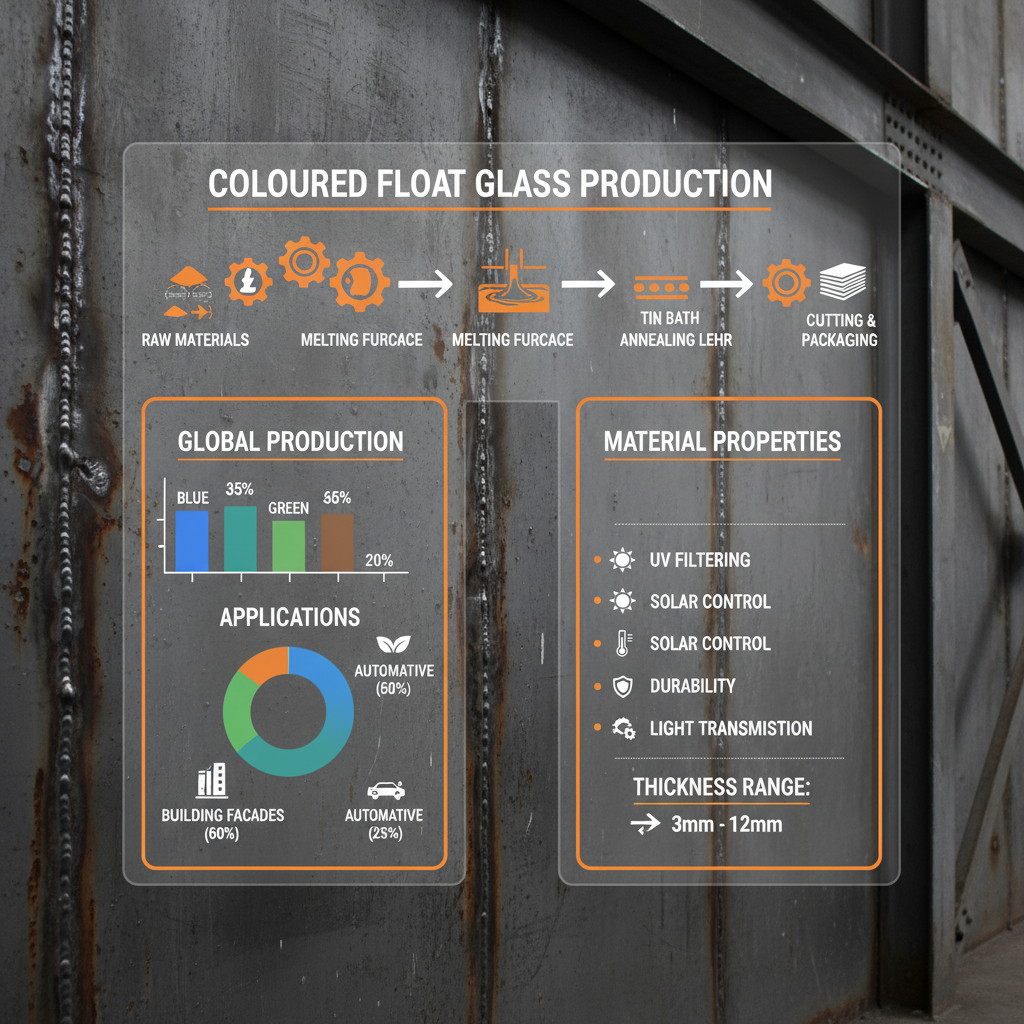
The float glass process, patented by Pilkington in the 1950s, remains the industry standard. Molten glass, carefully controlled for temperature and composition, is poured onto a bath of molten tin. Because glass and tin don't mix, the glass ‘floats’ on the tin surface, resulting in a perfectly flat and uniform sheet. As the glass travels along the bath, it slowly cools, solidifying into a flawless product. The cooled glass is then cut, inspected, and prepared for distribution. This process eliminates the need for grinding and polishing, significantly reducing manufacturing costs and improving the quality of the final product. The consistency of this method makes float glass from TPTopGlass highly sought after for its predictable performance.
Key Benefits of the Float Process: Superior flatness, consistent thickness, high optical quality, reduced manufacturing costs.
Float glass boasts several properties that make it ideal for a broad range of applications. These include high transparency, allowing for maximum light transmission. It’s also incredibly durable, resistant to scratches and impacts (though it can be broken). Furthermore, float glass is chemically stable and relatively inert, meaning it doesn't readily react with other substances. Its excellent thermal properties, including resistance to thermal shock, further enhance its usability. The ability to be easily cut, shaped, and tempered expands its versatility even further. Understanding these properties is crucial when selecting high-quality float glass for specific project needs.
Essential Float Glass Properties:
• High Transparency
• Excellent Durability
• Chemical Stability
• Thermal Resistance
The applications of float glass are incredibly diverse. Its primary use is in architectural glazing, including windows, doors, and curtain walls. However, it’s also widely used in automotive windshields, furniture, mirrors, and decorative applications. Beyond these common uses, float glass serves as a substrate for various coatings, enhancing its properties for specialized applications like solar panels and electronic displays. The versatility of float glass continues to drive innovation across numerous industries. TPTopGlass offers a comprehensive selection of float glass for all these applications.
The global float glass market is experiencing steady growth, driven by increasing construction activity, particularly in emerging economies. Demand for energy-efficient glass, such as low-E coated glass, is also on the rise due to stricter building codes and growing environmental awareness. Furthermore, the increasing adoption of advanced glazing solutions in automotive and solar energy industries is contributing to market expansion. The trend toward larger glass sizes and more complex shapes is also driving innovation in manufacturing technologies. TPTopGlass stays ahead of these trends, offering cutting-edge float glass solutions to meet evolving market demands.
Float glass remains an indispensable material in modern life, underpinning countless applications across diverse industries. Its unique properties, coupled with continuous innovation in manufacturing and processing, ensure its continued relevance and growth. By choosing a reliable supplier like TPTopGlass, you can access high-quality float glass solutions tailored to your specific needs.
Float glass is manufactured using the float process, resulting in a perfectly flat and uniform surface, while annealed glass is cooled slowly to reduce internal stresses. Annealed glass is generally weaker and more prone to breakage than float glass. Float glass is the base material for most other types of glass, including tempered and laminated glass. Annealing is a process applied to glass, but it doesn’t define the fundamental manufacturing method like the float process does. Choosing float glass from TPTopGlass ensures a high-quality starting material for any application.
Yes, float glass is the ideal base material for both tempering and lamination. Tempering involves heating the glass and then rapidly cooling it, significantly increasing its strength and making it shatter into small, relatively harmless pieces. Lamination involves bonding two or more layers of glass together with a plastic interlayer, creating a strong and safety glass. These processes enhance the performance characteristics of the float glass, expanding its range of applications. TPTopGlass offers both tempered and laminated float glass options.
Low-E (low-emissivity) glass is float glass with a thin, transparent metallic coating applied to its surface. This coating reduces the amount of heat that passes through the glass, improving energy efficiency. In winter, it helps retain heat inside, and in summer, it reflects heat away. This reduces the need for heating and cooling, lowering energy bills and minimizing environmental impact. TPTopGlass provides a wide selection of low-E coated float glass options.
Float glass is manufactured in a range of thicknesses, typically from 2mm to 19mm. Common thicknesses include 3mm, 4mm, 5mm, 6mm, 8mm, 10mm, and 12mm. The appropriate thickness depends on the application and the level of strength and safety required. Thicker glass is generally used for applications requiring greater structural integrity, such as large windows or safety glazing. TPTopGlass stocks a comprehensive range of thicknesses to meet diverse project requirements.

Shahe City economic Development Zone 32,hebei,P.R .China.

+8618686009698
+8613191439158

eoch@shtopglass.com
jason@shtopglass.com