



If you’ve been weighing cost, reflectivity, and corrosion resistance for interior projects, an aluminum mirror is probably already on your shortlist. To be honest, I used to think silver was the only “serious” mirror coating. Then I toured a plant in Hebei and watched high-speed vacuum deposition lay down a crisp aluminum film—clean, repeatable, and surprisingly robust in damp environments. Now I get why so many contractors are switching.
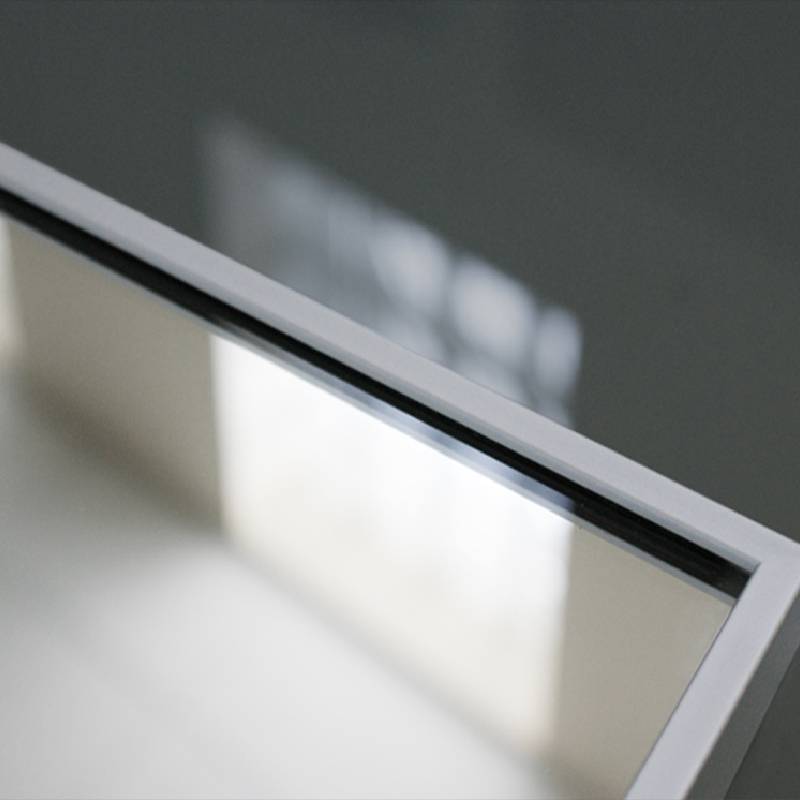
The current trend is pragmatic: slightly lower reflectance than silver, but better price stability and solid corrosion resistance with the right backing paint. Buyers ask for lead-free paints, RoHS compliance, and quick-cut customization. Many customers say they prefer aluminum mirror for gyms, retail walls, and OEM components (appliance fascias, visor mirrors) where humidity is a concern and budgets are tight.
| Substrate | High-quality clear float glass (ASTM C1036 / EN 572) |
| Thickness range | ≈1.5–6 mm hot sellers (1.5, 1.8, 2, 2.7, 3, 4, 5, 6 mm) |
| Popular sizes | From 600×900 mm up to 3660×2440 mm; custom cutting available |
| Coating method | Vacuum aluminum deposition + protective paint stack |
| Visible reflectance | ≈83–89% (wavelength-weighted; real-world use may vary by substrate/paint) |
| Edge options | Seamed, flat-polish, beveled; safety film on request |
| Origin | Shahe City Economic Development Zone 32, Hebei, P.R. China |
Retail fitting rooms, dance studios, gyms, hotel corridors, bathrooms (with sealed edges), furniture inserts, appliance fronts, OEM visor/safety mirrors, signage, and decorative panels. In fact, aluminum mirror often wins when budget, cut-to-size speed, and humidity resistance matter more than absolute maximum reflectance.
| Vendor | Thickness | Coating | Certs | Warranty | Lead Time |
|---|---|---|---|---|---|
| TPTOP Glass (Hebei) | 1.5–6 mm | Vacuum Al + dual paint | ISO 9001, EN 1036 | Up to 2–5 yrs indoor | Fast for standard sizes |
| Local Fabricator A | 2–5 mm | Contract-coated | Varies | 1–2 yrs | Quick small runs |
| Global Brand B | 2–6 mm | Sputtered Al | CE, EN 1036 | 3–5 yrs | Planned schedules |
Notes: Reflectance and durability depend on substrate quality, paint system, and installation (especially edge sealing and neutral-cure silicones).

Shahe City economic Development Zone 32,hebei,P.R .China.

+8618686009698
+8613191439158

eoch@shtopglass.com
jason@shtopglass.com