



If you’re weighing up mirror options for interiors, retail fixtures, or lighting projects, start with the humble aluminum mirror. It doesn’t shout; it just turns up, works hard, and keeps costs predictable. In fact, across workshops and fit-outs this year, I’ve seen a quiet swing back to aluminum-coated glass where durability and price stability matter more than ultra-premium reflectance.
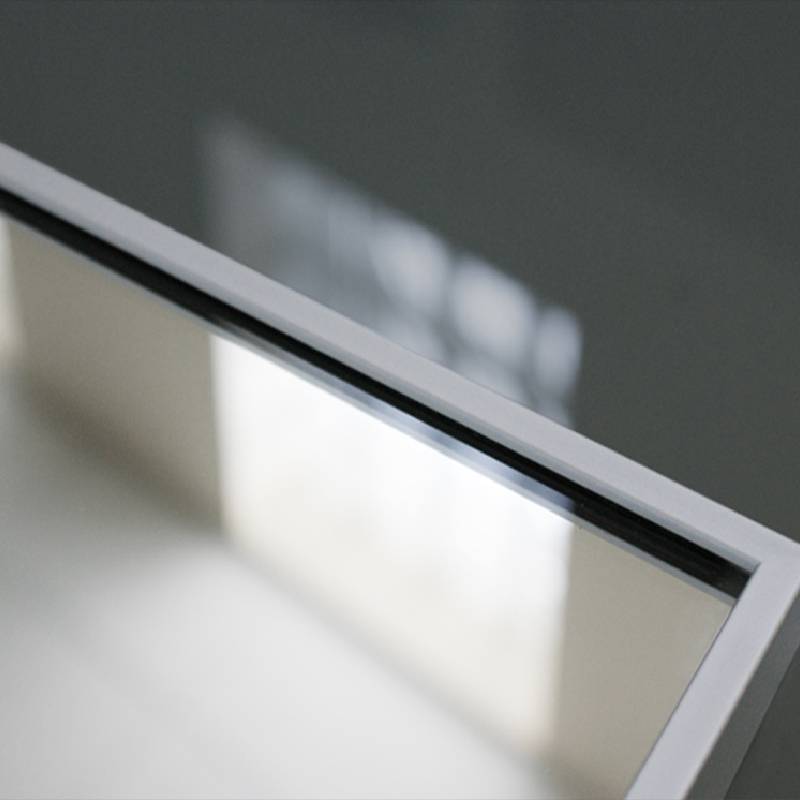
An aluminum mirror is float glass coated on one side with a thin reflective aluminum film, then protected with primer and backing paint. Compared with silvered mirrors, aluminum runs a touch lower on visible reflectance but wins on corrosion resistance and cost. With supply chains being, well, unpredictable, many buyers say aluminum has been the safe choice for big rollouts—gyms, dance studios, wardrobe doors, and retail walls—without breaking spec.
| Substrate | High-clarity float glass (clear or tinted) |
| Thickness options | ≈ 1.5, 1.8, 2, 2.7, 3, 4, 5, 6 mm (others on request) |
| Standard sizes | From 600×900 mm up to 3660×2440 mm; jumbo sheets available |
| Visible reflectance | ≈ 86–89% @ 550 nm (real-world use may vary) |
| Coating method | Vacuum metallizing (Al), protective primer + backing paint |
| Edgework | Seamed, flat-polished, beveled; edge sealing recommended for humid sites |
| Safety options | CAT I/II safety film, temperable mirror on request |
Retail fitting rooms and wall panels, home wardrobes, gyms/dance studios, light reflectors, bathroom vanities (with careful edge protection), and display fixtures. One buyer told me, “We swapped to aluminum mirror for the chain rollout—less call-back on edge creep, same look for customers.”
| Vendor | Max size | MOQ | Lead time | Certs | Warranty | Price index |
|---|---|---|---|---|---|---|
| TPTopGlass (Shahe, Hebei) | 3660×2440 | ≈ one pallet/size | 10–18 days | EN 1036, RoHS/REACH | Up to 5 years indoor | 1.0 |
| Vendor A (EU) | 3210×2250 | Low | 2–4 weeks | EN/CE, RoHS | 3–5 years | 1.2–1.4 |
| Vendor B (APAC) | 3300×2440 | Medium | 12–20 days | RoHS | 2–3 years | 0.9–1.1 |
Customization is straightforward: cut-to-size, CNC notches, beveled edges, vinyl safety backing, tint-on-substrate, and anti-fog coating. One project—200+ panels for a national gym brand—used 5 mm aluminum mirror with sealed edges; zero corrosion callbacks after 18 months. Another retail rollout specified 3 mm with CAT I film to speed installation and pass local safety inspections.
Origin: Shahe City Economic Development Zone 32, Hebei, P.R. China. Frankly, Shahe’s glass ecosystem makes lead times and replacement flows more predictable. If you need continuity on size mixes—914×1220 up to 3660×2440—this is where it gets done.
References:

Shahe City economic Development Zone 32,hebei,P.R .China.

+8618686009698
+8613191439158

eoch@shtopglass.com
jason@shtopglass.com