



Tinted glass, a versatile material with both practical and aesthetic benefits, has become a cornerstone in modern architectural and automotive design. By integrating tinted glass into structures, architects and engineers can achieve optimal solar control, energy efficiency, and visual appeal. This article explores the technical specifications, benefits, applications, and company background of tinted glass, while emphasizing its role in sustainable design and innovation. For further details, visit the product page.
Tinted glass is manufactured using the float glass process, with the addition of metal oxides during the smelting stage to achieve its characteristic coloration. This method ensures that the glass retains its fundamental properties, such as strength and durability, while altering its optical characteristics. The color density increases with thickness, and visible transmittance decreases proportionally, allowing for customizable light control based on application needs.
One of the key advantages of tinted glass is its ability to solar control. By absorbing a significant portion of solar energy, it reduces heat gain and glare, which is critical for energy-efficient buildings. According to the National Institute of Standards and Technology (NIST), advanced glazing technologies like tinted glass play a vital role in reducing building energy consumption by up to 20% in high-solar-exposure regions (NIST Reference).
Read More About blue tinted glass
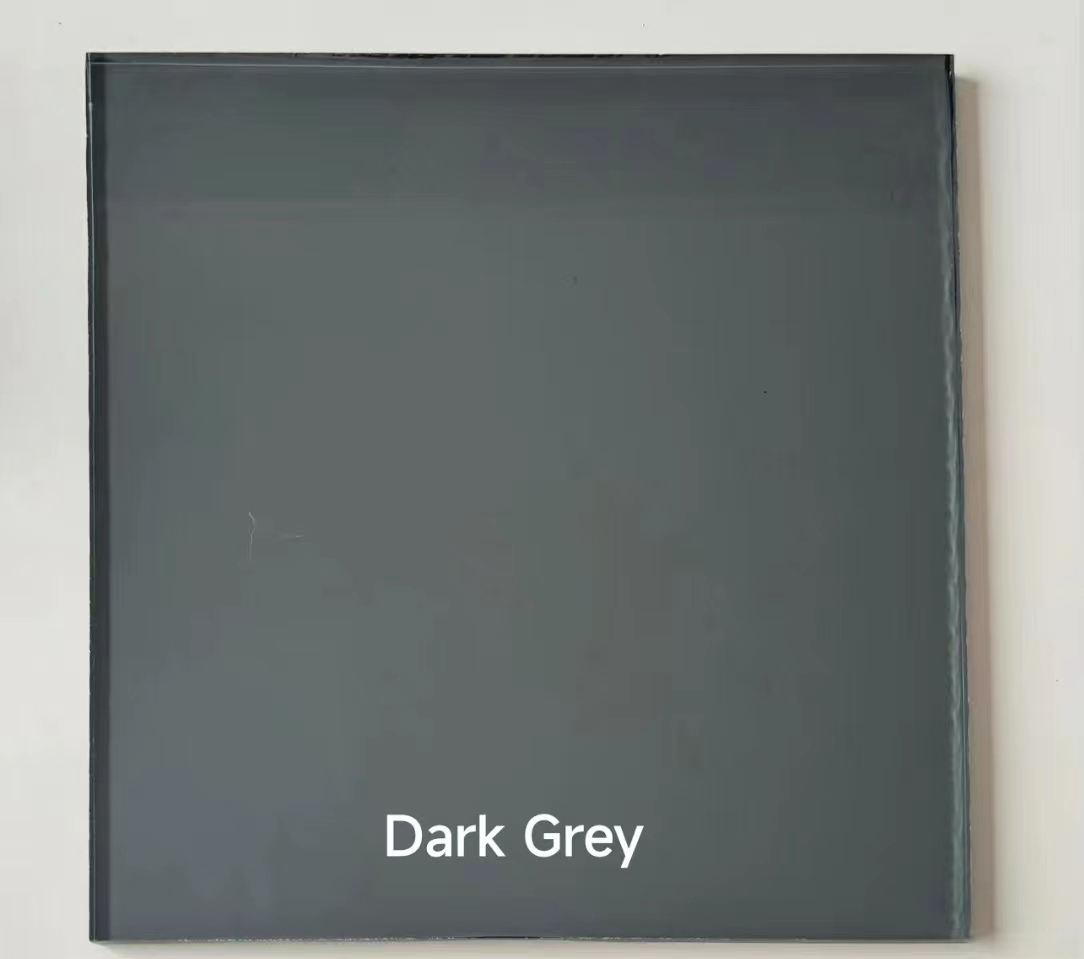
Read More About bronze tinted glass
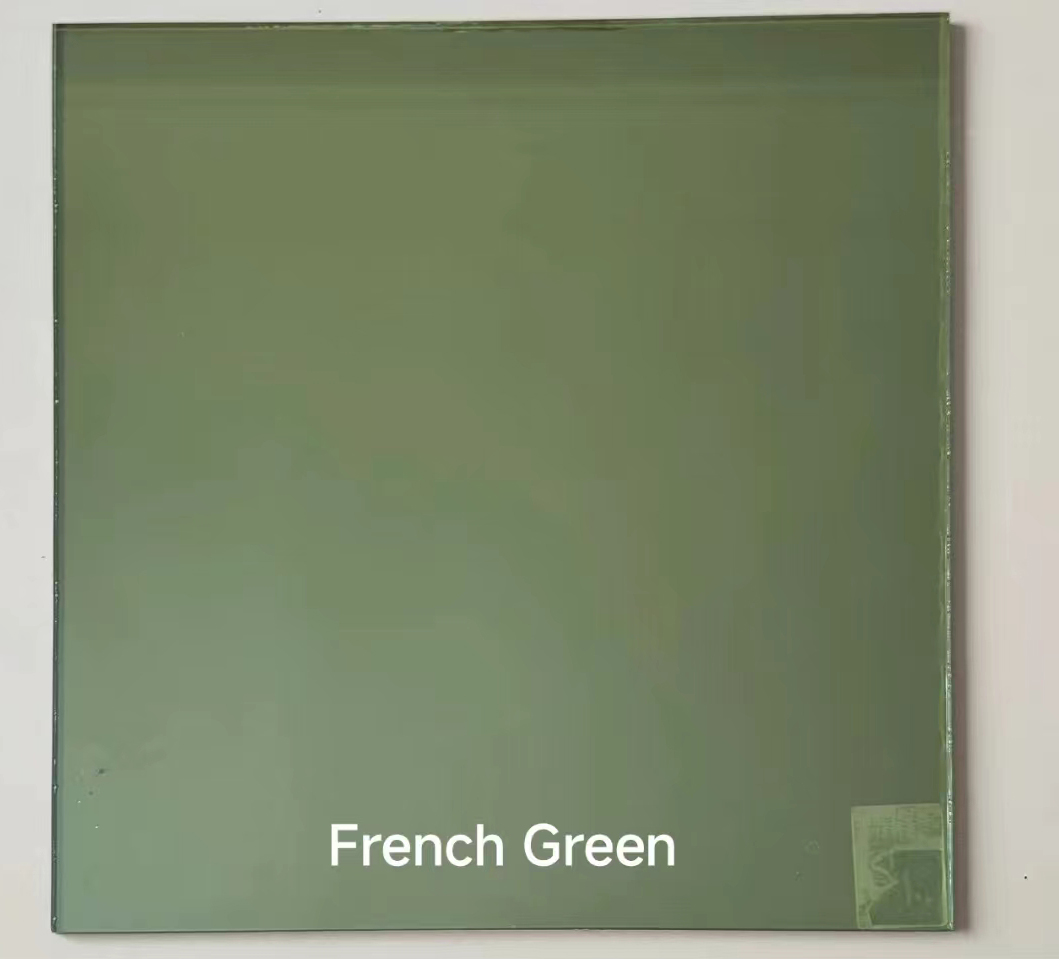
Read More About types of tinted glass
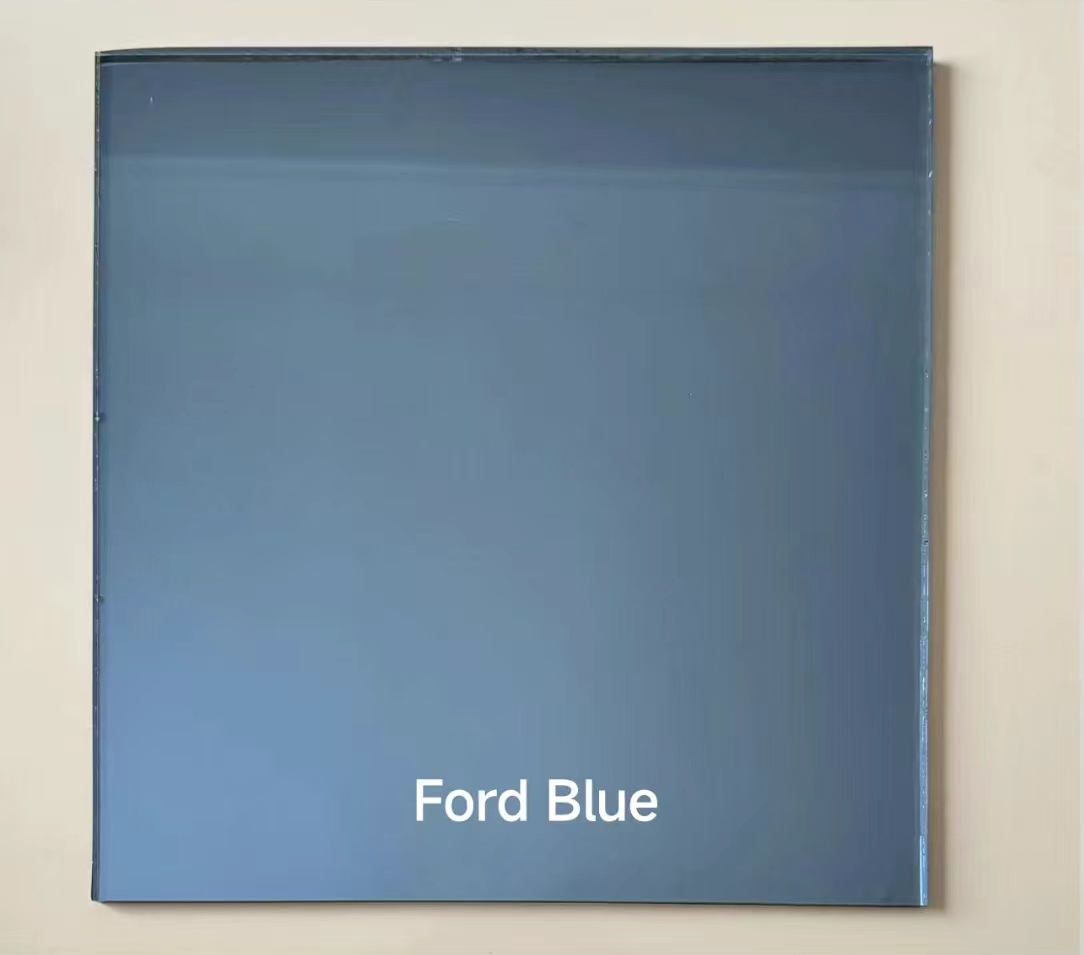
Tinted glass offers a range of advantages that make it a preferred choice for both residential and commercial applications:
From residential buildings to automotive manufacturing, tinted glass is a versatile material with diverse applications:
Enhances privacy and reduces heat gain, creating a more comfortable living environment. Black tinted glass is a popular choice for modern homes.
Used in office towers, shopping centers, and hotels to improve energy efficiency and interior comfort. Its ability to control solar heat gain aligns with green building standards.
Provides privacy, UV protection, and glare reduction for vehicle windows, enhancing driver safety and passenger comfort.
Controls light transmission and heat buildup in atriums and canopies, creating a pleasant indoor climate.
Employed in partitions, shower enclosures, and glass furniture to combine functionality with style.
The tinted glass offered by Shahe Top Glass Co., Ltd. is available in a wide range of colors and thicknesses, catering to specific design and performance requirements.
| Thickness | Size |
|---|---|
| 3mm, 4mm, 5mm, 5.5mm, 6mm, 8mm, 10mm, 12mm | 3300x2140, 3660x2140, 3300x2250, 3660x2250, 3300x2440, 3660x2440, 1650x2140, 1650x2250, 1650x2440, 1830x2140, 1830x2440 |
As a leading manufacturer of tinted glass, Shahe Top Glass Co., Ltd. has established itself as a trusted name in the industry. With a focus on innovation, quality, and sustainability, the company provides customized solutions for a global clientele. Their commitment to advanced manufacturing processes ensures that every product meets rigorous standards for performance and durability.
For more information about their services and product range, visit the company website.
Tinted glass is more than just a material—it is a strategic solution for modern design challenges. By combining solar control, UV protection, and visual appeal, it offers a balanced approach to energy efficiency and aesthetics. Whether for residential, commercial, or automotive use, tinted glass continues to redefine the possibilities of architectural innovation. For further details, explore the product page.
National Institute of Standards and Technology (NIST). (n.d.). Energy Efficiency in Building Design. Retrieved from https://www.nist.gov/.

Shahe City economic Development Zone 32,hebei,P.R .China.

+8618686009698
+8613191439158

eoch@shtopglass.com
jason@shtopglass.com