

Tinted glass is a specialized type of glass engineered to reduce glare, control light transmission, and enhance the visual appeal of buildings and vehicles. By incorporating metal oxides during production, tinted glass offers a range of benefits, from energy efficiency to UV protection. This article explores its features, applications, and technical specifications, along with insights into its manufacturing and industry relevance.
Tinted glass is produced using the float process, where small quantities of metal oxides are added to the glass mix to achieve coloration. This process does not compromise the glass's fundamental properties, though it increases visible light reflectance and reduces visible transmittance with greater thickness. The color density and solar control capabilities vary with thickness, making it adaptable for diverse needs.
Tinted glass is widely used across industries:
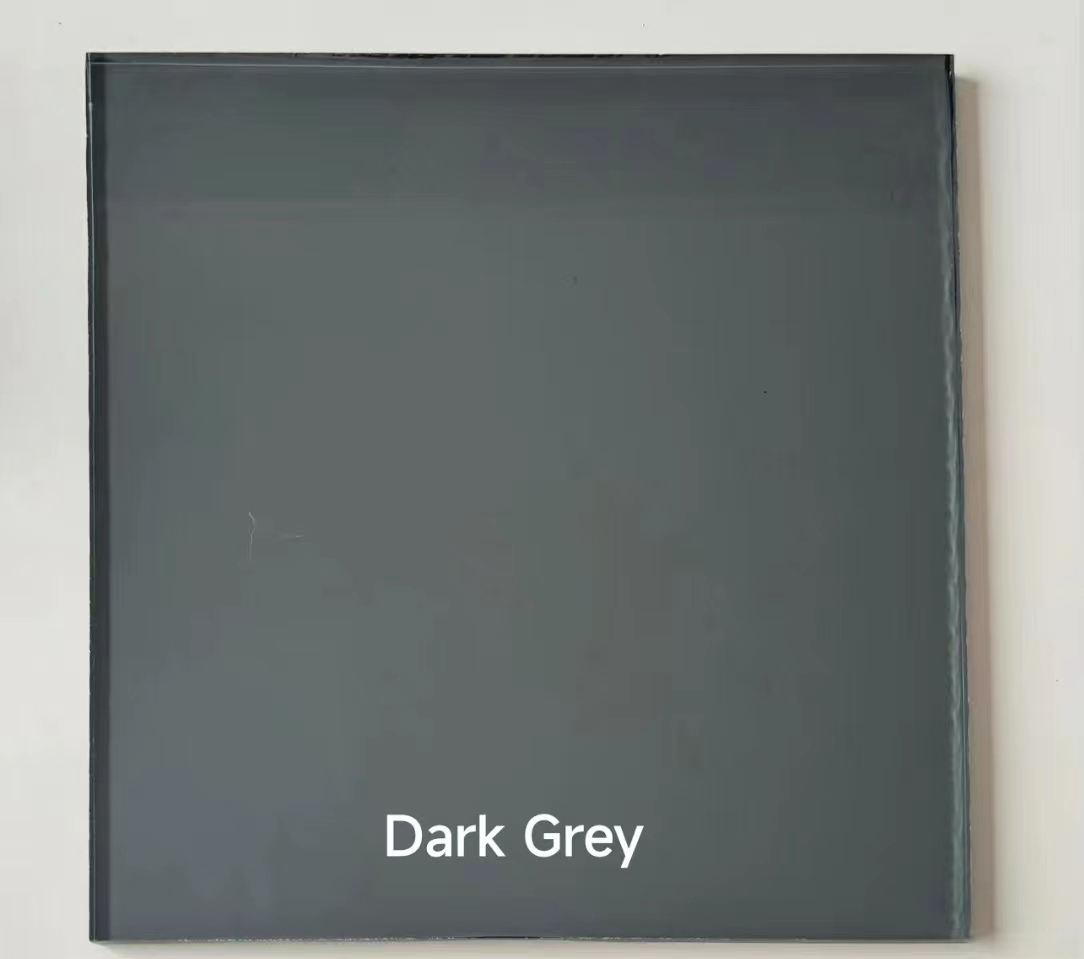
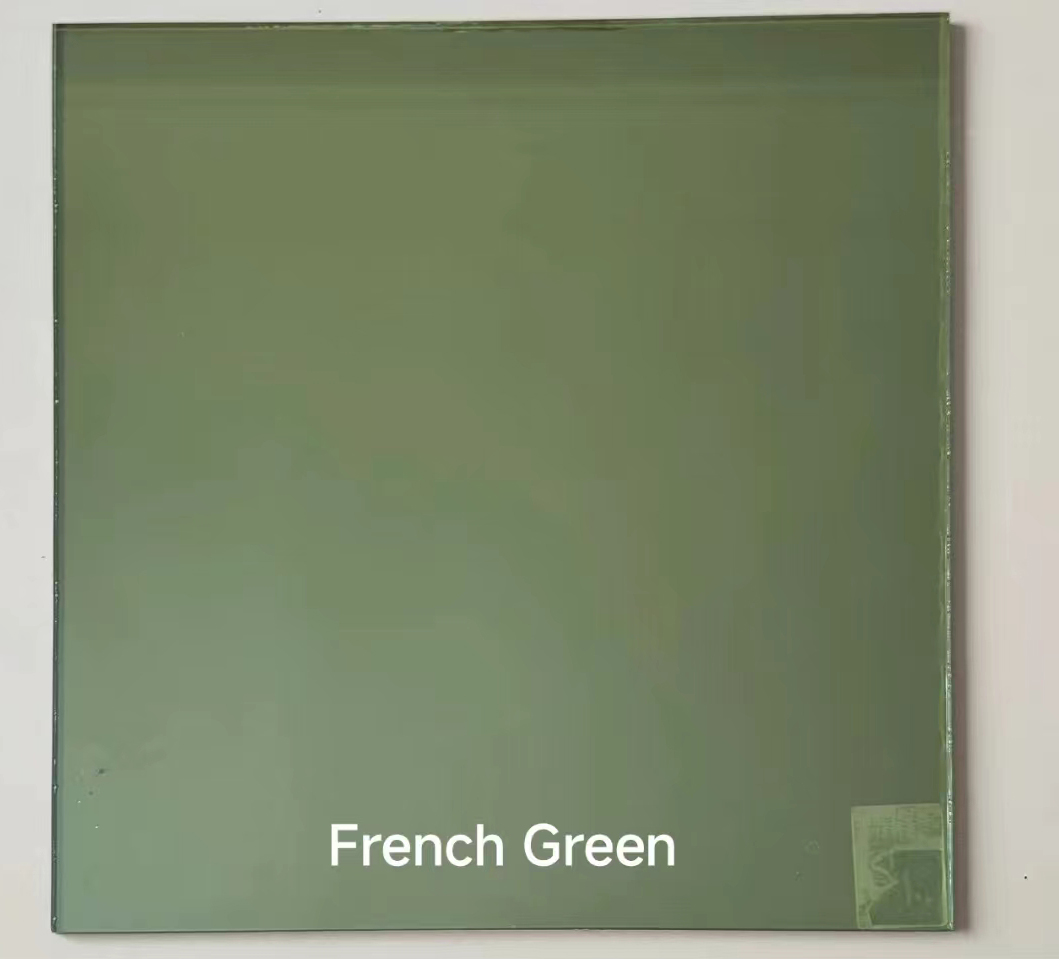
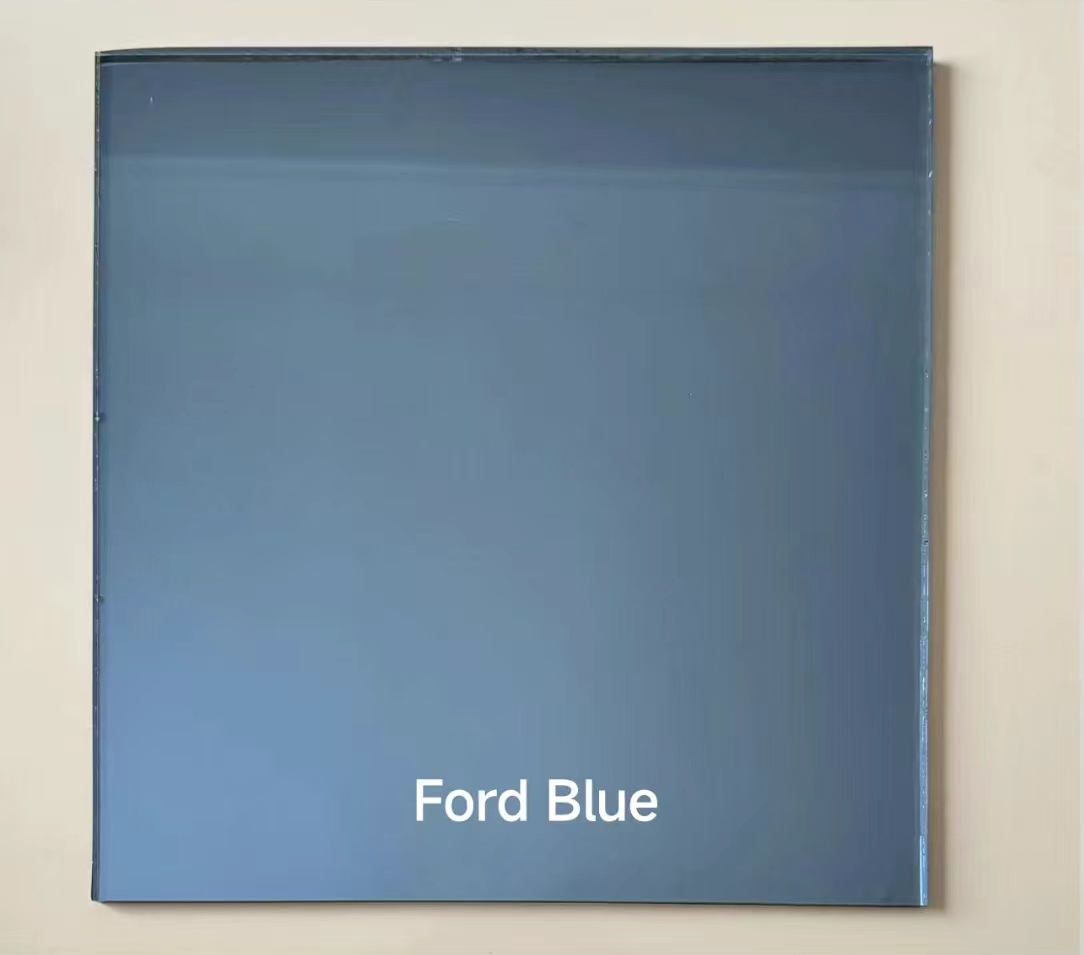
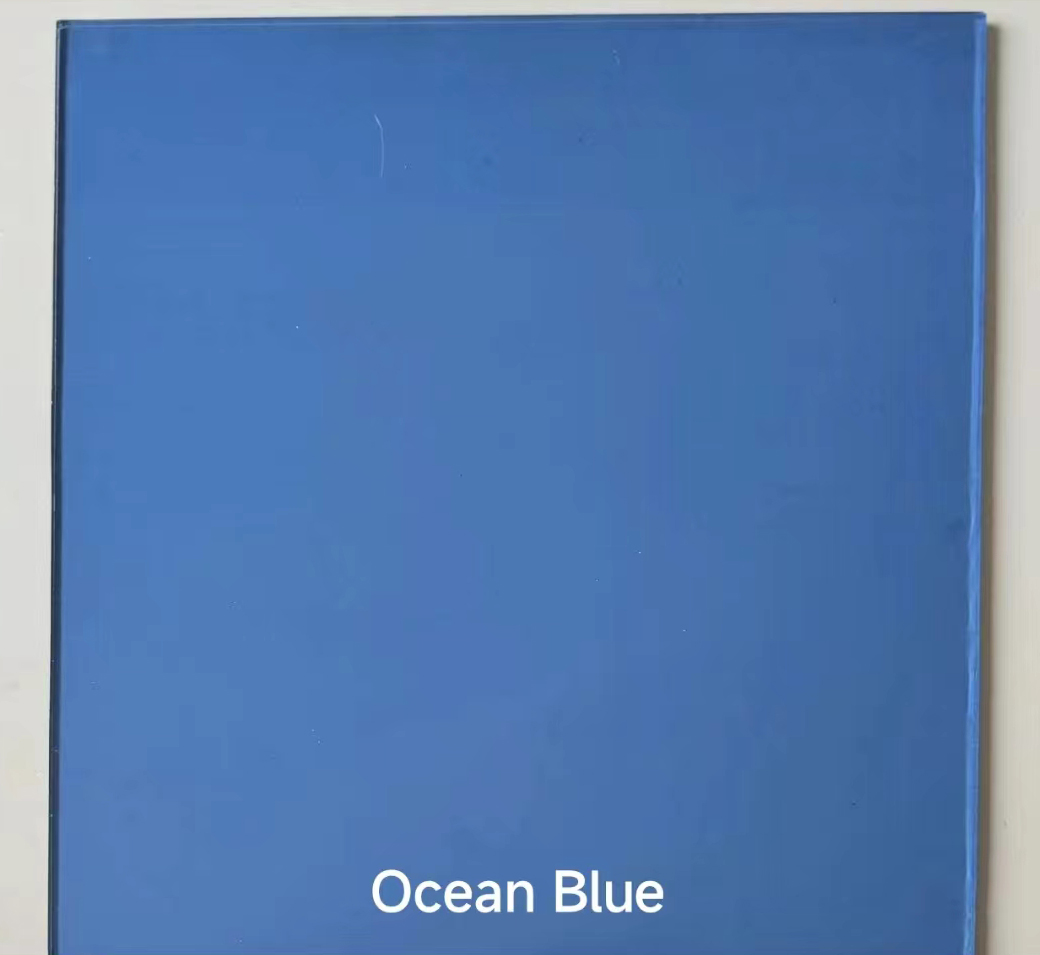
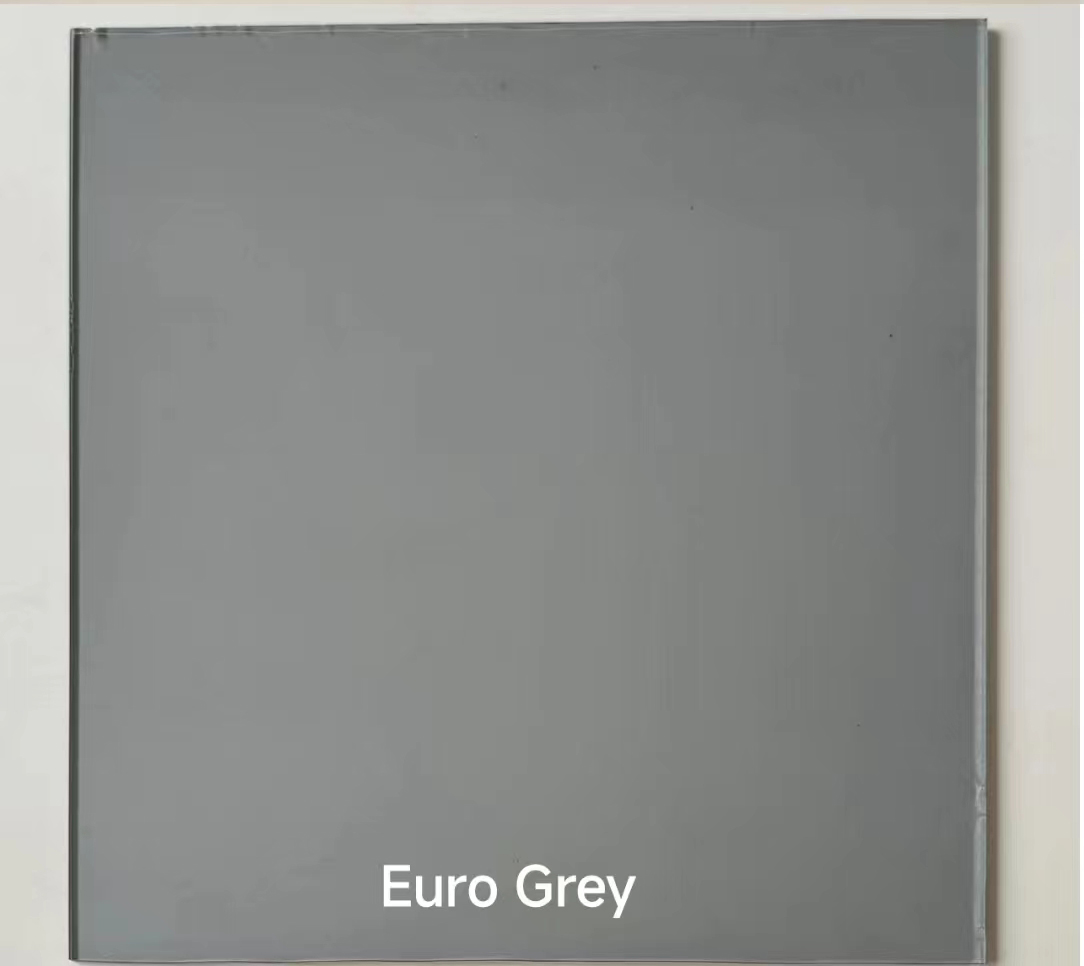
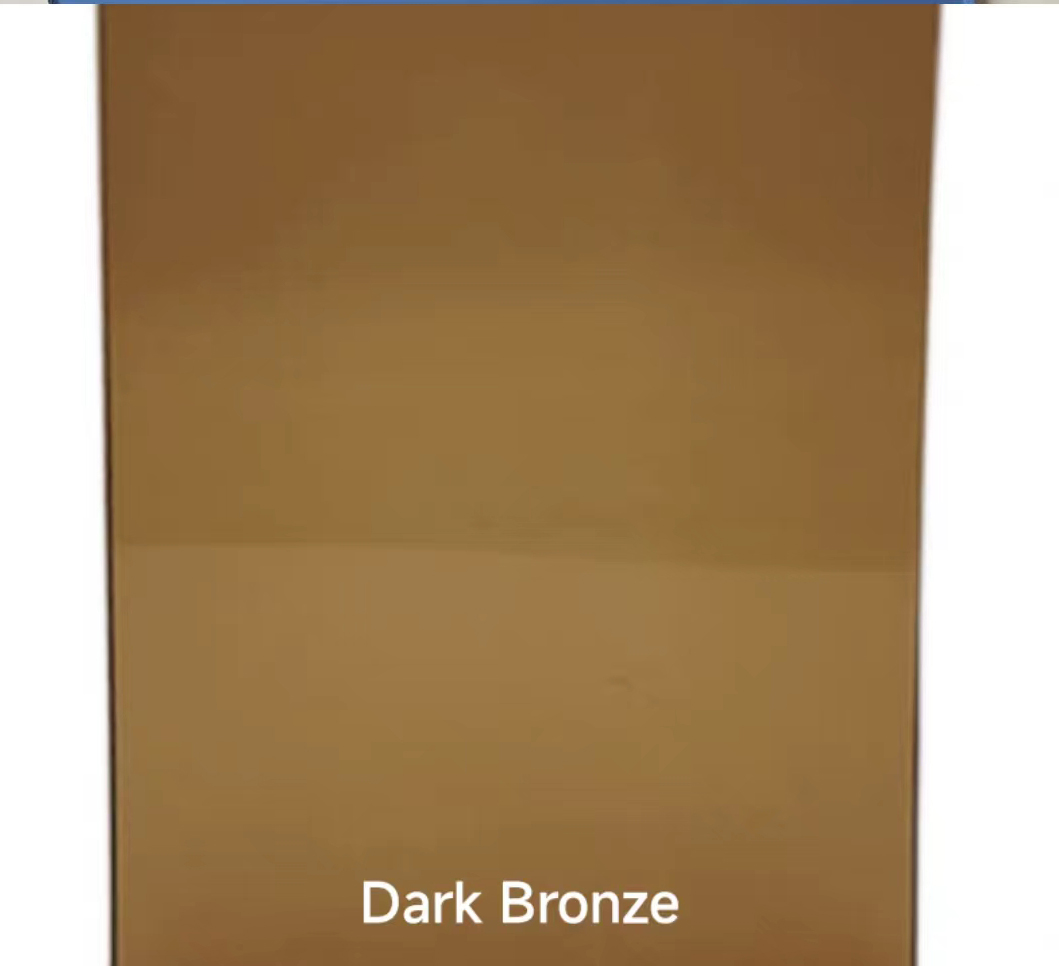
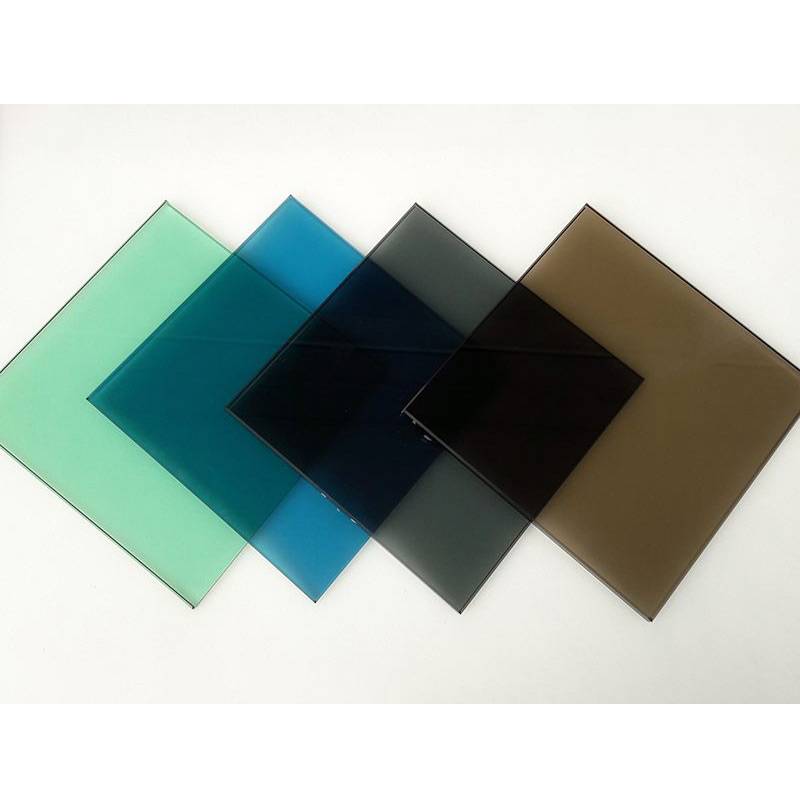
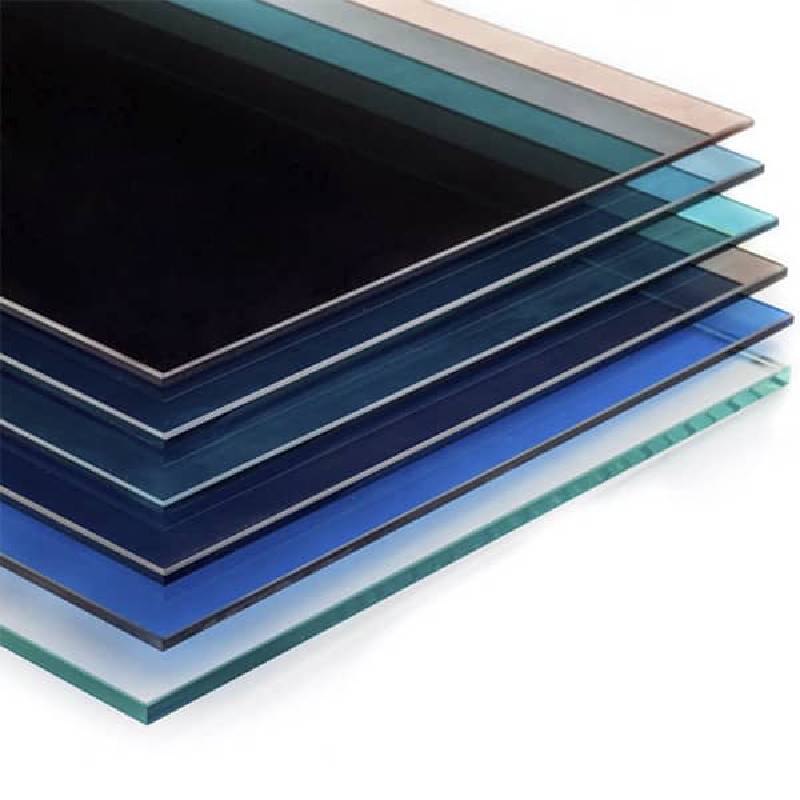
| Color Options | French Green, Dark Green, Mist Grey, Euro Grey, Dark Grey, Light Blue, Lake Blue, Dark Blue, Royal Blue, Ocean Blue, Euro Bronze, Golden Bronze, Pink |
|---|---|
| Thickness | 3mm, 4mm, 5mm, 5.5mm, 6mm, 8mm, 10mm, 12mm, etc. |
| Standard Sizes | 33002140, 36602140, 33002250, 36602250, 33002440, 36602440, 16502140, 16502250, 16502440, 18302140, 18302440, etc. |
Below are images of tinted glass products:
Shahe Top Glass CO., LTD. is a leading manufacturer of tinted glass, offering high-quality products tailored to architectural, automotive, and decorative needs. With a focus on innovation and customer satisfaction, the company ensures durability, aesthetic appeal, and technical excellence in its offerings.
For further information on glass standards, refer to the National Institute of Standards and Technology (NIST).

Shahe City economic Development Zone 32,hebei,P.R .China.

+8618686009698
+8613191439158

eoch@shtopglass.com
jason@shtopglass.com