



When it comes to safety, durability, and versatility in glass applications, fully tempered glass stands as a superior solution. This specialized glass undergoes a heat treatment process that significantly enhances its strength and resistance to breakage. From architectural glazing to automotive components, and even protective screens for electronics, the applications of fully tempered glass are vast. This article will delve into the manufacturing process, key benefits, applications, safety considerations, and quality standards associated with fully tempered glass. Understanding these aspects is crucial for professionals across various industries seeking the best glass solution for their needs.
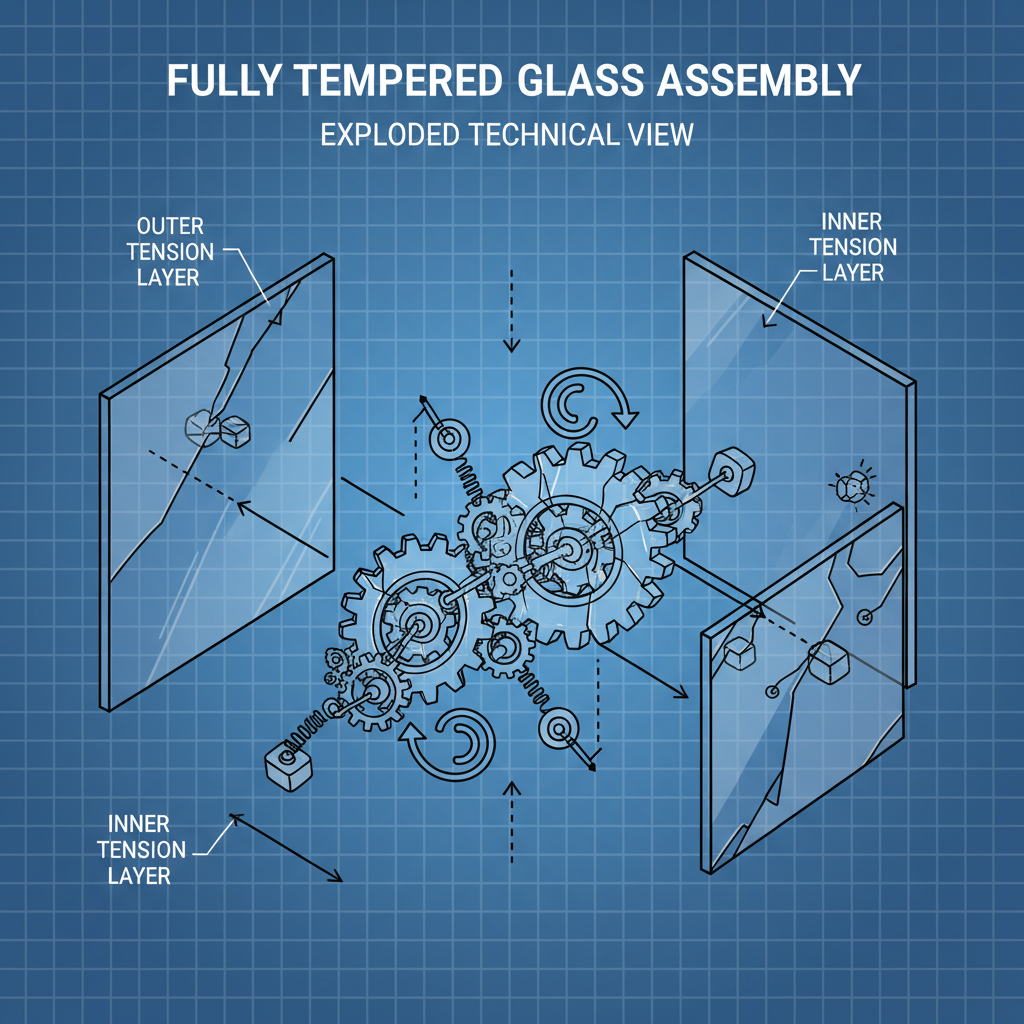
Fully tempered glass, also known as toughened glass, is created through a controlled thermal tempering process. This involves heating the glass to a high temperature (typically around 620-680°C) and then rapidly cooling it. This rapid cooling creates compressive stresses on the surface of the glass, making it significantly stronger than standard annealed glass. When broken, fully tempered glass shatters into small, relatively harmless pieces, reducing the risk of serious injury. The process doesn't change the glass's color, only its physical properties.
The creation of fully tempered glass involves several critical steps. First, the glass is precisely cut to the desired size and shape. Then, it undergoes rigorous cleaning to remove any surface contaminants. The glass is then slowly heated in a tempering furnace to a uniform temperature just below its softening point. Following this, the glass is rapidly cooled using jets of cold air, creating the characteristic compressive stresses. Finally, the tempered glass is inspected for quality and compliance with safety standards. Precision and control throughout this process are paramount to achieving the desired strength and safety characteristics.
Key Manufacturing Stages: Precise cutting, thorough cleaning, controlled heating, rapid cooling, and rigorous quality inspection are vital for producing high-quality tempered glass.
The advantages of using fully tempered glass are numerous. Firstly, it's significantly stronger than annealed glass – approximately four to five times stronger. This enhanced strength makes it ideal for applications requiring high impact resistance. Secondly, it’s much safer: when broken, it fragments into small, blunt pieces, minimizing the risk of severe cuts. Thirdly, it can withstand significant temperature variations without cracking or breaking. Finally, its consistent quality and predictable behavior make it a reliable choice for a wide array of applications. This makes fully tempered glass a preferred choice for safety-critical projects.
Key Benefits:
• Increased Strength & Durability
• Enhanced Safety (Reduced Injury Risk)
• Thermal Stability
• Consistent Quality
Understanding the difference between fully tempered glass and annealed glass is crucial for selecting the right material. Annealed glass is the standard type of glass, cooled slowly to reduce stress. Fully tempered glass, as previously discussed, undergoes a rapid cooling process for increased strength. Here’s a detailed comparison:
The versatility of fully tempered glass lends itself to a wide range of applications. It’s commonly used in shower doors and enclosures, providing safety and durability. In automotive manufacturing, it's used for windshields and side windows, minimizing injury in the event of an accident. Architectural applications include curtain walls, railings, and spandrel panels, offering both aesthetic appeal and structural integrity. Furthermore, it's increasingly used in electronic devices as protective screens for smartphones, tablets, and laptops. TPTopGlass provides solutions tailored to these diverse industries.
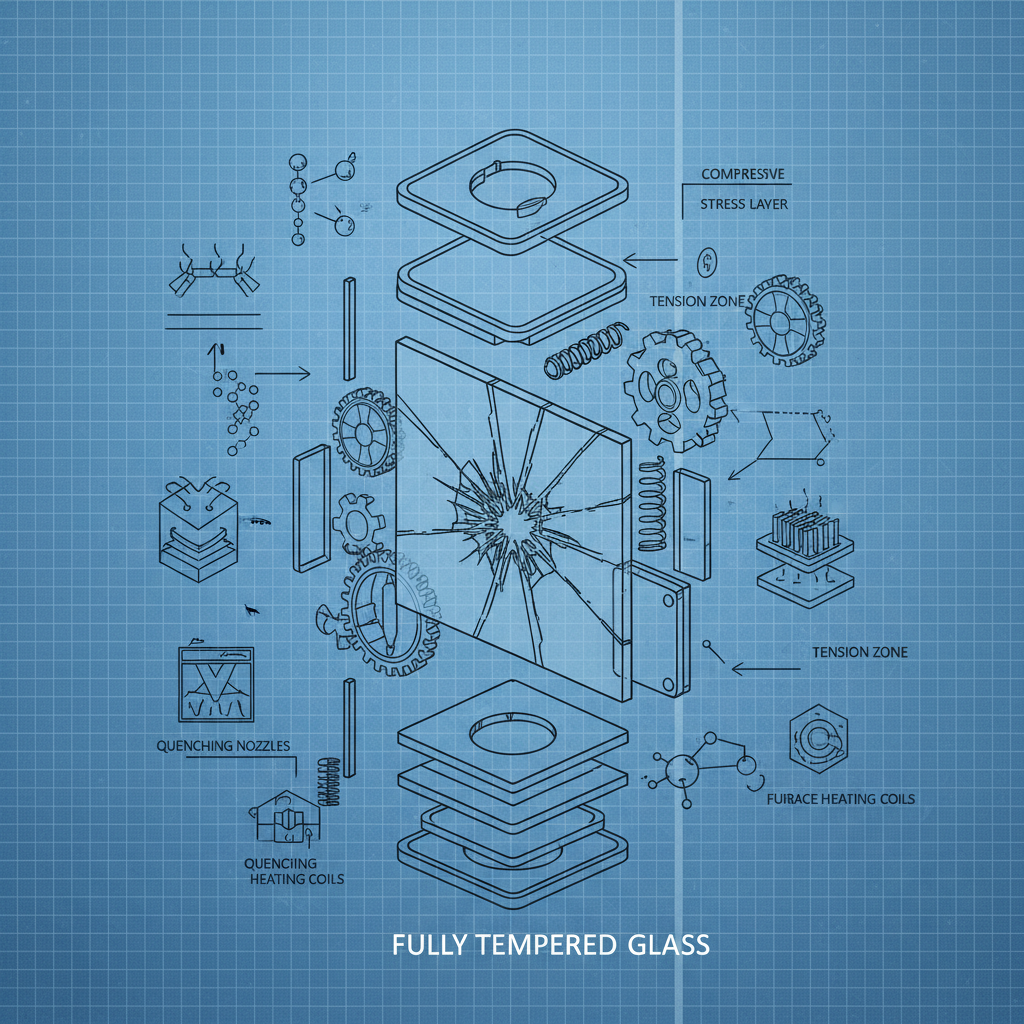
Fully tempered glass must adhere to stringent quality standards to ensure safety and reliability. Key standards include ASTM C1048 and EN 12150. These standards specify testing methods and performance requirements for tempered glass. It’s crucial to verify that the glass you purchase meets these standards. Additionally, proper handling and installation are essential. Avoid scratching or cutting the glass during installation, as this can weaken it. Always use appropriate safety equipment and follow manufacturer’s instructions.
Selecting the right fully tempered glass solution is vital for ensuring safety, durability, and optimal performance. By understanding the manufacturing process, benefits, and quality standards, you can make an informed decision. Partnering with a reputable supplier like TPTopGlass guarantees access to high-quality products and expert guidance. Invest in safety and quality – choose fully tempered glass for your next project.
No, fully tempered glass cannot be cut, drilled, or altered in any way after the tempering process. The tempering process creates internal stresses within the glass. Any attempt to cut or drill the glass will disrupt these stresses, causing it to shatter. Therefore, all cutting, drilling, and other modifications must be completed before the glass undergoes the tempering process. Precise measurements and careful planning are essential to ensure the final product meets your specifications.
Fully tempered glass is widely used in construction for applications requiring safety and durability. Common uses include: storefronts, curtain walls, glass railings, skylights, shower doors, and internal partitions. Its ability to withstand high winds, impacts, and thermal stresses makes it ideal for these applications. Furthermore, its fragmentation pattern minimizes the risk of injury in the event of breakage.
The quality of fully tempered glass directly impacts safety. Poorly tempered glass may not achieve the desired strength and can break more easily. It might also shatter into larger, more dangerous pieces rather than small, blunt fragments. Adhering to recognized standards like ASTM C1048 and EN 12150 is crucial. Proper quality control during manufacturing, including thorough inspections and testing, ensures the glass meets safety requirements and provides reliable protection.
The lead time for custom fully tempered glass varies depending on the size of the order, the complexity of the specifications, and the current production schedule. Generally, a typical lead time is between 1-3 weeks. However, for large or complex orders, it can be longer. It's always best to contact a supplier like TPTopGlass for a precise quote and estimated delivery time.

Shahe City economic Development Zone 32,hebei,P.R .China.

+8618686009698
+8613191439158

eoch@shtopglass.com
jason@shtopglass.com