



Tempered safety glass is a vital material in numerous applications, from automotive windshields to building facades. Its exceptional strength and unique fracture pattern make it a preferred choice where safety is paramount. This article will delve into the intricacies of tempered glass – how it's made, its key benefits, common applications, and important considerations for sourcing high-quality products. We'll also discuss factors affecting its cost and how TP Top Glass can fulfill your tempered glass needs. Choosing the right glass can significantly reduce the risk of injury and enhance the durability of your projects.
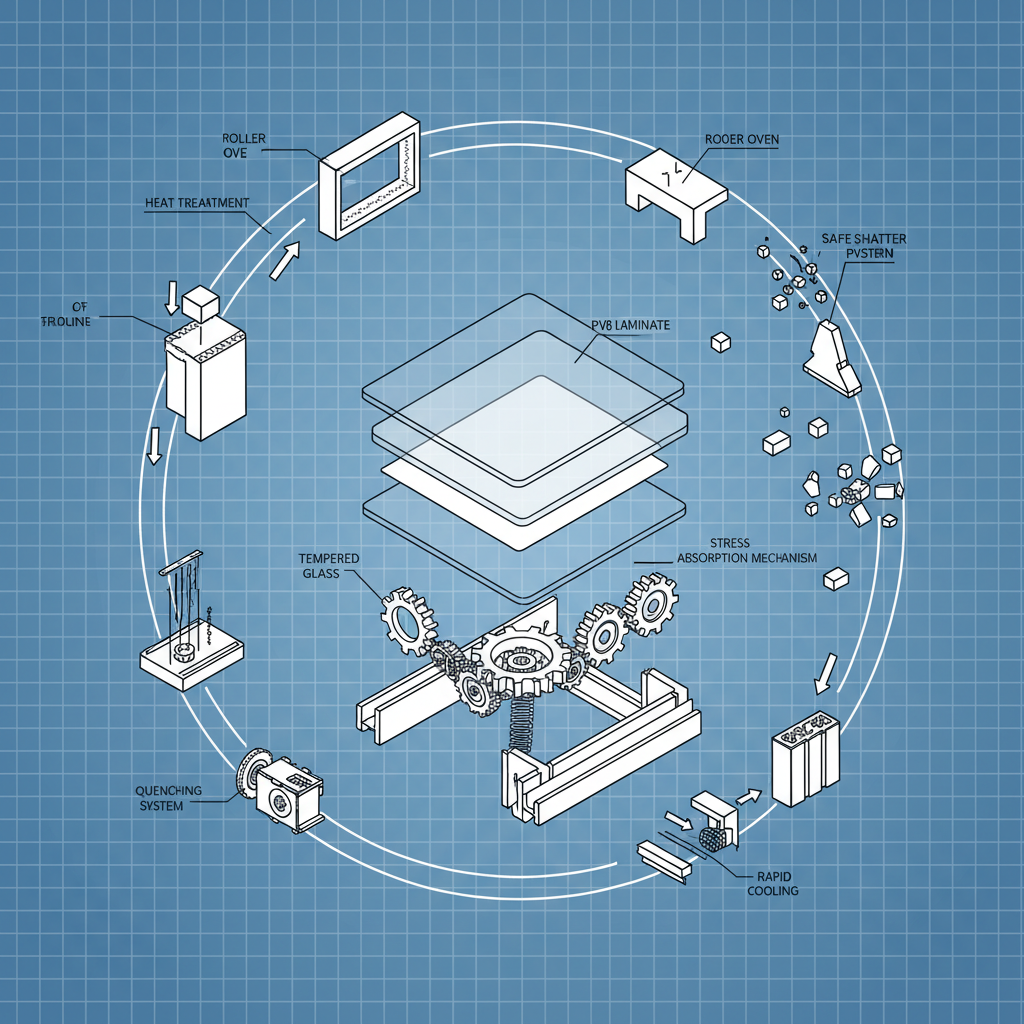
The process of creating tempered safety glass begins with standard annealed glass. This glass is then subjected to a carefully controlled heating and cooling process. First, the glass is heated to approximately 620-680°C (1148-1256°F), reaching a point just below its softening point. This heating stage creates uniform thermal stress. Next, the heated glass is rapidly cooled – typically with jets of cold air – a process known as quenching. This rapid cooling creates a permanent stress pattern within the glass: the surfaces are in compression, while the interior remains in tension. It's this unique stress balance that gives tempered glass its superior strength and distinctive breakage characteristics. When it fractures, it breaks into small, relatively harmless blunt fragments instead of sharp shards.
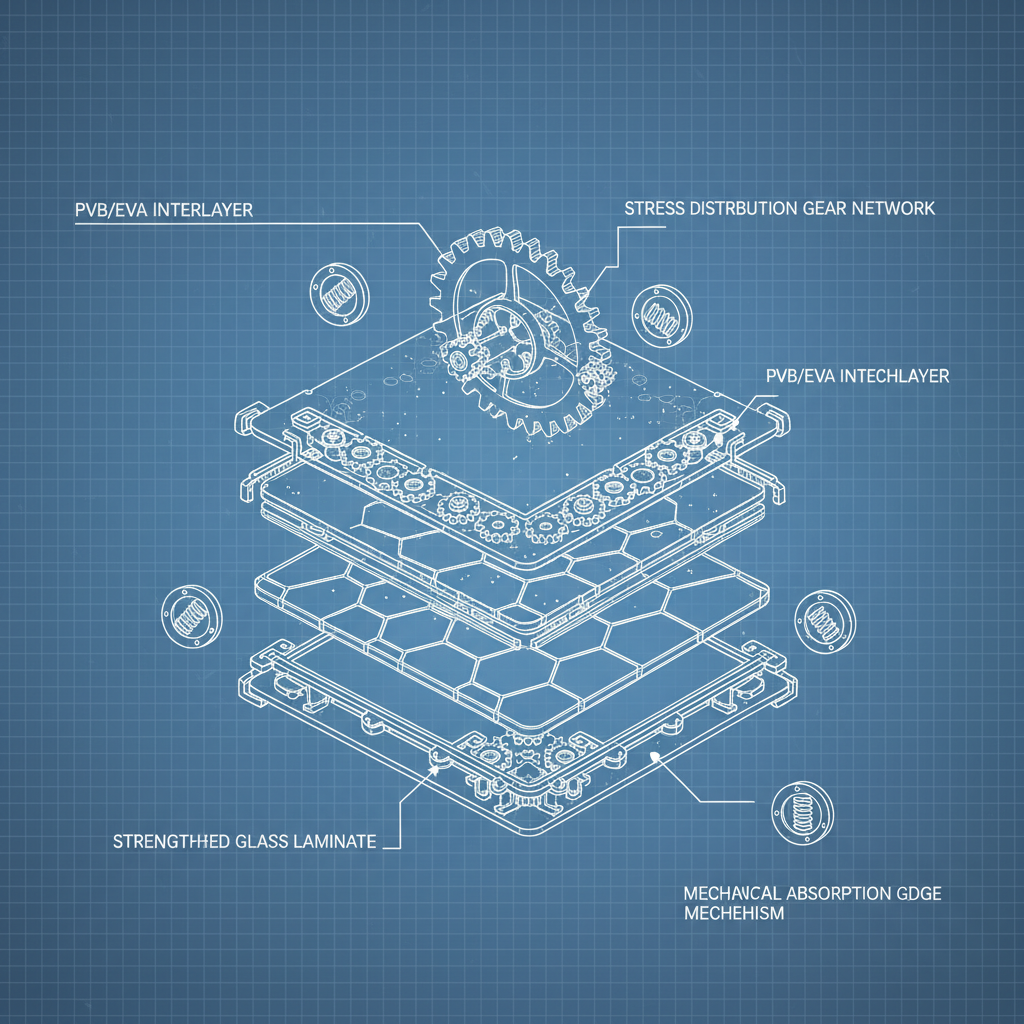
Compared to standard annealed glass, tempered safety glass offers several significant advantages. First and foremost is its increased strength – typically four to five times stronger than annealed glass. This makes it more resistant to breakage from impacts. Secondly, and crucially, its breakage pattern is significantly safer. Instead of breaking into long, jagged shards, tempered glass fractures into small, relatively harmless, cubical fragments. This minimizes the risk of serious injury. Finally, tempered glass can handle higher thermal stress than annealed glass, making it suitable for applications involving temperature fluctuations.
Key Highlights: Increased strength (4-5x stronger than annealed glass), safer breakage pattern (small, blunt fragments), and improved thermal resistance.
The versatility of tempered safety glass makes it ideal for a broad spectrum of applications. In the automotive industry, it’s used for side and rear windows, providing passenger safety in the event of a collision. In construction, it’s commonly found in glass doors, windows, skylights, and curtain walls, enhancing structural integrity and minimizing risk. Other common uses include shower doors, tabletops, railings, and protective barriers. Its ability to withstand high impacts and its safe breakage pattern are critical in these applications. TP Top Glass provides tailored solutions for diverse project requirements.
Common Applications:
• Automotive windows
• Building doors and windows
• Shower doors
• Tabletops
• Railings & Protective Barriers
Understanding the key differences between tempered and annealed glass is essential for making informed decisions. Annealed glass is the standard type of glass, and while suitable for many applications, it lacks the strength and safety features of tempered glass. When annealed glass breaks, it fractures into large, sharp shards, posing a significant risk of injury. Tempered glass, on the other hand, provides superior impact resistance and breaks into small, blunt pieces. Furthermore, tempered glass cannot be cut or drilled after the tempering process, while annealed glass can be easily modified. Selecting the appropriate glass type depends on the specific application and safety requirements.
The cost of tempered safety glass can vary depending on several factors. Thickness is a primary determinant – thicker glass is more expensive. Size and shape also play a role, with larger and more complex shapes requiring more processing. The type of finish (e.g., clear, tinted, coated) will also impact the price. Quantity ordered is another significant factor, as larger orders typically qualify for volume discounts. Finally, transportation costs can contribute to the overall expense. TP Top Glass offers competitive pricing and transparent quotes.
Tempered safety glass is an essential material for any application where safety and durability are paramount. Its superior strength, safe breakage pattern, and thermal resistance make it a superior choice compared to annealed glass. By understanding its properties, applications, and cost factors, you can make informed decisions to ensure the safety and integrity of your projects. TP Top Glass is a trusted provider of high-quality tempered glass, offering tailored solutions to meet your specific needs.
Unfortunately, tempered glass cannot be repaired if chipped. The tempering process creates internal stresses, and any attempt to repair a chip could disrupt these stresses, causing the entire glass panel to shatter. A chipped tempered glass panel should be replaced immediately to avoid unexpected and potentially dangerous breakage. Even small chips can compromise the structural integrity of the glass. It’s crucial to handle tempered glass carefully to prevent chipping or cracking.
Tinted tempered glass is often used in applications where reducing glare and solar heat gain is desired. Common uses include skylights, curtain walls, and windows in buildings with significant sun exposure. It enhances privacy and adds aesthetic appeal while maintaining the safety benefits of tempered glass. The tint color and density can be customized to meet specific architectural requirements and energy efficiency goals.
The production time for tempered glass varies depending on the size, quantity, and complexity of the order. Generally, standard sizes can be tempered within 24-48 hours. Custom sizes, coatings, or large orders may require a longer lead time. TP Top Glass provides accurate lead time estimates upon receiving your order specifications.
When purchasing tempered glass, look for certifications that demonstrate compliance with industry standards, such as the ANSI Z97.1 standard in the United States or the EN 12150 standard in Europe. These certifications verify that the glass has been tested and meets specific requirements for strength, impact resistance, and safety. Reputable suppliers like TP Top Glass will readily provide documentation of these certifications.

Shahe City economic Development Zone 32,hebei,P.R .China.

+8618686009698
+8613191439158

eoch@shtopglass.com
jason@shtopglass.com