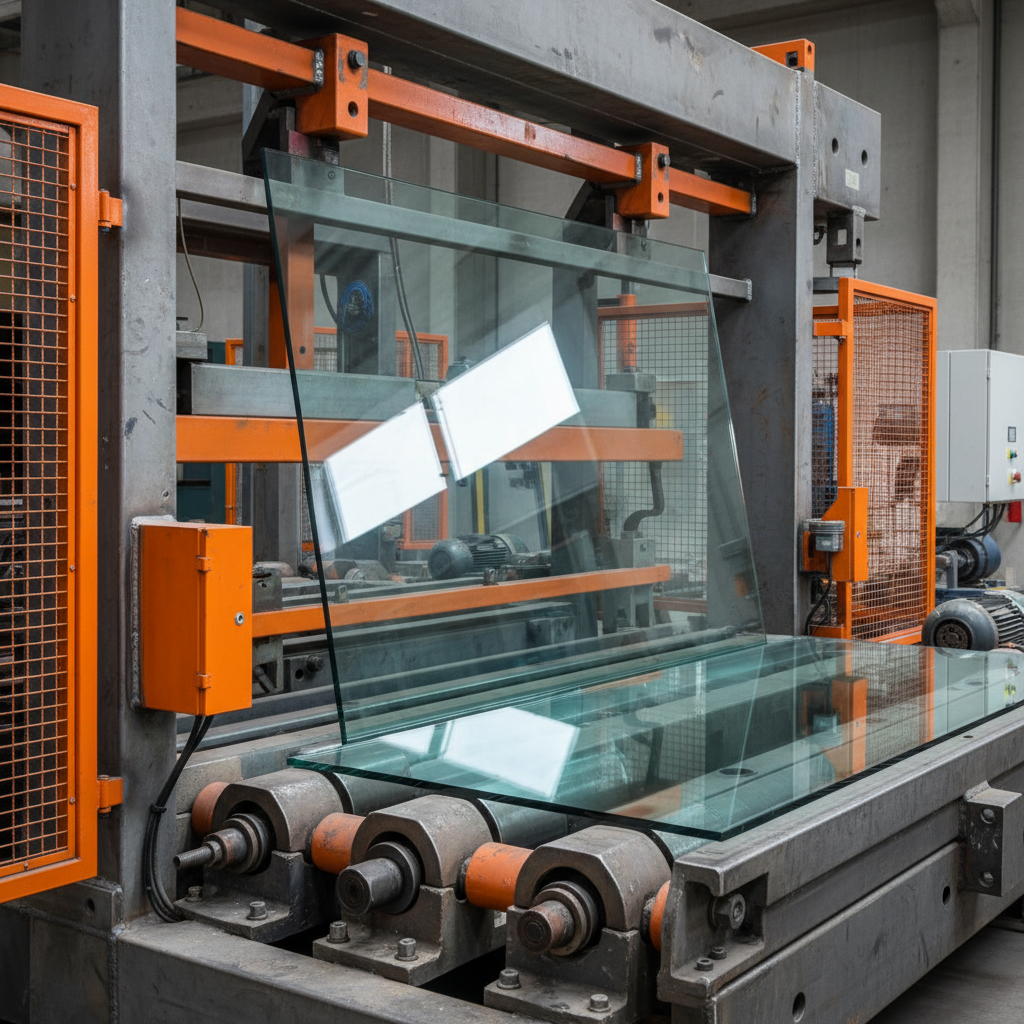
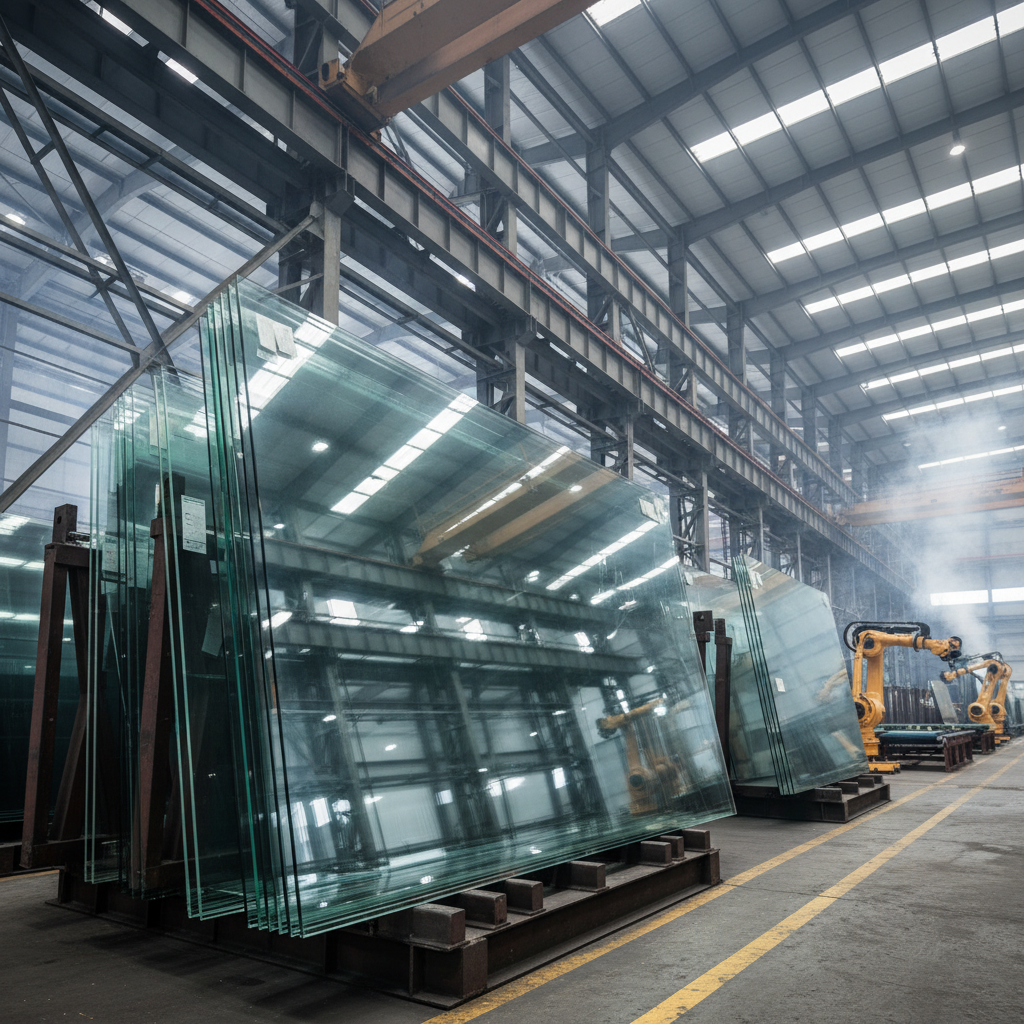
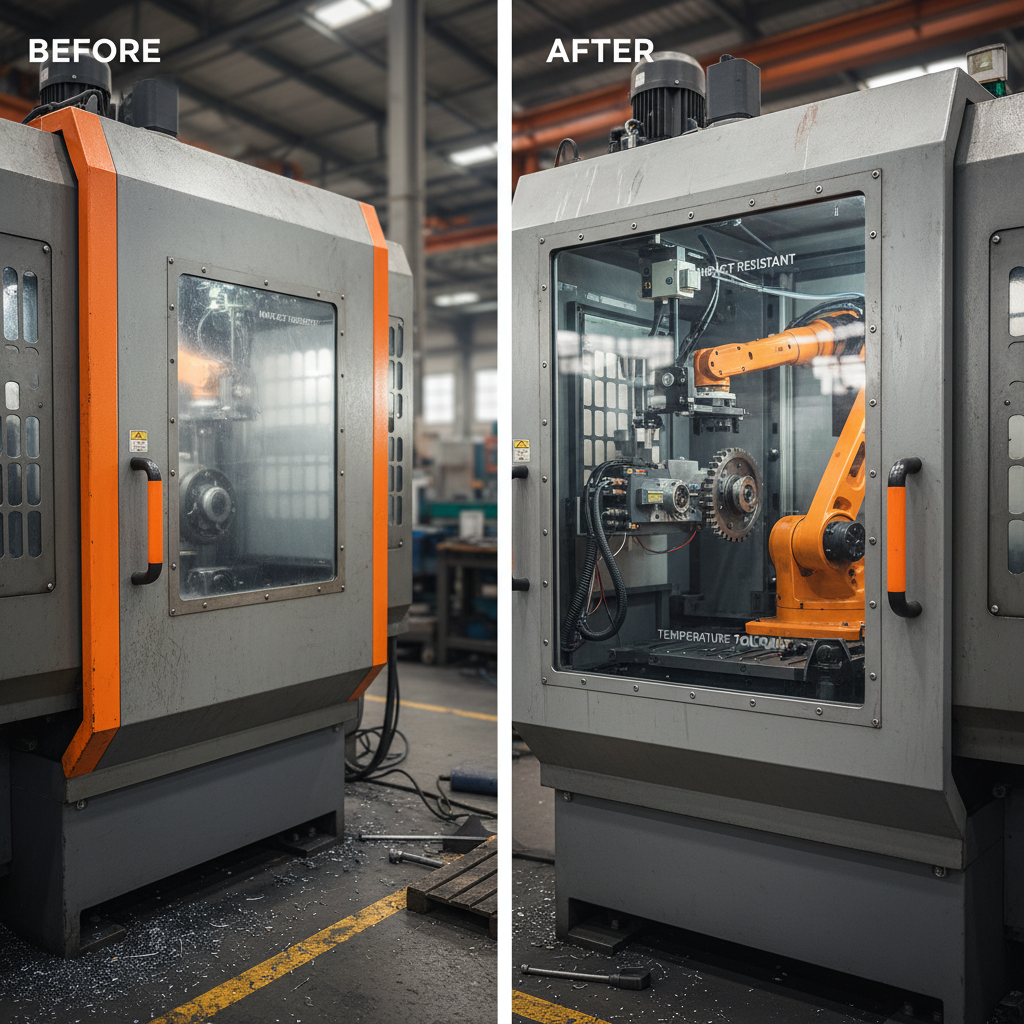
When considering glass for various applications, 2mm float glass stands out as a versatile and cost-effective solution. Known for its clarity, flatness, and consistent thickness, this type of glass is widely used in framing, decorative applications, and various industrial processes. This article will delve into the properties, uses, and advantages of 2mm float glass, providing a comprehensive guide for potential buyers and industry professionals. Choosing the right glass thickness and quality is crucial for project success and longevity. 2mm float glass is manufactured using the float process, where molten glass is floated on a bed of molten tin. This process yields a perfectly flat, uniform sheet of glass with minimal imperfections. The resulting glass is renowned for its excellent optical quality and smooth surfaces. The "2mm" refers to the thickness of the glass, making it lighter and more flexible than thicker alternatives. It’s a preferred choice when weight is a concern or when the glass needs to be easily cut and shaped. The versatility of 2mm float glass lends itself to a wide array of applications. It’s a common choice for picture framing due to its clarity and lightweight nature, allowing artwork to be displayed without distortion.
19mm float glass is a premium glass option known for its exceptional strength, clarity, and versatility. Widely used in architectural projects, automotive applications, and specialized industrial solutions, understanding its characteristics is crucial for making informed decisions. This article provides a comprehensive guide to 19mm float glass, covering its properties, applications, manufacturing, and where to source high-quality glass. We'll explore why its increased thickness provides benefits beyond standard float glass, and how it meets rigorous safety and performance requirements. Float glass is manufactured through a process where molten glass is floated on a bed of molten tin, resulting in a perfectly flat and smooth surface. The ‘19mm’ refers to the glass thickness. Increasing the thickness to 19mm significantly enhances its strength, impact resistance, and acoustic insulation properties. This makes it ideal for applications where safety and performance are paramount.
15mm float glass is a versatile and robust material utilized in a wide range of applications, from construction to furniture. Its increased thickness provides enhanced strength, safety, and sound insulation compared to standard float glass. This article will delve into the properties, benefits, and common uses of 15mm float glass, providing a comprehensive overview for architects, designers, and anyone seeking a durable glass solution. Choosing the right glass thickness is crucial for your project's success, and we'll explore why 15mm might be the ideal choice. Float glass is manufactured by floating molten glass on a bed of molten tin, resulting in a perfectly flat and smooth surface. The "15mm" refers to its thickness, measured in millimeters. This increased thickness significantly enhances the glass’s structural integrity, making it more resistant to breakage and impact. Tptop Glass provides high-quality 15mm float glass tailored to meet diverse project requirements. The manufacturing process ensures consistent quality and minimal distortion, crucial for applications demanding clarity and precision.
12mm float glass is a versatile and robust material widely used in a range of applications, from architectural glazing to furniture design. Its increased thickness provides enhanced strength, stability, and safety compared to standard float glass. This article will explore the key characteristics of 12mm float glass, its diverse applications, and the benefits it offers to both residential and commercial projects. We will cover topics such as its production process, specifications, safety features, and cost considerations, helping you make informed decisions for your glazing needs. The production of 12mm float glass is a sophisticated process ensuring high quality and consistent thickness. It begins with carefully selected raw materials, including silica sand, soda ash, and limestone. These materials are melted at extremely high temperatures (around 1500°C) in a continuous flow process. The molten glass is then ‘floated’ on a bed of molten tin, creating a perfectly flat and uniform surface.
Colored float glass is a stunning and versatile material finding increasing application in architecture, interior design, and various industrial sectors. Its inherent strength, clarity, and ability to be customized with a vast array of colors make it a highly sought-after product. At Tptopglass, we specialize in the production and supply of high-quality colored float glass to meet diverse client needs globally. This article will explore the benefits, applications, manufacturing process, and the growing market trends surrounding this captivating glass type. Colored float glass provides several key advantages over traditional clear glass. Beyond its aesthetic appeal, it offers improved solar control, reducing glare and heat gain within buildings. This leads to lower energy consumption and increased comfort.
Horticultural float glass is a specialized type of glass engineered to optimize light transmission and thermal performance for greenhouses, conservatories, and other horticultural structures. Unlike standard glass, it's designed to create the ideal growing environment for plants, promoting healthy growth and maximizing yields. This article will explore the key features, advantages, applications, and considerations when choosing horticultural float glass for your project. It's a crucial investment for any serious grower looking to elevate their operation. The core benefit of horticultural float glass lies in its high light transmittance. Specifically formulated to allow a greater percentage of the sun's beneficial rays to reach plants, it promotes photosynthesis and robust growth. Furthermore, it's often treated with anti-reflective coatings to minimize glare and maximize light diffusion, ensuring even illumination across the growing area. Different types also offer varying degrees of thermal insulation, helping to retain heat during colder months and reduce energy costs.
In the world of glass manufacturing, coated float glass represents a significant advancement. It's more than just transparent material; it's engineered for performance, energy efficiency, and aesthetics. This article will provide a comprehensive overview of coated float glass, exploring its production, various types of coatings, applications across diverse industries, and the benefits it offers compared to standard float glass. We'll also delve into how Tptopglass delivers high-quality coated glass solutions. Float glass, the fundamental building block, is produced through a process where molten glass is floated on a bed of molten tin, creating a perfectly flat surface. Coated float glass takes this base material and applies one or more thin metallic or metallic oxide layers to its surface. These coatings are deposited using techniques like Magnetron Sputtering Vacuum Deposition (MSVD), which ensures even and durable application. The resulting product boasts enhanced properties tailored to specific needs.
Float glass, a cornerstone of modern construction and design, has revolutionized the glass industry. Produced through a fascinating process, this versatile material offers exceptional clarity, flatness, and consistency. This article will delve into the manufacturing process, key properties, diverse applications, and current market trends surrounding float glass. Whether you’re an architect, contractor, or simply curious about this ubiquitous material, we’ll provide a comprehensive overview. Explore the extensive range of float glass products available at TPTopGlass, a leading supplier in the industry. The float glass process, patented by Pilkington in the 1950s, remains the industry standard. Molten glass, carefully controlled for temperature and composition, is poured onto a bath of molten tin. Because glass and tin don't mix, the glass ‘floats’ on the tin surface, resulting in a perfectly flat and uniform sheet. As the glass travels along the bath, it slowly cools, solidifying into a flawless product. The cooled glass is then cut, inspected, and prepared for distribution.
Float glass is a cornerstone material in countless applications, from windows and doors to automotive glass and decorative features. But not all float glass is created equal. Different manufacturing processes and treatments yield diverse properties, making specific types ideal for particular uses. This article will explore the primary types of float glass available, their unique characteristics, and common applications, helping you make informed choices for your projects. Understanding these variations is crucial for achieving optimal performance and aesthetic results. Standard clear float glass is the most common type, representing the baseline for many glass products. It's produced by floating molten glass on a bed of molten tin, resulting in a remarkably flat and uniform surface. This process eliminates the waviness often found in older glass manufacturing techniques. Clear float glass offers excellent light transmission and is typically used in windows, mirrors, and general glazing applications.