Glass fusing is a captivating process where different pieces of glass are melted together in a kiln to create a single, cohesive piece of art or functional ware. To achieve professional results without bubbles or cracking, the choice of material is critical. Using specialized float glass for fusing ensures that the glass has the correct coefficient of expansion (COE), which prevents stress fractures during the cooling process. Whether you are a seasoned artisan or a commercial manufacturer, understanding the nuances of float glass can elevate the quality and durability of your creations.
In the modern architectural and industrial landscape, the demand for high-precision, crystal-clear glass is higher than ever. float flat glass has become the global standard for producing high-quality panes that offer exceptional clarity and uniformity. Whether it is used in towering skyscrapers or domestic windows, this material provides the perfect balance of aesthetics and structural integrity. In this comprehensive guide, we will explore how this glass is manufactured, its key advantages, and why choosing a professional supplier is critical for your next project.
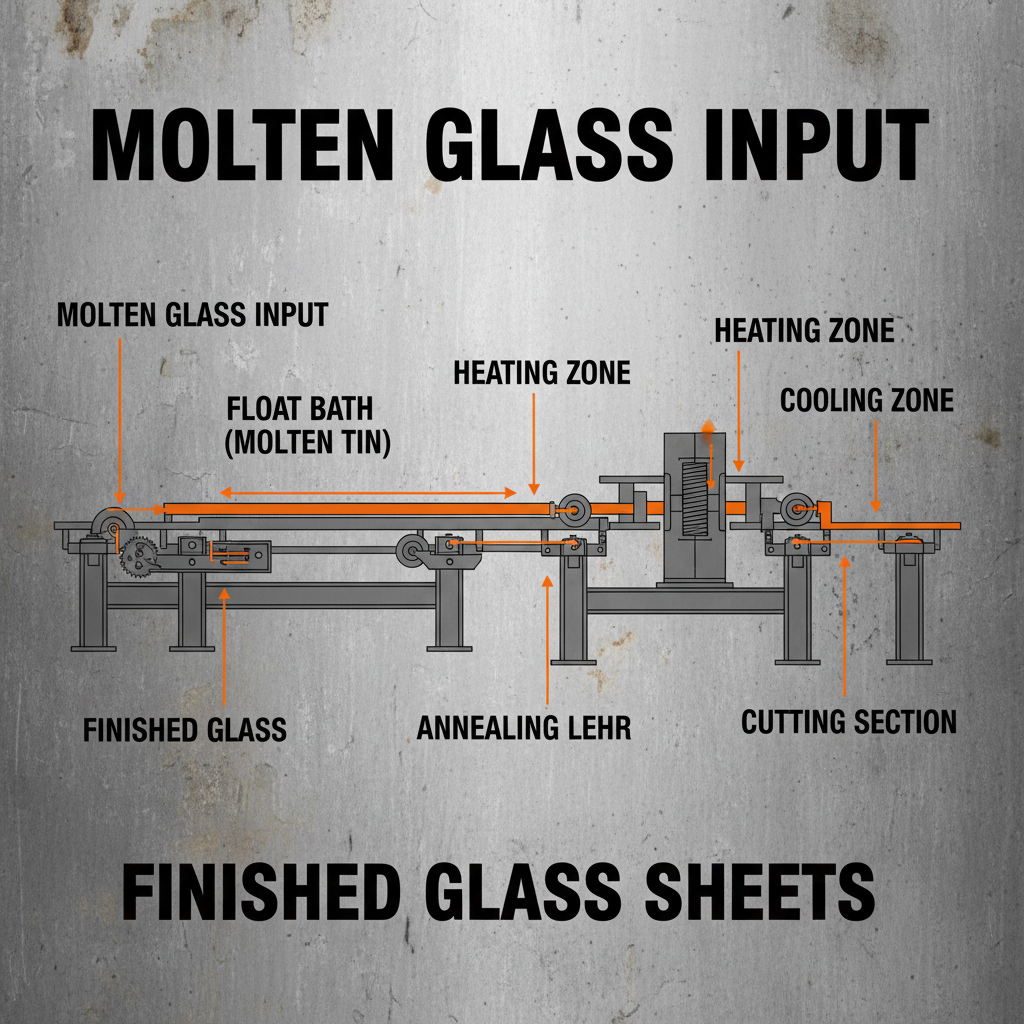
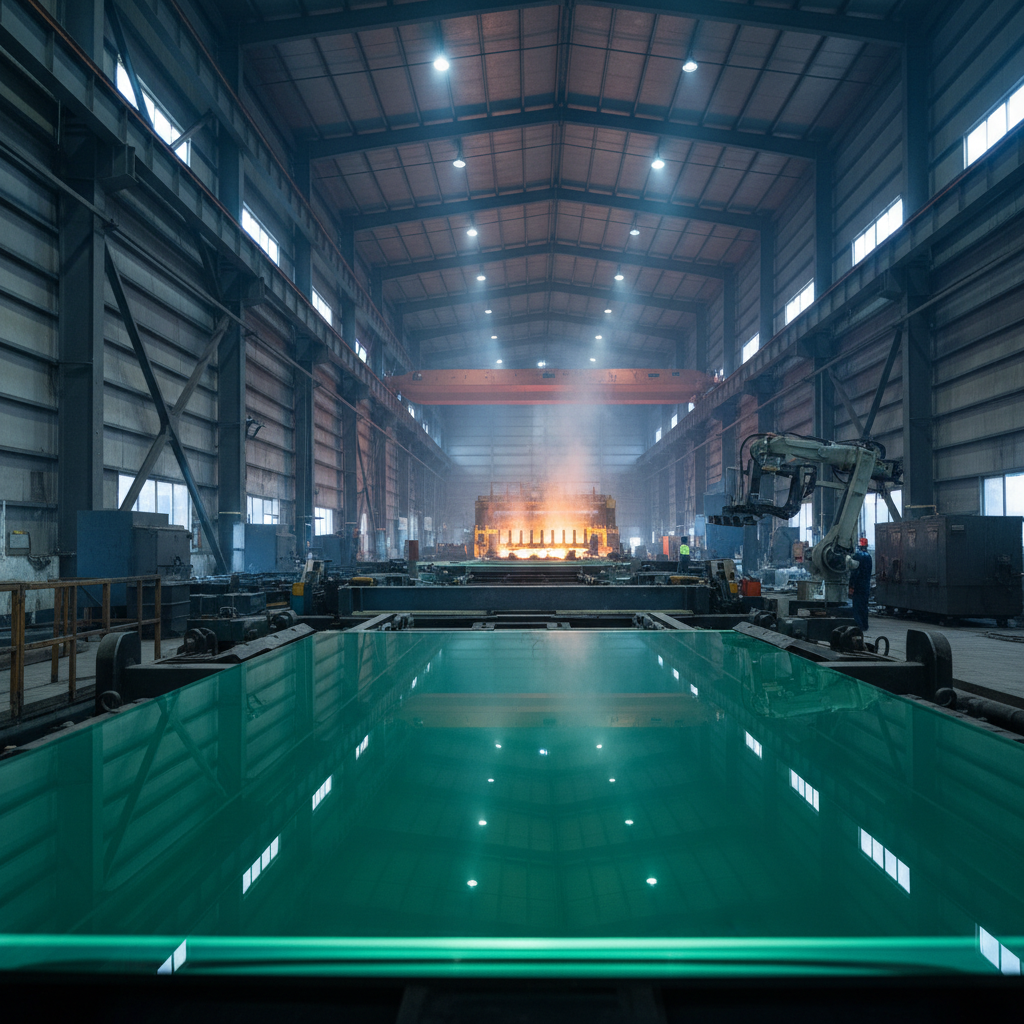
In the world of glass manufacturing, specialized techniques create products with unique properties. Float bath glass is a critical process resulting in high-quality, flat glass used in numerous industries. This article will explore the float glass process, its advantages, key applications, and what makes it a preferred choice for architects, manufacturers, and more. Understanding the nuances of this process can help you make informed decisions about your glass needs.
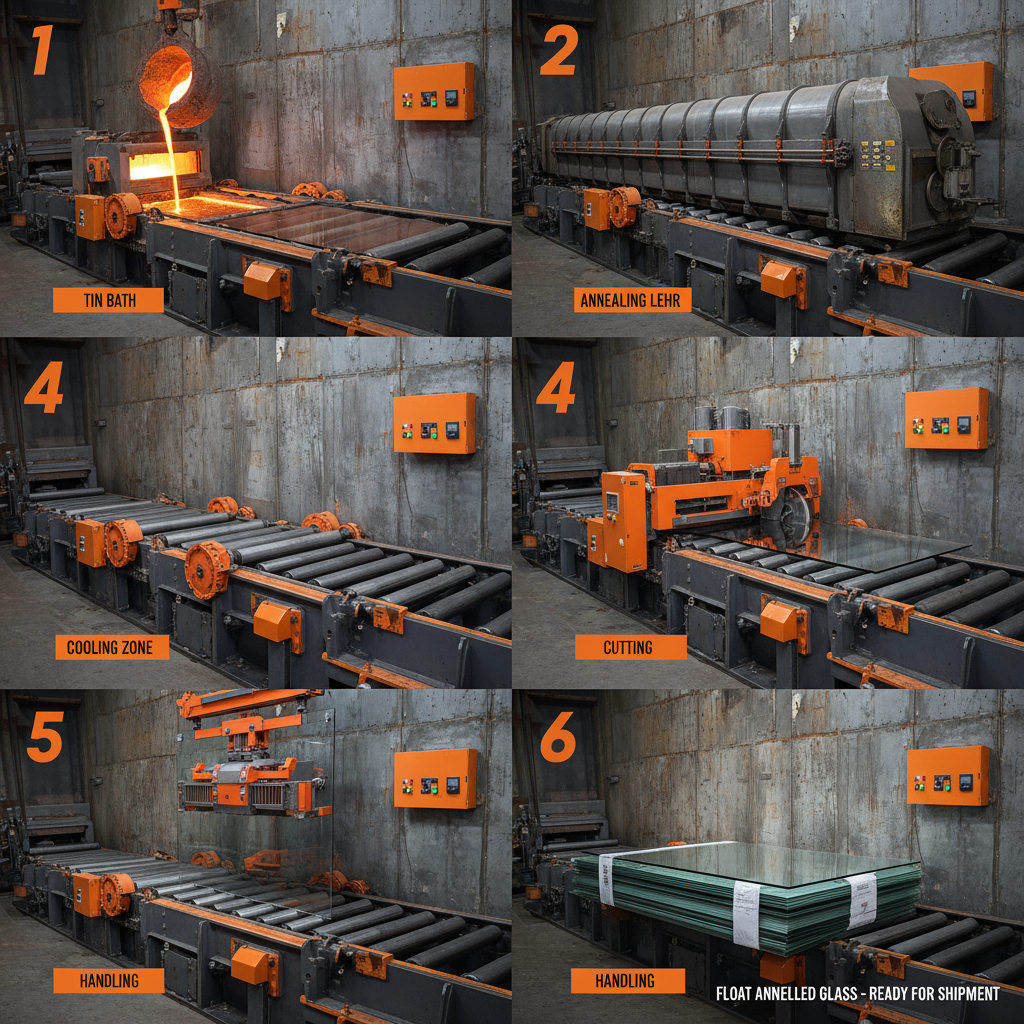
Float annealed glass is a fundamental material used in countless applications, from windows and doors to automotive components and furniture. It's known for its clarity, affordability, and versatility. This article will delve into the intricacies of float annealed glass, exploring its production process, key properties, diverse applications, and why it remains a preferred choice for many industries. We'll cover everything you need to know, ensuring you understand the advantages of this ubiquitous material.
Eastern float glass represents a significant advancement in glass manufacturing, offering superior quality and versatility for a wide range of applications. Produced using the float process, this type of glass is renowned for its clarity, flatness, and consistency. This article will delve into the characteristics of eastern float glass, its manufacturing process, diverse applications, and why Tptopglass is a trusted supplier. Understanding the nuances of float glass is crucial for architects, builders, and manufacturers alike.
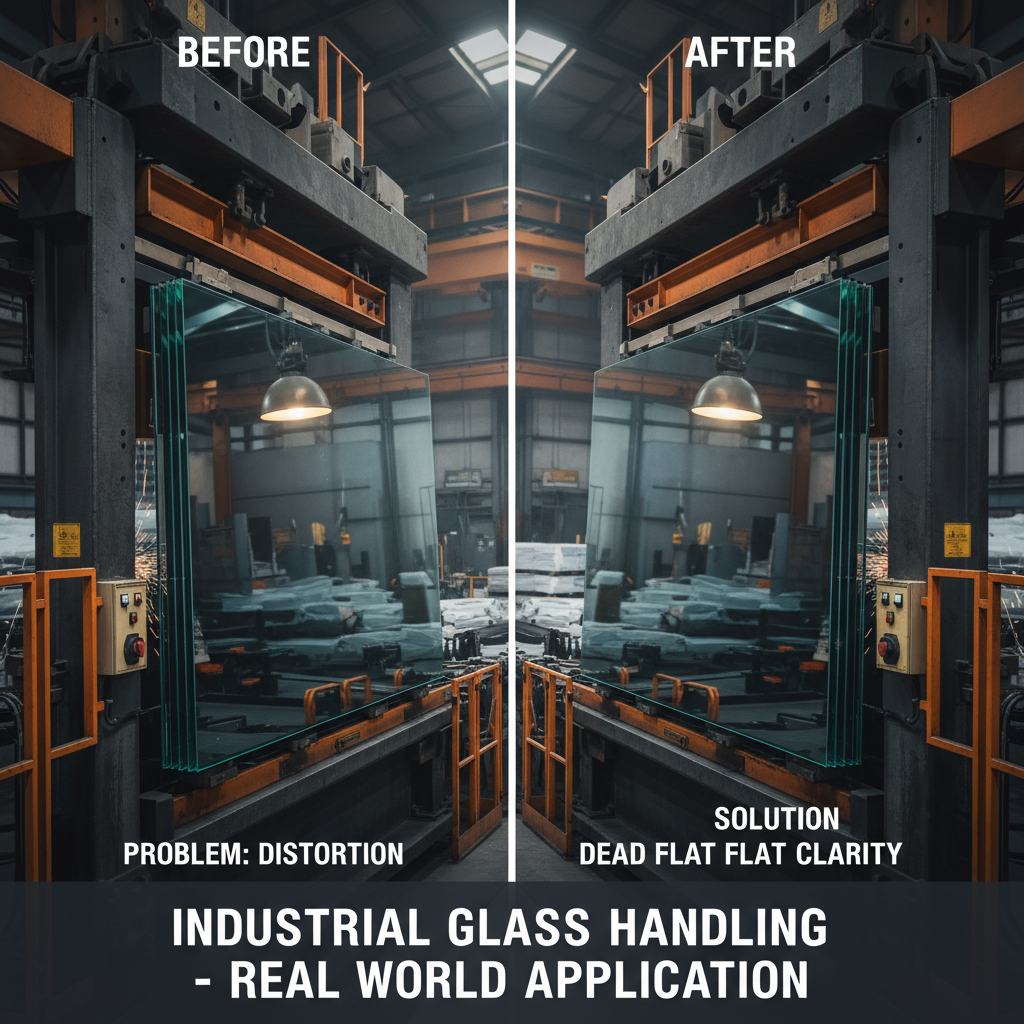
Dead flat float glass is a specialized type of glass renowned for its exceptional flatness and clarity. Unlike standard float glass, it undergoes additional processing to minimize any waviness or distortion, making it ideal for applications requiring precise optical quality or a visually seamless surface. This article will explore the manufacturing process, key characteristics, diverse applications, and benefits of choosing dead flat float glass for your projects.
Grey float glass is a versatile material increasingly sought after in modern architecture and interior design. Its subtle tint offers both aesthetic appeal and functional benefits, including solar control and enhanced privacy. This article provides an in-depth look at grey float glass, covering its manufacturing process, key properties, diverse applications, and how to source high-quality glass from a reliable supplier like TP Top Glass. We’ll explore why choosing the right grey float glass is crucial for any project. Grey float glass is produced using the same fundamental process as clear float glass, but with the addition of controlled amounts of metal oxides – typically iron oxide – during the melting stage. The molten glass is then floated on a bed of molten tin, creating a perfectly flat surface. The amount of iron oxide determines the intensity of the grey tint. Precise control over this process is essential to achieve consistent color and quality. Different manufacturers employ slightly different techniques, impacting the final product’s properties. The quality of the raw materials used also plays a significant role in the glass’s clarity and strength.
Green float glass is a foundational material in countless applications, from architectural marvels to everyday household items. Its unique properties – clarity, strength, and affordability – make it a staple in the modern world. At Tptopglass, we specialize in providing high-quality green float glass solutions tailored to a wide range of client needs. This article will explore the characteristics of green float glass, its diverse applications, manufacturing process, common specifications, and the advantages of choosing Tptopglass as your supplier. We'll delve into why this ubiquitous glass type continues to be a preferred choice for projects across various industries. Green float glass is manufactured using the float process, where molten glass is floated on a bed of molten tin. This creates a perfectly flat surface with consistent thickness. The characteristic green tint arises from the presence of iron oxide impurities within the glass composition. While sometimes considered a drawback, this tint also offers a degree of solar control by reducing glare and UV light transmission.
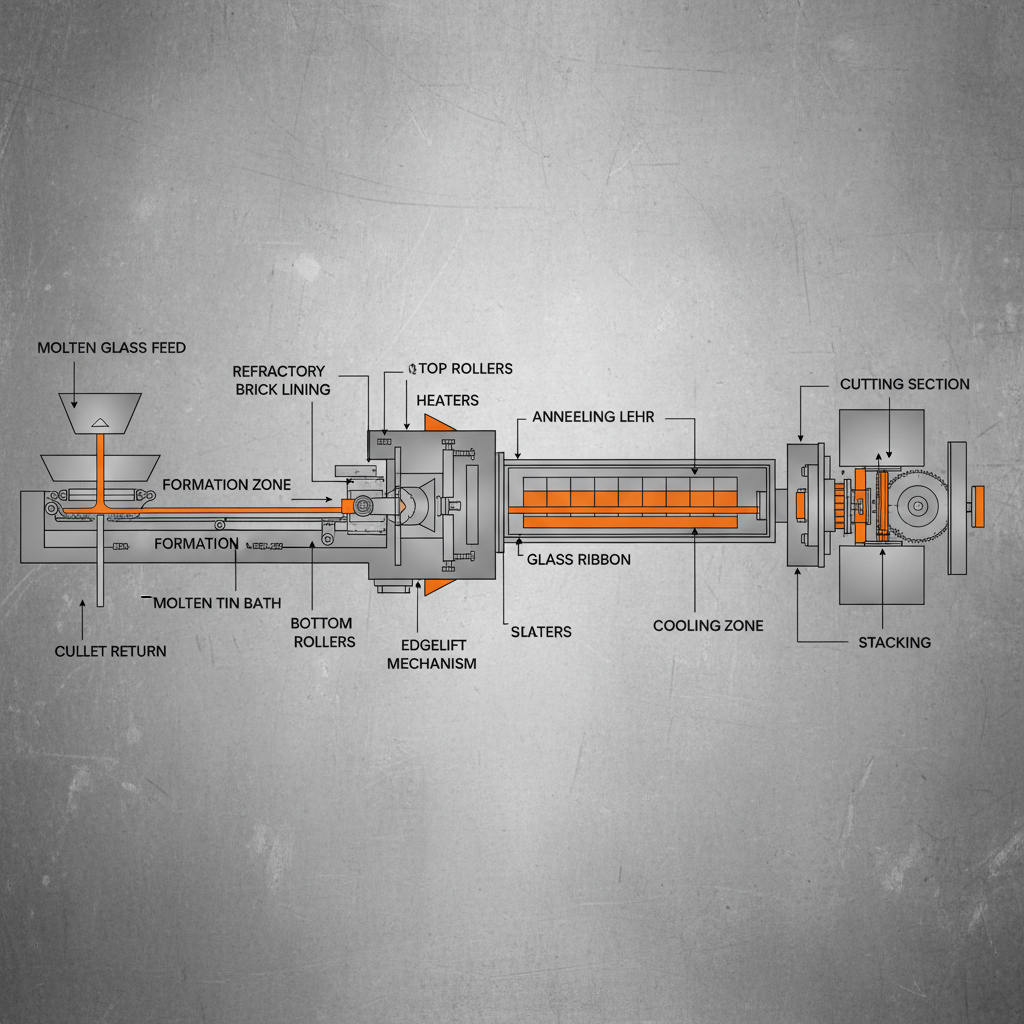
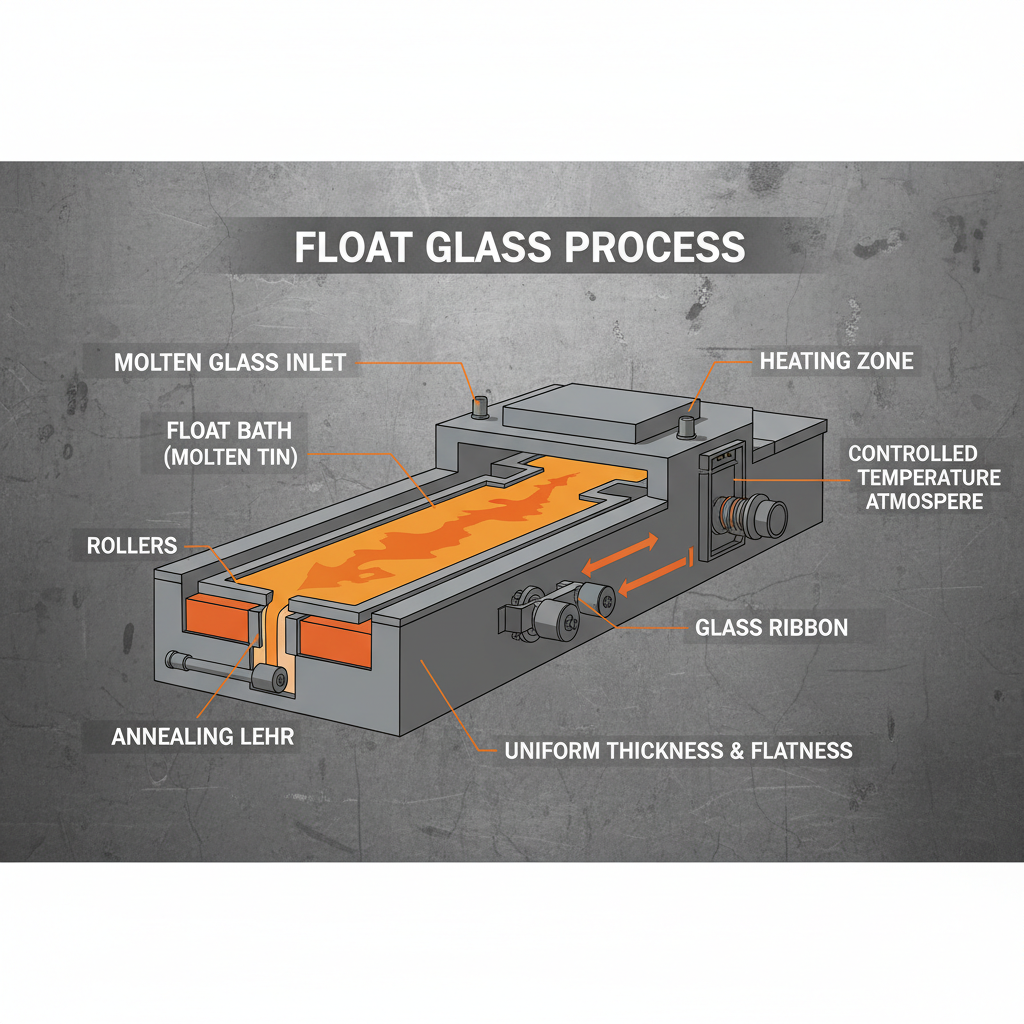
White float glass is a fundamental material in countless industries, from construction and automotive to interior design and specialized optics. Renowned for its clarity, uniformity, and versatility, it serves as the foundation for a wide array of products. This article provides a comprehensive overview of white float glass, exploring its manufacturing process, key characteristics, diverse applications, and considerations for sourcing high-quality materials. We'll also delve into why TPTopGlass is a trusted supplier for your glass needs. Selecting the right glass can drastically improve product quality and cost-effectiveness. The ‘float’ process is the standard method for producing white float glass. This involves pouring molten glass onto a bath of molten tin. Because glass and tin don’t mix, the glass floats, creating a perfectly flat and uniform surface. The glass is then slowly cooled, resulting in a material free from distortions and with exceptional optical qualities.