



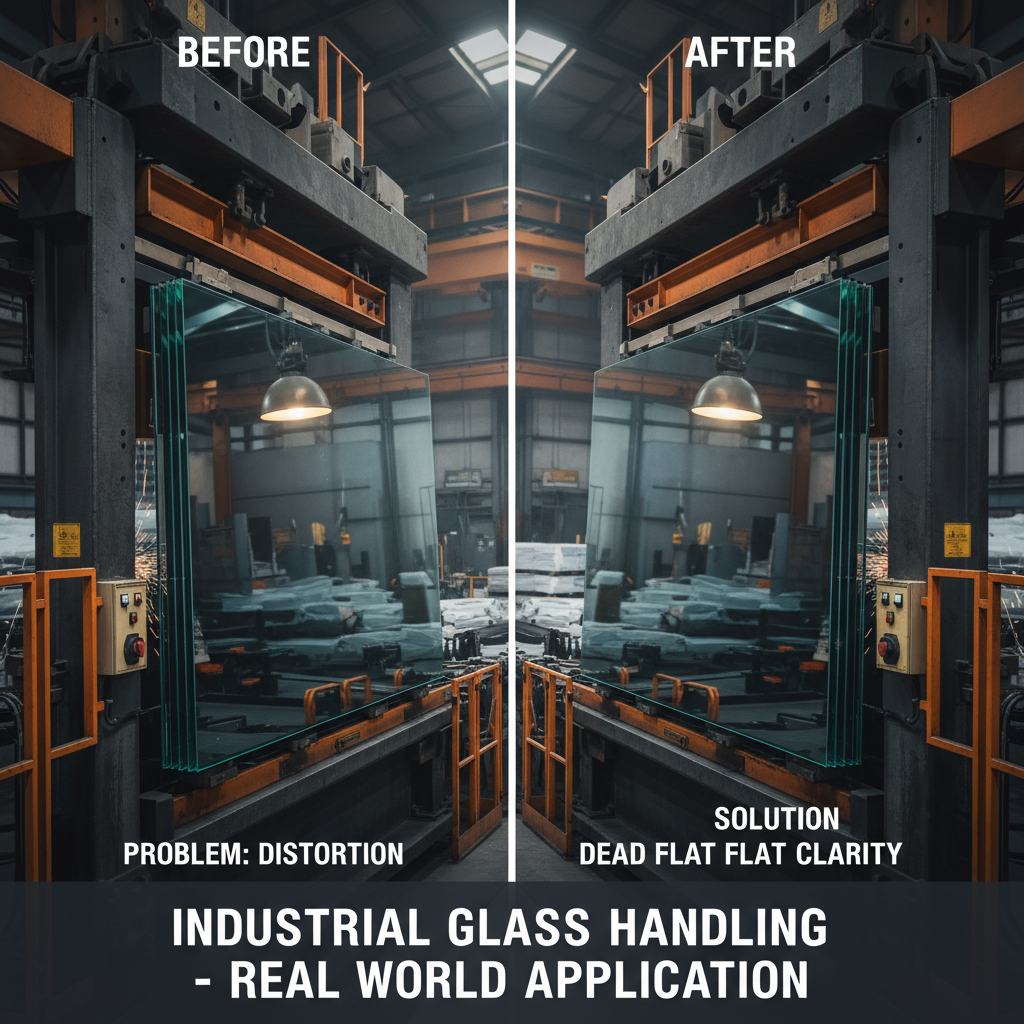
Dead flat float glass is a specialized type of glass renowned for its exceptional flatness and clarity. Unlike standard float glass, it undergoes additional processing to minimize any waviness or distortion, making it ideal for applications requiring precise optical quality or a visually seamless surface. This article will explore the manufacturing process, key characteristics, diverse applications, and benefits of choosing dead flat float glass for your projects. We’ll delve into why it’s preferred in industries demanding high precision, offering a detailed guide for architects, designers, and manufacturers.
The creation of dead flat float glass involves a more intricate process than standard float glass manufacturing. While both begin with the float process – where molten glass is floated on a bed of molten tin – dead flat glass undergoes further refinement. This typically involves a controlled cooling process and precise polishing techniques to minimize any surface imperfections and achieve the desired level of flatness. The controlled cooling minimizes internal stresses within the glass, contributing to its superior stability. The polishing phase removes any residual surface distortions, creating a glass sheet with unparalleled clarity and evenness. Manufacturers like TP Top Glass employ advanced technologies to consistently deliver high-quality dead flat float glass.
Key Highlights: The manufacturing process incorporates controlled cooling and precise polishing to minimize surface imperfections and achieve exceptional flatness.
Several characteristics define dead flat float glass. Firstly, its flatness is significantly superior to standard float glass, typically within a tolerance of +/- 0.1mm over a given area. Secondly, it offers exceptional clarity, minimizing distortion for optimal visual performance. Thirdly, it maintains the inherent strength and durability of float glass. Finally, it is available in various thicknesses and sizes, catering to a broad range of application requirements. These properties make it a highly sought-after material in sectors demanding precision and visual excellence. The consistent quality and precision of TP Top Glass’s dead flat glass ensures reliable performance in demanding applications.
Key Characteristics:
• Superior flatness (tolerance +/- 0.1mm)
• Exceptional clarity and minimal distortion
• High strength and durability
• Available in various thicknesses and sizes
Understanding the differences between dead flat float glass and standard float glass is crucial for selecting the right material for your project. Standard float glass is suitable for general glazing applications, while dead flat glass excels in scenarios requiring high precision and minimal distortion. The table below highlights the key distinctions between the two.
The unique properties of dead flat float glass make it indispensable in numerous industries. It's widely used in the production of high-resolution displays, including LCD and LED screens, where even the slightest distortion can significantly impact image quality. It is also critical in the manufacturing of optical lenses, prisms, and other precision optical components. Furthermore, it finds application in scientific instruments, laboratory equipment, and architectural projects requiring a visually seamless appearance. For example, the glass is frequently employed in museum displays to showcase artifacts without visual interference. TP Top Glass serves a diverse clientele across these sectors.
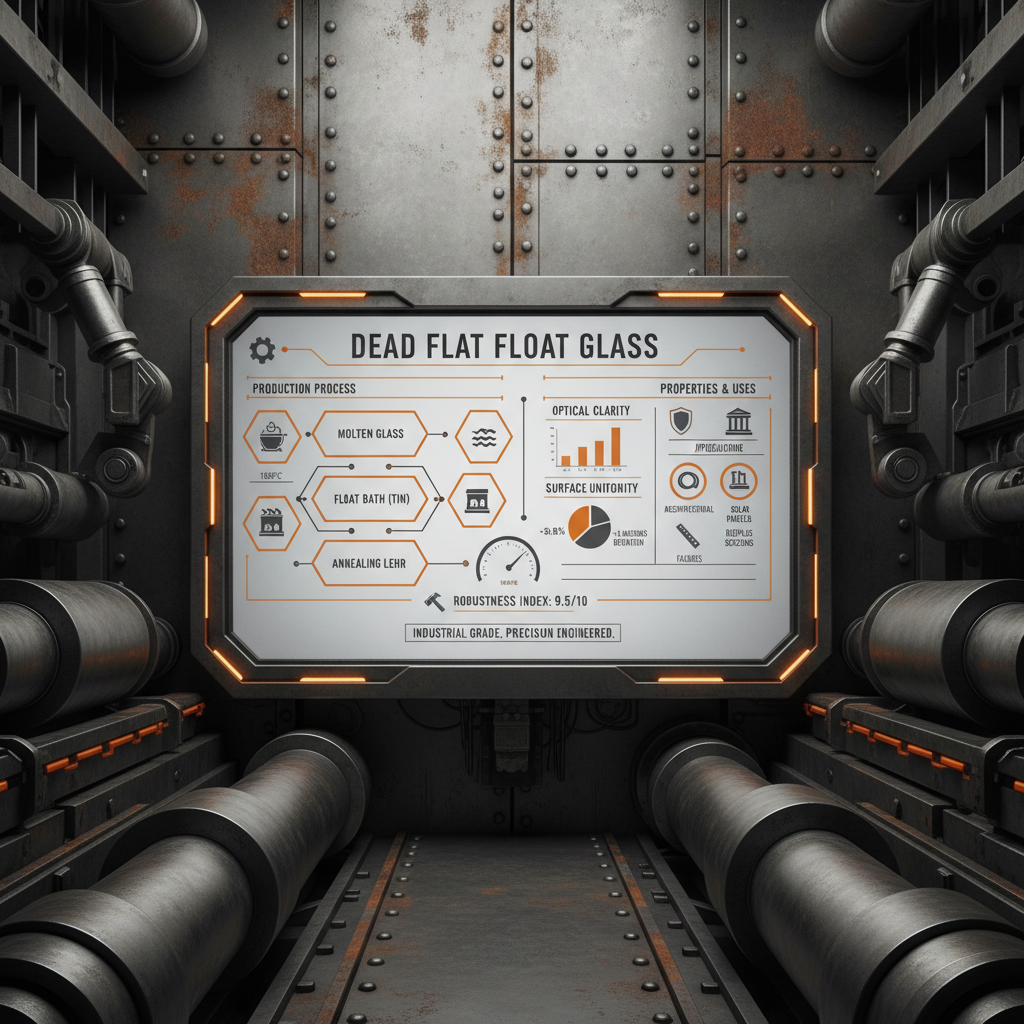
We offer dead flat float glass in a range of specifications to meet your specific requirements. Below is a table outlining common options:
Selecting the right glass is critical for the success of any project. For applications demanding exceptional flatness, clarity, and precision, dead flat float glass is the ideal choice. TP Top Glass provides high-quality dead flat float glass tailored to your specific needs.
While both dead flat float glass and low-iron glass offer improved clarity, they address different aspects. Low-iron glass minimizes the green tint caused by iron content in standard float glass, resulting in higher light transmission. Dead flat glass focuses on achieving exceptional surface flatness, reducing distortion. They can be combined – you can have dead flat low-iron glass for the highest possible clarity and flatness. The choice depends on the specific requirements of your application. If color neutrality is paramount, low-iron is key; if minimizing distortion is the primary concern, dead flat glass is the better choice.
Yes, dead flat float glass can be cut, drilled, tempered, laminated, and coated using standard glass processing techniques. However, due to its higher precision, extra care should be taken during processing to avoid introducing any distortions. It is recommended to use specialized tools and techniques to maintain the flatness and optical quality of the glass. TP Top Glass offers precision cutting and processing services to ensure optimal results.
Lead times for dead flat float glass can vary depending on the quantity, size, and specific processing requirements. Typically, standard sizes and thicknesses are available with a lead time of 1-2 weeks. Custom sizes and specialized processing may require longer lead times. We recommend contacting TP Top Glass directly to obtain a precise quote and lead time for your specific order.
Yes, dead flat float glass can be used outdoors. However, its performance and longevity are enhanced when combined with appropriate coatings for UV protection and weather resistance. Like all glass, prolonged exposure to harsh weather conditions can affect its clarity and structural integrity. Selecting the appropriate glass thickness and coatings will ensure optimal performance in outdoor applications.

Shahe City economic Development Zone 32,hebei,P.R .China.

+8618686009698
+8613191439158

eoch@shtopglass.com
jason@shtopglass.com