



Float glass is a cornerstone material in countless applications, from windows and doors to automotive glass and decorative features. But not all float glass is created equal. Different manufacturing processes and treatments yield diverse properties, making specific types ideal for particular uses. This article will explore the primary types of float glass available, their unique characteristics, and common applications, helping you make informed choices for your projects. Understanding these variations is crucial for achieving optimal performance and aesthetic results.
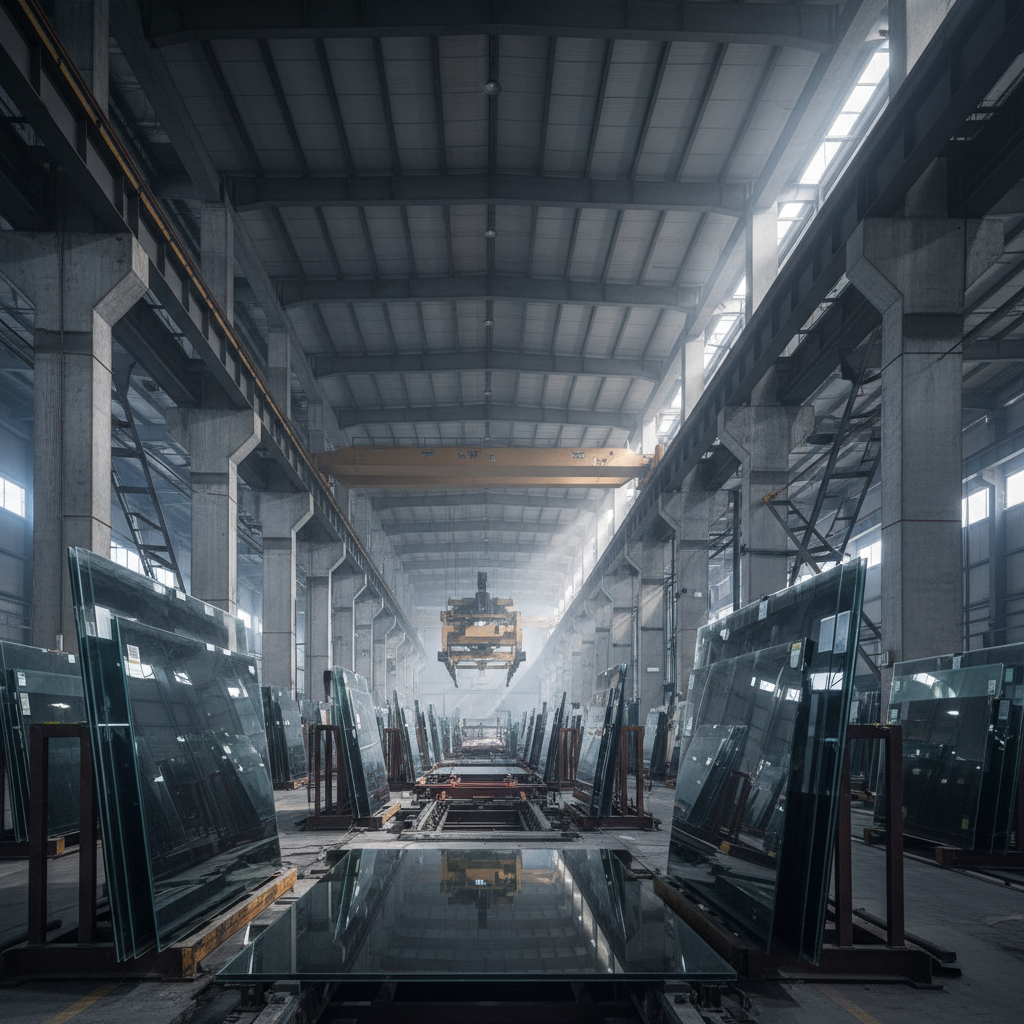
Standard clear float glass is the most common type, representing the baseline for many glass products. It's produced by floating molten glass on a bed of molten tin, resulting in a remarkably flat and uniform surface. This process eliminates the waviness often found in older glass manufacturing techniques. Clear float glass offers excellent light transmission and is typically used in windows, mirrors, and general glazing applications. Its affordability and versatility make it a popular choice for both residential and commercial projects. It’s important to note that while transparent, it doesn’t offer any significant heat control or privacy without further treatment.
Low-iron float glass, also known as ultra-clear glass, is manufactured with a reduced iron content. Iron oxide is what gives standard float glass a slight greenish tint. By minimizing iron, low-iron glass achieves exceptionally high clarity and neutral color, allowing for almost 92% light transmission. This makes it ideal for applications where true color rendering is critical, such as aquariums, museum displays, high-end retail showcases, and solar panels. Although more expensive than standard clear glass, the superior optical quality justifies the cost for specific applications. Explore Tptopglass's low-iron options for optimal clarity.
Tinted float glass incorporates metallic oxides during the manufacturing process to absorb a portion of light and solar heat. Common tints include gray, bronze, green, and blue. Tinted glass reduces glare, minimizes fading of interior furnishings, and lowers cooling costs by decreasing solar heat gain. It also provides a degree of privacy. The specific color and tint intensity influence the amount of light and heat absorbed. It's frequently used in building facades, skylights, and automotive applications. The choice of tint depends on the desired aesthetic effect and the climate. Tptopglass offers a wide range of tinted glass options to suit diverse needs.
Key Benefits of Tinted Glass: Reduced Glare, Lower Cooling Costs, Enhanced Privacy, Protection against UV Rays, Aesthetic Appeal.
Reflective float glass features a metallic coating applied to one surface, creating a mirror-like appearance. This coating reflects a significant portion of solar radiation and provides excellent privacy during daylight hours. Reflective glass is commonly used in building facades to reduce glare and heat gain, improving energy efficiency. Different coating types offer varying levels of reflectivity and transmissivity. The aesthetic effect can range from a subtle mirrored sheen to a highly reflective surface. It is also utilized in interior design for creating dramatic visual effects.
Comparing Glass Types
Patterned float glass, also known as textured glass, features a patterned surface created during the manufacturing process. These patterns can range from subtle reeds to more elaborate designs. Patterned glass offers a degree of obscurity, providing privacy while still allowing light to pass through. It’s often used in bathroom windows, shower enclosures, and interior partitions. The patterns also add an aesthetic element to the glass, creating interesting visual effects. The variety of patterns allows for creative design solutions.
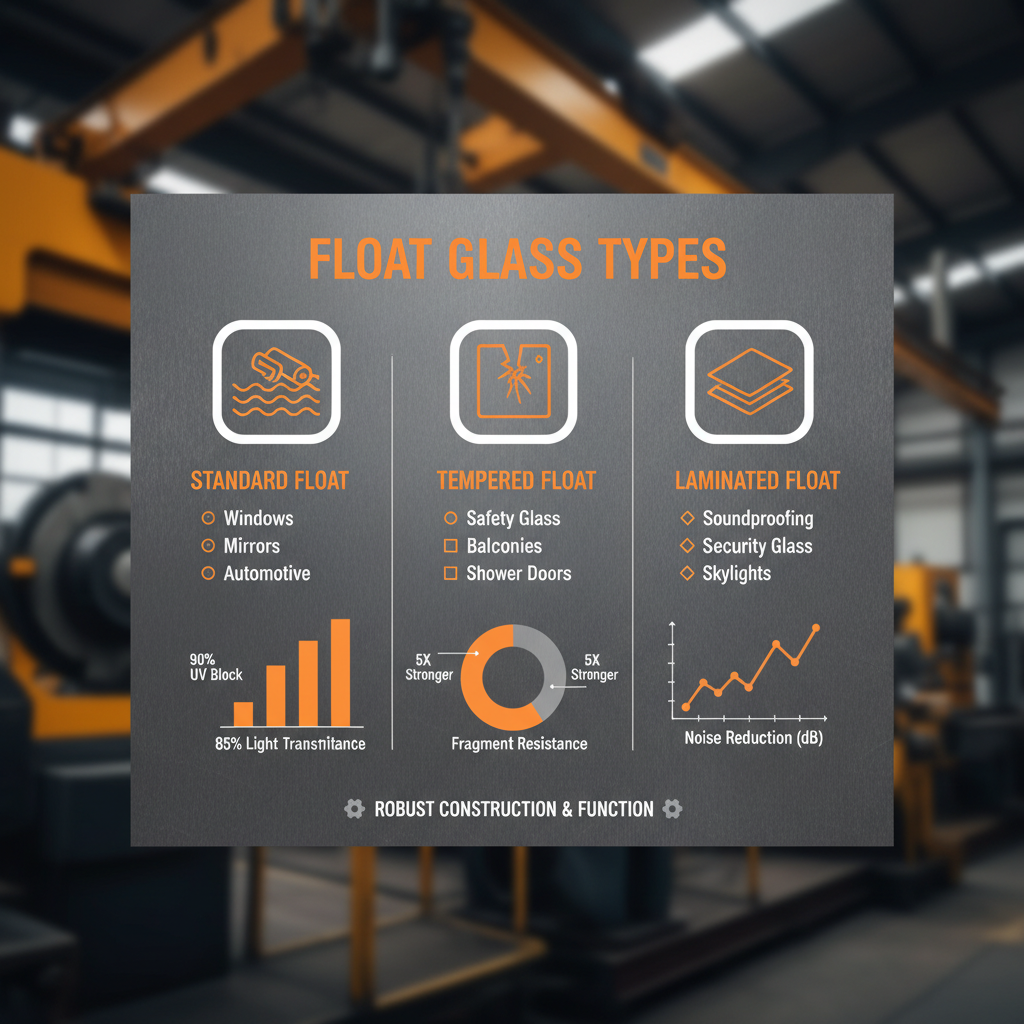
Choosing the appropriate type of float glass is vital for achieving the desired performance and aesthetic qualities in any project. From the clarity of low-iron glass to the privacy of reflective glass, each type offers unique benefits. Consider factors like light transmission, solar control, privacy requirements, and budget when making your selection. Tptopglass provides a comprehensive range of float glass options to meet diverse needs. Investing in the right glass ensures lasting value and satisfaction.
Both annealed and tempered glass start as float glass, but they undergo different treatment processes. Annealed glass is slowly cooled to reduce internal stresses, making it relatively easy to cut and work with. However, it breaks into large, sharp shards when fractured. Tempered glass, on the other hand, is heat-treated to create a much stronger glass that is four to five times more resistant to impact. When tempered glass breaks, it shatters into small, relatively harmless pebble-like pieces. Tempered glass is often used in applications where safety is a concern, such as car windows and shower doors.
Yes, float glass is highly recyclable! Glass is one of the few materials that can be recycled repeatedly without losing its quality. Recycled glass, known as cullet, is used to manufacture new glass products, reducing the need for raw materials and lowering energy consumption. Recycling glass also reduces landfill waste. Many communities have glass recycling programs, making it easy to contribute to a more sustainable future.
Low-iron float glass is primarily used in applications where exceptional clarity and color accuracy are crucial. This includes: aquariums to minimize color distortion; museum displays to showcase artwork in its true colors; high-end retail showcases to enhance product presentation; solar panels to maximize light absorption; and architectural applications where a crystal-clear aesthetic is desired. It’s also used in photography and videography for creating seamless backgrounds.
The thickness of float glass significantly impacts its strength, insulation value, and soundproofing capabilities. Thicker glass is more resistant to impact, provides better thermal insulation, and reduces sound transmission. For instance, thicker glass is often used in large windows or areas exposed to high winds. However, thicker glass also weighs more and can be more expensive. The appropriate thickness depends on the specific application and performance requirements.

Shahe City economic Development Zone 32,hebei,P.R .China.

+8618686009698
+8613191439158

eoch@shtopglass.com
jason@shtopglass.com