



15mm float glass is a versatile and robust material utilized in a wide range of applications, from construction to furniture. Its increased thickness provides enhanced strength, safety, and sound insulation compared to standard float glass. This article will delve into the properties, benefits, and common uses of 15mm float glass, providing a comprehensive overview for architects, designers, and anyone seeking a durable glass solution. Choosing the right glass thickness is crucial for your project's success, and we'll explore why 15mm might be the ideal choice.
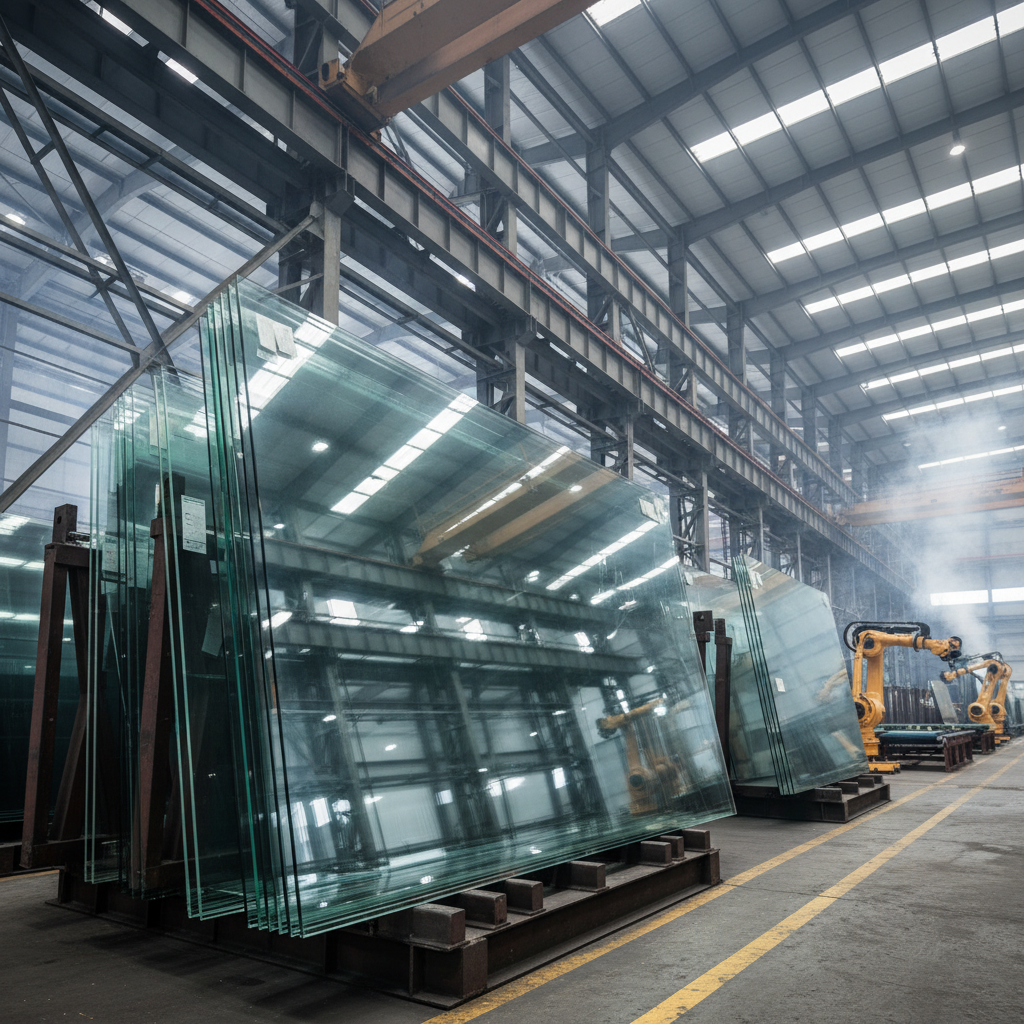
Float glass is manufactured by floating molten glass on a bed of molten tin, resulting in a perfectly flat and smooth surface. The "15mm" refers to its thickness, measured in millimeters. This increased thickness significantly enhances the glass’s structural integrity, making it more resistant to breakage and impact. TPTop Glass provides high-quality 15mm float glass tailored to meet diverse project requirements. The manufacturing process ensures consistent quality and minimal distortion, crucial for applications demanding clarity and precision.
Key Highlights: Enhanced strength, superior safety, improved sound insulation, and exceptional clarity.
The robust nature of 15mm float glass makes it ideal for applications where safety and durability are paramount. Common uses include: heavy-duty glass doors, large-format windows in high-traffic areas, staircases, balustrades, floor panels, shower screens and partitions. Its strength also allows for larger glass panels with minimal framing, creating modern and aesthetically pleasing designs. It’s often chosen for commercial buildings, public spaces, and high-end residential projects requiring both functionality and style.
Common Applications:
• Heavy-Duty Doors
• Large-Format Windows
• Staircases and Balustrades
• Floor Panels
Choosing the right glass thickness is crucial for safety and performance. While thinner glass options (like 4mm, 6mm, or 10mm) are suitable for standard windows and internal partitions, 15mm float glass offers significantly greater strength and impact resistance. Here's a comparison:
Beyond its strength, 15mm float glass offers several advantages. Its thickness contributes to improved sound insulation, reducing noise transmission. It also provides enhanced thermal performance, helping to regulate indoor temperatures and lower energy costs. Furthermore, 15mm glass offers greater security, making it more difficult to break and providing a deterrent against intrusion. TPTop Glass guarantees quality and consistency, ensuring you receive a product that meets your exact specifications.
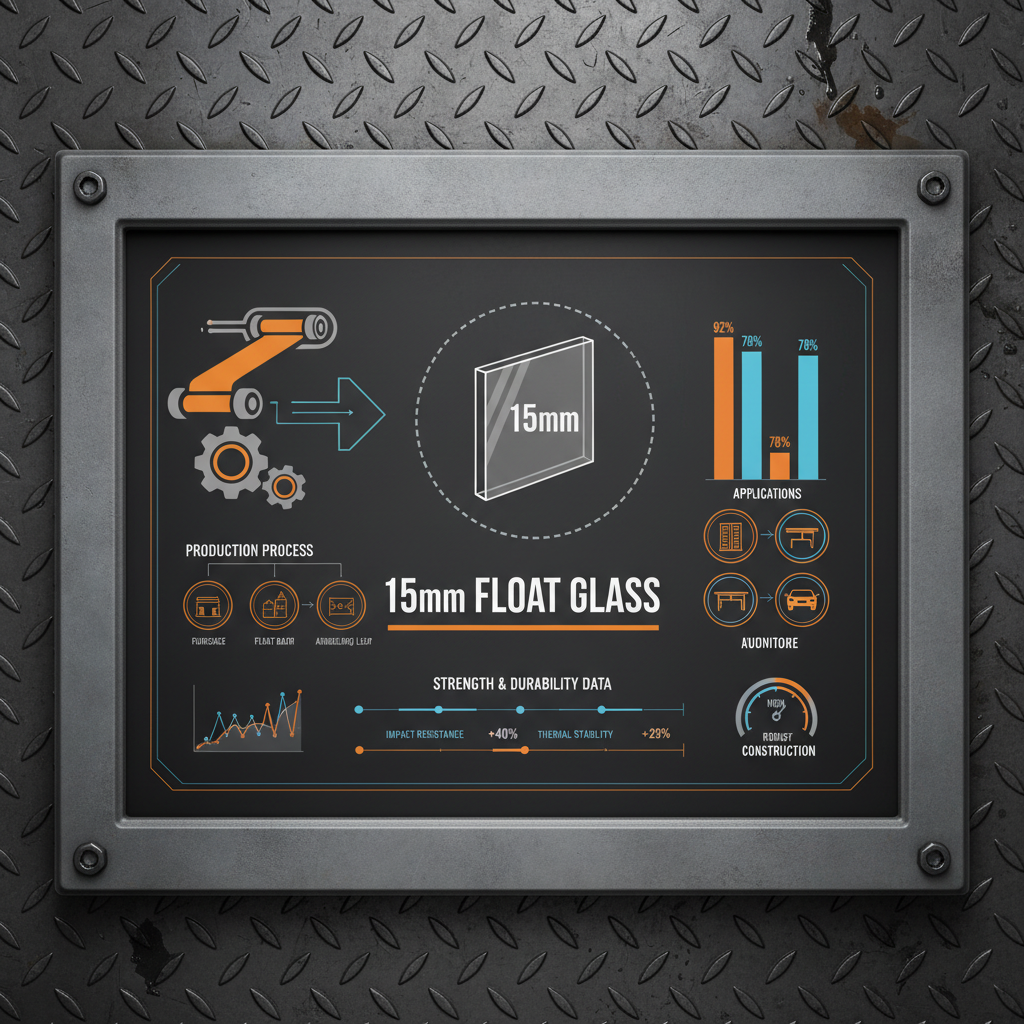
When specifying 15mm float glass, consider the following: Density: Approximately 2500 kg/m3. Thermal Conductivity: Approximately 1.1 W/mK. Sound Transmission Class (STC): Varies based on installation, but generally higher than thinner glass. Cutting & Processing: Requires specialized tools and expertise due to its thickness. Annealing: While float glass is inherently annealed, proper handling is crucial to avoid introducing stress. Always consult with a qualified glass supplier like TPTop Glass to ensure proper selection and installation.
For projects demanding strength, safety, and durability, 15mm float glass is an excellent choice. Its versatility and superior performance make it a worthwhile investment for architects, designers, and builders. Don't compromise on quality – choose a reliable supplier like Tptopglass for all your glass needs.
The maximum size of a 15mm float glass panel depends on several factors, including transportation limitations, handling capabilities, and the specific application. Generally, larger sizes require specialized handling equipment and may necessitate the use of laminated or tempered glass for added safety. We at Tptopglass can custom cut to your project’s requirements. Consulting with a glass supplier like Tptopglass is essential to determine the optimal panel size for your project, ensuring both feasibility and safety.
Yes, 15mm float glass can be both tempered and laminated to enhance its safety and performance characteristics. Tempering involves heating and cooling the glass to create a hardened surface, increasing its resistance to impact. Lamination involves bonding layers of glass together with an interlayer, preventing shattering and maintaining structural integrity even if the glass breaks. Both tempering and lamination are highly recommended for applications where safety is a critical concern.
Yes, 15mm float glass is suitable for outdoor use, but it's essential to consider the environmental conditions and potential exposure to the elements. While float glass itself is relatively durable, prolonged exposure to UV radiation and harsh weather can affect its long-term performance. Using laminated glass or applying a UV-resistant coating can help protect the glass and extend its lifespan. Proper installation and sealing are also crucial to prevent water damage and ensure structural integrity.

Shahe City economic Development Zone 32,hebei,P.R .China.

+8618686009698
+8613191439158

eoch@shtopglass.com
jason@shtopglass.com