



Tinted glass has become a cornerstone of modern architecture, automotive design, and interior aesthetics. By combining functionality with visual appeal, tinted glass offers a versatile solution for controlling light, reducing heat, and enhancing privacy. Developed through advanced manufacturing processes, this product is a testament to innovation in the glass industry. In this article, we explore the features, benefits, applications, and technical specifications of tinted glass, while highlighting the expertise of its manufacturer, Shahe Top Glass CO., LTD..
Tinted glass is produced using the float glass process, a method that involves melting raw materials and forming a continuous sheet of glass. The key distinction of tinted glass lies in the addition of metal oxides during the smelting stage, which imparts color to the glass. These metal oxides, such as iron, cobalt, or selenium, are carefully measured to achieve the desired hue while maintaining the structural integrity of the glass. This process ensures that the glass retains its fundamental properties, such as strength and clarity, even after coloration.
One of the most notable characteristics of tinted glass is its ability to control light transmission. The color density of the glass increases with thickness, while visible transmittance decreases proportionally. This means that thicker glass provides greater light reduction and heat absorption, making it ideal for applications where solar control is critical. Additionally, the glass absorbs a significant portion of solar energy, which is then dissipated through re-radiation and convection, reducing the need for artificial cooling systems.
Tinted glass offers a range of advantages that make it a preferred choice across industries. These benefits include:
Tinted glass is widely used in diverse sectors due to its versatility. Key applications include:
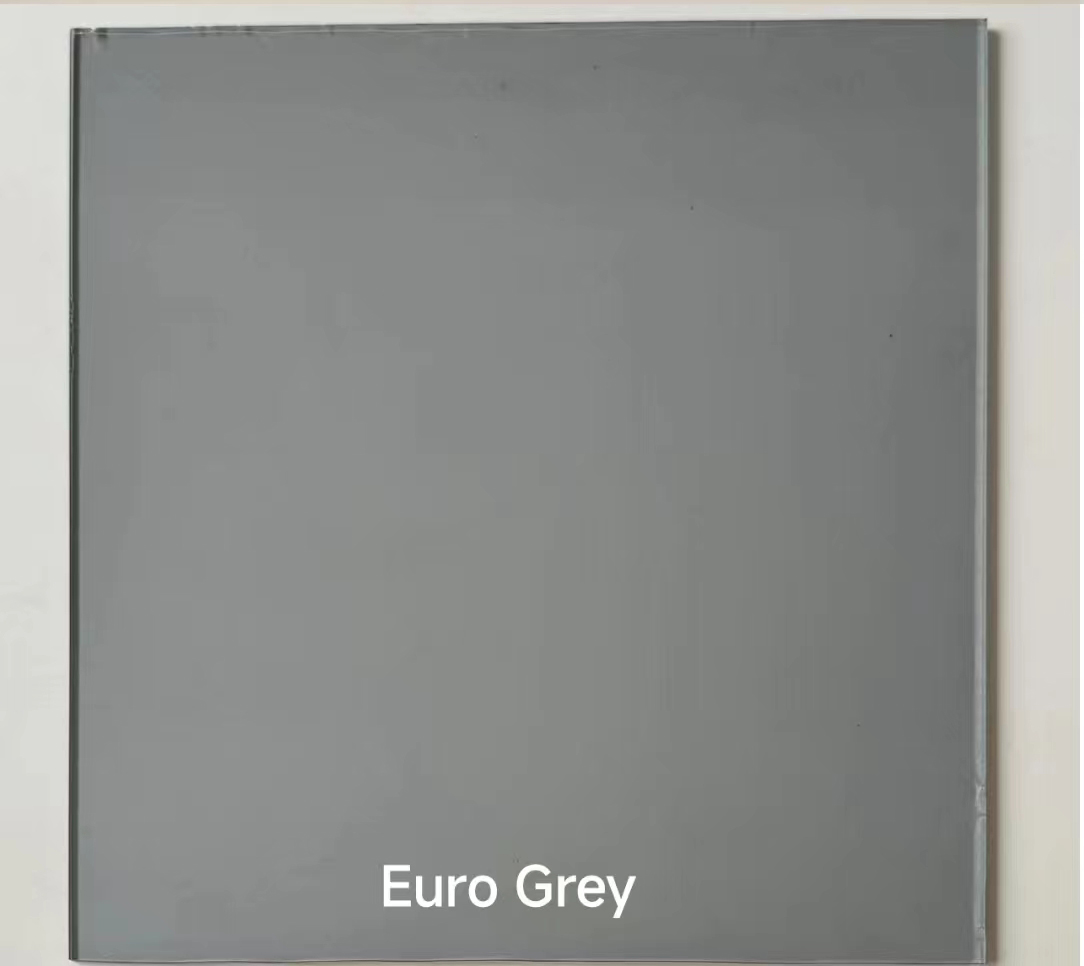
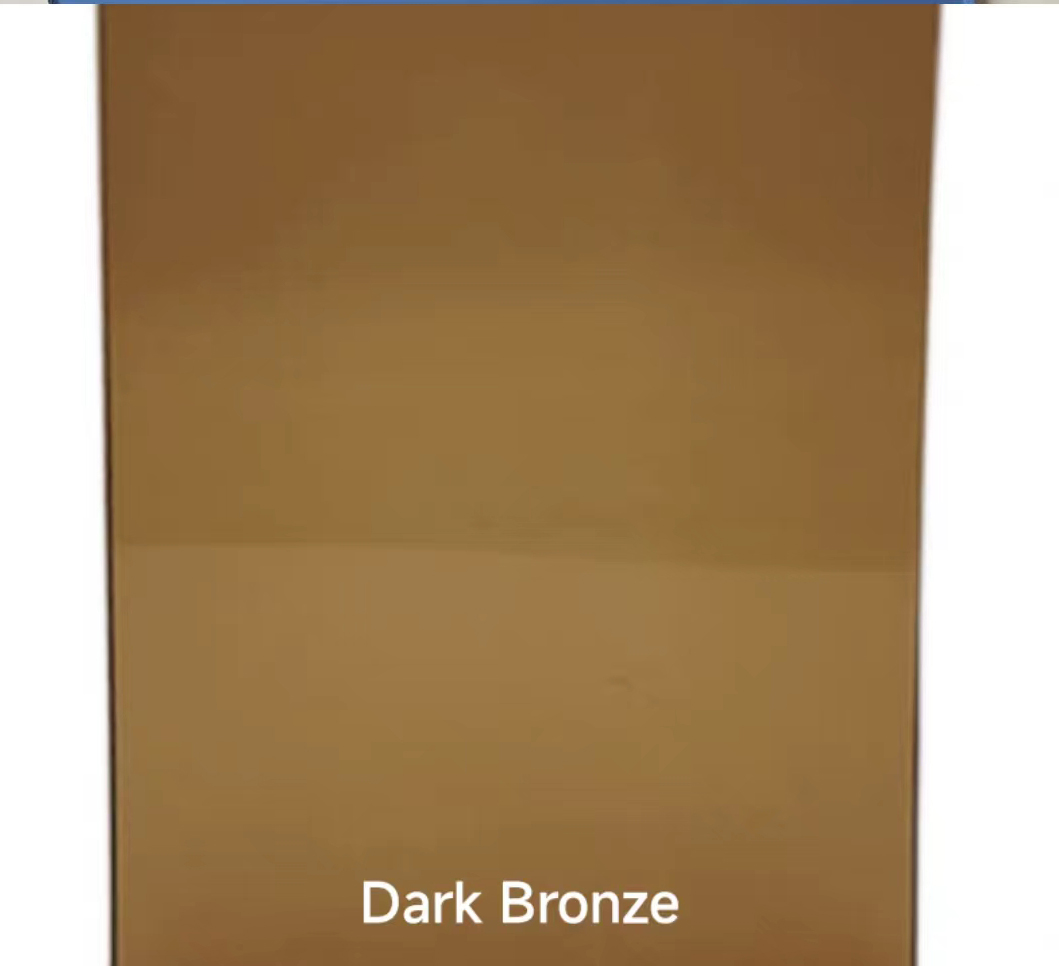
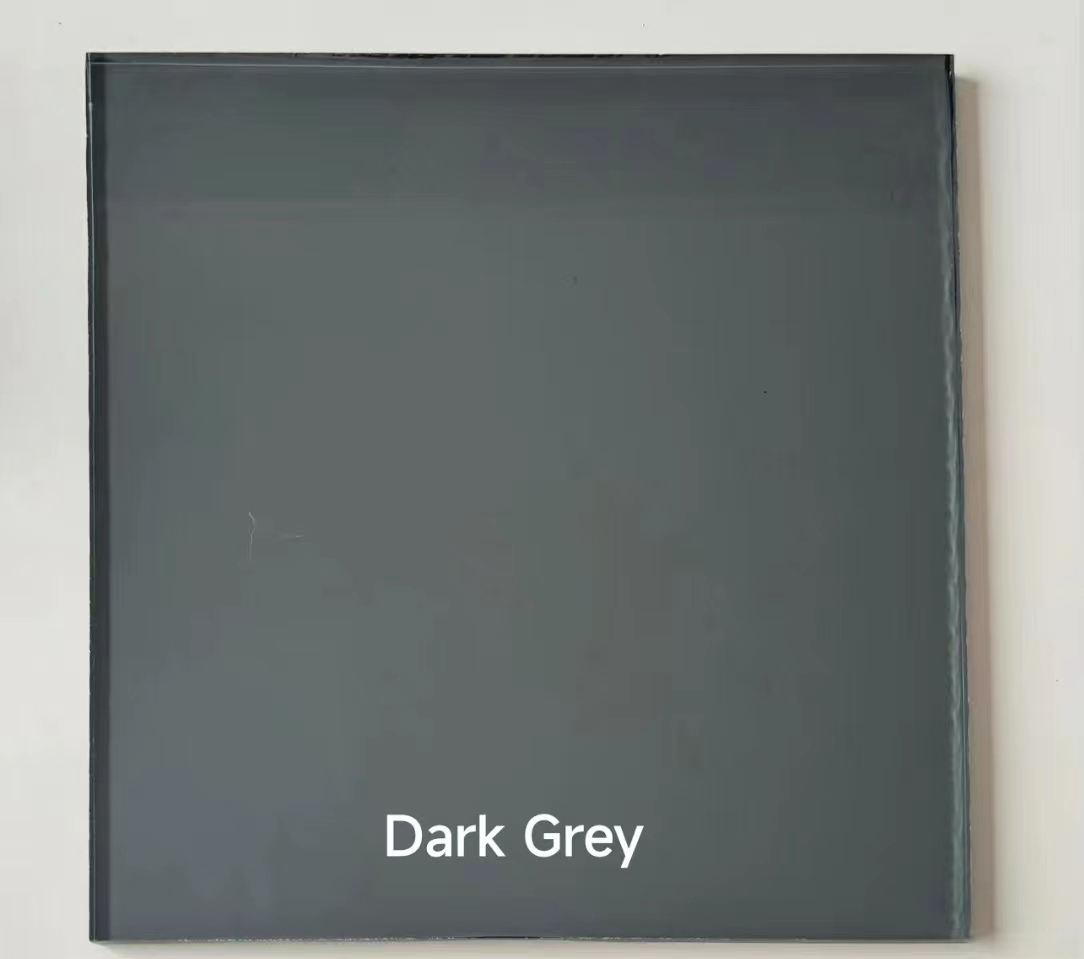
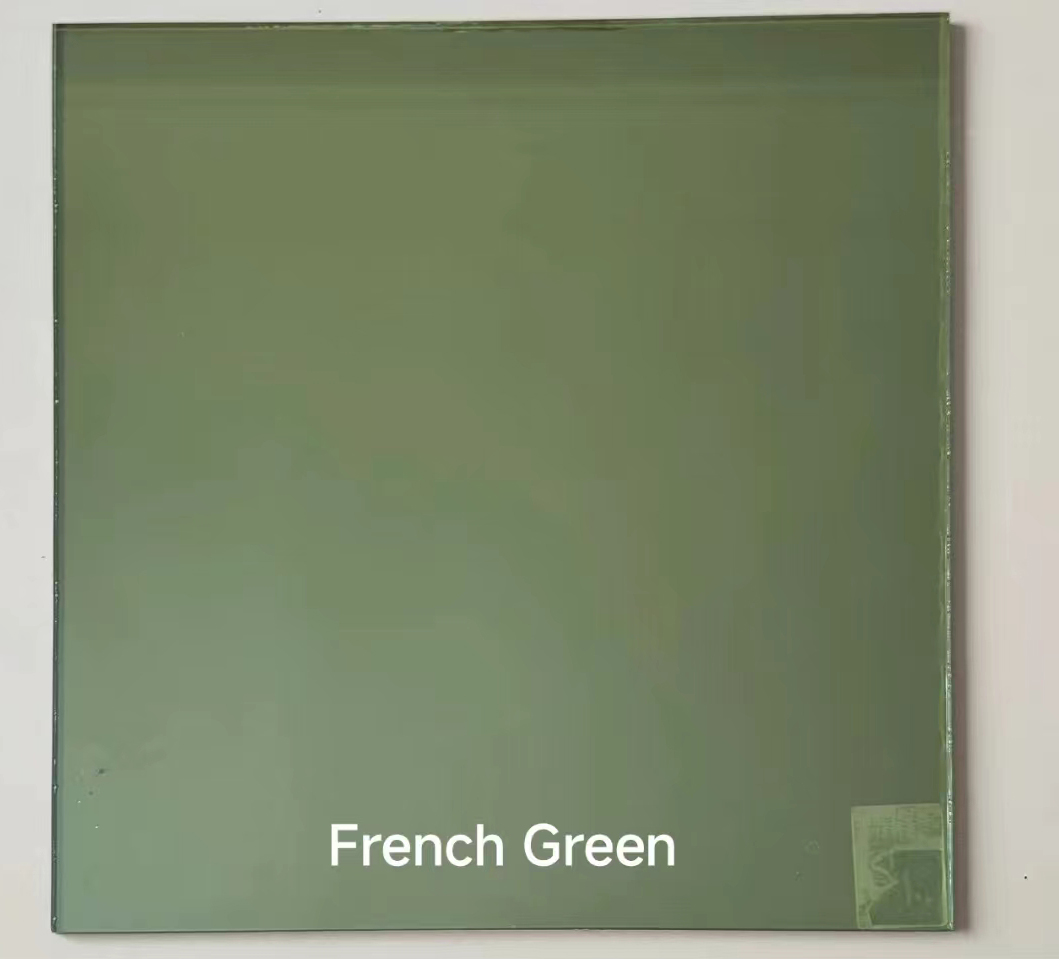
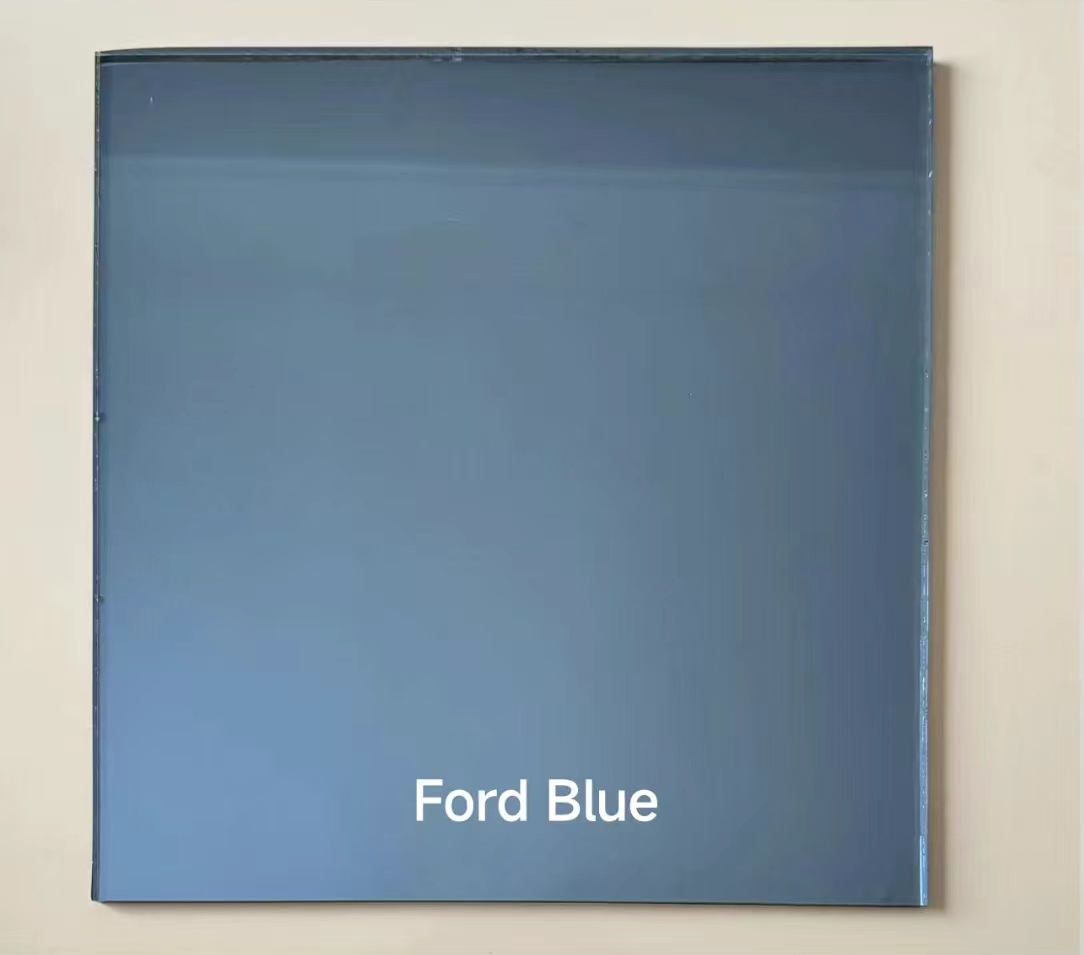
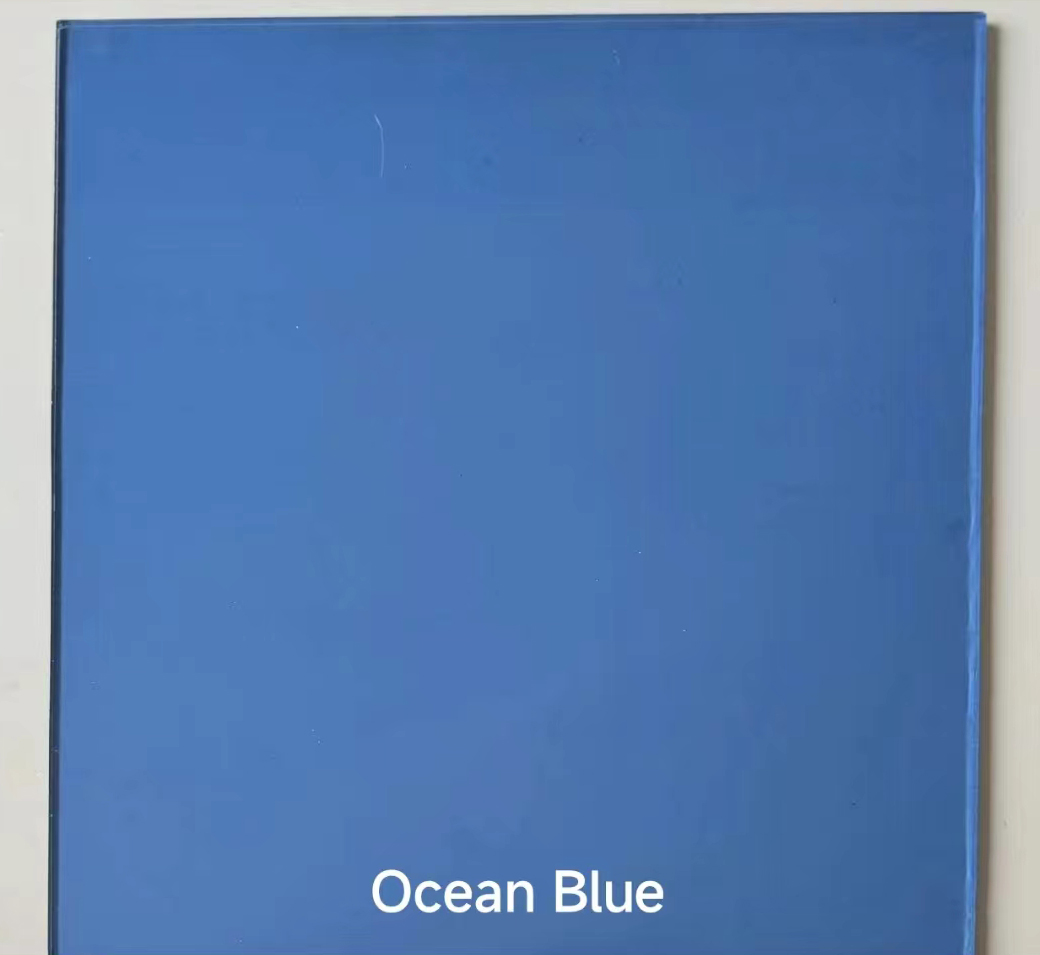
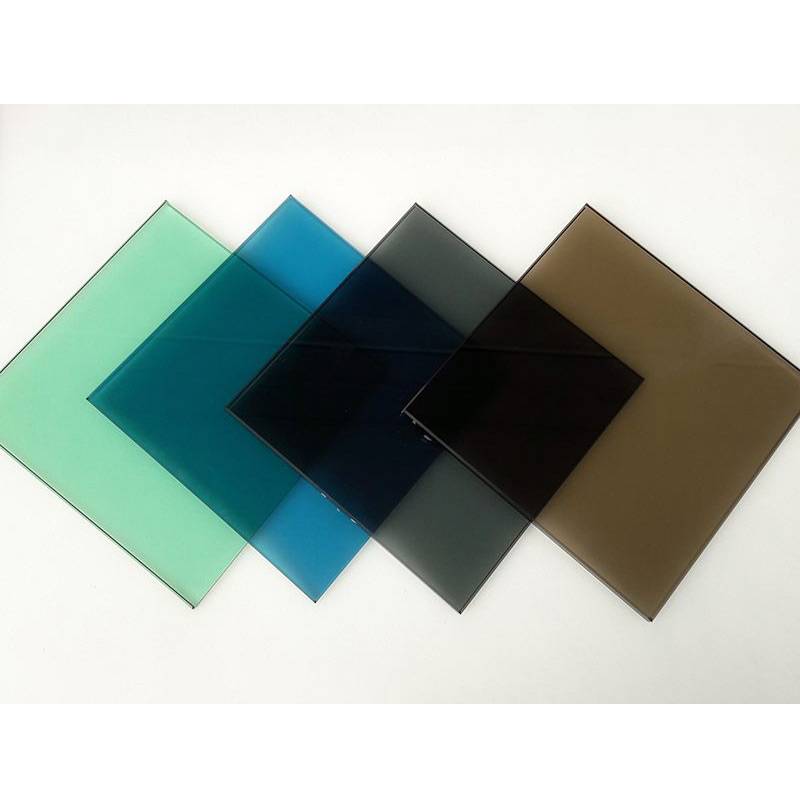
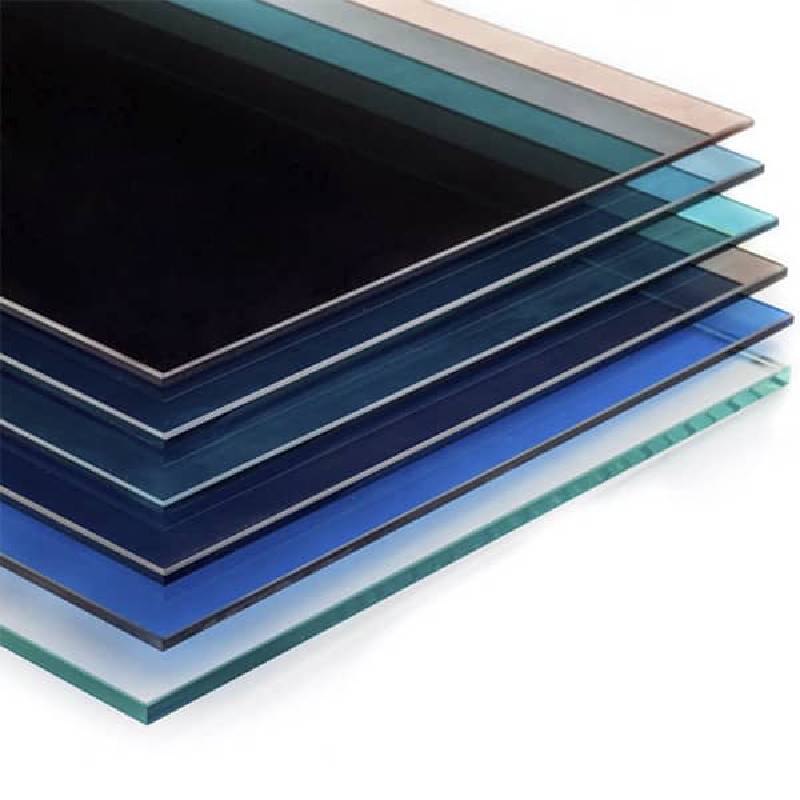
Tinted glass is available in a wide array of colors, each designed to meet specific aesthetic and functional requirements. The color options include:
The following table summarizes the technical specifications of tinted glass:
| Specification | Details |
|---|---|
| Thickness | 3mm, 4mm, 5mm, 5.5mm, 6mm, 8mm, 10mm, 12mm |
| Size | 33002140, 36602140, 33002250, 36602250, 33002440, 36602440, 16502140, 16502250, 16502440, 18302140, 18302440 |
| Color Options | French Green, Dark Green, Mist Grey, Euro Grey, Dark Grey, Light Blue, Lake Blue, Dark Blue, Royal Blue, Ocean Blue, Euro Bronze, Golden Bronze, Pink |
| Visible Transmittance | Varies with thickness and color; generally lower than clear glass |
| Solar Transmittance | Reduced due to heat-absorbing properties |
Shahe Top Glass CO., LTD. is a leading manufacturer of high-quality glass products, specializing in tinted glass and other advanced glass solutions. With a commitment to innovation and customer satisfaction, the company has established itself as a trusted name in the industry. Their state-of-the-art production facilities and rigorous quality control processes ensure that every product meets the highest standards of performance and durability.
Shahe Top Glass offers a comprehensive range of tinted glass options, catering to diverse applications across residential, commercial, and industrial sectors. The company's dedication to sustainability and energy efficiency aligns with global trends, making their products a preferred choice for architects, designers, and builders worldwide.
Tinted glass is more than just a material; it is a strategic solution for modern design and energy management. Its ability to balance aesthetics with functionality makes it an indispensable component in contemporary architecture and automotive design. By choosing Shahe Top Glass CO., LTD., customers gain access to a product that combines innovation, quality, and versatility.
While specific NIST standards for tinted glass were not found due to technical constraints, the information presented aligns with general industry practices and standards for glass manufacturing and performance. For further details on material standards, refer to authoritative sources such as NIST and ANSI.

Shahe City economic Development Zone 32,hebei,P.R .China.

+8618686009698
+8613191439158

eoch@shtopglass.com
jason@shtopglass.com