



If you work with façades, retail fixtures, or machine guards, you’ve probably noticed the market shifting. Lead times got tighter, tolerances got stricter, and the bar for safety compliance keeps rising. In fact, over the past 18 months, I’ve seen more architects insisting on heat-soak-tested panels and consistent surface compression data. Not hype—just what’s actually getting approved on job sites.
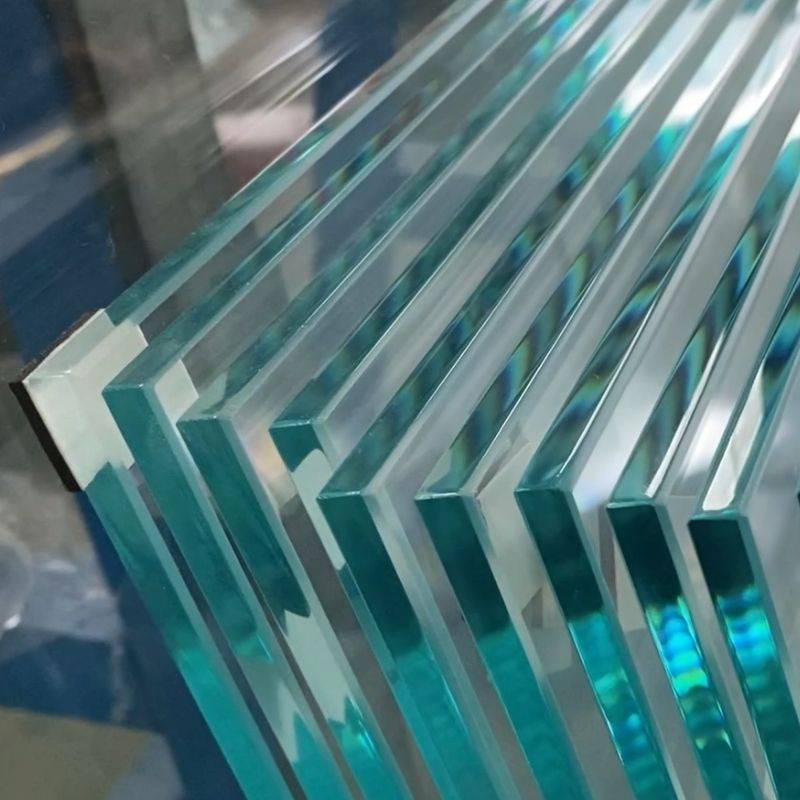
Tempered glass (toughened) is heat- or chemically-treated to boost strength—typically 4–5× stronger than annealed of the same thickness. When it fails, it granulates into small, blunt pieces, reducing injury risk. That’s why it’s everywhere: curtain walls, shower enclosures, shopfronts, balustrades, display cases, automotive sidelight replacements, even high-traffic tabletops.
This line comes out of Shahe City Economic Development Zone 32, Hebei, P.R. China—an area that’s arguably the glass capital of North China. Many customers say the supply chain there is surprisingly resilient, especially for oversized lites and rush orders.
| Parameter | Spec / Range | Notes |
|---|---|---|
| Thickness | 3–19 mm (hot sizes: 3, 3.2, 4, 5, 5.5, 6, 8, 10, 12, 15, 19) | Custom on request |
| Max size | 3600 × 18000 mm | Oversize lifting protocols apply |
| Surface compression | ≥ 69 MPa (≥ 10,000 psi) | Real-world use may vary by thickness |
| Optics | Light transmittance ≈ 89–91% (clear, 6 mm) | Low-iron option improves clarity |
| Edges & holes | Flat/ARR, polished, miters; drilled holes; cutouts | All machining before tempering |
| Testing | ANSI Z97.1, EN 12150; optional EN 14179 HST | Fragmentation count verified |
| Service life | ≈ 20–30 years | Environment and install quality impact longevity |
- Raw materials: float clear or low-iron, optional tints and coatings
- Pre-processing: CNC cutting, arris/polish, water-jet for notches, washing
- Tempering: heat to ≈ 620–680°C, rapid quench for surface compression
- Optional heat soak test (HST) to reduce NiS-related breakage risk
- QC & testing: roller wave check, bow/warp, fragmentation, thickness calipers
- Packing: VCI paper, edge protectors, fumigated crates for export
Curtain walls, shopfronts, office partitions, balconies, canopies, escalator balustrades, kitchen splashbacks, machine guarding, EV charging kiosks. Installers I talk to like the consistent edge polish and the low reject ratio on custom cutouts—especially for shower hardware. To be honest, logistics matters just as much; steady crate quality helps avoid chips in transit.
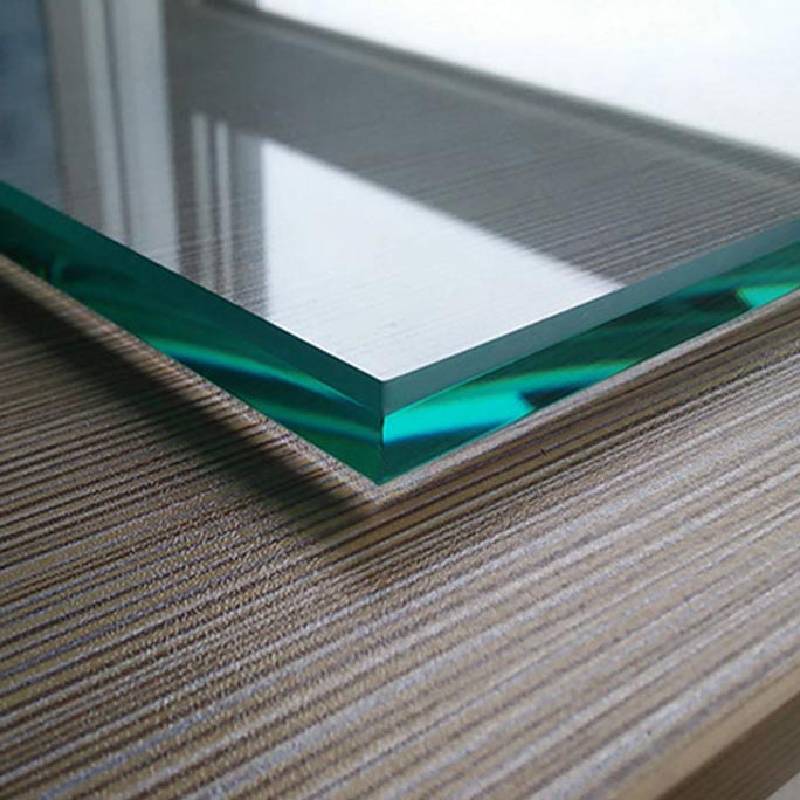
| Vendor | Origin | Certifications | Max Size | Customization | Lead Time |
|---|---|---|---|---|---|
| TPTop Glass | Shahe, Hebei, China | ISO 9001; ANSI Z97.1; EN 12150; HST optional | 3600 × 18000 mm | Edges, holes, low-iron, printing | ≈ 7–15 days |
| Regional OEM A | EU | EN 12150; EN 14179 | Up to 2800 × 7000 mm | Strong on coatings | ≈ 10–20 days |
| Trading House B | Mixed | Varies by plant | Varies | Broad sourcing | ≈ 14–30 days |
A hotel renovation in Dubai swapped 12 mm annealed rails for 12 mm tempered with polished edges and HST. Post-install feedback: less deflection, no spontaneous breakage over 18 months, and fewer fingerprints than expected—likely due to a better wash line and cleanroom packing. Small details, big outcomes.
Request fragmentation photos, surface compression reports, and if your spec mentions it, EN 14179 heat soak certificates. For interior partitions, ANSI Z97.1/Category II is commonly required in North America. For façades, EN 12150 and project-specific mockups are standard. I guess the short version: verify, don’t assume.
Looking for Tempered Glass For Sale with unusual sizes or tight tolerances? Custom cuts, holes, and low-iron options are available, with packing suitable for export and site hoisting.
- Confirm thickness and load path with your engineer
- Match standards (ANSI/EN) to local code
- Consider HST for exterior or critical safety zones
- Approve a sample: edge finish, roller wave, color
- Lock crate specs and labeling for site sequence

Shahe City economic Development Zone 32,hebei,P.R .China.

+8618686009698
+8613191439158

eoch@shtopglass.com
jason@shtopglass.com