



In the world of glass manufacturing, specialized techniques create products with unique properties. Float bath glass is a critical process resulting in high-quality, flat glass used in numerous industries. This article will explore the float glass process, its advantages, key applications, and what makes it a preferred choice for architects, manufacturers, and more. Understanding the nuances of this process can help you make informed decisions about your glass needs. We'll delve into the technical aspects and highlight the reasons why it stands out in the market.
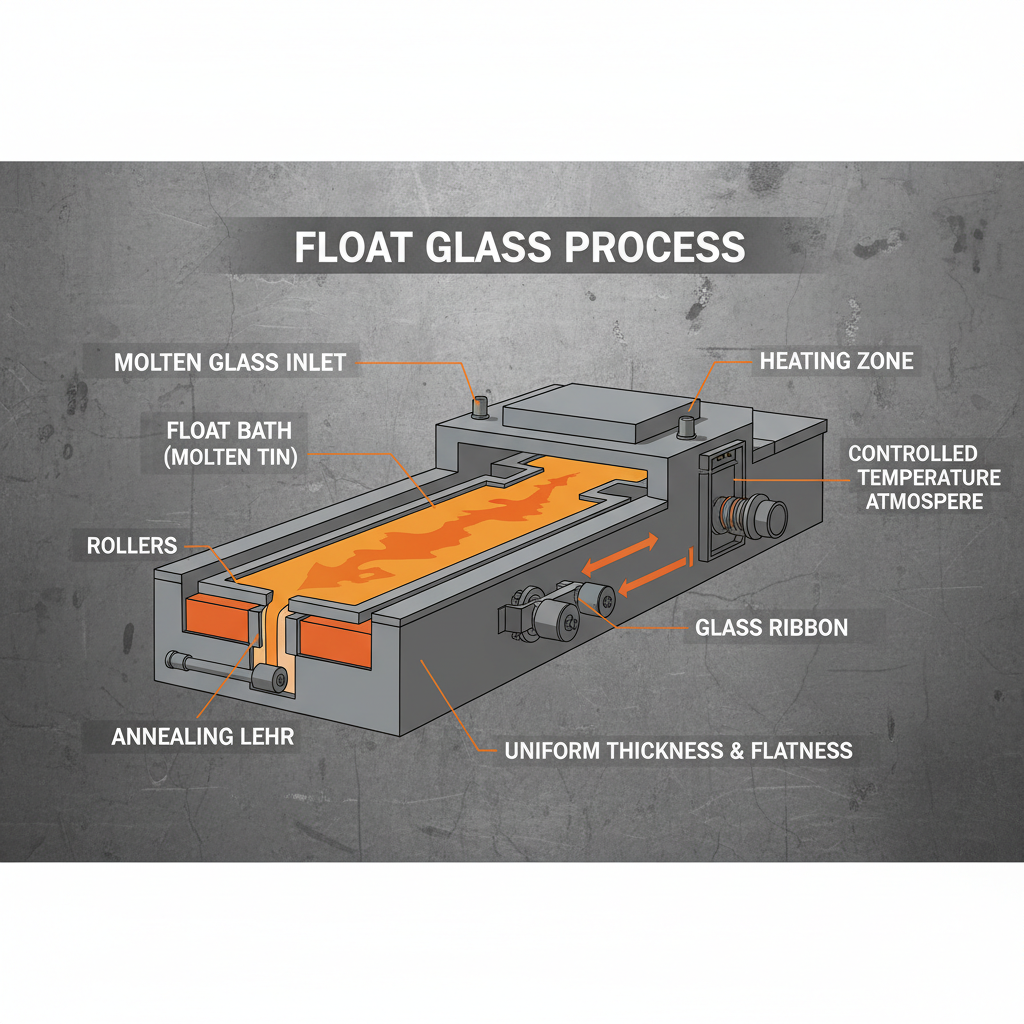
The float glass process, invented by Pilkington in the 1950s, revolutionized glass manufacturing. It involves pouring molten glass onto a bath of molten tin. Because glass and tin don't mix, the glass floats on top of the tin, creating a perfectly flat surface. This eliminates the need for grinding and polishing, resulting in a superior quality glass with excellent optical clarity. The controlled cooling process further enhances the glass's strength and flatness. The entire process occurs in a controlled atmosphere, minimizing imperfections and ensuring consistent quality. TPTopGlass leverages this technology to produce exceptional float glass products.
Key Highlights: The float process ensures exceptional flatness, clarity, and consistency, eliminating the need for further processing. It's a cost-effective and efficient method for mass production of high-quality glass.
Float glass offers several advantages over traditional glass manufacturing methods. Its inherent flatness allows for minimal distortion, making it ideal for applications requiring clear visibility. The smooth surface also reduces light scattering, increasing light transmission. Furthermore, float glass is stronger and more durable than older manufacturing methods, providing enhanced safety and longevity. Its consistent thickness and quality contribute to easier fabrication and installation. This makes it a versatile material suitable for a wide range of demanding applications.
Benefits of Using Float Glass:
• Exceptional flatness and clarity
• Increased light transmission
• Enhanced strength and durability
• Consistent quality and thickness
The applications of float glass are incredibly diverse. It's the primary glass used in architectural glazing for windows, doors, and facades. Its clarity and strength make it perfect for automotive windshields and side windows. It is also used extensively in the furniture industry for table tops and shelving. Furthermore, float glass serves as a base material for various processed glass products, such as tempered glass, laminated glass, and coated glass. The versatility of float glass ensures its continued demand across multiple sectors.
Selecting a reliable supplier is crucial when sourcing float glass. Look for companies with a proven track record of quality, consistency, and timely delivery. Consider factors such as their manufacturing capabilities, glass thickness options, and available certifications. Excellent customer service and technical support are also valuable assets. TPTopGlass is dedicated to providing premium float glass products and exceptional service to meet your specific needs.
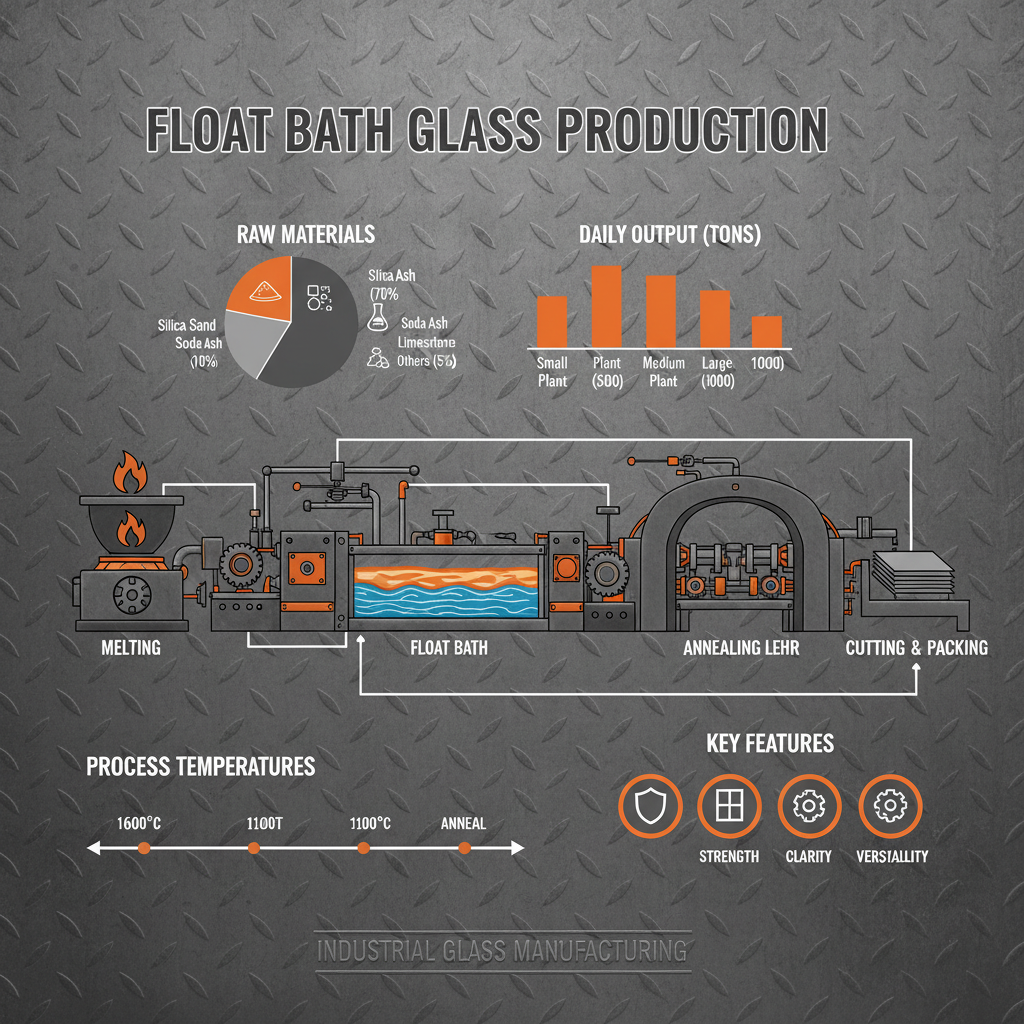
Float glass production is energy-intensive, but manufacturers are increasingly implementing sustainable practices. These include utilizing recycled glass cullet to reduce raw material consumption, optimizing furnace efficiency to lower energy usage, and implementing advanced emission control technologies. Furthermore, the long lifespan of float glass and its recyclability contribute to its overall sustainability. Responsible manufacturers prioritize minimizing their environmental impact through continuous improvement and investment in greener technologies.
Yes, float glass is 100% recyclable. Recycled glass, known as cullet, can be melted and reused in the production of new glass products, reducing the need for virgin raw materials. Using cullet also lowers the melting temperature, saving energy and reducing emissions. Recycling glass is a crucial part of a circular economy and helps conserve natural resources.
Float glass can be processed with a variety of finishes to enhance its properties and aesthetics. These include tempering for increased strength, laminating for safety and security, coating for solar control or low-emissivity performance, and etching or sandblasting for decorative effects. Different finishes cater to diverse applications, providing tailored solutions for specific requirements.

Shahe City economic Development Zone 32,hebei,P.R .China.

+8618686009698
+8613191439158

eoch@shtopglass.com
jason@shtopglass.com