



Understanding the insulated glass price per square foot is crucial for any building project, whether commercial or residential. Factors impacting the cost can be complex, ranging from glass type and thickness to size and specific coatings. This guide provides a detailed breakdown of these factors, helping you navigate the pricing landscape and make informed decisions. We'll explore average costs, variations based on specifications, and tips for obtaining accurate quotes.
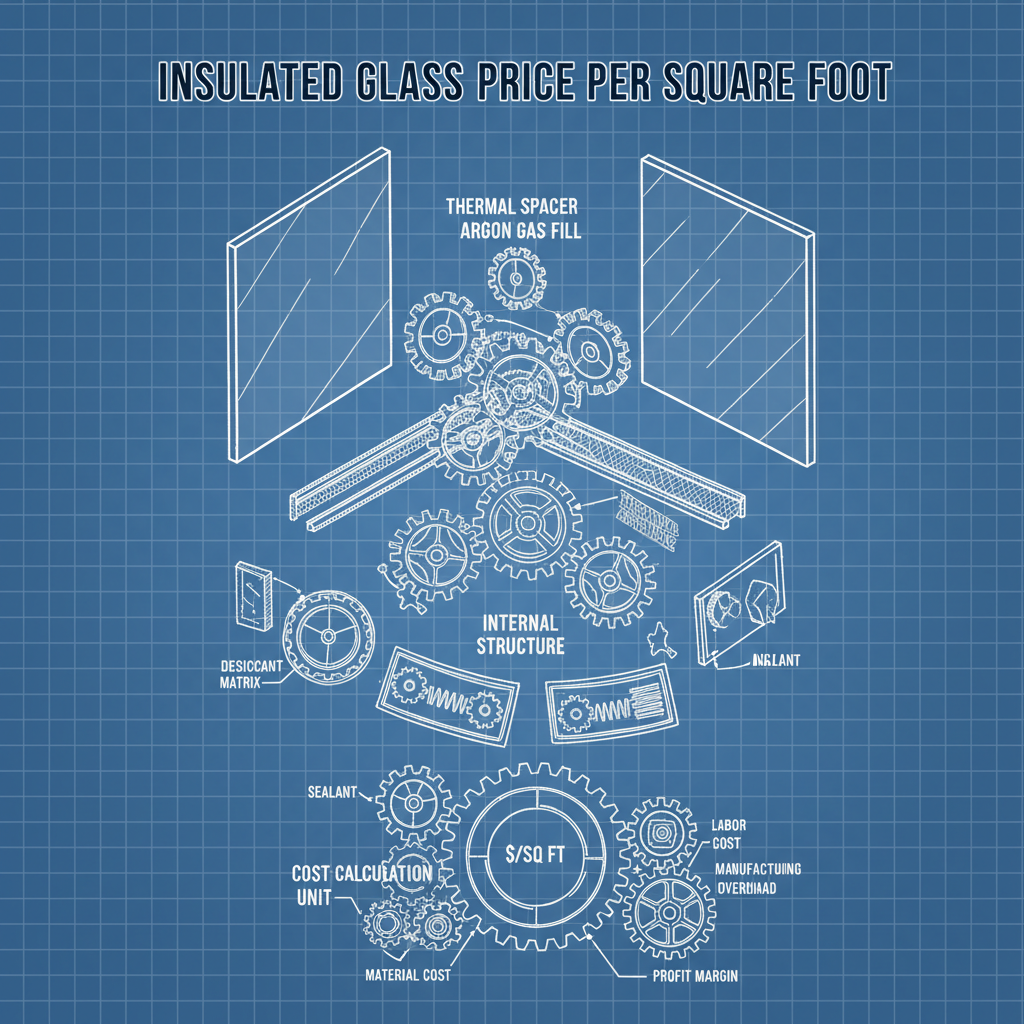
The cost of insulated glass, also known as double-pane or triple-pane glass, isn't a one-size-fits-all figure. Several elements contribute to the final price. These include the type of glass used (e.g., float glass, tempered glass, laminated glass), the thickness of the glass panes, the width of the air space between the panes, the type of gas fill (argon or krypton), and any coatings applied for energy efficiency or UV protection. Larger glass sizes typically have a lower cost per square foot than smaller, more complex cuts. Custom shapes and designs also significantly increase the price. The complexity of the installation also factors into the overall project cost.
Key Considerations: Glass type, thickness, gas fill, coatings, size, and shape all significantly influence the price of insulated glass.
As of late 2024, the average insulated glass price per square foot generally falls between $8 and $25. However, this is a broad range and can vary considerably based on the specifications discussed above. Here’s a more detailed breakdown:
The gas between the glass panes significantly impacts thermal performance. Argon is the more common and affordable option, offering a noticeable improvement in insulation compared to air-filled units. Krypton, while more expensive, provides even greater thermal resistance. The choice depends on your climate and energy efficiency goals. A krypton fill can add approximately $2- $4 per square foot to the overall cost, but delivers a higher R-value.
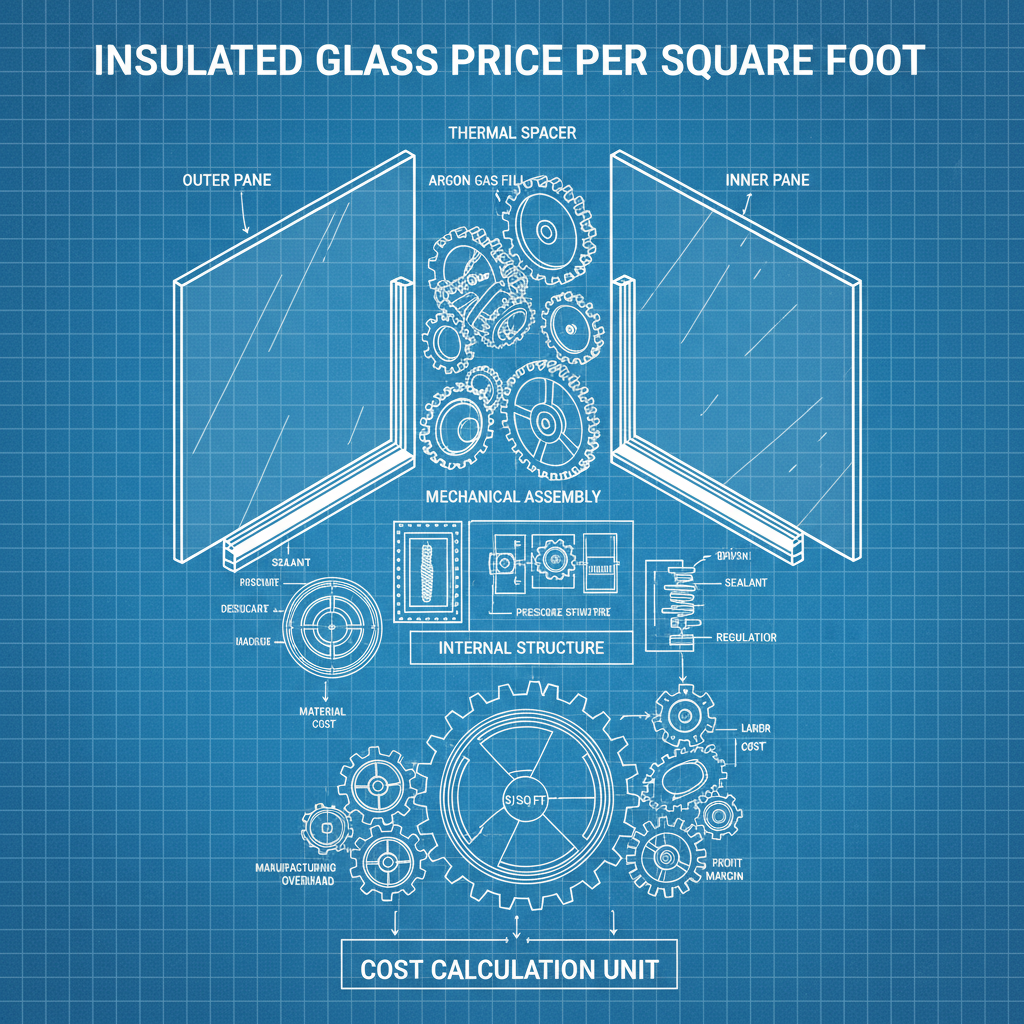
Low-E (low-emissivity) coatings are microscopically thin, virtually invisible metal or metallic oxide layers deposited on the glass surface. These coatings minimize heat transfer through the glass, improving energy efficiency. Different types of Low-E coatings exist, each optimized for specific climates and needs. Adding a Low-E coating typically increases the price by $2-$5 per square foot, but can result in significant long-term energy savings.
To get an accurate insulated glass price per square foot, it’s essential to provide detailed specifications to potential suppliers. Include the exact dimensions, glass type, thickness, desired gas fill, coating requirements, and any special features (e.g., tempered, laminated). Request quotes from multiple suppliers to compare pricing and ensure you're getting a competitive rate. Tptopglass offers free quotes and expert guidance to help you choose the right insulated glass for your needs.
Choosing the right insulated glass requires careful consideration of your budget, energy efficiency goals, and specific project requirements. Understanding the various factors that influence pricing will empower you to make an informed decision and secure the best value for your investment. Don't hesitate to consult with experienced glass suppliers, like Tptopglass, to receive personalized guidance and accurate quotes.
Double-pane insulated glass consists of two panes of glass separated by an air or gas-filled space. Triple-pane glass has three panes with two gas-filled spaces. Triple-pane glass offers superior thermal performance and sound insulation compared to double-pane, but it’s also heavier and more expensive. The choice depends on your climate and priorities. In colder climates with high heating costs, the added insulation of triple-pane glass can lead to significant energy savings.
Generally, larger glass sizes have a lower cost per square foot than smaller sizes. This is because the manufacturing and handling costs are spread out over a larger area. However, extremely large glass panes may require specialized handling and installation, which can increase the overall cost. Custom shapes and cuts also increase the price due to the added labor and material waste involved.
For most applications, yes. Low-E coatings significantly reduce heat transfer, improving energy efficiency and lowering your heating and cooling costs. While there’s an initial cost increase, the long-term savings can outweigh the investment. The specific benefits depend on your climate and the orientation of the windows. Consulting with a glass professional can help you determine the optimal Low-E coating for your needs.
Tempered glass is much stronger than standard glass and breaks into small, relatively harmless pieces, making it a safety glass ideal for areas prone to impact. Laminated glass consists of two or more glass layers bonded together with a plastic interlayer. This interlayer holds the glass together even when broken, enhancing security and providing sound control. Both tempered and laminated insulated glass are more expensive than standard insulated glass but offer increased safety and performance benefits.

Shahe City economic Development Zone 32,hebei,P.R .China.

+8618686009698
+8613191439158

eoch@shtopglass.com
jason@shtopglass.com