



Green float glass is a foundational material in countless applications, from architectural marvels to everyday household items. Its unique properties – clarity, strength, and affordability – make it a staple in the modern world. At Tptopglass, we specialize in providing high-quality green float glass solutions tailored to a wide range of client needs. This article will explore the characteristics of green float glass, its diverse applications, manufacturing process, common specifications, and the advantages of choosing Tptopglass as your supplier. We'll delve into why this ubiquitous glass type continues to be a preferred choice for projects across various industries.
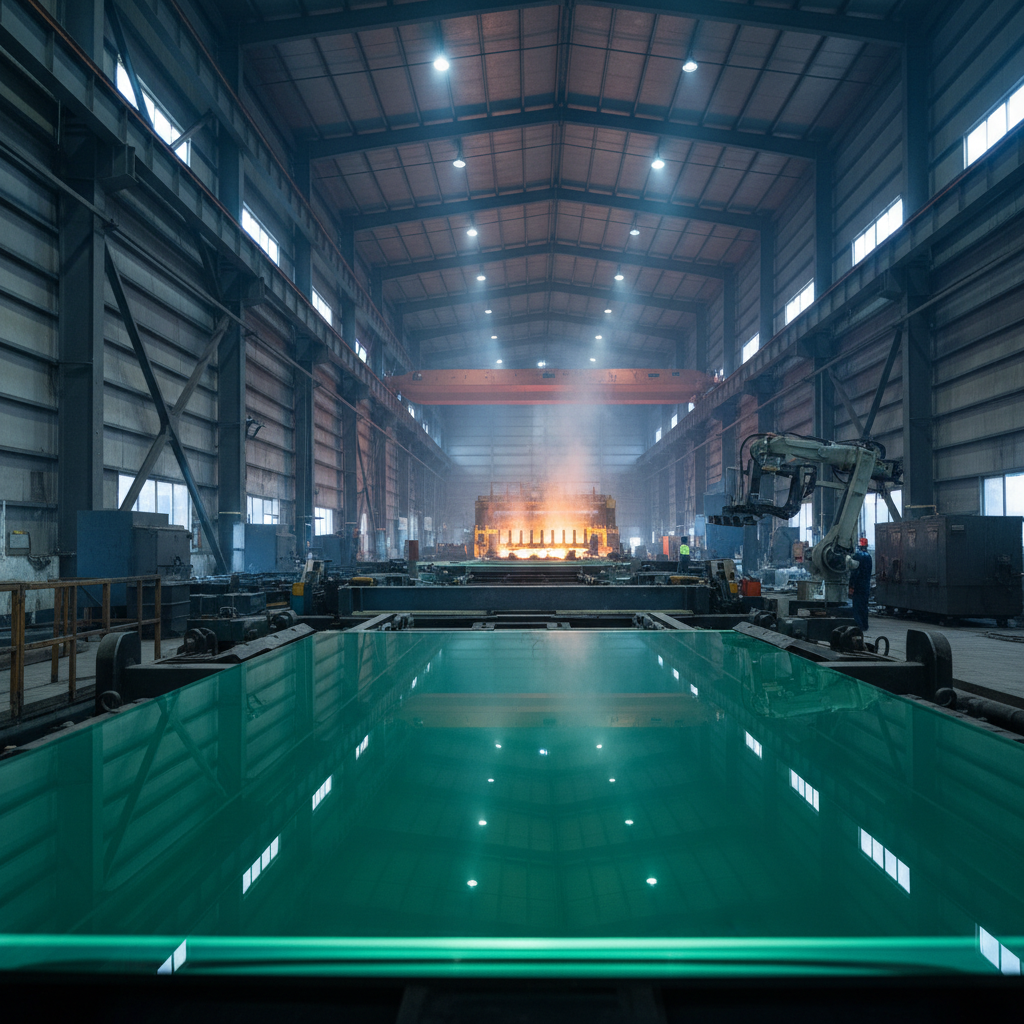
Green float glass is manufactured using the float process, where molten glass is floated on a bed of molten tin. This creates a perfectly flat surface with consistent thickness. The characteristic green tint arises from the presence of iron oxide impurities within the glass composition. While sometimes considered a drawback, this tint also offers a degree of solar control by reducing glare and UV light transmission. The process ensures minimal distortion and high optical clarity, making it ideal for applications where visibility is paramount.
Key Characteristics: Excellent flatness, high transparency, consistent thickness, inherent solar control properties, and cost-effectiveness.
The versatility of green float glass lends itself to a vast array of applications. It is commonly used in window glazing for residential and commercial buildings, providing a balance between visibility and solar control. It’s also the base material for many processed glass products such as tempered glass, laminated glass, and insulated glass units (IGUs). Other applications include mirrors, furniture components, automotive glass, and decorative glass elements. The availability of different thicknesses allows for customized solutions tailored to specific project requirements.
Common Applications:
• Window glazing for buildings
• Mirrors
• Furniture components
• Automotive glass
• Display cases
While both green and clear float glass share the same manufacturing process, the key difference lies in their composition. Clear float glass undergoes additional processing to reduce the iron oxide content, resulting in a higher level of transparency. This comes at a higher cost. Green float glass offers a cost-effective solution where slight tinting is acceptable, and a degree of solar control is desirable. The choice between the two depends on the specific requirements of the project and budget considerations.
Green float glass is available in a range of thicknesses, sizes, and finishes. Common thicknesses range from 2mm to 19mm, with standard sizes typically up to 2440mm x 3660mm. We at Tptopglass can also provide custom cutting and fabrication services to meet your exact needs. Below is a table outlining typical specifications:
At Tptopglass, we pride ourselves on delivering high-quality green float glass, exceptional customer service, and competitive pricing. Whether you require standard sizes or custom fabrication, our experienced team is ready to assist you. Contact us today to discuss your project requirements and experience the Tptopglass difference.
While the green tint is due to iron oxide, a naturally occurring element, the production of float glass is energy-intensive. However, glass is 100% recyclable, reducing the need for virgin materials. At Tptopglass, we are committed to sustainable practices, including responsible sourcing and efficient manufacturing processes. Choosing recycled glass products and minimizing waste are key aspects of our environmental responsibility. Furthermore, the solar control properties of green float glass can contribute to energy efficiency by reducing the need for air conditioning.
Yes, green float glass can be further processed into tempered or laminated glass. Tempering increases its strength and safety by creating a hardened surface. Lamination involves bonding two or more layers of glass together with a plastic interlayer, enhancing its safety and security. Both processes maintain the green tint of the glass. These processed forms are suitable for a wider range of applications requiring increased durability and safety.
Lead times vary depending on the quantity, size, and any custom fabrication required. For standard sizes and quantities, we typically offer a lead time of 7-10 business days. For custom orders, lead times may be longer. We strive to provide accurate lead time estimates at the time of order placement. Our dedicated customer service team will keep you informed throughout the process, ensuring timely delivery.
Green float glass should be stored in a dry, level area, protected from the elements. It's essential to avoid stacking glass sheets directly on top of each other without proper support, as this can cause breakage. Use spacers between sheets and ensure the storage area is free from debris and potential impact hazards. Proper storage is crucial to maintain the integrity and quality of the glass.

Shahe City economic Development Zone 32,hebei,P.R .China.

+8618686009698
+8613191439158

eoch@shtopglass.com
jason@shtopglass.com