



Grey float glass is a versatile material increasingly sought after in modern architecture and interior design. Its subtle tint offers both aesthetic appeal and functional benefits, including solar control and enhanced privacy. This article provides an in-depth look at grey float glass, covering its manufacturing process, key properties, diverse applications, and how to source high-quality glass from a reliable supplier like TP Top Glass. We’ll explore why choosing the right grey float glass is crucial for any project.
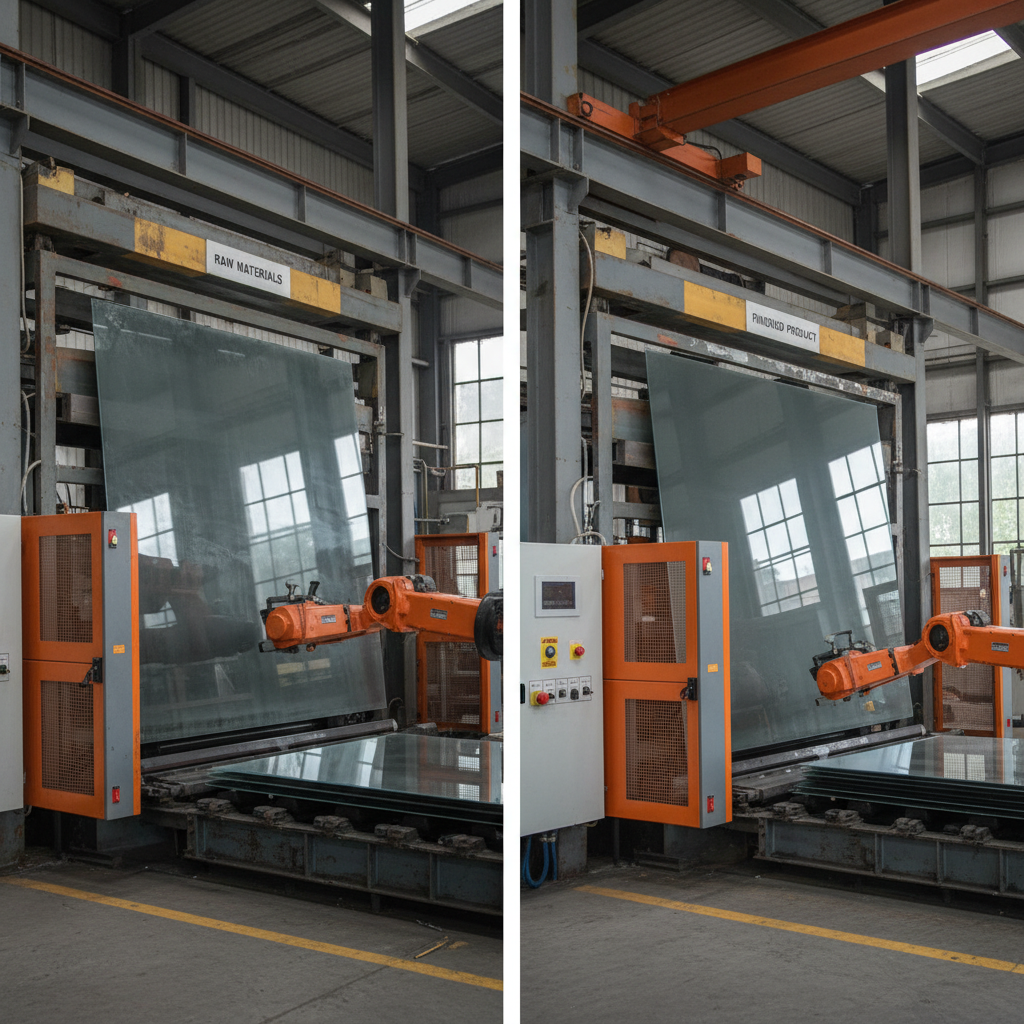
Grey float glass is produced using the same fundamental process as clear float glass, but with the addition of controlled amounts of metal oxides – typically iron oxide – during the melting stage. The molten glass is then floated on a bed of molten tin, creating a perfectly flat surface. The amount of iron oxide determines the intensity of the grey tint. Precise control over this process is essential to achieve consistent color and quality. Different manufacturers employ slightly different techniques, impacting the final product’s properties. The quality of the raw materials used also plays a significant role in the glass’s clarity and strength.
Key Highlights: The addition of metal oxides during the melting stage creates the grey tint. The float process ensures a perfectly flat surface, critical for many applications.
Grey float glass shares many of the excellent properties of clear float glass, including high light transmission (although reduced compared to clear glass), excellent clarity, and durability. However, the grey tint imparts additional benefits. It reduces glare, diminishes solar heat gain, and enhances privacy by limiting visibility. The level of solar control is directly related to the glass's thickness and the concentration of the coloring agents. It also offers aesthetic advantages, providing a sophisticated and modern look to any project.
Benefits of Grey Tint:
• Reduced Glare
• Lower Solar Heat Gain
• Enhanced Privacy
• Aesthetic Appeal
The versatility of grey float glass makes it ideal for a wide range of applications. In architecture, it's frequently used in commercial buildings, office facades, and residential windows to control solar heat gain and create a sleek aesthetic. Interior design utilizes it for partitions, shower enclosures, and furniture. Automotive industries utilize tinted glass for windshields and windows, reducing glare for drivers. Additionally, it’s used in various decorative applications, such as mirrors and artistic installations.
Selecting a reliable supplier is paramount when sourcing grey float glass. TP Top Glass is a leading manufacturer and exporter of high-quality float glass, including a comprehensive range of grey tints. We offer consistent quality, competitive pricing, and excellent customer service. Our commitment to quality control, combined with efficient logistics, ensures timely delivery and customer satisfaction. We provide cut-to-size options and can meet various project requirements.
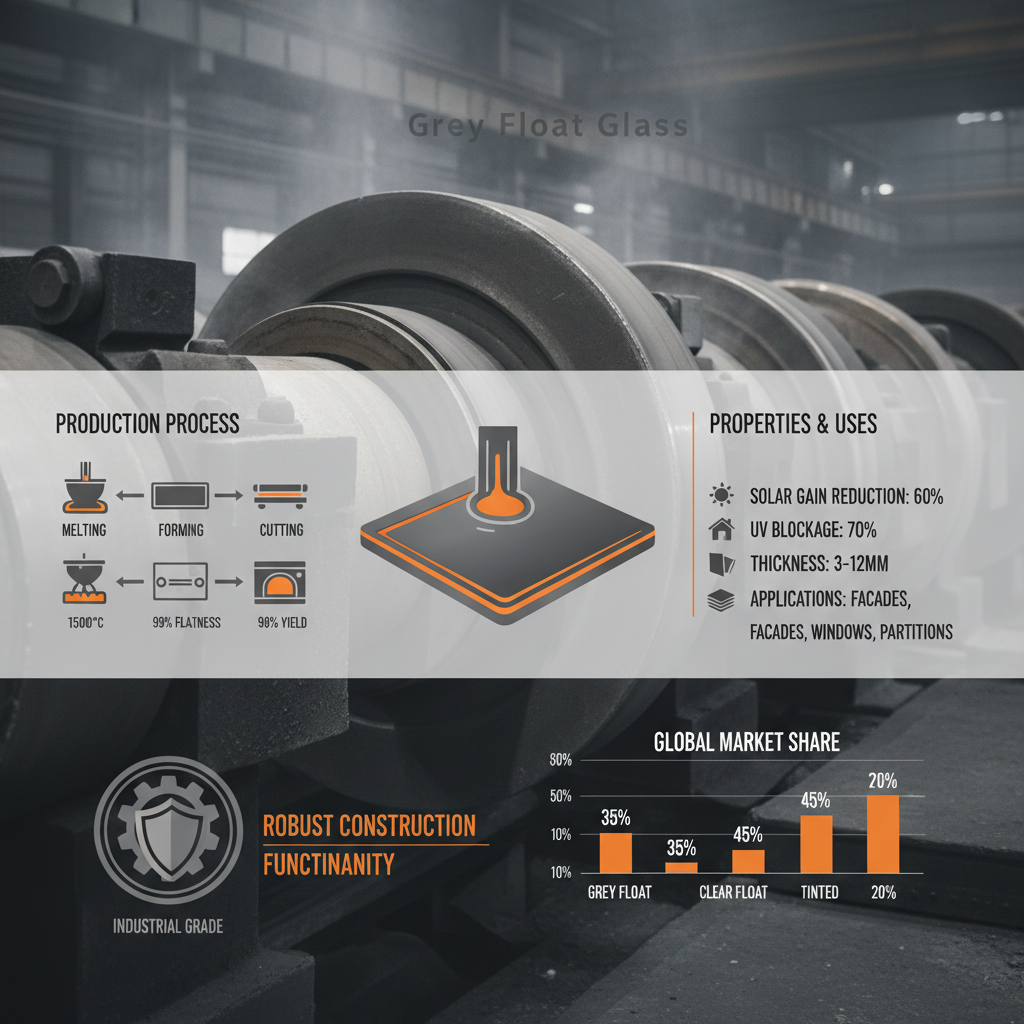
Grey float glass represents a compelling combination of aesthetic appeal and practical benefits. Its ability to control solar heat gain, enhance privacy, and reduce glare makes it a valuable asset in numerous applications. By partnering with a reputable supplier like TP Top Glass, you can ensure you receive high-quality glass tailored to your specific needs. Invest in grey float glass and elevate your project with style and functionality.
Lead times vary depending on the quantity and size of the order, as well as current production schedules. Generally, standard orders can be processed and shipped within 2-4 weeks. Larger or customized orders may require longer lead times. TP Top Glass provides detailed lead time estimates with each quote and keeps customers informed throughout the production process. We also offer expedited shipping options to meet urgent deadlines.
Yes, grey float glass can be further processed through tempering or lamination to enhance its strength and safety characteristics. Tempering involves heating and rapidly cooling the glass, making it significantly more resistant to impact. Lamination combines layers of glass with an interlayer, increasing its structural integrity and preventing shattering. Both processes can be applied to grey float glass to meet specific safety requirements for various applications, such as railings, doors, and skylights.
Grey float glass is a popular choice for interior design applications due to its sophisticated aesthetic and functional benefits. It’s commonly used for shower enclosures, partitions, furniture tops, and decorative wall panels. The grey tint adds a touch of elegance and modernity to any space, while also providing a degree of privacy. It’s also used in mirrors to create a unique and stylish look.
The amount of iron oxide used directly impacts the glass’s color intensity and its solar control properties. Higher iron oxide content results in a darker grey tint and greater reduction in solar heat gain. However, it also slightly reduces light transmission. The optimal iron oxide concentration depends on the specific application and desired balance between aesthetics and performance. TP Top Glass offers a range of grey tints to meet different project requirements.

Shahe City economic Development Zone 32,hebei,P.R .China.

+8618686009698
+8613191439158

eoch@shtopglass.com
jason@shtopglass.com