



Tempered laminated glass is a high-performance safety glass widely used in a variety of applications, from automotive windshields to architectural facades. It offers superior strength, safety, and security compared to standard glass. This article provides an in-depth look at tempered laminated glass, its benefits, manufacturing process, applications, and factors to consider when choosing the right type for your needs. We’ll explore why TPTopGlass is a leading provider of quality tempered laminated glass.
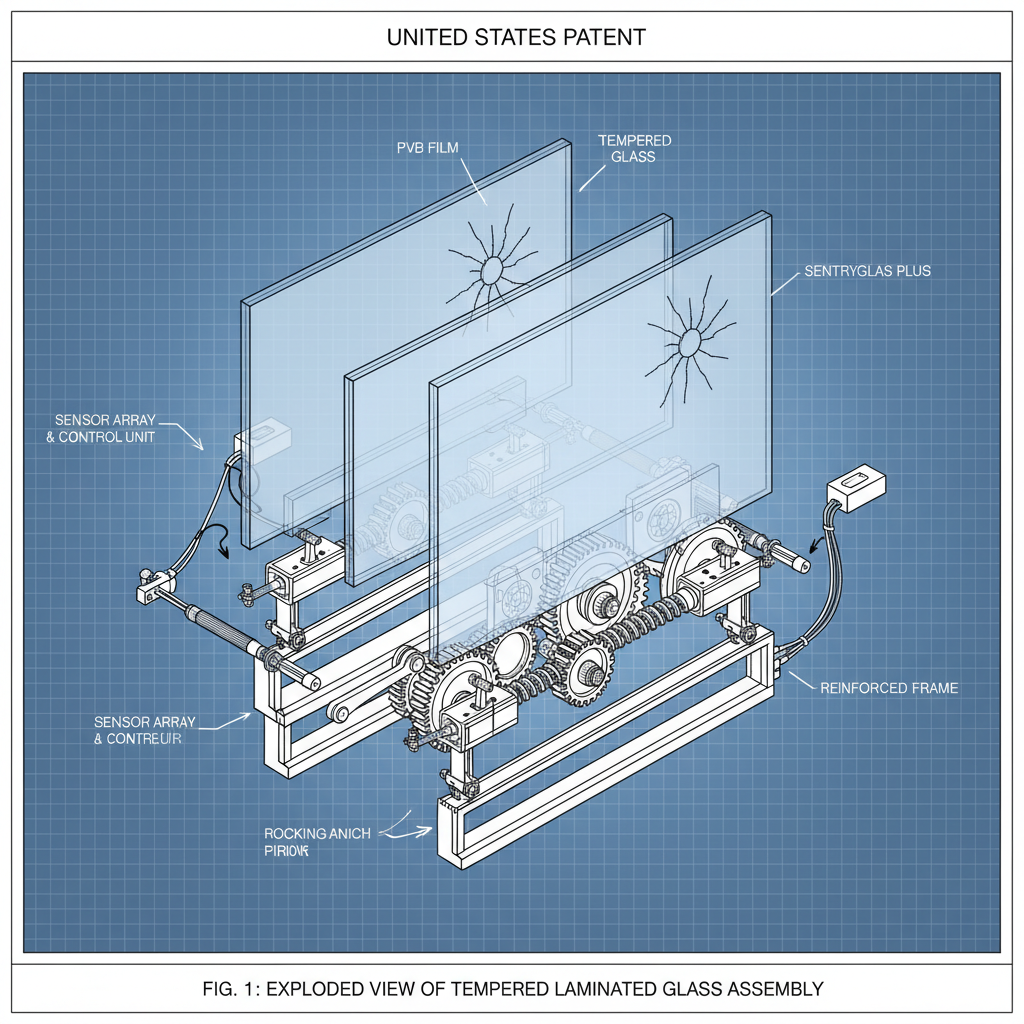
Tempered laminated glass is created by bonding two or more layers of glass together with a layer of polyvinyl butyral (PVB) or ethylene-vinyl acetate (EVA) interlayer. This interlayer holds the glass fragments together if the glass breaks, reducing the risk of injury. The glass itself is then heat-treated to increase its strength and resistance to impact. This process significantly enhances its overall performance. Understanding the composition is key to appreciating its benefits.
Key Highlights: The PVB/EVA interlayer provides a crucial safety element, preventing shattering. Tempered glass undergoes a heating and cooling process, increasing its strength by up to four times that of standard glass.
The creation of tempered laminated glass involves several steps. First, the glass sheets are cut to the desired size and shape. They are then thoroughly cleaned to ensure proper adhesion of the interlayer. The PVB or EVA interlayer is placed between the glass sheets and then subjected to heat and pressure to create a strong bond. Finally, the bonded glass is tempered through a heating and rapid cooling process, which introduces compressive stress on the surface, increasing its strength. TPTopGlass utilizes advanced manufacturing techniques to ensure the highest quality tempered laminated glass.
Manufacturing Steps:
• Glass Cutting and Cleaning
• Interlayer Placement (PVB/EVA)
• Heat and Pressure Bonding
• Tempering (Heat and Rapid Cooling)
Comparing tempered laminated glass to standard glass reveals significant differences in safety and performance. Standard glass shatters into large, sharp shards when broken, posing a serious injury risk. Tempered laminated glass, however, breaks into small, relatively harmless pieces that remain adhered to the interlayer. This is a crucial safety advantage. Furthermore, tempered laminated glass offers superior resistance to impact, forced entry, and sound transmission.
Tempered laminated glass finds applications in diverse sectors. In the automotive industry, it’s used for windshields and side windows. Architecturally, it’s ideal for skylights, curtain walls, and balustrades. Security applications include bullet-resistant glazing for banks and government buildings. Its ability to reduce noise pollution makes it suitable for sound barriers and windows near airports or busy roads. TPTopGlass caters to a wide range of these applications.
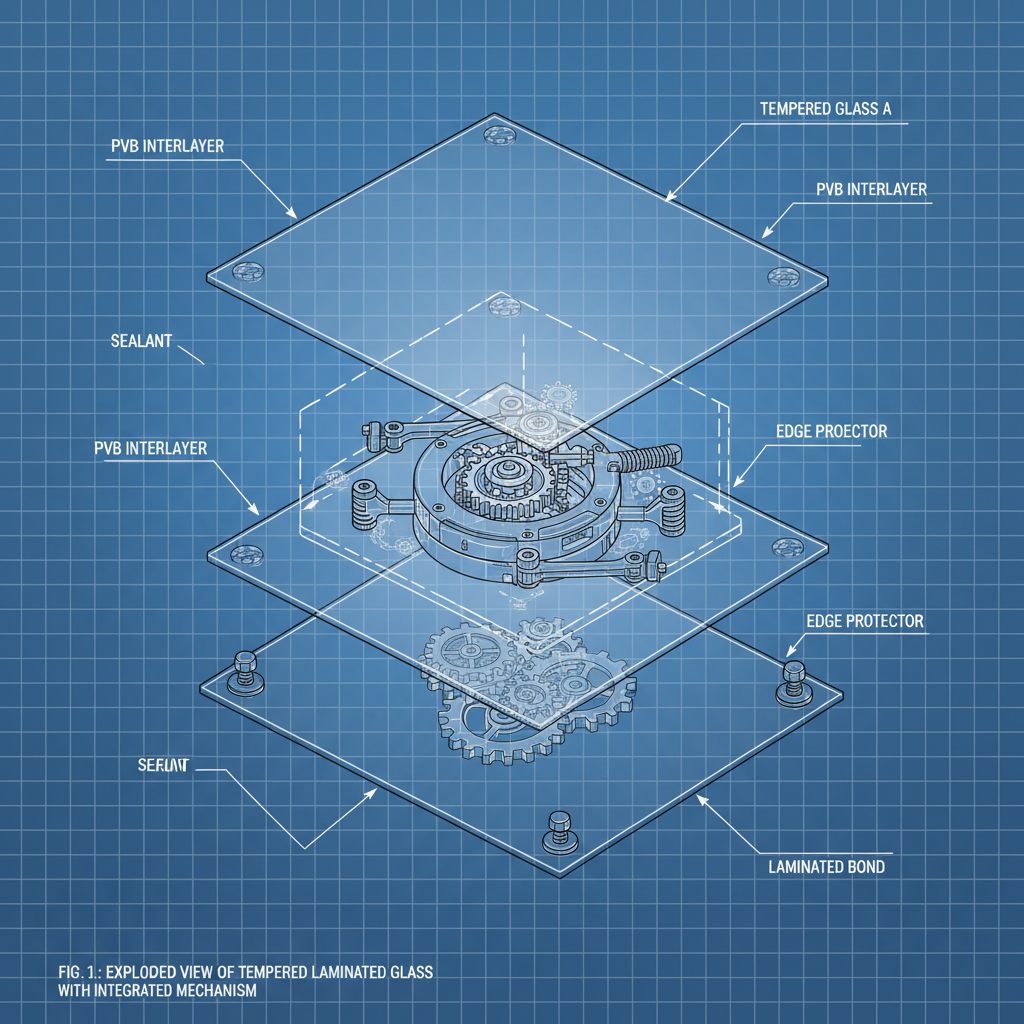
Selecting the appropriate tempered laminated glass requires careful consideration of several factors. The thickness of the glass layers and the interlayer influence the glass's strength and security level. The type of interlayer (PVB or EVA) affects its performance characteristics, such as UV resistance and adhesion. The intended application dictates the necessary safety standards and regulations. Consulting with a glass specialist, like TPTopGlass, is highly recommended.
Tempered laminated glass is a superior safety and performance glazing solution. Its unique combination of strength, security, and safety features makes it an excellent choice for a wide range of applications. By choosing a reputable supplier like TPTopGlass, you can ensure you receive high-quality products and expert guidance.
The main benefits include increased safety due to its breakage pattern – it doesn't shatter into large, dangerous shards. It also offers enhanced security, resisting forced entry, improved sound insulation, and greater resistance to impacts and extreme temperatures. The interlayer provides UV protection, preventing fading of interior furnishings. It’s a superior choice for applications prioritizing safety and security.
The interlayer, typically PVB or EVA, plays a critical role. It holds the glass fragments together upon breakage, preventing scattering. It also enhances the glass's flexibility, increasing its resistance to impact and penetration. Furthermore, the interlayer provides UV filtering, reducing glare and protecting interior materials from fading. Different interlayer types offer varying levels of performance for specific needs.
Yes, tempered laminated glass is well-suited for outdoor applications. It withstands temperature fluctuations and resists degradation from UV exposure, particularly when using PVB or specialized EVA interlayers. It’s commonly used in skylights, curtain walls, and railings exposed to the elements. The lamination process enhances its durability and longevity in harsh environments.
PVB (Polyvinyl Butyral) is the most commonly used interlayer, offering excellent clarity and strong adhesion. EVA (Ethylene-Vinyl Acetate) provides superior resistance to UV degradation and moisture, making it ideal for outdoor applications. EVA also offers better edge seal durability. The choice between the two depends on the specific requirements of the application.

Shahe City economic Development Zone 32,hebei,P.R .China.

+8618686009698
+8613191439158

eoch@shtopglass.com
jason@shtopglass.com